As we face an era of increased reliance on technology in healthcare management, a novel concern has emerged around the world: are health tools being repurposed as tracking apps? This issue has sparked significant debate, raising questions about the potential impacts and ethical concerns of these practices.
1. The Rise of Health Tracking Tools
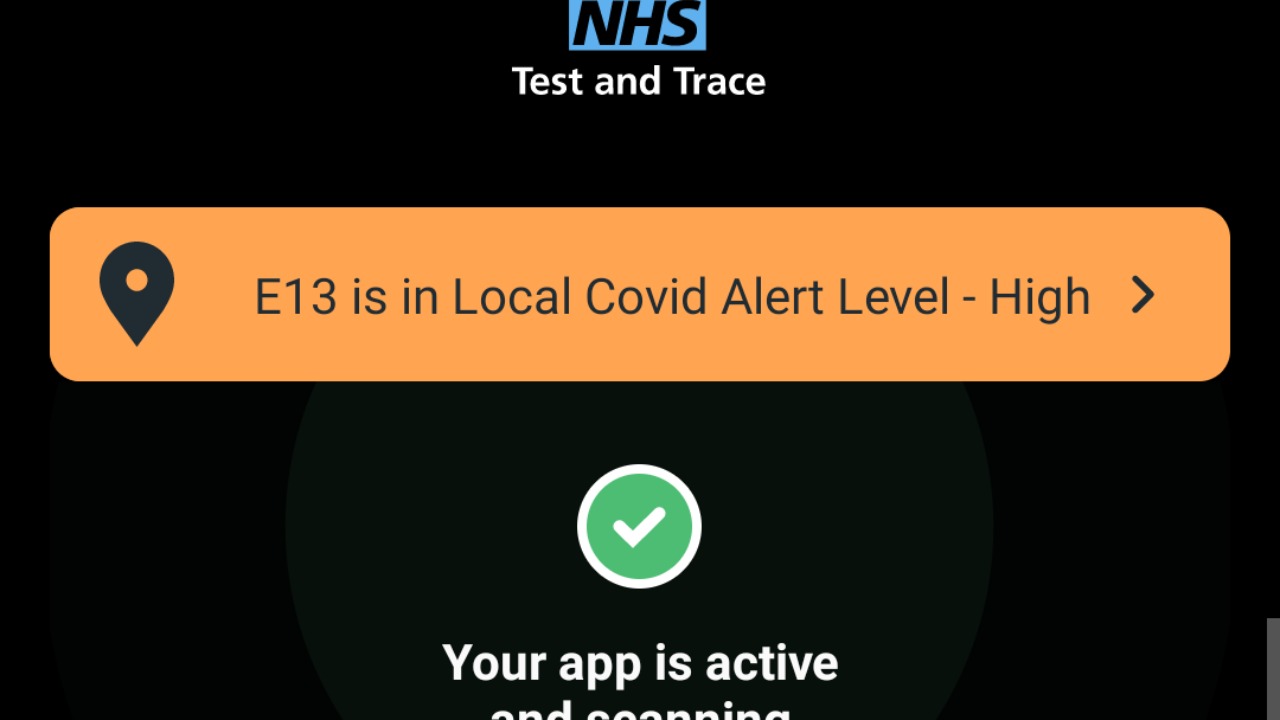
The global pandemic has been a catalyst for the adoption of health tracking tools. Countries have swiftly shifted towards digital solutions to manage the crisis, with health tracking apps playing a crucial role. For example, South Korea introduced a mandatory quarantine app early in the pandemic to monitor individuals in self-isolation.
Major tech companies have also contributed to the surge of these tools. Apple and Google, for instance, collaborated to develop a contact tracing system integrated into their operating systems. The result was a myriad of health tracking apps, such as the NHS COVID-19 app in the UK and COVIDSafe in Australia.
2. The Thin Line Between Health Tools and Tracking Apps
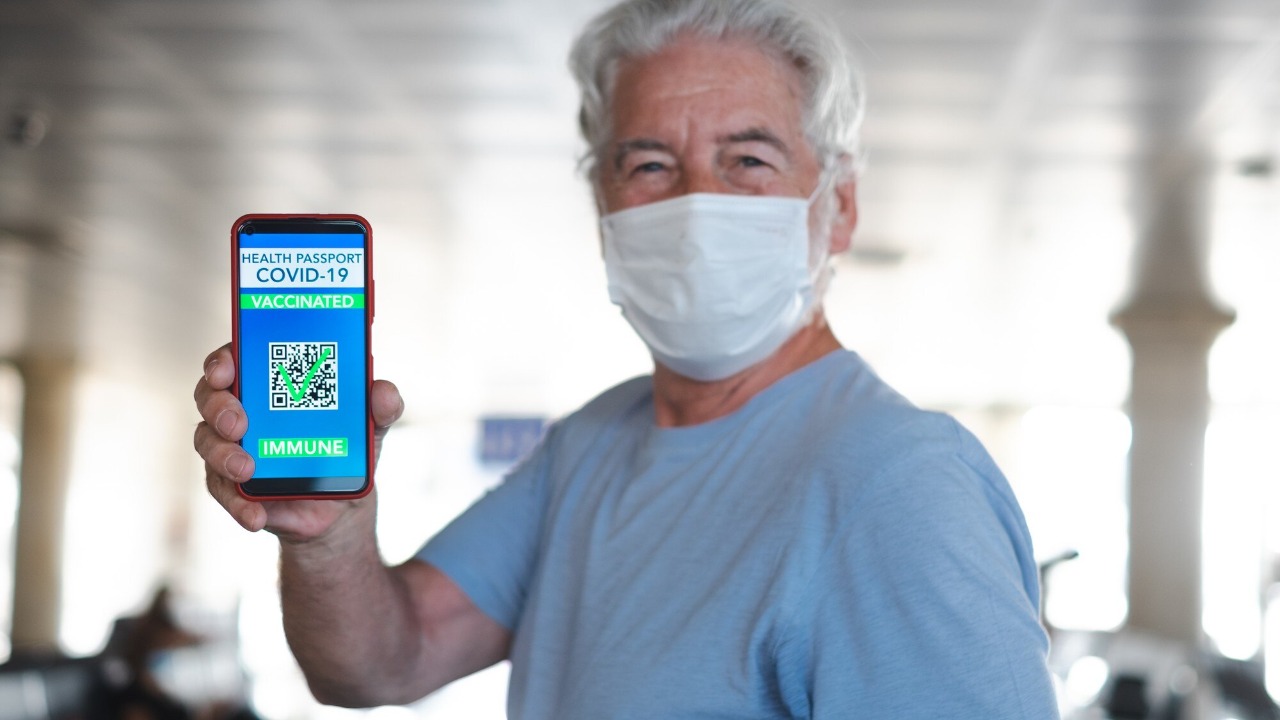
While these tools may have been developed with the best intentions, the line between health monitoring and surveillance is thin. Health apps can easily be transformed into tracking tools, as they typically require access to sensitive information like location data, biometrics, and personal identifiers.
There are concerns that governments may use these apps to monitor citizens under the guise of public health. Case studies from countries like China and Israel have raised eyebrows, with allegations of surveillance through health apps. These instances highlight the potential for misuse and underscore the importance of creating clear boundaries between health tools and tracking apps.
3. Public Perception and Acceptance
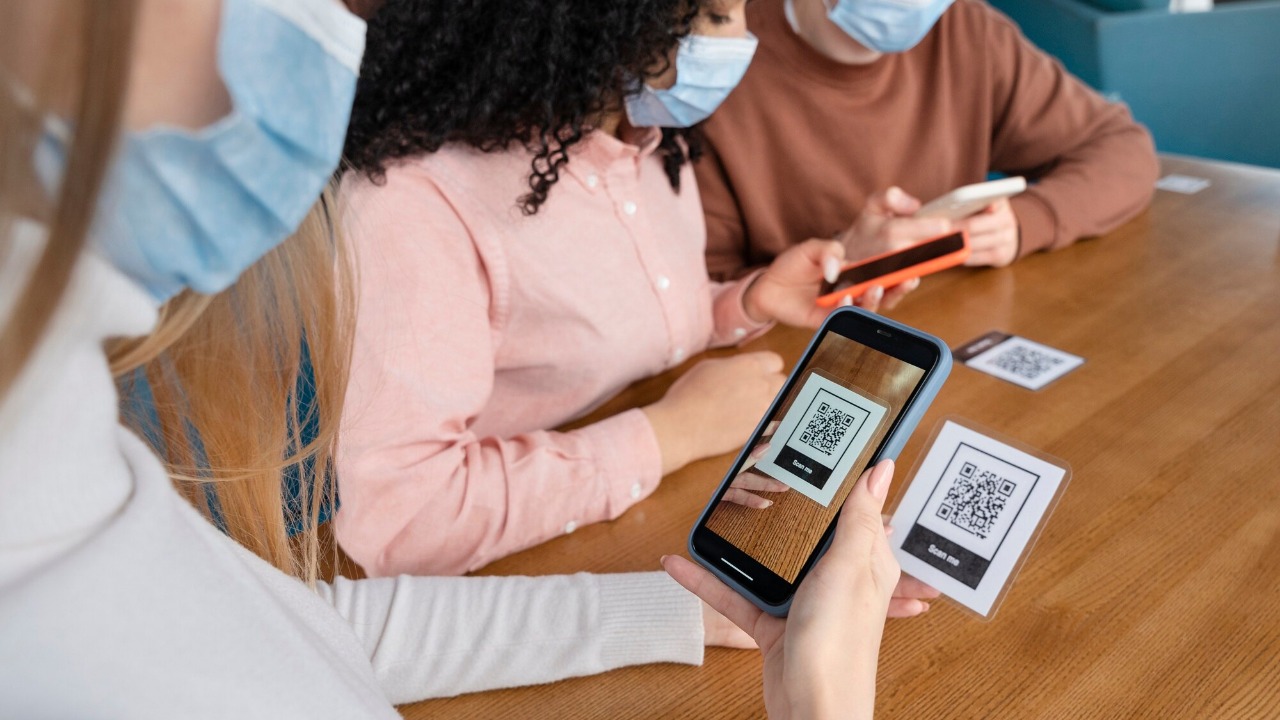
Public opinion on tracking apps is a mixture of acceptance and skepticism. A study by Pew Research revealed that while some people are comfortable with the use of tracking apps for public health, others are wary due to concerns about privacy and data misuse.
Misinformation and lack of transparency have contributed to public skepticism. There also seems to be a correlation between public trust in government and acceptance of tracking apps. Countries with high levels of trust in their governments, such as Singapore and Taiwan, have had higher user rates for their respective health tracking apps.
4. Ethical Implications of Health Tracking Tools

The ethical concerns raised by privacy advocates about health tracking tools are significant. Critics argue that these tools can infringe on personal privacy and civil liberties. There is also the risk of misuse of personal data collected by these apps, especially without strong data protection laws and enforcement.
Striking a balance between public health and personal privacy is crucial. Research suggests that while health tracking tools can be beneficial in managing a health crisis, they need to be designed and used ethically, with clear guidelines and limitations to prevent potential abuse.
5. The Future of Health Tracking Tools

The debate about the role of technology in healthcare and surveillance continues to evolve. The potential for increased use of tracking apps in the future is real, especially considering the ongoing health challenges globally. However, it’s crucial that this doesn’t lead to an erosion of personal privacy.
Governments and technology companies have a joint responsibility to ensure transparency and ethical use of health tracking tools. They can achieve this by educating the public about the apps’ functionalities, ensuring robust data protection measures, and being transparent about how the data is used. The White House’s recent partnership with big tech to launch a health tracking system is a prime example. The aim is to create a trusted and transparent system that respects privacy while providing valuable health insights.
