Mount Erebus, Antarctica’s southernmost active volcano, is a geological marvel that continuously emits tiny particles of gold in its volcanic gases. This unique phenomenon results in approximately 80 micrograms of gold dust being produced each day, valued at around $8,000 based on current market prices. The discovery was made by scientists from the National Institute of Water and Atmospheric Research (NIWA) in New Zealand, who analyzed gas samples collected from the volcano’s summit. Alongside gold, Mount Erebus also emits other rare metals like rhodium and silver, positioning it as a natural geochemical factory in one of the world’s most remote environments.
Mount Erebus: The Volcano Behind the Gold Emission
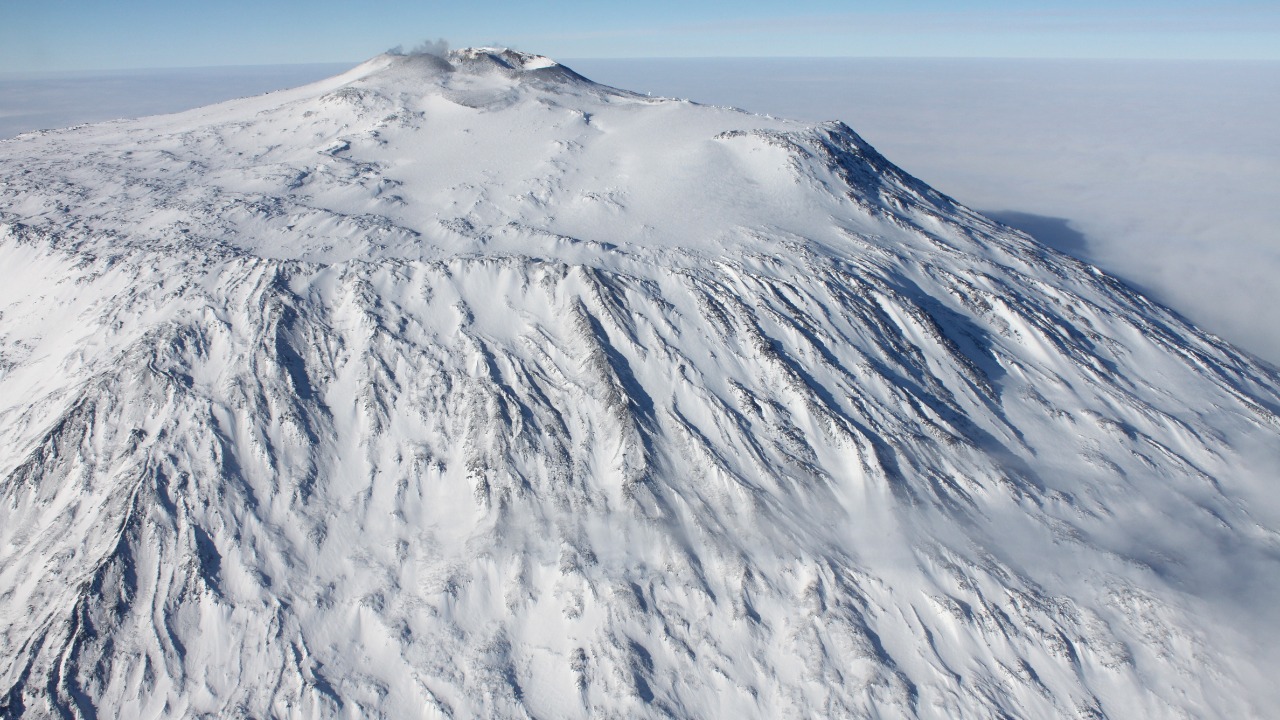
Mount Erebus is an active stratovolcano standing at 3,794 meters tall on Ross Island in Antarctica’s Ross Dependency. It was named after HMS Erebus from James Clark Ross’s 1841 expedition. Known as the world’s southernmost active volcano, Mount Erebus has been erupting continuously since at least 1972. Its summit crater hosts a persistent lava lake that has been active for decades, contributing to its unique geological activity. The extreme environmental conditions at the site, including temperatures dropping to -50°C, pose significant challenges for researchers accessing the summit.
The harsh climate and high-altitude conditions make Mount Erebus a challenging location for scientific study. Despite these obstacles, the volcano’s continuous activity and the presence of a lava lake provide valuable opportunities for researchers to study volcanic processes in a relatively stable environment. The ongoing eruptions and emissions offer insights into the dynamic nature of Earth’s geology, particularly in such an isolated and extreme setting.
Discovery of Gold in Volcanic Emissions
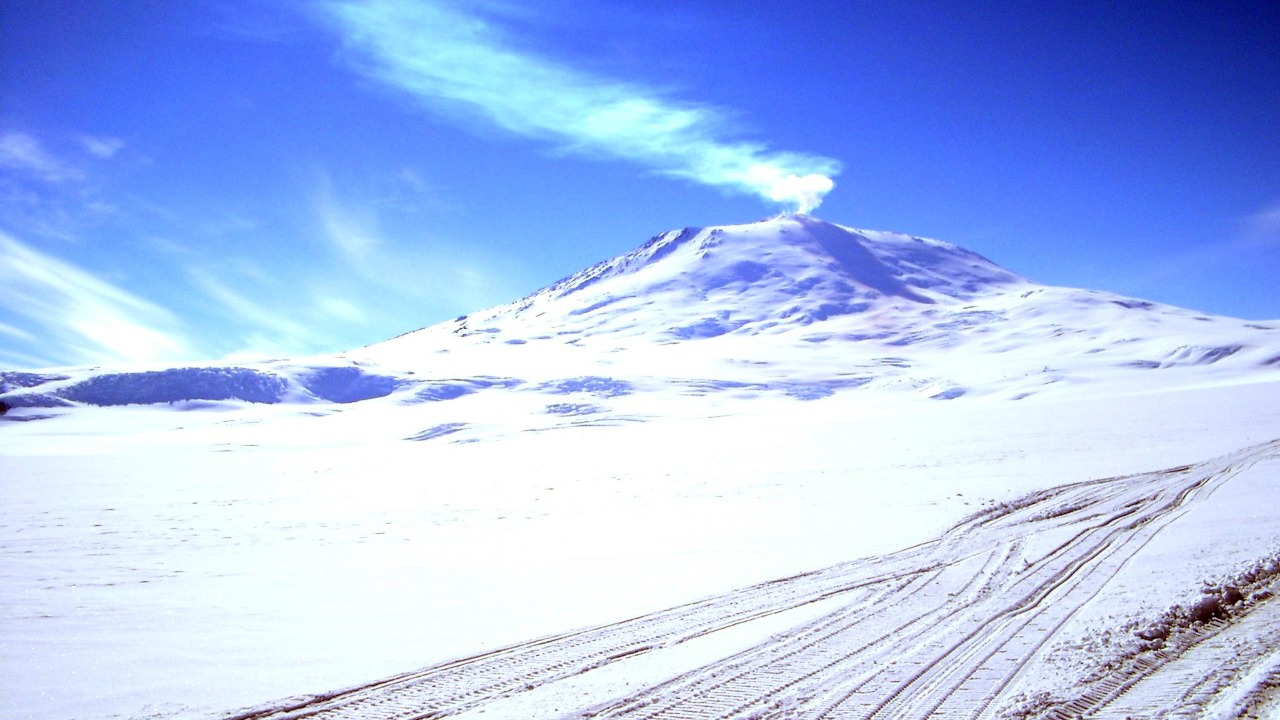
The detection of gold dust in Mount Erebus’s emissions was achieved through meticulous gas sampling by NIWA scientists. Using aircraft and ground-based tools near the summit, they revealed gold particles in the volcanic plume at concentrations of up to 0.01 micrograms per cubic meter. Initial samples collected in the 2010s confirmed the presence of gold alongside other elements, with quantitative estimates refined in subsequent studies. The gold dust particles are typically under 1 micron in size, making them invisible to the naked eye but detectable via advanced spectrometry.
This discovery highlights the intricate processes occurring within the volcano, where metals from deep magmatic sources are transported to the surface via volcanic gases. The presence of such metals in the emissions provides a unique window into the composition of Earth’s mantle, offering valuable data for geochemical research. The ability to detect and quantify these particles underscores the advancements in scientific instrumentation and analytical techniques.
Quantifying the Daily Gold Output

The estimated daily emission rate of 80 micrograms of gold from Mount Erebus is calculated from plume volume and concentration data collected over multiple field seasons. This translates to an economic value of approximately $8,000 per day, using a gold price of $2,000 per ounce. Annually, this equates to over $2.9 million in gold emissions, highlighting the significant mineral wealth produced by the volcano without any extraction costs. In addition to gold, Mount Erebus emits 20 micrograms of rhodium daily, worth about $500, and trace amounts of silver, further contributing to the overall mineral output.
These emissions underscore the potential economic value of volcanic activity, even in remote and inaccessible locations like Antarctica. However, the Antarctic Treaty System prohibits commercial mining in the region, ensuring that the area remains protected for scientific research. This legal framework emphasizes the importance of preserving Antarctica’s unique environment while allowing for the continued study of its geological and ecological processes.
Scientific and Environmental Implications
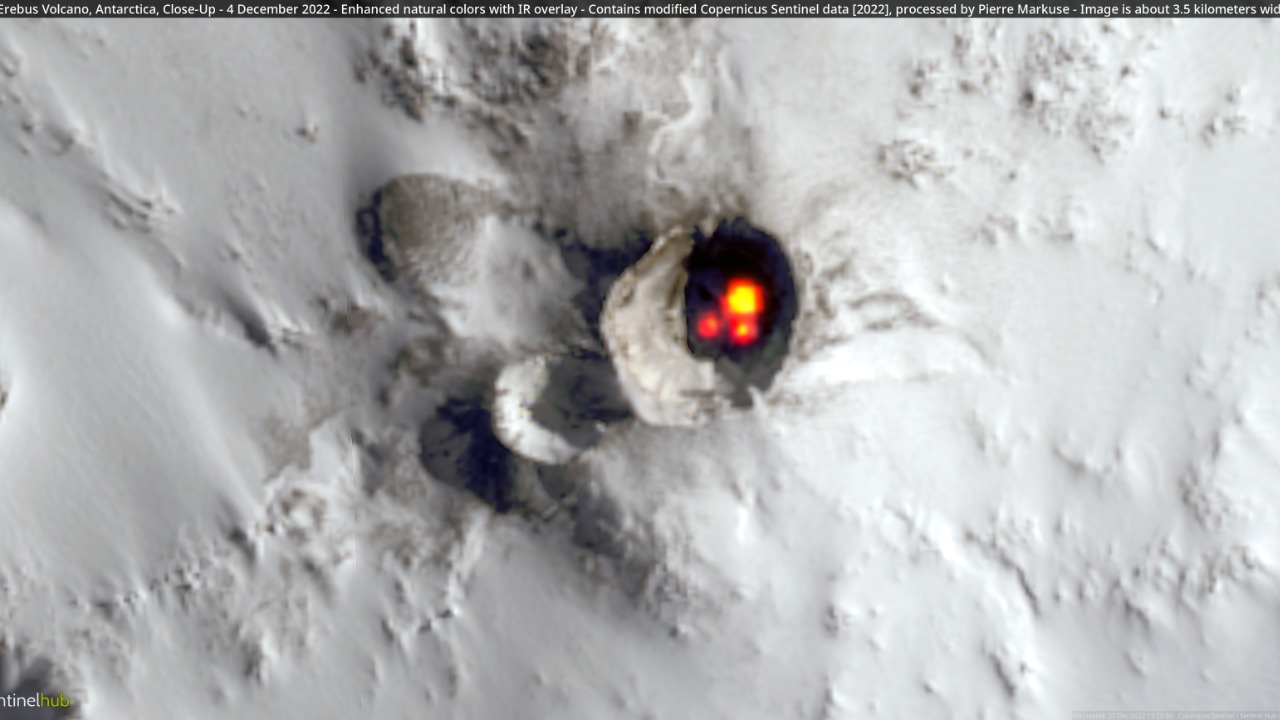
The gold emission from Mount Erebus provides crucial insights into Earth’s mantle composition, as the metals originate from deep magmatic sources and are transported via volcanic gases. This information is invaluable for understanding the geological processes that shape our planet. However, the inaccessibility of the site under the Antarctic Treaty System prohibits commercial mining, protecting the area for scientific research only. This ensures that the unique geological and ecological characteristics of Antarctica are preserved for future generations.
The presence of gold particles in the volcanic emissions also has potential atmospheric impacts. These particles can disperse globally, contributing to trace metal deposition in polar ice cores used for climate studies. Understanding the distribution and impact of these emissions is essential for assessing their role in global atmospheric processes and their potential influence on climate patterns. The ongoing research at Mount Erebus continues to shed light on these complex interactions, providing valuable data for scientists worldwide.
For more detailed information, you can read the full articles on MSN and SSBCrack.
