
General Motors (GM) is making headlines with its decision to invest significantly in the development of a new V8 engine, despite industry trends leaning towards electric and alternative fuel vehicles. This bold move highlights GM’s commitment to traditional internal combustion engines and its belief in a continued market for powerful, fuel-efficient V8s.
The Importance of V8 Engines in Automotive History
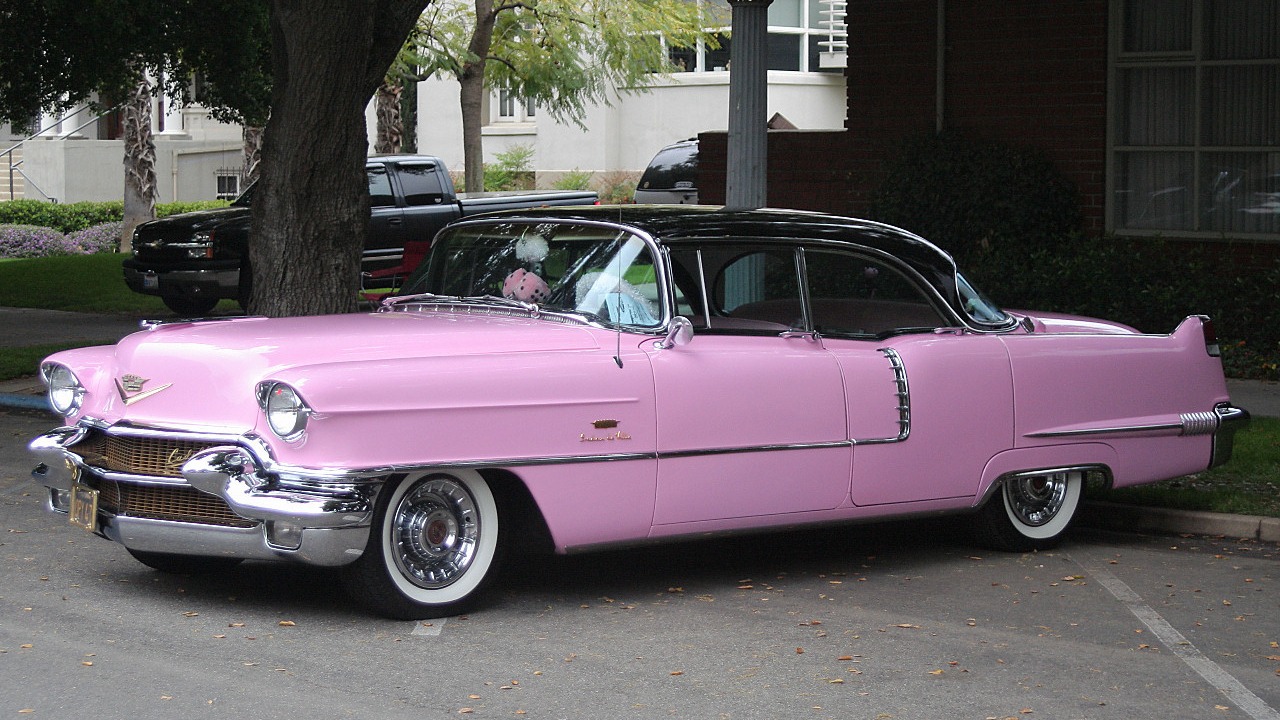
V8 engines have held a prominent place in the automotive industry for decades, symbolizing power and performance. Originally introduced in the early 20th century, the V8 engine quickly became a staple of American muscle cars and luxury vehicles. Its configuration allowed for more power output and a smoother ride, making it a favorite among car enthusiasts and manufacturers alike.
The cultural significance of V8 engines, particularly in American car culture, cannot be overstated. From the iconic muscle cars of the 1960s and 70s to the modern performance vehicles, V8 engines have become synonymous with speed and strength. They represent a bygone era of automotive design that prioritized power and performance, embedding themselves in the cultural fabric of American society.
Over the years, the technological evolution of V8 engines has been remarkable. From carburetors to fuel injection, and now to modern variable valve timing and cylinder deactivation, these engines have continuously adapted to meet the demands of a changing automotive landscape. This adaptability has ensured their relevance, even as the industry shifts towards more sustainable alternatives.
GM’s Strategic Investment

GM’s recent decision to invest $900 million into the development of a new V8 engine underscores the company’s strategic vision. This substantial financial commitment signals GM’s belief in the enduring appeal of V8 engines and their potential to coexist alongside electric and hybrid vehicles. It also highlights GM’s dedication to maintaining a diverse portfolio of powertrain options.
The target markets for GM’s new V8 include consumers who value traditional performance and power, such as enthusiasts of muscle cars and high-performance vehicles. GM aims to attract these segments by offering a V8 engine that competes not only in terms of power but also in fuel efficiency and emissions. This move positions GM to compete directly with the growing popularity of electric vehicles (EVs) and hybrids.
Production plans for GM’s new V8 are still unfolding, but the company has indicated that manufacturing facilities will be updated to accommodate this new engine. Potential models that may feature the new V8 include both performance-oriented vehicles and larger SUVs and trucks, where the demand for power and towing capacity remains strong.
Challenges Facing the V8 Revival

One of the primary challenges facing GM’s new V8 engine is the increasingly stringent environmental regulations worldwide. Emissions standards are becoming more rigorous, and internal combustion engines are under scrutiny for their environmental impact. GM will need to innovate to ensure that their new V8 meets these regulations without sacrificing performance.
The competition from electric vehicles is another significant challenge. As EVs become more affordable and infrastructure improves, consumers are increasingly drawn to these environmentally friendly alternatives. GM’s new V8 will need to differentiate itself by offering features that an electric vehicle cannot, such as raw power and the visceral experience of driving a traditional engine.
Consumer perception is also a hurdle. With a growing push for greener alternatives, some consumers may be skeptical about investing in traditional engines. GM will need to address these concerns by emphasizing the advancements in fuel efficiency and emissions reductions that the new V8 offers.
Technological Innovations in the New V8

GM plans to incorporate several technological innovations in its new V8 engine to enhance fuel efficiency. Features such as cylinder deactivation, start-stop technology, and advanced fuel management systems are expected to make this engine more viable in today’s market, where efficiency is a key concern for consumers.
Performance enhancements are also on the agenda, with GM aiming to make this V8 stand out in terms of power and capability. Innovations in materials and manufacturing processes may allow for lighter engines with higher output, maintaining the V8’s reputation for performance while addressing modern efficiency requirements.
Integration with modern automotive technology is another focus for GM’s new V8. The engine is expected to be compatible with the latest in connectivity and driver-assist features, ensuring that vehicles equipped with the V8 do not lag behind their electric counterparts in terms of technology. This integration will be crucial for appealing to tech-savvy consumers.
Market Impact and Future Outlook

The broader impact of GM’s investment in a new V8 engine on the automotive industry could be significant. It may encourage other manufacturers to continue investing in internal combustion engine development, even as the industry moves towards electrification. This could result in a more diverse range of vehicle options for consumers, catering to different preferences and needs.
Looking to the long-term prospects, the future of V8 engines will depend on their ability to adapt to changing consumer demands and regulatory environments. While the industry is undoubtedly shifting towards electrification, there remains a segment of the market that values the unique attributes of a V8 engine. GM’s investment suggests that there is still a place for these engines in the automotive landscape.
Consumer response to GM’s new V8 will be telling. If the engine can deliver on its promises of enhanced performance and efficiency, it may sway consumers who are on the fence about traditional engines. The success of this new V8 could influence purchasing decisions and potentially shift the market dynamics, reaffirming the relevance of internal combustion engines in a rapidly evolving industry. Further insights into this topic can be explored in related studies.
