Recent archaeological investigations have unveiled a monumental discovery at Stonehenge, revealing a structure ten times larger than previously known. This finding is poised to reshape our understanding of prehistoric engineering and the societal complexities of early civilizations. Let’s delve into this groundbreaking discovery and what it means for the history of Stonehenge.
The Discovery Unveiled
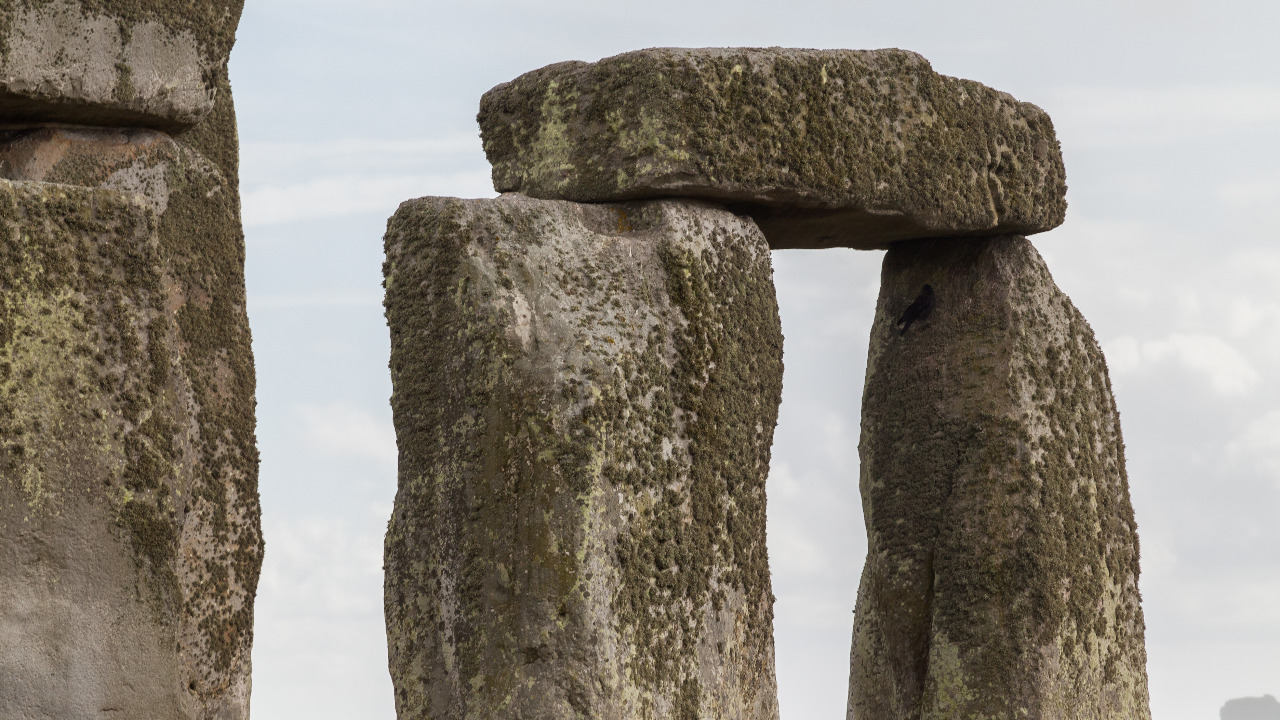
The revelation of a new monument at Stonehenge, discovered using advanced archaeological techniques, has astounded historians and archaeologists alike. This newly uncovered structure is approximately ten times larger than the original Stonehenge, with estimates suggesting it spans a vast area, dwarfing the familiar circle of standing stones. The dimensions of this colossal structure indicate a level of architectural skill and societal organization previously unrecognized.
Archaeologists employed cutting-edge technologies such as ground-penetrating radar and 3D scanning to uncover this hidden marvel. These methods allowed researchers to peer beneath the earth without disturbing the site, offering a detailed visualization of the monument’s scope and design. The initial reactions from the archaeological community have been ones of awe and excitement, as this discovery promises to significantly enhance our understanding of the engineering capabilities and societal structures of early civilizations.
For further insights into this groundbreaking find, you can explore a detailed report from CNN, which highlights the implications of this remarkable discovery.
Engineering Marvels of the Past
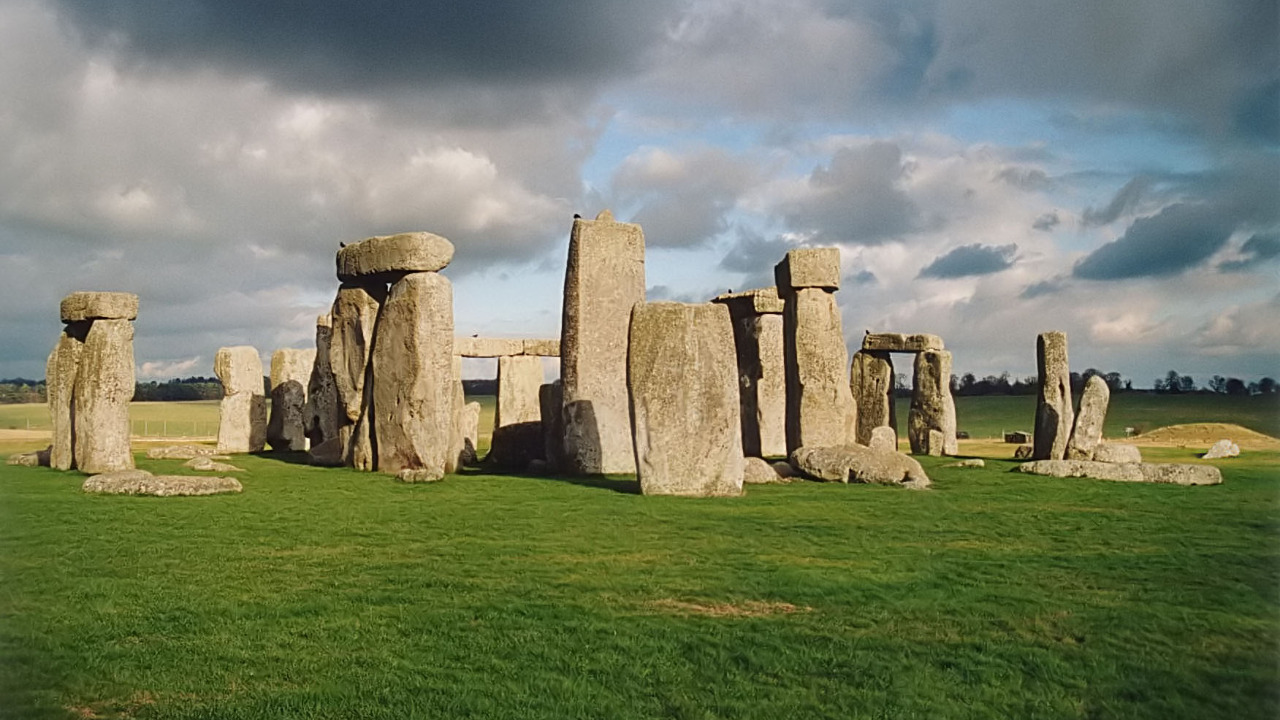
The construction of such a massive monument raises intriguing questions about the techniques and resources available to prehistoric builders. It is likely that these early architects employed a combination of ingenuity and sheer human labor to transport and erect the massive stones. Scholars suggest that techniques similar to those used at Stonehenge itself, involving ropes, wooden sledges, and possibly even earthen ramps, could have been employed.
Comparisons to other megalithic structures, such as the enigmatic stone alignments at Carnac in France, offer fascinating parallels. These sites, much like Stonehenge, reflect the extraordinary capabilities of ancient societies to manipulate massive stones using what we would now consider primitive tools. For more on the history and scale of these European megaliths, Blanquivioletas provides an informative overview.
The role of human labor in these monumental projects cannot be understated. Such endeavors would have required a well-organized workforce, likely involving hundreds, if not thousands, of individuals working in unison. This level of coordination suggests a highly structured society with the capability to mobilize resources on a grand scale.
Cultural and Societal Implications
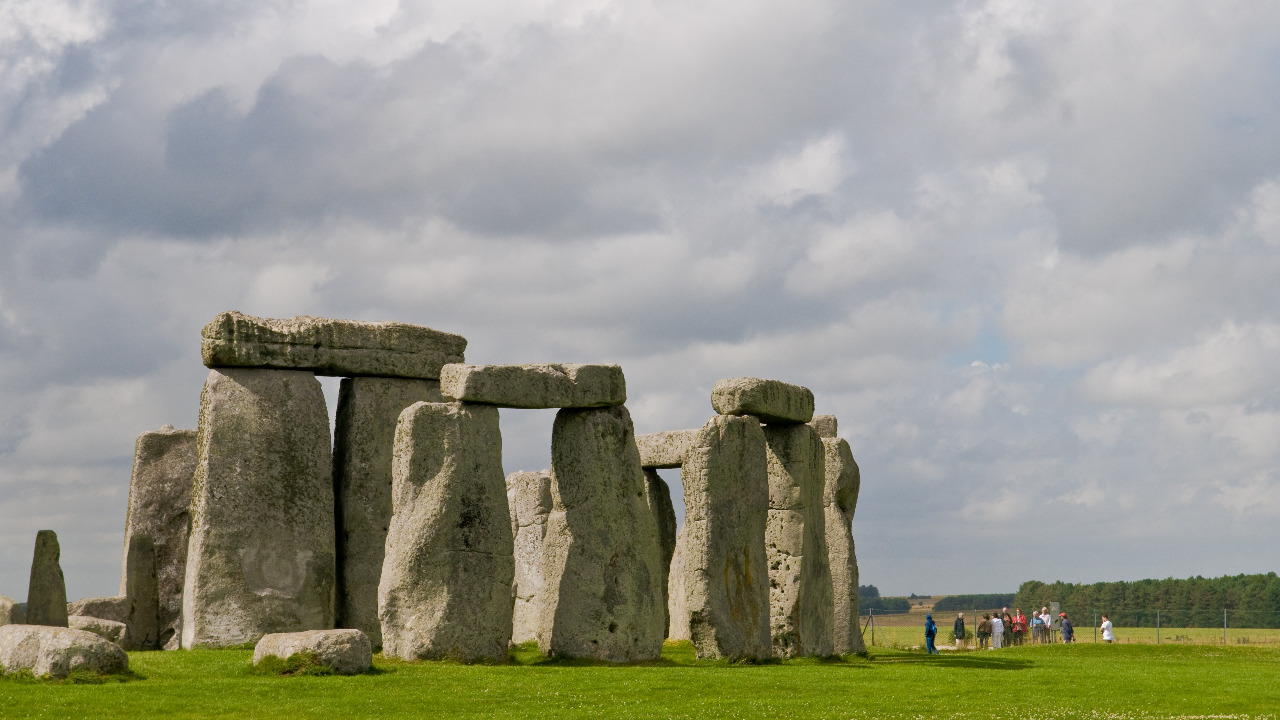
The purpose of this newly discovered monument remains a subject of speculation among archaeologists. It may have served as a ceremonial or religious site, reflecting the cultural and spiritual beliefs of the community that built it. Alternatively, it could have been a center for social gatherings or political activities, indicating a complex societal structure.
To undertake such a massive construction project, the society responsible would have needed advanced organizational skills and a well-defined social hierarchy. This discovery offers new insights into the social and political dynamics of the time, suggesting a level of sophistication in governance and resource management that challenges previous assumptions about early civilizations.
The implications of this find extend to our understanding of ancient cultural practices and beliefs. By unraveling the purpose and function of the monument, historians hope to gain a deeper appreciation for the values and priorities of the people who built it.
The Role of Technology in Archaeology
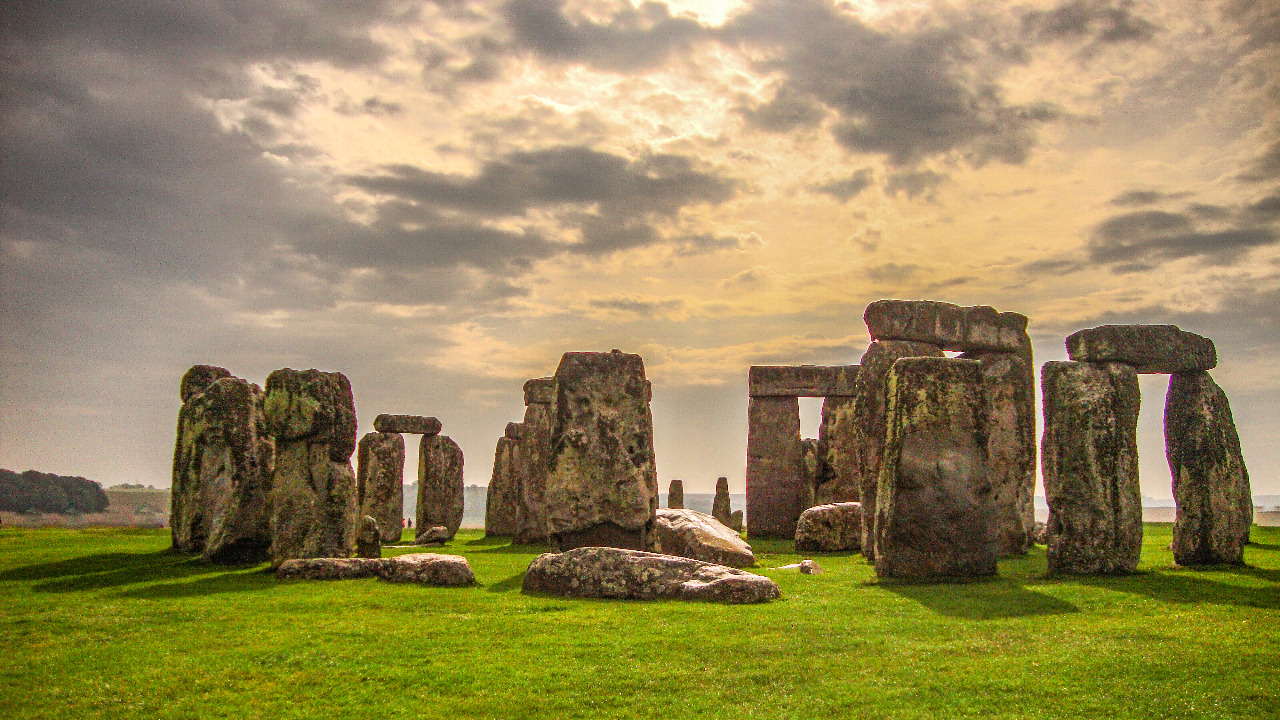
The discovery of this massive monument at Stonehenge highlights the transformative impact of modern technology on archaeological practices. Techniques such as ground-penetrating radar, lidar, and advanced data analysis have revolutionized the way archaeologists explore and document historical sites.
This technological revolution is not limited to Stonehenge. Other archaeological sites worldwide have benefited from similar advancements, revealing hidden features and structures that were previously inaccessible. For instance, the use of lidar technology in Central America has uncovered vast networks of ancient Mayan cities beneath dense jungle canopies.
Looking ahead, the future of archaeological discoveries appears promising. As technology continues to evolve, the potential for uncovering more hidden structures and gaining new insights into our past grows exponentially. To learn more about how technology played a crucial role in the discovery at Stonehenge, visit Born to Engineer.
Redefining Stonehenge’s Legacy
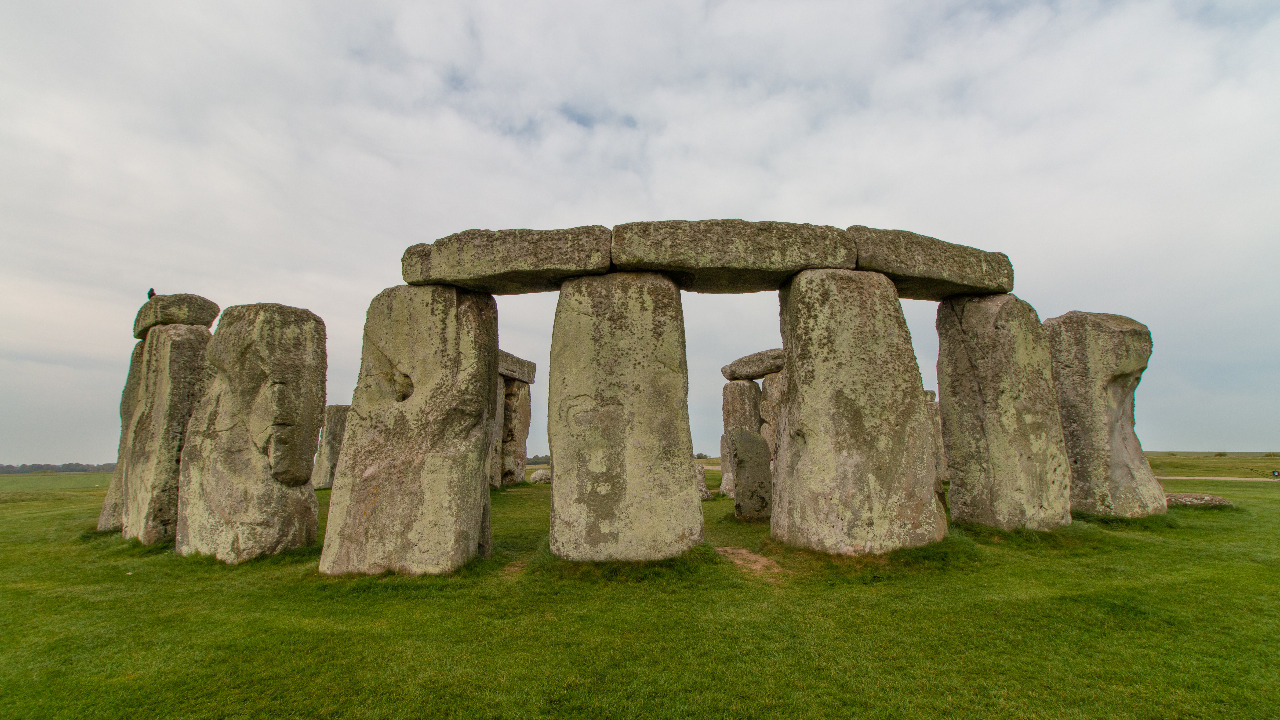
The discovery of this colossal monument at Stonehenge has the potential to redefine our understanding of the site’s historical narrative. It challenges long-held assumptions about the capabilities and achievements of its builders, suggesting a level of sophistication and ambition that was previously unrecognized.
This new understanding may also influence tourism and educational approaches to Stonehenge. As researchers continue to explore and document the site, there is potential for the development of new exhibits and interpretive materials that highlight the site’s expanded historical significance. For a visual exploration of this discovery, you can view a captivating video on MSN.
Ongoing research and future excavations are planned to further explore this monumental site. As archaeologists continue to unearth new evidence and insights, our appreciation for the ingenuity and achievements of ancient civilizations will undoubtedly deepen, enriching our understanding of human history.
