A colossal asteroid once struck the North Sea, triggering a 330-foot tsunami that dramatically altered the ancient coastline. This cataclysmic event is now linked to the formation of the Silverpit Crater, a submerged structure discovered through oil exploration data. The impact, confirmed to have occurred 45 million years ago, offers a stark reminder of the potential devastation asteroid collisions can inflict, drawing parallels to modern near-misses such as a recent asteroid that grazed Earth and was only detected hours after its closest approach.
The Silverpit Crater Discovery
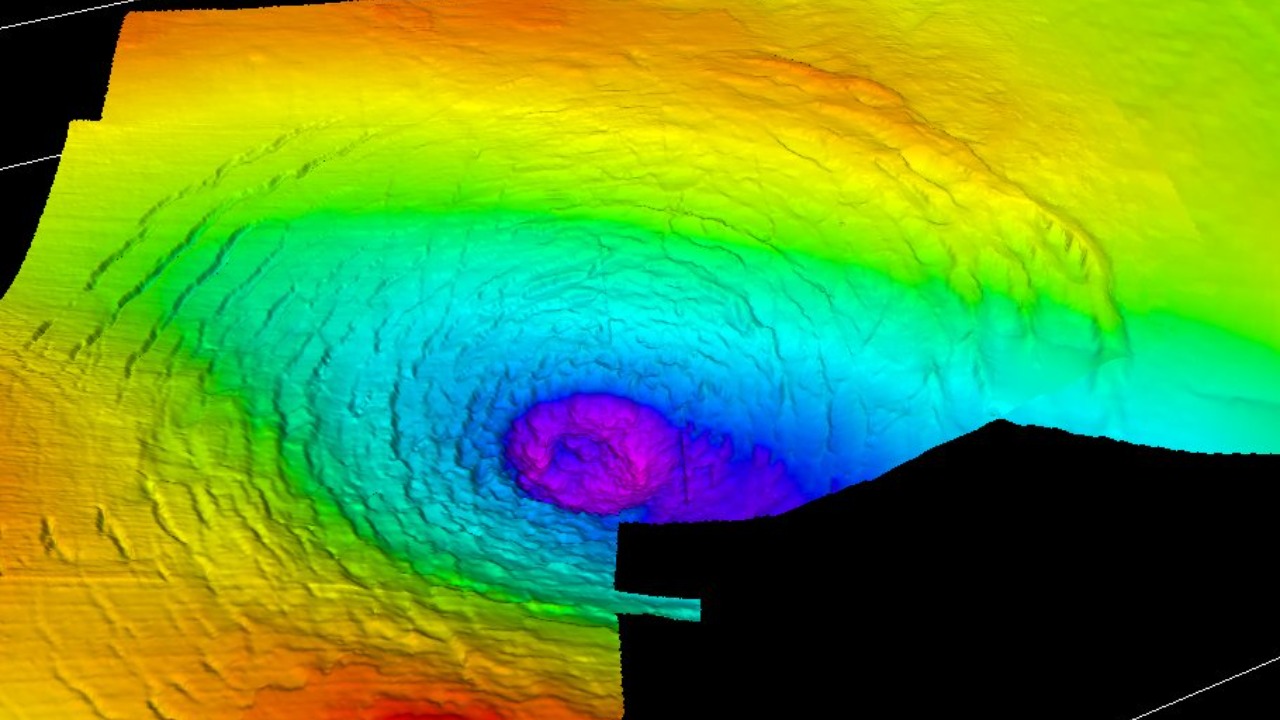
The Silverpit Crater was initially detected during a seismic survey conducted for oil exploration in the North Sea. This submerged structure, measuring approximately 12 miles wide, was formed by an asteroid roughly 1.2 miles in diameter, according to recent findings. The impact was dated to 45 million years ago via radiometric analysis of surrounding sediments, confirming the ancient origins of this significant geological feature.
Asteroid Impact Mechanics
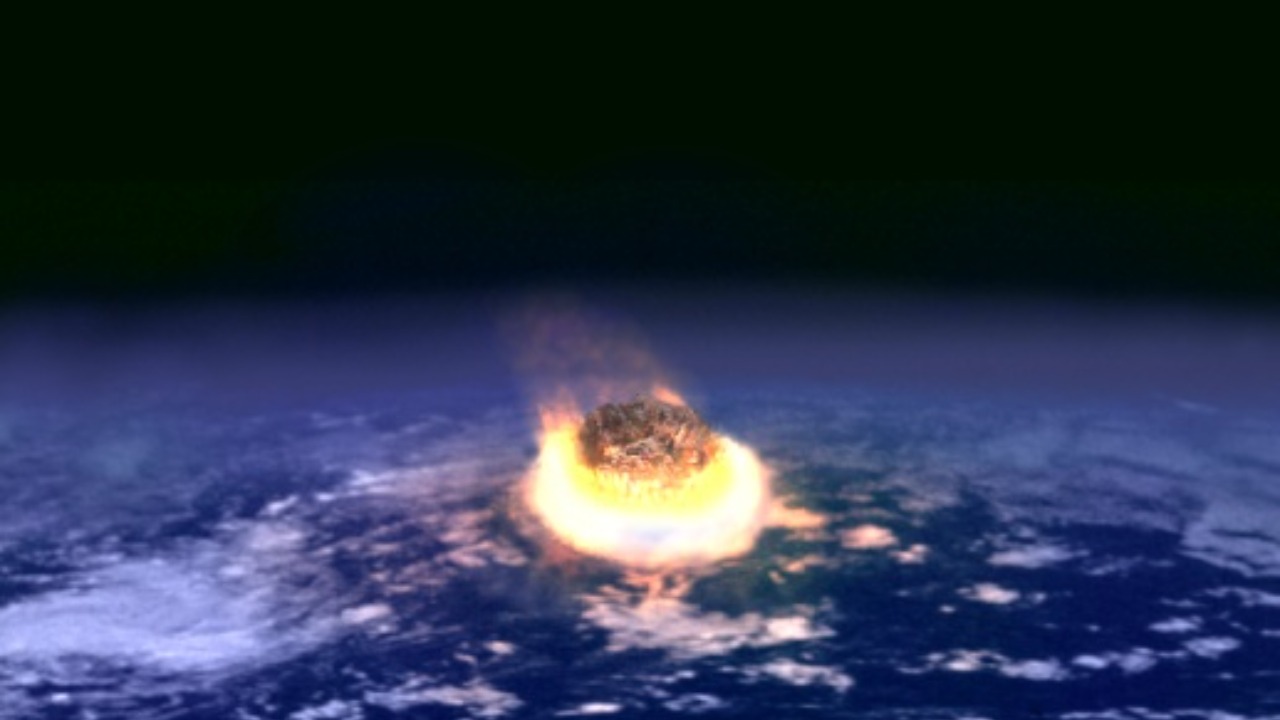
The asteroid’s trajectory and velocity upon striking the North Sea were nothing short of catastrophic. It is estimated that the asteroid was traveling at over 40,000 miles per hour when it made contact with Earth, according to SciTechDaily. The energy release from the impact was equivalent to billions of tons of TNT, vaporizing rock and ejecting debris across Europe, as reported by MSN. This colossal force led to the formation of the Silverpit Crater through a process involving a rebound central uplift and rim collapse within seconds of impact.
The Resulting Tsunami
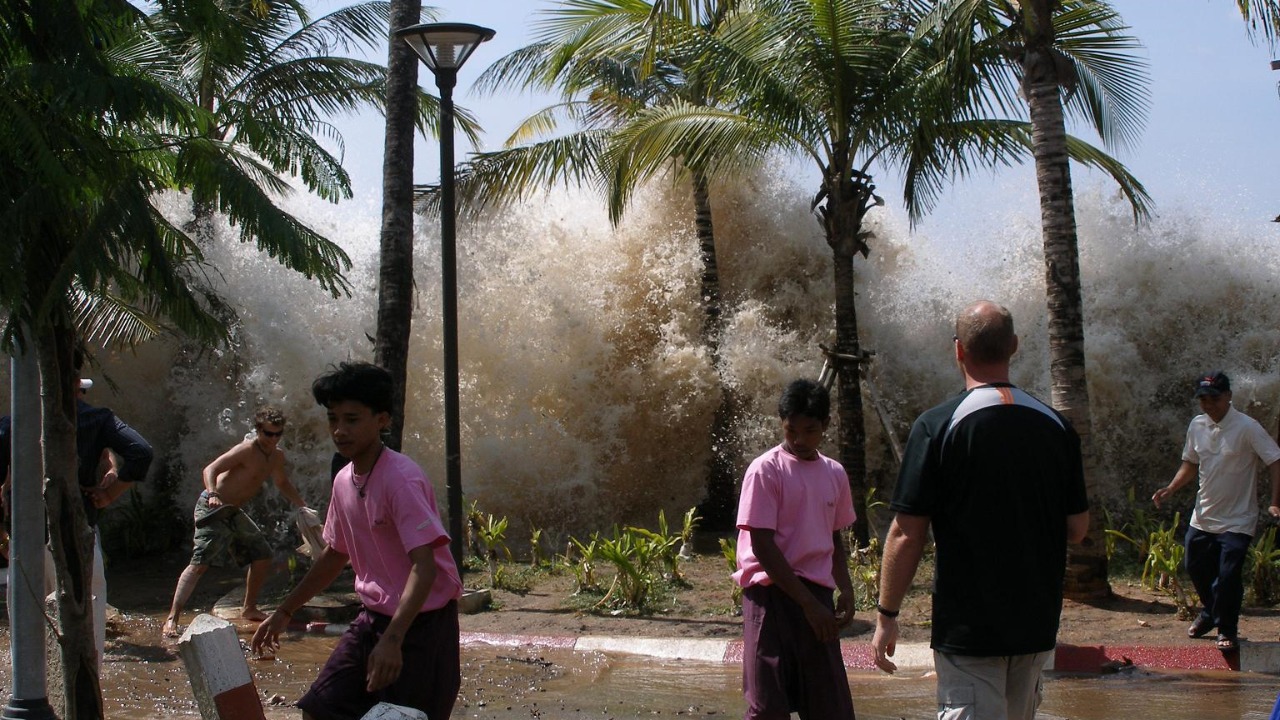
The asteroid’s plunge into the shallow North Sea waters triggered a tsunami of an unimaginable scale. The height of the wave reached 330 feet, surging inland up to 100 miles and depositing sediments as far as modern-day Scotland. The tsunami’s effects were not limited to reshaping the coastline; it also caused significant disruptions to marine life. Paleontological evidence suggests mass die-offs of prehistoric sea life due to the turbulent waters, as reported by SciTechDaily.
Geological Evidence and Confirmation

Further confirmation of the asteroid impact comes from geological evidence found in North Sea core samples. These include shocked quartz and tektites, hallmarks of hypervelocity impact. Stratigraphic layers also show iridium anomalies consistent with extraterrestrial material from 45 million years ago, as reported by MSN. Recent modeling using computer simulations has helped verify the asteroid’s size and the scale of the tsunami, further solidifying the evidence for this ancient event.
Environmental and Biological Impacts

The asteroid impact had profound immediate and long-term effects on the environment and biological life. The North Sea impact resulted in global dust clouds that blocked sunlight for months, as reported by MSN. Despite the initial devastation, fossil records indicate a rebound in marine biodiversity post-tsunami. The 330-foot waves also reshaped the ancient coastlines, eroding them and creating new sedimentary basins.
Modern Parallels and Detection Challenges

The Silverpit event offers a sobering comparison to recent asteroid encounters. In October 2025, an asteroid grazed Earth, passing undetected until hours after its closest approach, as reported by Daily Galaxy. Since the Silverpit event, advancements in asteroid tracking have been made, including NASA’s Sentry system, which monitors potential impacts. Despite these advancements, the risk of similar North Sea-scale events remains, underscoring the importance of improved seismic networks for early crater identification.
Scientific Implications for Future Research

The Silverpit Crater continues to be a focus of scientific exploration and research. Ongoing expeditions aim to drill the crater for direct impactor samples, as reported by SciTechDaily. The 45 million-year-old event also informs planetary defense strategies against potential 330-foot tsunami-generating strikes. Interdisciplinary studies combining geology and oceanography are being conducted to model ancient tsunamis, further enhancing our understanding of these catastrophic events and their potential future risks.
