The wreckage of a ‘ghost ship’ schooner that sank nearly 140 years ago has been discovered in Lake Michigan, marking a significant find in the history of maritime archaeology.
The discovery of this ‘ghost ship’ is a testament to the enduring allure of maritime mysteries and the relentless pursuit of knowledge by explorers and archaeologists. The ship, which has been lying undisturbed at the bottom of Lake Michigan for nearly 140 years, is a silent witness to a bygone era of maritime history. Its discovery opens up a treasure trove of potential insights into the shipbuilding techniques, navigational practices, and life at sea during the time it was operational.
Discovery of the Shipwreck
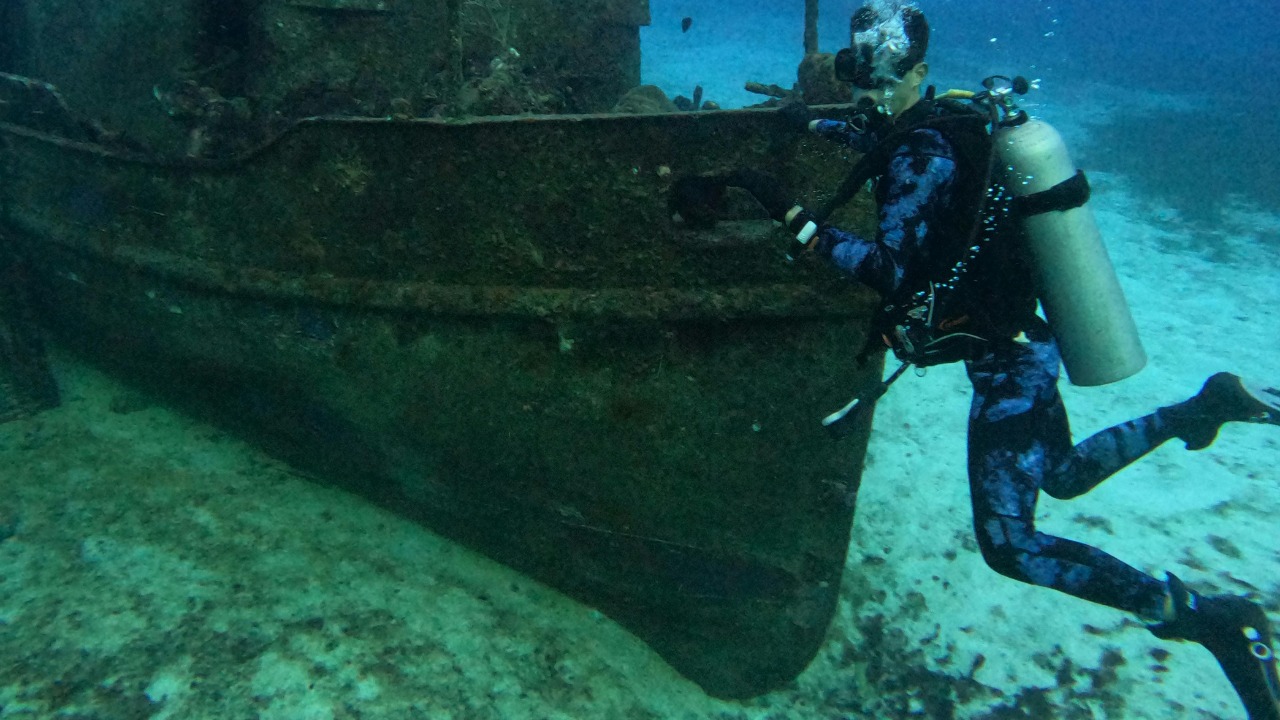
The discovery of the shipwreck was a momentous occasion for the team of explorers who had been tirelessly searching for the elusive ‘ghost ship’. The team, as reported by the New York Post, was ecstatic to finally uncover the remnants of the ship that had been lost to the depths of Lake Michigan for nearly a century and a half.
The shipwreck was discovered in a specific location within Lake Michigan, as detailed by the Washington Post. The exact location has not been disclosed to the public to protect the site from potential damage or unauthorized exploration.
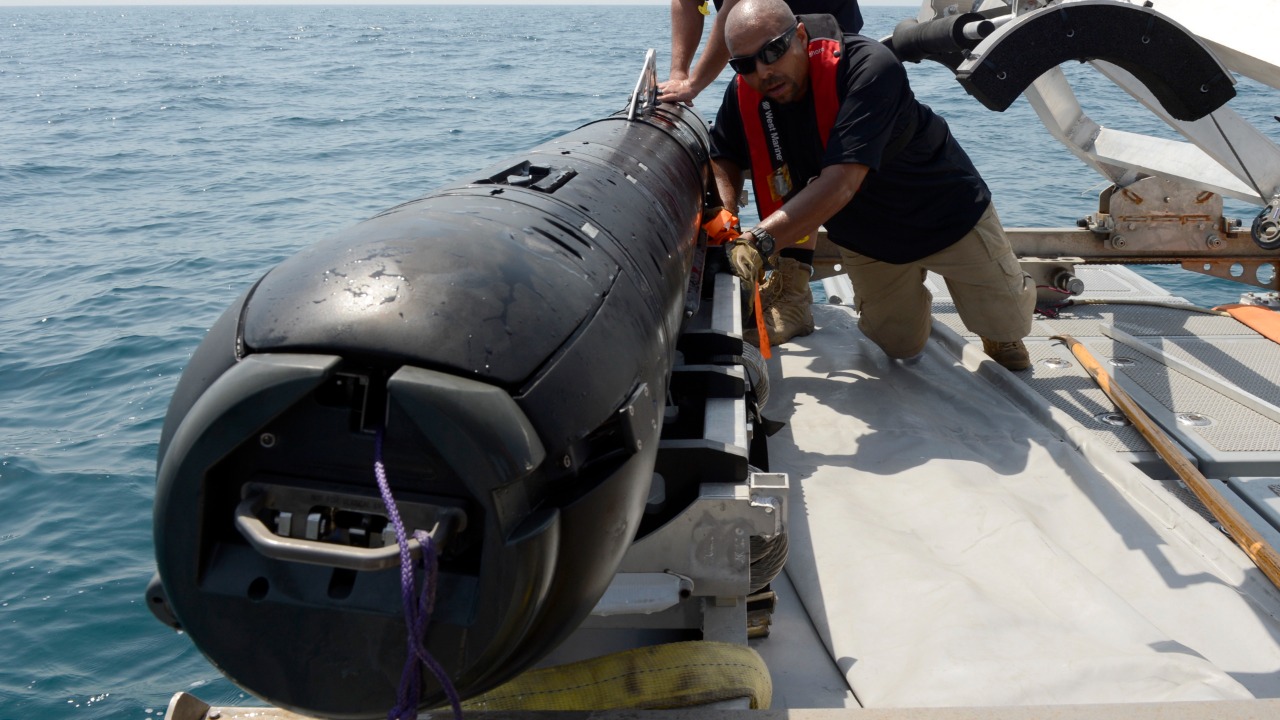
The discovery was made possible through the use of advanced technology and methods. According to AP News, the team utilized sonar technology and underwater drones to locate and confirm the existence of the ‘ghost ship’.
The team’s dedication and the use of cutting-edge technology were instrumental in this discovery. The underwater drones used by the team were equipped with high-resolution cameras and powerful lights to penetrate the murky depths of Lake Michigan. These drones were able to capture detailed images of the shipwreck, providing the first visual confirmation of the ‘ghost ship’ in its watery grave.
The use of sonar technology was also crucial in the discovery. Sonar, which uses sound waves to detect and locate objects underwater, helped the team map the lake bed and identify anomalies that could indicate the presence of a shipwreck. This technology allowed the team to narrow down their search area and focus their efforts, leading to the successful discovery of the ‘ghost ship’.
Historical Significance of the ‘Ghost Ship’
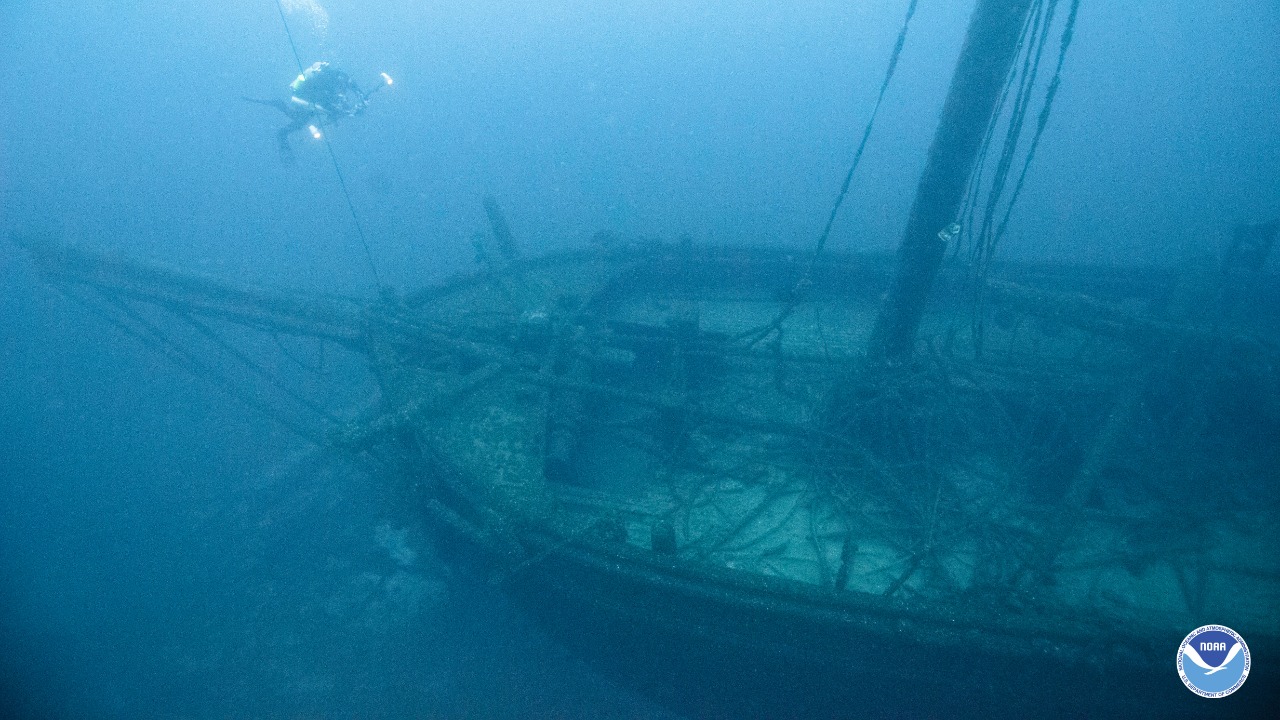
The schooner has a rich historical background. As per News Nation Now, the ship sank nearly 140 years ago under circumstances that remain a mystery to this day. The ship’s history and the circumstances of its sinking have been the subject of numerous theories and speculations, adding to its allure as a ‘ghost ship’.
The discovery of the shipwreck holds significant importance in the context of maritime history and archaeology. According to CNN, the find provides a unique opportunity to study and understand the maritime practices of the past, and the ship itself serves as a tangible link to our maritime heritage.
There have been other similar discoveries in the past, but this find stands out due to the age and the mystery surrounding the ship. The Washington Post notes that the discovery of the ‘ghost ship’ adds a new chapter to the rich history of shipwrecks in Lake Michigan.
The ‘ghost ship’ is a tangible link to a time when schooners were the workhorses of the Great Lakes, carrying cargo and passengers across these vast bodies of water. The ship’s design, construction, and materials can provide valuable insights into the shipbuilding industry of the time. Furthermore, any artifacts found on board could shed light on the lives of the people who sailed on these ships, their occupations, and their daily routines.
The mystery surrounding the ship’s sinking adds another layer of intrigue to its story. The lack of historical records about the ship’s final voyage and the circumstances of its sinking have fueled speculation and theories. Some suggest a sudden storm, while others propose navigational errors or equipment failure. The ongoing research and exploration of the shipwreck could potentially solve this mystery, adding another piece to the puzzle of our maritime past.
Future Steps and Implications
Following the discovery, there are plans for further exploration and research on the shipwreck. As reported by AP News, the team intends to conduct more detailed studies to uncover the ship’s secrets and learn more about its history.
The discovery has potential implications for the field of maritime archaeology. As noted by CNN, the find could lead to new insights into shipbuilding techniques and maritime practices of the past, contributing to our understanding of maritime history.
There are also plans to preserve the ‘ghost ship’ and potentially display it for public viewing. According to the New York Post, the team is exploring options to ensure the shipwreck is preserved for future generations, while also considering ways to make it accessible to the public, either through virtual tours or a museum display.
The team’s future plans involve a careful and systematic exploration of the shipwreck. This will likely involve more dives with underwater drones, detailed mapping of the shipwreck site, and possibly the recovery of artifacts for further study. Each step will be carried out with the utmost respect for the historical significance of the ‘ghost ship’ and the need to preserve its integrity for future generations.
The potential for public viewing of the ‘ghost ship’, either through virtual tours or a museum display, is an exciting prospect. It would allow the public to share in the thrill of discovery and gain a deeper appreciation for our maritime heritage. However, any such plans would need to balance the need for public access with the need to protect and preserve the shipwreck. The team is committed to ensuring that the ‘ghost ship’ continues to serve as a valuable resource for understanding our past, long after its discovery.
