German engineers have recently achieved a groundbreaking milestone by testing a hydrogen-powered jet engine capable of running at full thrust without emitting any carbon emissions. This innovation marks a significant step towards sustainable aviation, paving the way for cleaner skies and a substantial reduction in aviation’s carbon footprint. The successful test demonstrates the potential for hydrogen technology to revolutionize the aerospace industry.
The Breakthrough in Hydrogen Jet Technology
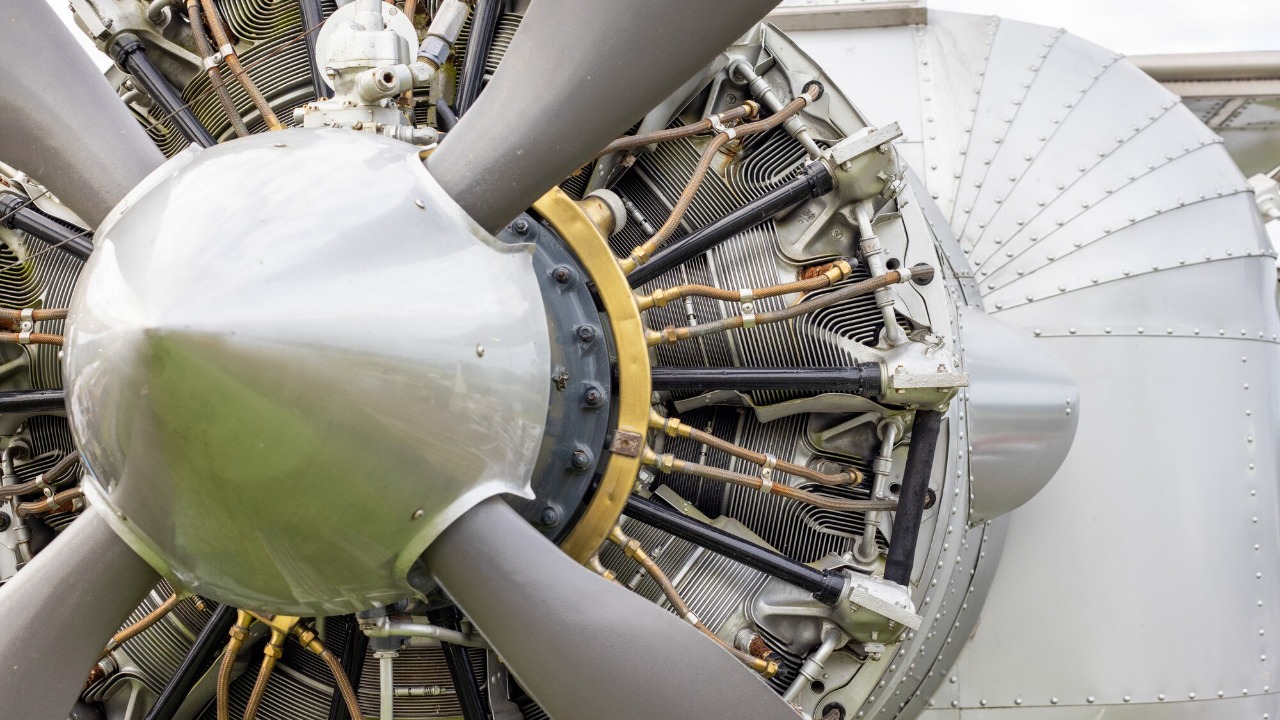
The hydrogen-powered jet engine, recently tested by German engineers, represents a significant leap in aerospace technology. Unlike conventional jet engines that rely on fossil fuels, this engine uses hydrogen as its primary energy source. The design incorporates advanced materials and innovative combustion techniques to ensure efficient energy conversion. By utilizing hydrogen, the engine not only eliminates carbon emissions but also demonstrates improved efficiency, offering a glimpse into a more sustainable future for aviation.
Overcoming engineering challenges was crucial in achieving this breakthrough. Engineers had to address critical issues such as hydrogen storage, fuel cell efficiency, and thermal management. The development process involved rigorous testing and iteration to refine the engine’s components and achieve optimal performance. The use of lightweight materials and cutting-edge engineering practices helped overcome these challenges, resulting in an engine that can compete with traditional models in terms of power and reliability.
When compared to traditional jet engines, the hydrogen-powered variant offers clear advantages. Conventional engines contribute significantly to carbon emissions, whereas hydrogen engines operate without releasing CO2 into the atmosphere. Moreover, the efficiency of hydrogen engines potentially surpasses that of fossil fuel-based engines, making them an attractive alternative for the future of aviation. A study highlights the innovative design space exploration that contributes to this efficiency.
Environmental Implications of Carbon-Free Aviation

The aviation industry is a major contributor to carbon emissions, accounting for approximately 2-3% of global CO2 emissions. As the industry grows, so does its environmental impact. Carbon-free aviation, powered by hydrogen technology, presents a promising solution to mitigate these emissions. By eliminating carbon emissions from jet engines, the adoption of hydrogen-powered aircraft can significantly reduce the aviation sector’s carbon footprint, aligning with global efforts to combat climate change.
The potential environmental benefits of hydrogen-powered jets are immense. Not only do they eliminate carbon emissions, but they also reduce other harmful pollutants, such as nitrogen oxides (NOx). This reduction in pollutants can lead to improved air quality and decreased health risks for communities near airports. Additionally, hydrogen-powered jets could play a pivotal role in achieving international sustainability goals, such as the targets set by the Paris Agreement.
Hydrogen technology’s contribution to global sustainability is further underscored by initiatives like Airbus’s “Blue Condor”, which aims to develop hydrogen-powered aircraft for commercial use. Such projects highlight the role of hydrogen in transforming aviation into a cleaner, more sustainable industry.
Hydrogen Fuel: The Future of Clean Aviation

Hydrogen fuel is derived from various sources, including natural gas, biomass, and water through electrolysis. The production of hydrogen through electrolysis, powered by renewable energy sources like wind and solar, offers a truly sustainable fuel option for aviation. This method not only ensures a low carbon footprint but also paves the way for the widespread adoption of hydrogen as a clean energy source.
Despite its promise, the hydrogen supply chain for aviation faces several challenges. Infrastructure for hydrogen production, storage, and distribution needs significant development to support the aviation industry’s needs. However, these challenges also present opportunities for innovation and investment in hydrogen technology. Companies and governments worldwide are investing in hydrogen infrastructure, recognizing its potential to revolutionize the energy landscape.
There are already several ongoing projects exploring the use of hydrogen in aviation. For instance, Airbus is actively working on hydrogen-powered aircraft, with plans to have a zero-emission commercial aircraft by 2035. Such efforts demonstrate the progress being made and the potential for hydrogen to become the aviation fuel of the future.
Economic and Industry Impact

The transition to hydrogen-powered aviation holds significant economic potential for airlines and manufacturers. By adopting hydrogen technology, airlines can reduce fuel costs and comply with stricter environmental regulations, leading to long-term financial benefits. Moreover, the shift to hydrogen-powered aircraft could stimulate growth in the aerospace industry, creating new markets and opportunities for innovation.
In addition to economic benefits, the adoption of hydrogen technology is likely to impact the job market in the aerospace sector. As the industry shifts towards greener technologies, there will be a growing demand for skilled professionals in hydrogen production, storage, and aircraft design. This transition could lead to the creation of new jobs and the need for reskilling programs to equip the workforce with the necessary expertise.
Market predictions suggest a promising future for hydrogen aviation. As more companies invest in hydrogen technology, the aviation industry is expected to see a gradual shift towards cleaner, more sustainable practices. The development of hydrogen-powered aircraft could lead to a significant transformation in the industry’s landscape, aligning with global efforts to reduce carbon emissions and promote sustainable growth.
Global Response and Future Prospects
Interest in hydrogen aviation technology is growing worldwide, with international collaborations emerging to accelerate its development. Countries such as Germany, France, and Japan are investing heavily in hydrogen research and development, recognizing its potential to transform the aviation industry. These collaborations aim to share knowledge and resources, fostering innovation and driving progress in hydrogen technology.
Policy and regulatory considerations are crucial for the adoption of hydrogen-powered aircraft. Governments and regulatory bodies must establish clear guidelines and standards to ensure the safe and efficient integration of hydrogen technology into aviation. This includes addressing issues related to safety, infrastructure development, and certification processes for hydrogen-powered aircraft.
Looking ahead, the future prospects for hydrogen aviation appear promising. As technology advances and infrastructure develops, hydrogen-powered aircraft are expected to become a viable option for commercial aviation. With continued investment and collaboration, the next decade could witness significant milestones in hydrogen aviation, bringing us closer to a sustainable future for air travel.
