German researchers have unveiled a groundbreaking regenerative gel for orthopedics, offering a revolutionary approach to joint cartilage regeneration. This innovation promises to eliminate the need for traditional surgery, implants, and reliance on heavy painkillers, marking a significant advancement in medical science.
The Science Behind the Regenerative Gel

The regenerative gel developed by German scientists is an innovative blend of biomaterials designed to mimic the natural environment of joint cartilage. It acts as a scaffold that supports the body’s own cells in regenerating damaged cartilage. The gel contains a mixture of proteins and polysaccharides that interact with the body’s cells to stimulate growth and repair. This composition is crucial because it not only provides a physical structure for new tissue growth but also releases biochemical signals that encourage cellular activity.
What sets this gel apart from existing treatments is its unique ability to integrate seamlessly with the body’s natural processes. Traditional methods often rely on surgical intervention or implants, which can be invasive and come with significant recovery times and risks. In contrast, the regenerative gel facilitates natural healing by working harmoniously with the body’s biological mechanisms. This means that the treatment is less intrusive, with potentially fewer side effects and a more rapid recovery. Furthermore, this approach is different from current orthopedic treatments that often involve synthetic materials or rely heavily on pain management.
Clinical Trials and Research Outcomes

The clinical trials for this regenerative gel have yielded promising results. Conducted across several research centers in Germany, these trials involved participants with varying degrees of cartilage damage. The outcomes were remarkable, with many patients reporting significant improvements in joint function and pain reduction. In fact, some participants experienced near-complete regeneration of cartilage, a feat previously thought unattainable without surgical intervention.
Testimonials from trial participants highlight the transformative impact of the gel. Patients who were once reliant on painkillers or faced the prospect of surgery now find themselves enjoying improved mobility and a better quality of life. Medical professionals involved in the trials have also expressed optimism about the gel’s potential, noting its efficacy and safety profile. Statistical data from the trials underscore these sentiments, with a significant percentage of participants experiencing positive outcomes. According to reports, the incidence of adverse effects was minimal, further bolstering the gel’s appeal as a safe alternative to conventional treatments.
Benefits Over Traditional Treatments
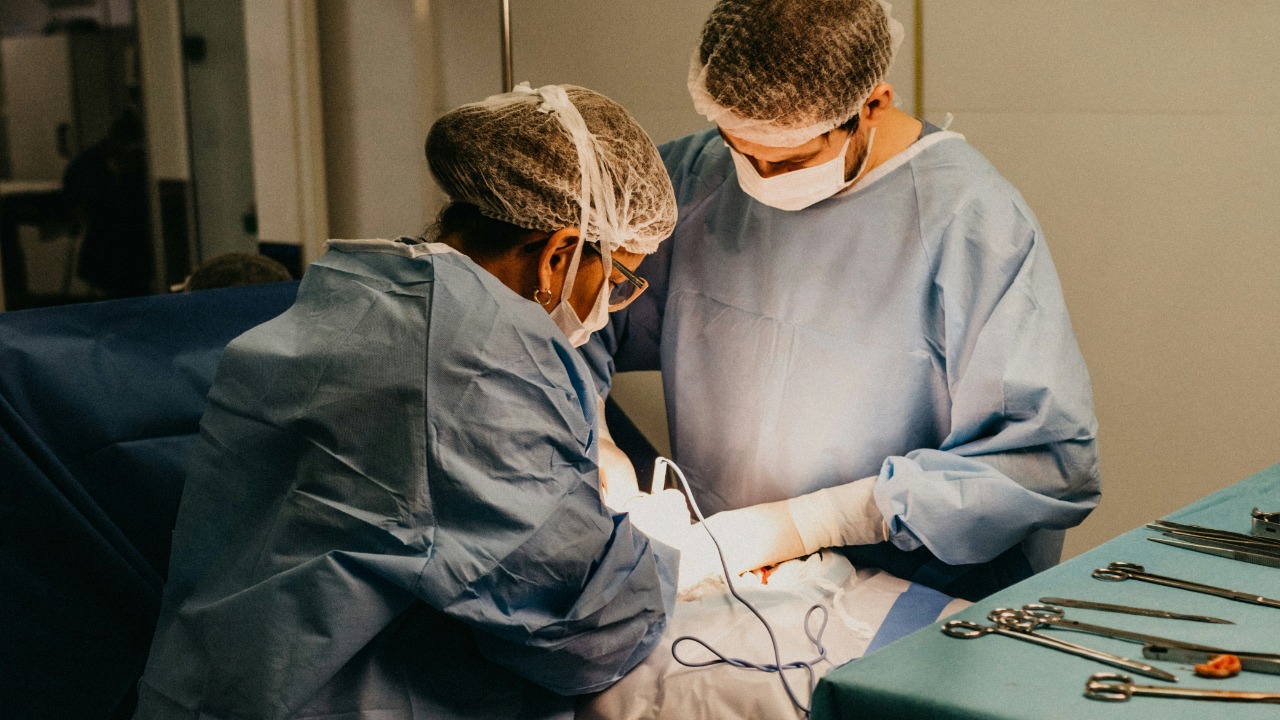
One of the most significant advantages of the regenerative gel is its ability to reduce or even eliminate the need for invasive surgical procedures. Surgeries carry inherent risks, such as infections and long recovery periods, and can place a considerable physical and emotional burden on patients. By providing a less invasive treatment option, the regenerative gel offers a safer and more patient-friendly alternative.
Additionally, the gel’s application could potentially minimize or avoid the need for heavy pain medications, which often come with unwanted side effects and the risk of dependency. Many patients undergoing traditional treatments must rely on painkillers to manage discomfort, but the gel’s regenerative properties address the root cause of the pain—damaged cartilage—thus reducing the need for such medications. Over the long term, patients can expect improved joint function and enhanced quality of life, as the gel promotes lasting cartilage regeneration rather than temporary symptom relief.
Challenges and Future Prospects

Despite the promising results, the widespread implementation of the regenerative gel faces certain challenges. One significant hurdle is the cost of production and distribution, which could limit accessibility for some patients initially. Additionally, regulatory approvals are required in different countries, which can be a time-consuming process. Ongoing research aims to address these issues by improving the gel’s cost-effectiveness and ensuring compliance with global health standards.
Future research directions are focused on enhancing the gel’s effectiveness and expanding its application to other types of cartilage damage. Scientists are exploring ways to optimize the gel’s formulation and delivery method to maximize its regenerative potential. The long-term vision is to integrate this technology into mainstream orthopedic practices worldwide, potentially transforming the way joint cartilage injuries are treated.
The potential impact on the global healthcare system is considerable. By reducing the need for surgeries and pain medications, the regenerative gel could lead to substantial cost savings for healthcare providers and patients alike.
Implications for Patients and Healthcare Providers

This groundbreaking innovation could significantly transform patient care and treatment protocols in orthopedics. Patients who previously had limited options for cartilage repair could now access a treatment that is not only effective but also less invasive and more aligned with the body’s natural healing processes. This shift could lead to faster recovery times, decreased reliance on pain medication, and overall improved patient outcomes.
For healthcare providers, the introduction of the regenerative gel may necessitate updates in treatment protocols and patient education. Providers will play a crucial role in guiding patients through this new treatment landscape, emphasizing the benefits and potential risks associated with the gel. Additionally, as the technology becomes more widely available, healthcare costs could decrease, potentially improving treatment accessibility for a broader range of patients.
In conclusion, the development of this regenerative gel marks an exciting new chapter in orthopedic medicine. As further research and development continue, the hope is that this innovation will become a standard treatment option, offering patients a more effective and less invasive solution for joint cartilage regeneration. For additional insights and updates on this breakthrough, visit this source.
