Recent advancements in genetic engineering have made it possible for scientists to revive species on the brink of extinction. A team of geneticists has successfully brought back a near-extinct American species, marking a significant milestone in conservation efforts and de-extinction science.
The Science of De-Extinction

Understanding Genetic Resurrection
The concept of genetic resurrection has captivated scientists and conservationists alike. At its core, this groundbreaking field utilizes sophisticated biotechnological tools such as CRISPR and cloning to bring back extinct or near-extinct species. CRISPR, a powerful gene-editing tool, allows researchers to make precise DNA modifications, while cloning involves creating a genetically identical copy of an organism. These techniques combined make it possible to reconstruct the genetic blueprint of a species and potentially reintroduce it into the wild.
Historical Precedents
While the idea of de-extinction may seem futuristic, there have been historical precedents that laid the groundwork for current efforts. Projects like the woolly mammoth project and the Tasmanian tiger have captured public imagination and demonstrated the feasibility of such endeavors. These initiatives have not only advanced the science but also sparked discussions on the ethical implications of bringing extinct species back to life.
Challenges and Limitations
Despite the progress, de-extinction science faces numerous challenges. Ethical considerations, such as the potential consequences of “playing god” with nature, are hotly debated. Ecologically, reintroduced species must be carefully managed to ensure they do not disrupt current ecosystems. Technically, obtaining viable DNA samples and replicating complex genetic structures are significant hurdles that researchers must overcome to make de-extinction a viable conservation tool.
The Species in Focus
Historical Significance
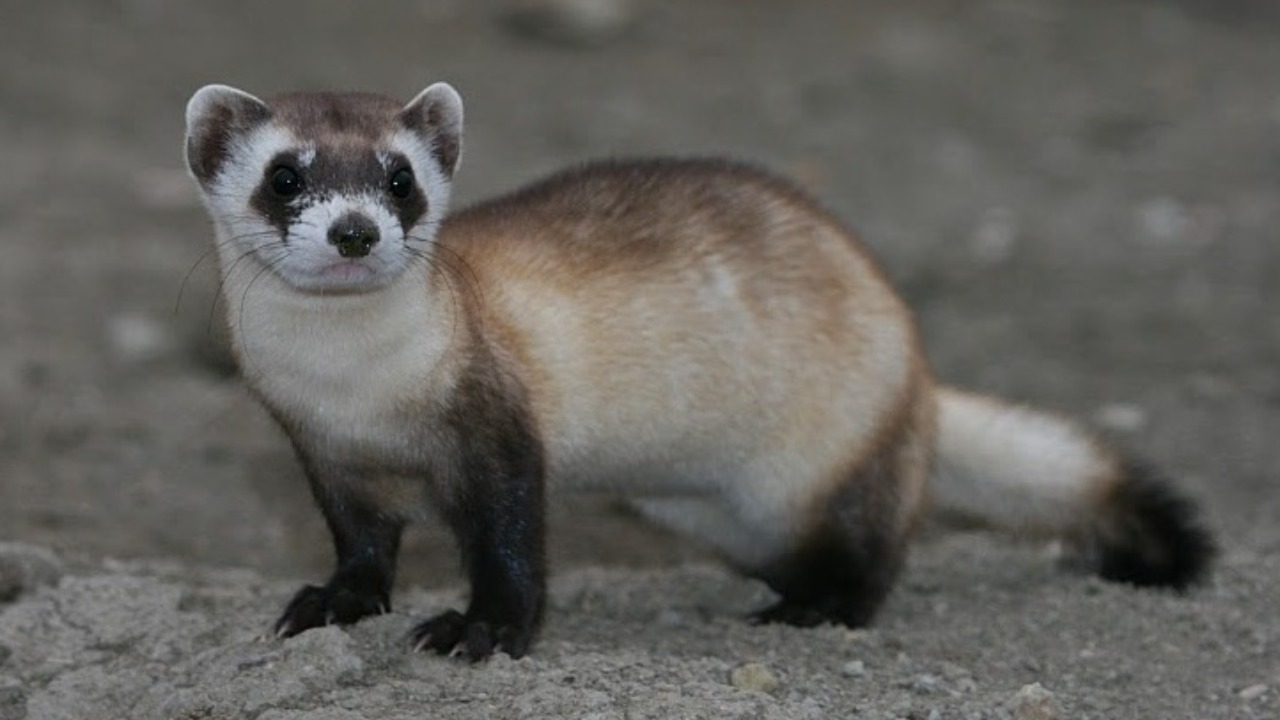
The black-footed ferret, once prolific across North America’s grasslands, is the species that has captured the attention of geneticists. Historically, this ferret played a crucial role in its ecosystem as both predator and prey, helping to maintain the balance of the prairie ecosystem. Its near-extinction was a significant loss, not just for biodiversity but also for the ecological health of its native habitat.
Causes of Near-Extinction
The decline of the black-footed ferret can be attributed to several factors. Habitat loss due to agricultural expansion, disease, and a reduction in its primary food source, prairie dogs, led to its drastic population decrease. By the late 20th century, these ferrets were thought to be extinct in the wild, prompting urgent conservation efforts to save this charismatic species.
Conservation Efforts
Previous conservation attempts paved the way for genetic intervention. Captive breeding programs and habitat protection were key strategies employed to stabilize the population. These efforts, while successful to some extent, underscored the need for innovative solutions like genetic engineering to ensure the long-term survival of the species.
The Breakthrough Moment

The Role of Geneticists
The revival of the black-footed ferret is attributed to a dedicated team of scientists who used cutting-edge genetic techniques. Their collaborative efforts marked a significant milestone in conservation science, demonstrating the potential of genetic engineering to save species on the brink of extinction.
The Process of Revival
The process of bringing back the black-footed ferret involved several intricate steps. It began with the extraction of viable DNA samples from preserved specimens. Using cloning technology, scientists created Elizabeth Ann, the first-ever cloned black-footed ferret. This breakthrough was followed by rigorous health assessments and preparations for her reintroduction into the wild.
Funding and Support
The success of this project was made possible by substantial financial and institutional support. Partnerships between governmental agencies, conservation organizations, and private donors provided the necessary resources. Notably, initiatives similar to those supporting the Colossal de-extinction funding have played a crucial role in advancing genetic science in conservation.
Ecological and Ethical Implications
Impact on Ecosystems
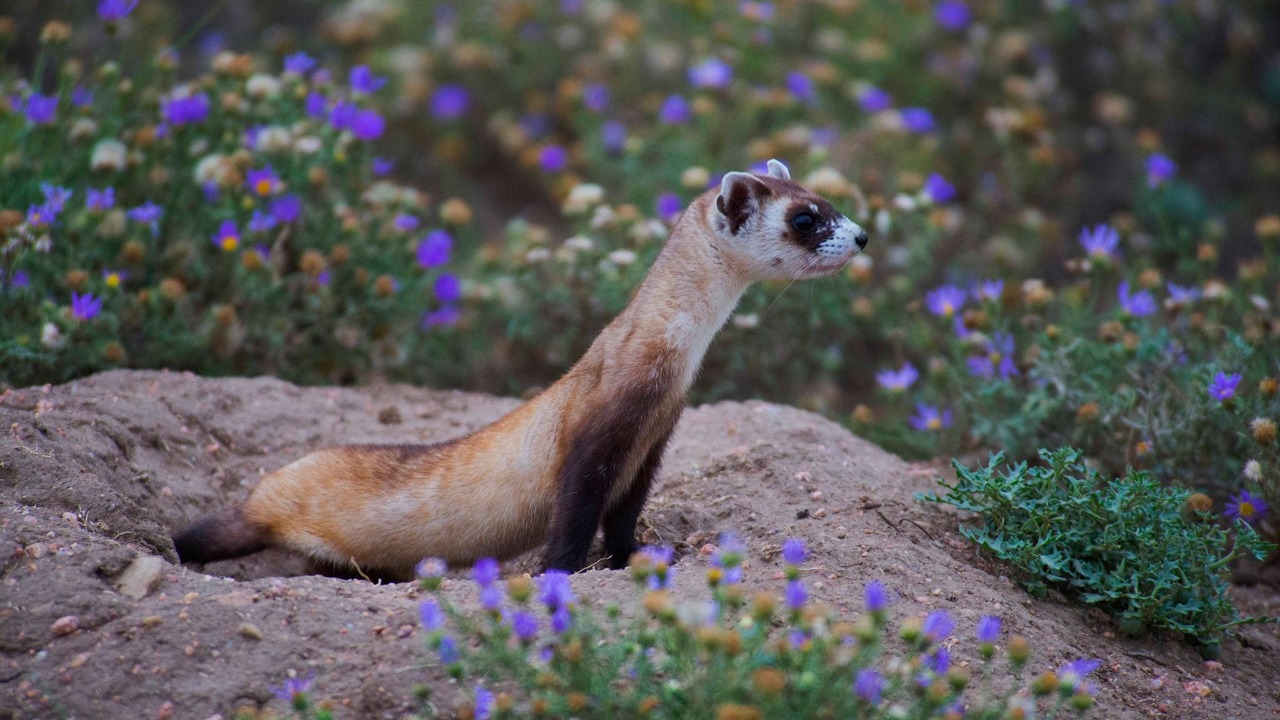
The reintroduction of the black-footed ferret holds the potential for positive ecological impacts. As a natural predator, its presence can help control the population of prairie dogs, thereby maintaining the balance of the ecosystem. However, scientists must monitor these dynamics closely to mitigate any unintended consequences on other species and habitats.
Ethical Considerations
De-extinction efforts, while promising, raise significant ethical questions. Concerns about manipulating nature and prioritizing resources for de-extinction over other conservation needs are prevalent. Ethical frameworks are essential to guide these projects to ensure they align with broader conservation goals and respect biodiversity priorities.
Future Directions
The future of de-extinction science is filled with possibilities. As techniques continue to evolve, there is potential for broader applications in biodiversity conservation and ecosystem restoration. The successful revival of the black-footed ferret serves as a model for future efforts to save endangered species and highlights the critical role genetic science can play in conservation.
Public Reception and Future Prospects
Public and Scientific Community Reactions
The revival of the black-footed ferret has been met with mixed reactions. While the scientific community celebrates the technological achievement, the general public expresses a blend of excitement and skepticism. This breakthrough has ignited discussions on the role of science in conservation and the potential implications of de-extinction.
Educational and Outreach Efforts
Efforts to educate the public about the importance and impact of de-extinction projects are crucial. Initiatives aimed at increasing awareness and understanding can foster public support and encourage informed discourse. Educational programs and media coverage help demystify the science and highlight its significance.
Long-Term Vision
Looking ahead, the successful revival of the black-footed ferret sets the stage for future conservation endeavors. It demonstrates the potential of genetic science to address biodiversity challenges and enrich our understanding of species conservation. As we continue to explore the possibilities, the long-term vision includes harnessing these innovations to protect and restore our planet’s precious ecosystems.
