As the effects of climate change continue to pose significant threats to food security worldwide, the scientific community is turning to innovative solutions. One such solution lies in gene-edited crops, which are showing promising results in Africa. These crops, modified at a genetic level, are managing to survive in conditions of extreme drought, setting the stage for a potential agricultural revolution.
The Impact of Climate Change on African Agriculture
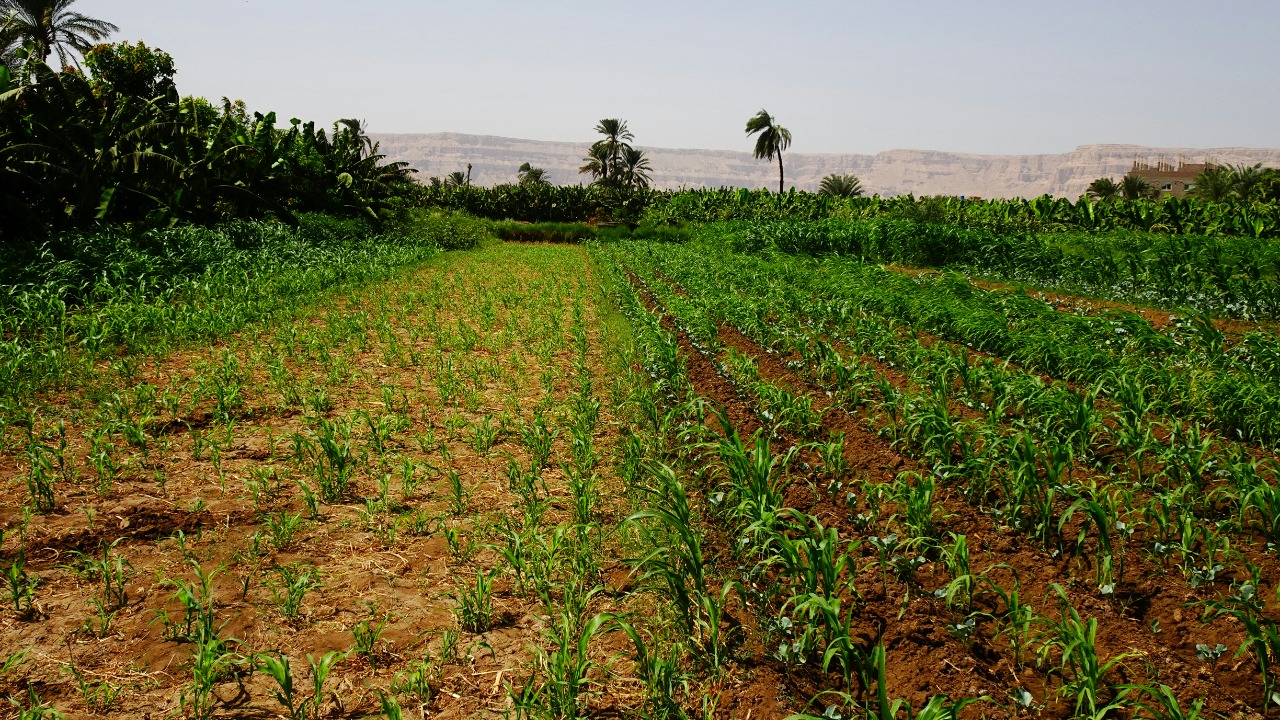
Climate change is having a profound impact on African agriculture. Changing weather patterns, including more frequent and severe droughts, are altering traditional farming practices and threatening food security. The ripple effects of these changes are felt by farmers and communities across the continent.
Africa’s agriculture is predominantly rain-fed, making it particularly vulnerable to fluctuations in rainfall patterns. With droughts becoming more frequent and severe, the implications for food security are dire. As highlighted in a study by IntechOpen, these changes are forcing farmers to adapt their methods, often with limited resources and support.
The Advent of Gene-Editing Technologies
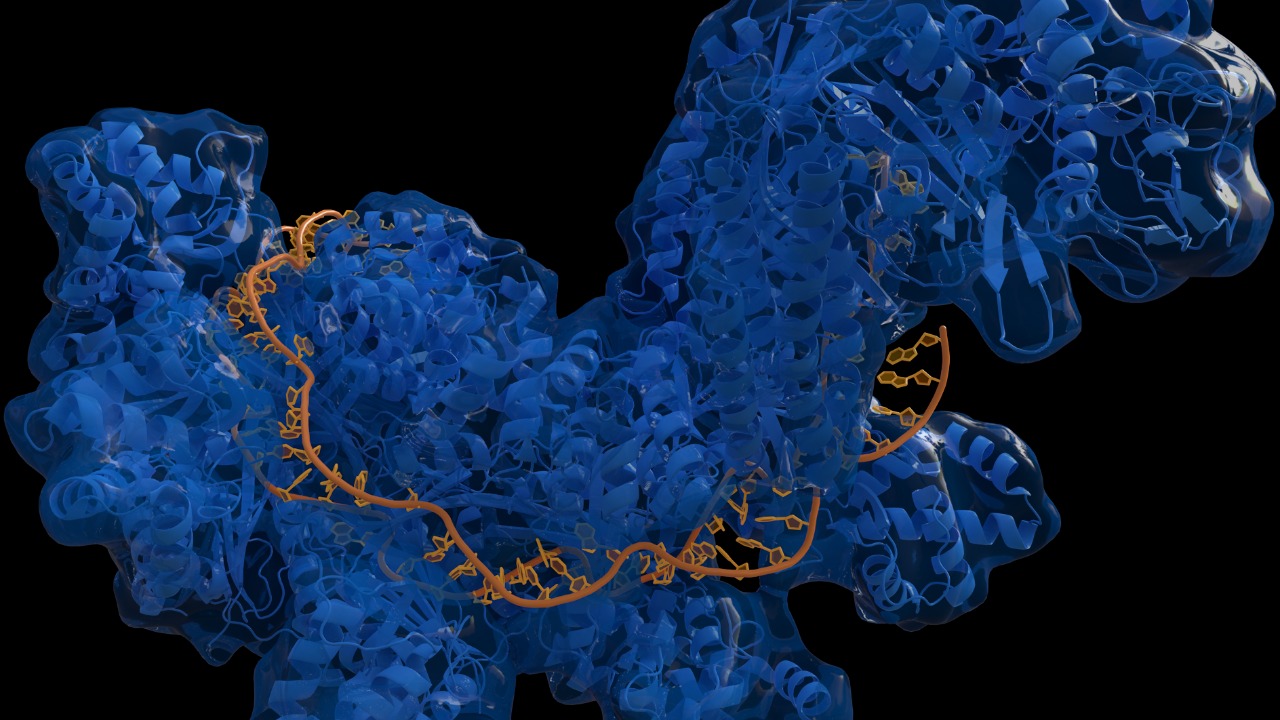
Gene-editing technologies, such as CRISPR, offer a potential solution to these challenges. These technologies allow scientists to manipulate an organism’s genetic material, potentially making crops more resilient to environmental stressors like drought.
However, the introduction of gene-editing in agriculture is not without its challenges. There are limitations to what these technologies can accomplish and the introduction of gene-edited crops has sparked significant debate. Despite these challenges, there have been successful case studies of gene-edited crops across the globe. For example, a report in the Journal of Food and Energy Security documents successful implementation of gene-edited crops in North America and Europe.
The Success of Gene-Edited Crops in Africa
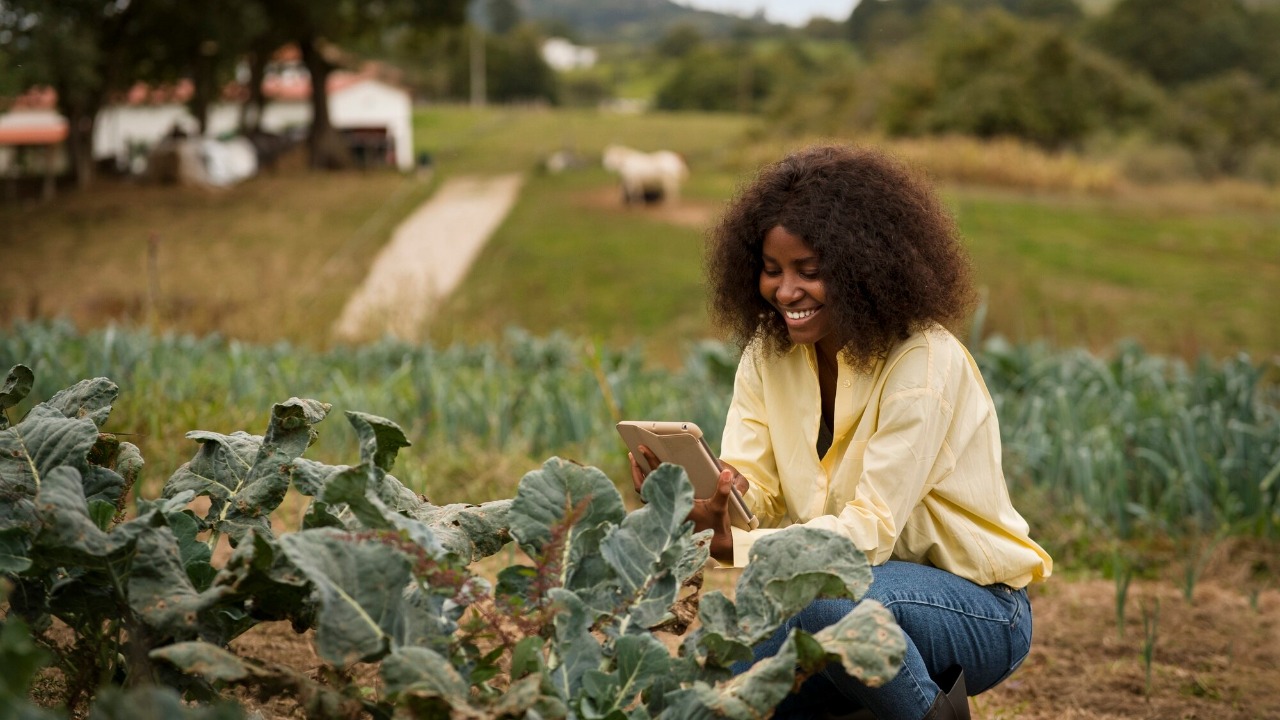
In Africa, gene-edited crops have shown a remarkable ability to withstand harsh conditions. For instance, through the use of gene-editing technologies, crop varieties have been developed that can survive extended periods of drought. This resilience could potentially lead to increased yields and greater economic stability for farmers.
The science behind these drought-resistant crops involves manipulating genes that regulate water use and stress response. As explained in an article published by IDT, these modifications enable the crops to survive in arid conditions, providing hope for regions affected by droughts.
Challenges and Controversies Surrounding Gene-Edited Crops

Despite their potential, gene-edited crops are not without controversy. There are ethical debates around the use of gene-editing in agriculture, with concerns about potential long-term effects on biodiversity and ecosystems. In addition, there are regulatory hurdles to overcome for the widespread adoption of these technologies.
Public skepticism and misconceptions about genetically modified organisms (GMOs) also pose a challenge. These concerns are fueled by a lack of understanding about gene-editing technologies and their potential impacts. A study published in Tandf Online highlights the need for public education and engagement to address these concerns.
The Future of Gene-Edited Crops in Africa
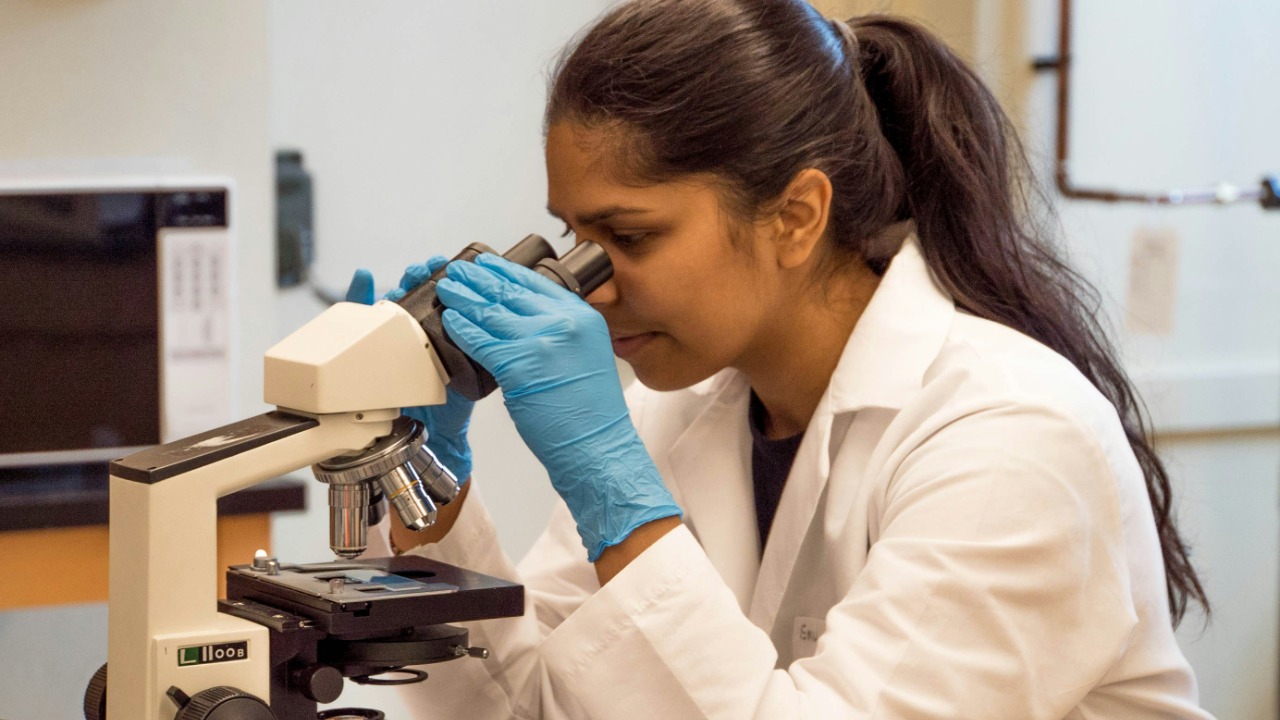
Despite the challenges, gene-edited crops hold significant promise for the future of African agriculture. By increasing crop resilience to drought, these technologies could transform farming practices and improve food security across the continent.
Future research and development in gene-editing are poised to drive this agricultural revolution forward. As outlined in a report by Elementa, the potential for gene-edited crops to contribute to sustainable agriculture and climate change mitigation in Africa is immense. However, realizing this potential will require continued investment in research, regulatory frameworks, and public engagement to ensure safe and responsible use of these technologies.
