In a remarkable twist of events, a 50,000-year-old bison, once frozen in time, found its way to the dinner plates of the very scientists who discovered it. This extraordinary occurrence not only highlights the unique preservation capabilities of permafrost but also draws attention to another recent discovery—a 70-million-year-old dinosaur fossilized egg with a perfectly preserved embryo inside.
The Discovery of the Ancient Bison
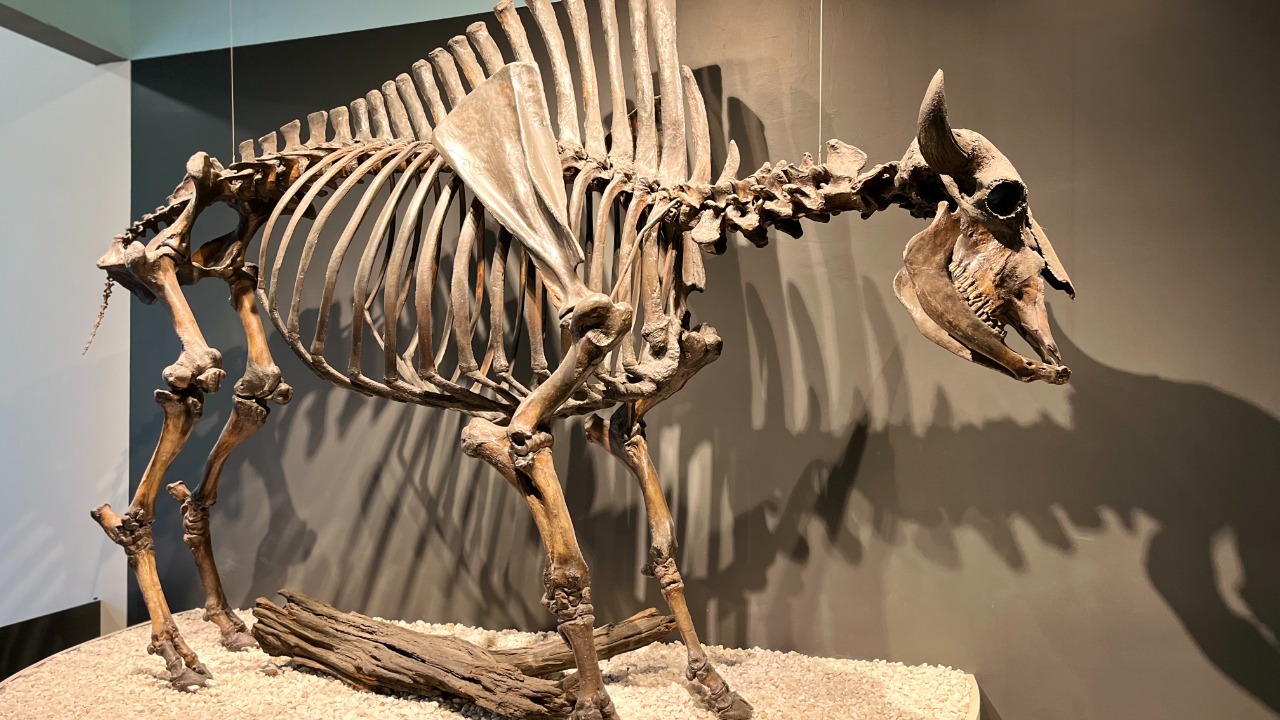
The bison, frozen for millennia, was discovered in the icy expanses of the permafrost, a natural freezer that has preserved ancient remains for thousands of years. The circumstances of its preservation are a testament to the power of nature, which has kept the bison intact for such an extended period. The physical condition of the bison, even after 50,000 years, was remarkable, providing scientists with a unique opportunity to study this ancient creature in detail.
Compared to other ice-preserved specimens, the bison’s discovery is particularly noteworthy. For instance, the recent unearthing of a 70-million-year-old dinosaur fossilized egg with a perfectly preserved embryo inside demonstrates the incredible preservation potential of natural environments. Both discoveries offer invaluable insights into the past and the creatures that once roamed the earth.
Scientific Examination and Analysis

Upon the bison’s emergence from the ice, scientists embarked on a meticulous examination process. Using advanced dating methods, they confirmed the bison’s age, establishing it as a 50,000-year-old specimen. The preservation of the bison offers a unique window into ancient ecosystems, revealing how these creatures lived and interacted with their environment.
The bison’s preservation provides a wealth of information about the ancient ecosystems it once inhabited. The data gleaned from this discovery, as reported on October 3, 2025, can help scientists understand the climatic conditions, vegetation, and other species that existed during the bison’s lifetime.
Further analysis of the bison’s remains revealed fascinating insights into its diet and health. Scientists were able to identify traces of ancient vegetation in its digestive system, providing a snapshot of the flora that existed 50,000 years ago. Additionally, the bison’s bone structure and teeth condition offered clues about its age at the time of death and overall health status. This level of detail, as reported on October 3, 2025, is rarely available in paleontological studies, making this discovery particularly valuable.
Moreover, the bison’s DNA was remarkably well-preserved, allowing scientists to sequence its genome. This genetic blueprint provides a wealth of information about the bison’s evolutionary history and its relationship to modern bison species. The genetic data can also shed light on the population dynamics and migration patterns of ancient bison herds, offering a more comprehensive understanding of prehistoric ecosystems.
The Unusual Fate: From Lab to Dinner Table

In a surprising turn of events, the 50,000-year-old bison, after being studied and analyzed, ended up in a stew on the scientists’ dinner plates. This unusual decision was part of their research or tradition, offering a unique perspective on the relationship between scientists and their subjects of study.
However, this act raises ethical considerations about the consumption of ancient remains. Unlike the non-consumptive studies of finds such as the 70-million-year-old dinosaur fossilized egg, the consumption of the bison raises questions about the respect and preservation of ancient remains for future study and understanding.
The decision to consume the bison was not taken lightly. The scientists involved viewed it as a unique opportunity to connect with the past in a tangible, albeit unconventional, way. The taste and texture of the meat provided a sensory experience that brought the ancient world to life, offering a perspective that could not be gleaned from traditional research methods. However, as reported on October 3, 2025, the act was met with mixed reactions from the scientific community and the public.
While some viewed the consumption of the bison as a form of scientific engagement, others saw it as a disregard for the sanctity of ancient remains. This incident has sparked a broader conversation about the ethical boundaries in paleontological research and the importance of treating ancient remains with respect. The debate underscores the need for clear guidelines on the treatment and use of ancient specimens, ensuring their preservation for future generations.
Implications for Paleontology
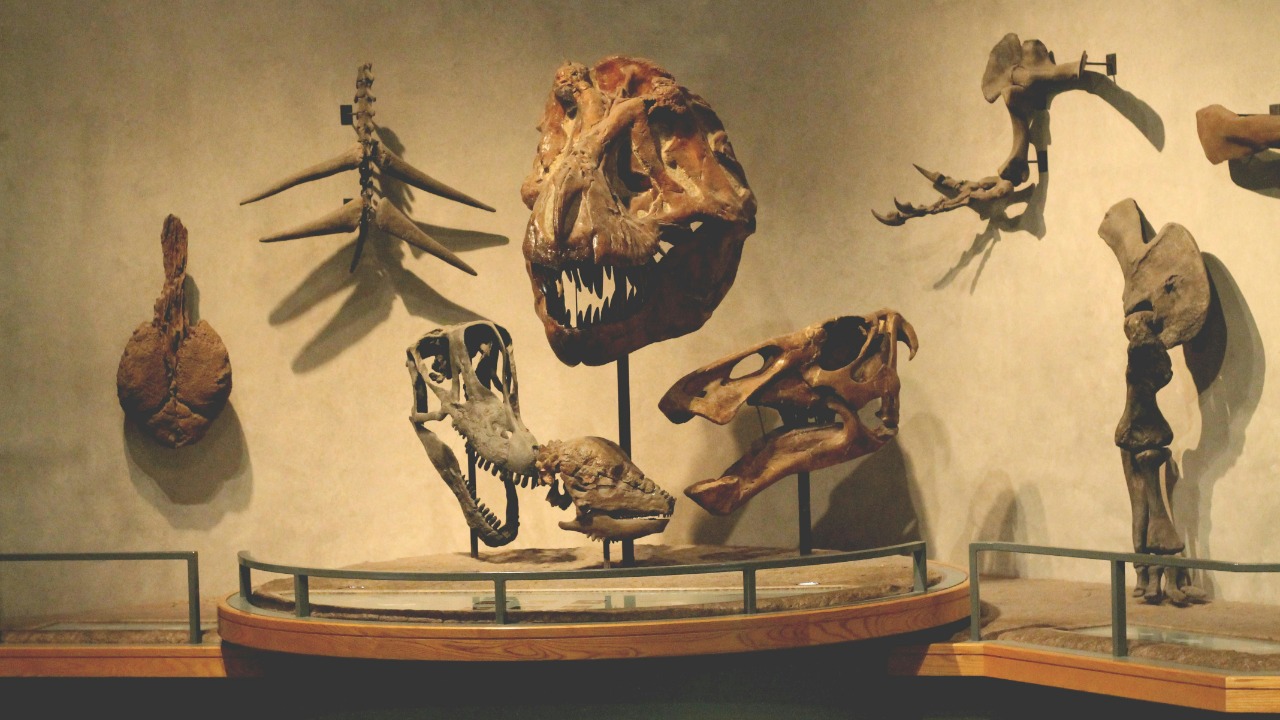
The discovery of the 50,000-year-old bison has far-reaching implications for our understanding of prehistoric life. As covered in the report from October 3, 2025, the bison’s discovery provides a unique opportunity to study an ancient creature in detail, offering insights into its lifestyle, diet, and environment.
Similarly, the discovery of the 70-million-year-old dinosaur fossilized egg shows advancements in preserving ancient embryos and tissues. Both finds present ongoing research opportunities, with the scientists involved in the bison’s stew preparation continuing to study and learn from these ancient remains.
The bison’s discovery has also sparked interest in the potential of permafrost as a preservation medium. The exceptional condition of the bison suggests that other well-preserved specimens may be waiting to be discovered in the icy expanses of the permafrost. This prospect opens up new avenues for paleontological research, as these specimens could provide unprecedented insights into ancient life. As reported on October 3, 2025, the potential of permafrost as a natural time capsule is an exciting development in the field of paleontology.
On the other hand, the discovery of the 70-million-year-old dinosaur fossilized egg has implications for the study of ancient embryos and the development of prehistoric creatures. The preservation of the embryo allows scientists to study its anatomy and development, offering insights into the life cycle of dinosaurs. These discoveries underscore the importance of preservation techniques in paleontology and the potential they hold for uncovering the secrets of our planet’s past.
