Unseen and often unheard, drones are silently transforming various fields of modern science. From agriculture to archaeological research, these flying devices are bringing a host of advancements and improvements, revolutionizing the way we approach scientific exploration and data collection. Source
The Role of Drones in Modern Agriculture
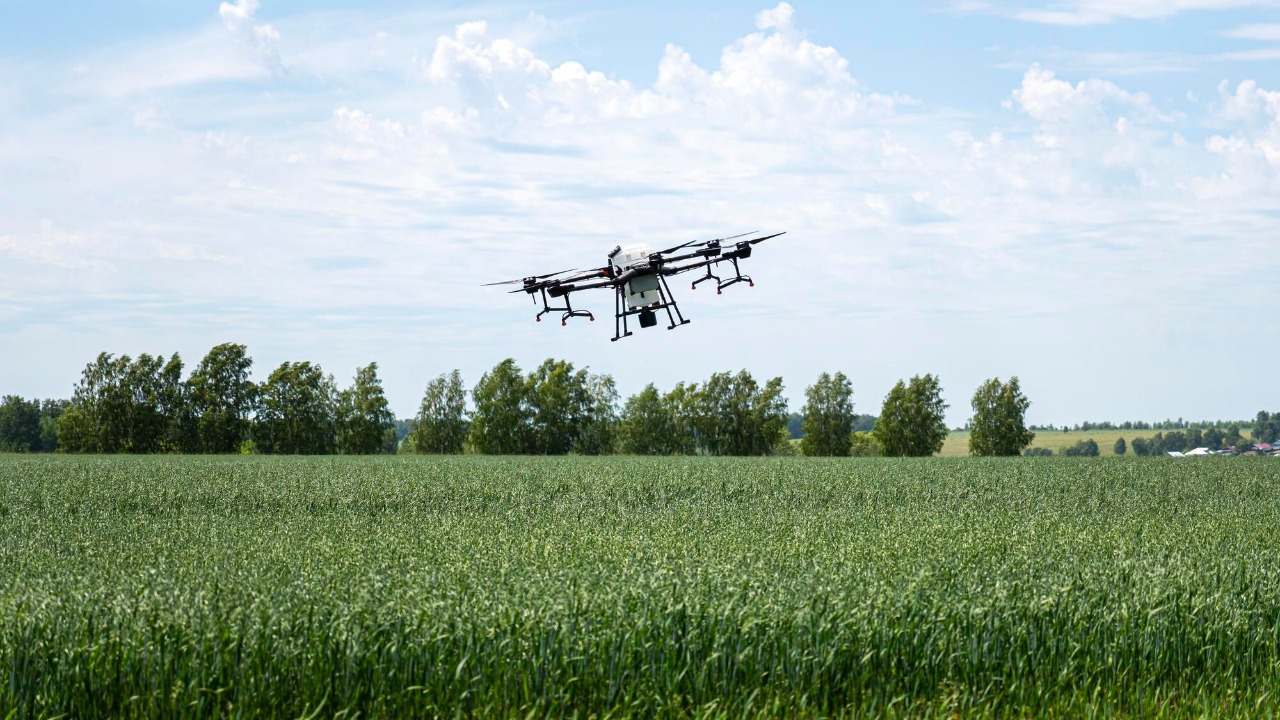
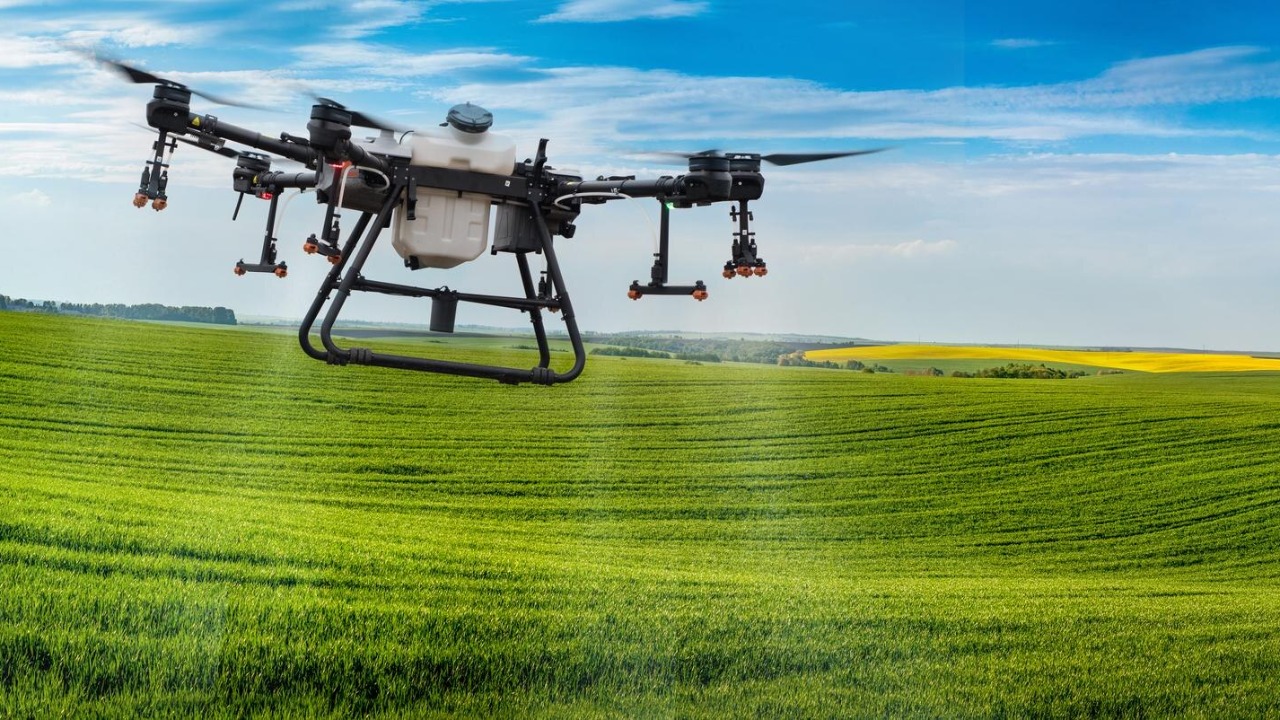
Drones are revolutionizing farming practices, making them more efficient and sustainable. These unmanned aerial vehicles (UAVs) are capable of performing tasks that were once labor-intensive or even impossible, such as monitoring large fields in real-time or applying precise amounts of pesticides. This not only saves time and resources but also reduces the environmental impact of farming.
One of the key benefits of using drones in agriculture is improved crop monitoring. Drones equipped with advanced sensors can capture detailed images of fields, allowing farmers to detect issues such as water stress or pest infestation early on. This enables timely intervention, preventing crop loss and improving yield. Furthermore, drones can also aid in disease detection, identifying unhealthy plants before the disease can spread to the rest of the crop. Source
Drones and Archaeological Discoveries
Drones are also playing a significant role in archaeological research, helping archaeologists uncover lost cities and civilizations. These devices can reach areas that are difficult or dangerous for humans to access, capturing high-resolution images that can reveal hidden structures or artifacts. This has opened up new possibilities for archaeological exploration, allowing researchers to investigate sites without disturbing them.
However, the use of drones in archaeological research also presents certain challenges. While their remote sensing capabilities are a major advantage, there are ethical considerations to take into account. For instance, it’s important to respect local cultures and laws when conducting aerial surveys. Despite these challenges, the potential benefits of drone technology in archaeology are immense, offering a new perspective on our past. Source
Drones and Environmental Monitoring
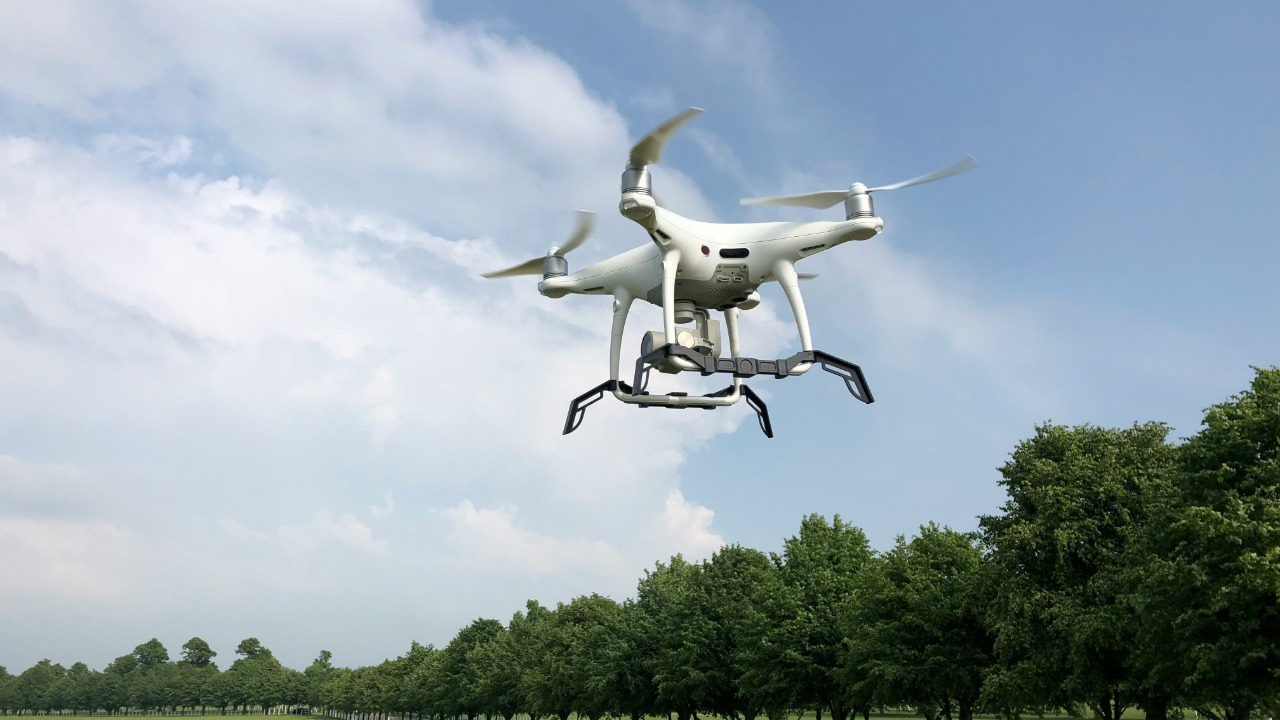
Drones are increasingly being used for environmental monitoring, contributing significantly to conservation efforts. They can collect data on a variety of environmental factors, from air quality to wildlife populations, providing valuable insights for scientists and policymakers. This can aid in the development of effective conservation strategies, helping to protect our planet for future generations.
There are numerous examples of successful environmental projects that have utilized drone technology. For instance, drones have been used to monitor deforestation in the Amazon, providing real-time data that can help to combat illegal logging. They’ve also been used to track wildlife populations, helping to protect endangered species from poaching and habitat loss. Source
Moreover, drones are proving to be an invaluable tool in the study of climate change. They can reach remote and inhospitable areas, such as the Arctic and Antarctic, to gather data on ice melt and sea level rise. This information is crucial for understanding the pace and impact of global warming. Drones can also monitor the health of coral reefs, which are vital to marine ecosystems but are under threat from rising sea temperatures and ocean acidification. By capturing high-resolution images of the reefs, scientists can assess their condition and track changes over time.
Additionally, drones are being used to study air pollution, a major environmental and public health issue. They can fly through plumes of smoke or gas, collecting samples for analysis. This can help scientists understand the composition and source of pollutants, as well as their dispersion patterns. In urban areas, drones can be used to create detailed maps of air quality, identifying pollution hotspots and helping to inform policy decisions. The versatility and capabilities of drones make them a powerful tool for environmental monitoring and conservation. Source
The Future of Drones in Science
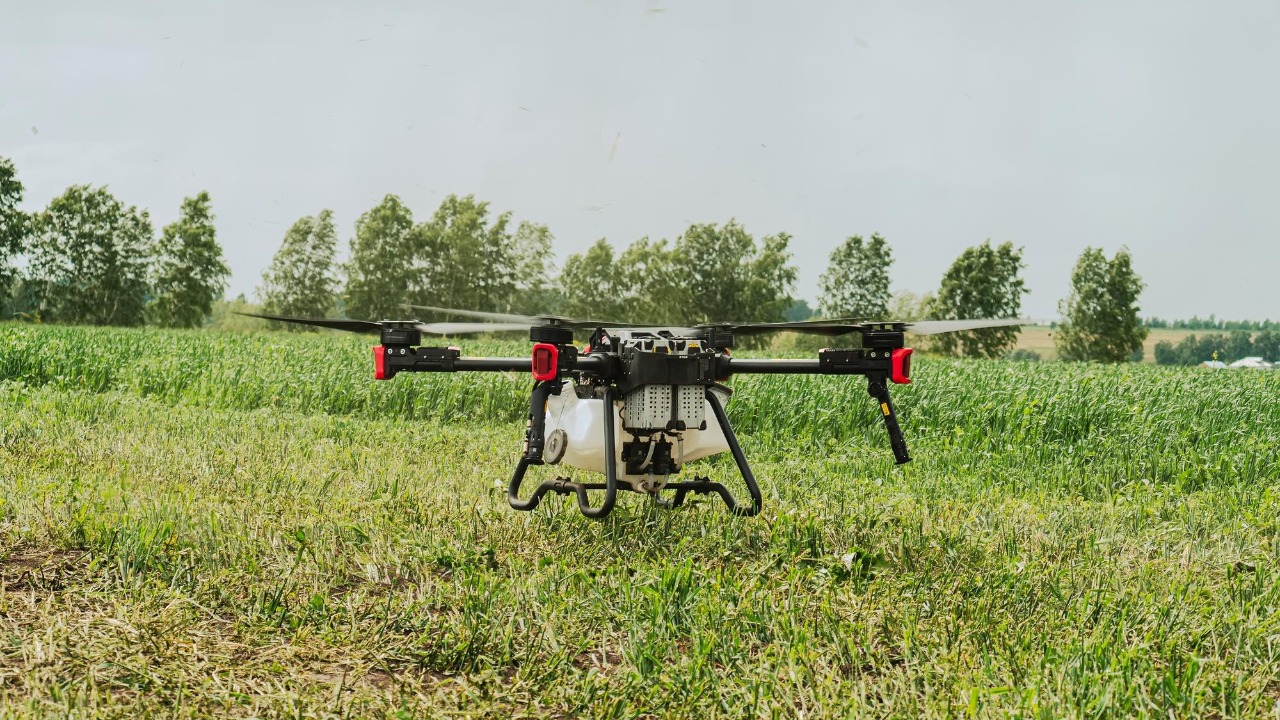
As drone technology continues to evolve, we can expect to see even more innovative applications in the scientific field. Emerging trends include the use of drones for disaster response, where they can provide real-time data to aid in rescue efforts, and in climate research, where they can collect data on atmospheric conditions that are difficult to measure from the ground.
However, the expansion of drone usage in science is not without its challenges. Regulatory issues, such as airspace restrictions and privacy concerns, can limit the use of drones in certain areas. Technological challenges, such as improving battery life and enhancing data processing capabilities, also need to be addressed. Despite these hurdles, the potential of drones in science is vast, and their continued development promises to bring about even more revolutionary changes. Source
