The deployment of airstrikes from aircraft carriers is a complex logistical operation that involves careful planning, coordination, and execution. As global conflicts evolve, the role of aircraft carriers has become increasingly significant in projecting military power across the world. These sea-based platforms are crucial for launching airstrikes on distant targets, demanding a blend of advanced technology and strategic foresight.
The Role of Aircraft Carriers in Modern Warfare
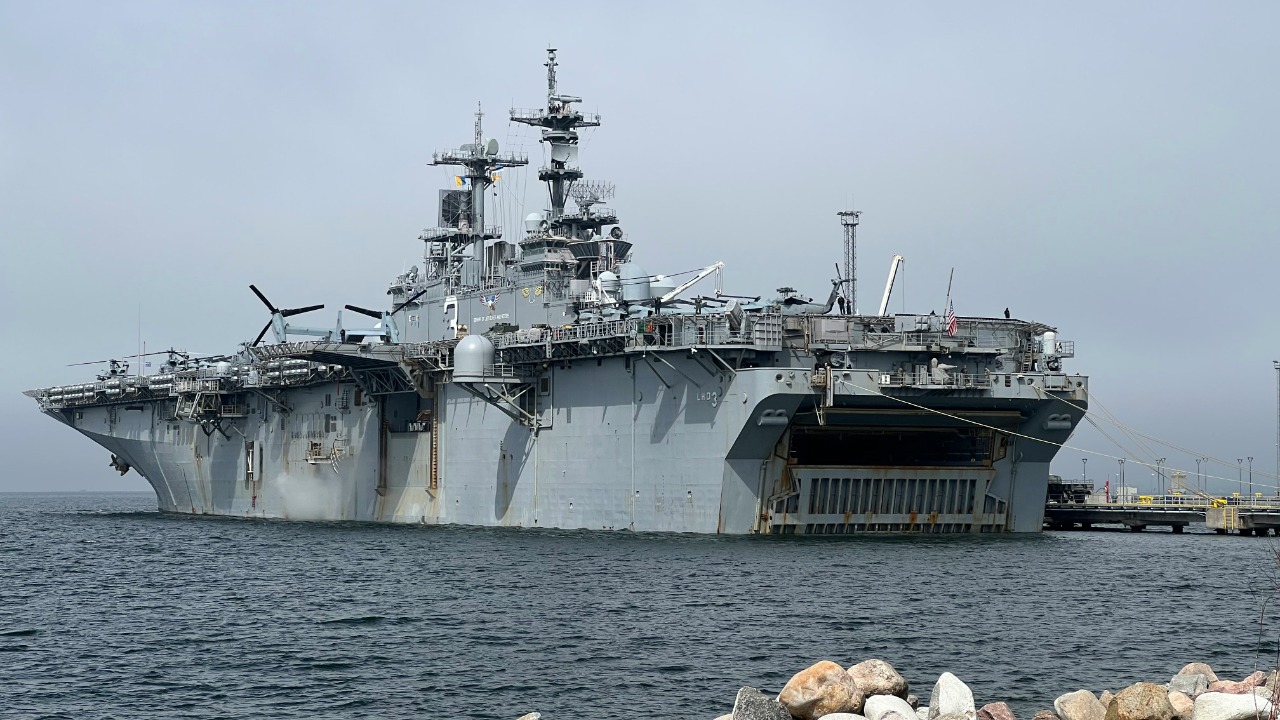
Modern aircraft carriers, such as those in the US Navy, have undergone significant technological advancements, making them pivotal in global military operations. These colossal warships are equipped with state-of-the-art engines, enhanced radar systems, and advanced communication technologies that enable them to operate as self-contained military bases. Their ability to launch a wide range of aircraft, including fighter jets and reconnaissance planes, makes them indispensable assets in projecting power far from home shores.
Historically, aircraft carriers have evolved dramatically since their initial deployment during World War II. Notably, the USS Truman carried out the largest carrier airstrike in history, underscoring the strategic evolution of these vessels. From their early days as rudimentary floating airstrips, carriers have transformed into sophisticated hubs of military might, capable of influencing the outcome of conflicts across the globe.
Logistical Challenges of Airstrike Deployment
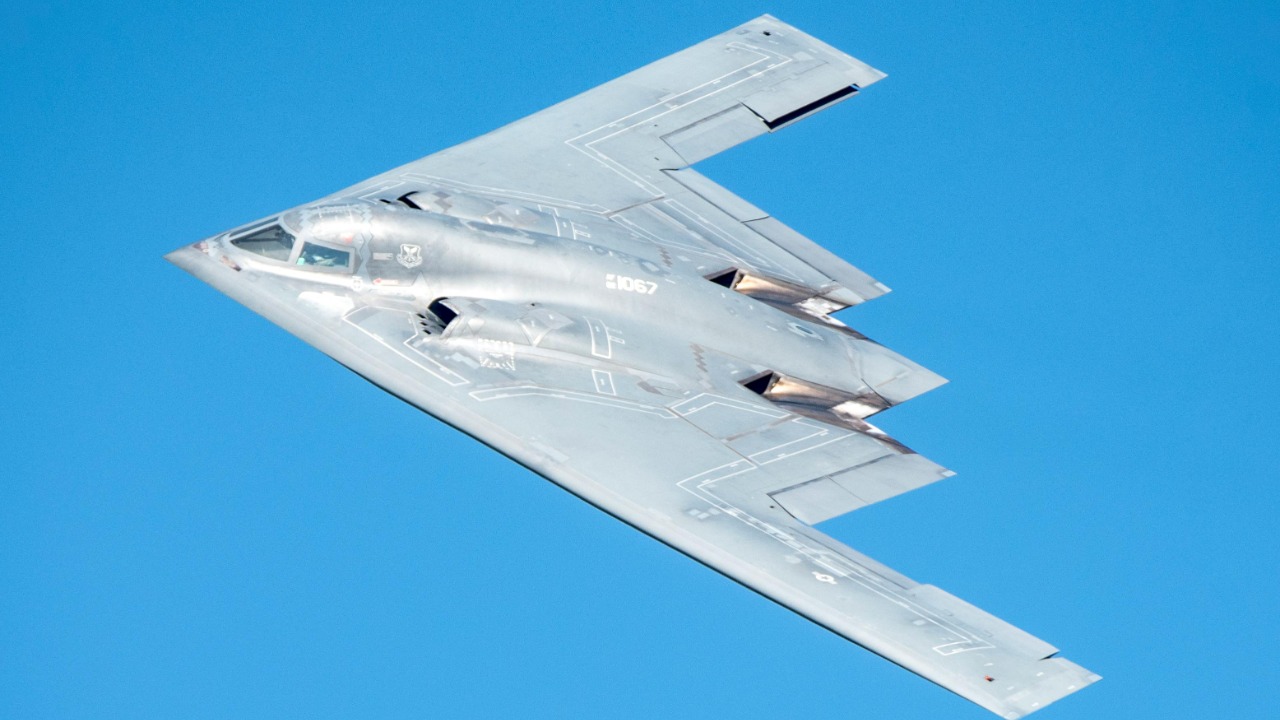
The successful deployment of airstrikes requires meticulous operational planning and coordination among various military branches. Before an airstrike is launched, extensive planning is conducted to ensure that all elements are in place. This involves the integration of intelligence and surveillance data to identify and prioritize targets accurately. Such coordination is crucial in minimizing collateral damage and achieving military objectives.
Maintaining a steady supply of fuel, ammunition, and other essential resources on aircraft carriers is a logistical feat. Supply chains must be robust and adaptable to ensure readiness and sustainability during prolonged deployments. The challenges faced in resource management are compounded by the need to operate in remote areas, far from allied ports or supply depots, demanding efficient logistical strategies to support ongoing operations.
Technological Integration and Airstrike Execution
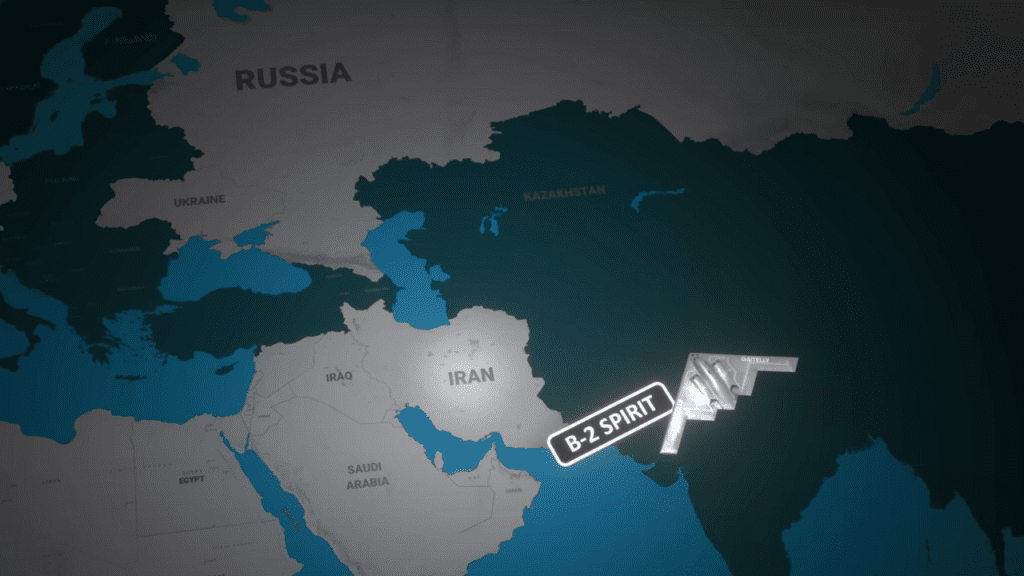
Aircraft carriers typically deploy advanced aircraft and weaponry, including nuclear-capable options, to execute precise and effective airstrikes. These platforms integrate cutting-edge technologies that enhance their operational capabilities. The combination of stealth features, advanced radar systems, and precision-guided munitions ensures that airstrikes are executed with the utmost accuracy, minimizing unintended consequences.
Executing an airstrike involves several critical steps, from takeoff to target engagement. Once a mission is underway, aircraft rely on real-time data and communication with command centers to adjust their strategies as needed. The impact and effectiveness of these strikes are assessed through various methods, including satellite imagery and on-ground intelligence, ensuring that objectives are met and lessons are learned for future operations.
Geopolitical Implications of Carrier-Based Airstrikes
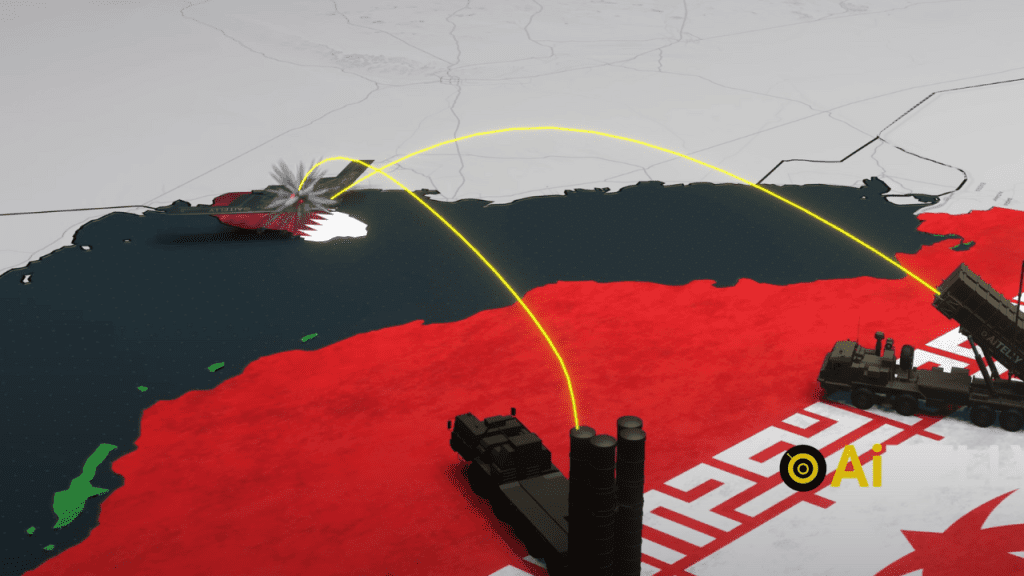
Carrier-based airstrikes have far-reaching implications for international relations. These military actions can significantly alter geopolitical dynamics, influencing diplomatic relations between nations. Specific case studies, such as tensions in the Red Sea and Yemen, highlight how airstrikes can escalate or de-escalate conflicts, depending on the strategic objectives pursued.
Aircraft carriers play a crucial role in strategic deterrence and power projection. Their presence in key regions serves as a deterrent to potential adversaries, reinforcing the military’s ability to project power globally. The capabilities of these sea-based platforms have profound implications for international security and conflict resolution efforts, emphasizing the importance of maintaining a balanced and strategic approach in their deployment.
