The U.S. Air Force’s recent acquisition of the first B-21 Raider stealth bomber on September 13, 2025, marks a significant milestone in its strategic modernization efforts. This initiative aims to replace aging bombers like the B-1B Lancer and B-2 Spirit with at least 100 B-21 units, enhancing nuclear deterrence capabilities. However, congressional leaders have expressed concerns about sustaining nuclear capabilities amidst budget constraints and geopolitical threats. The modernization strategy focuses on expanding the B-21 fleet while upgrading legacy aircraft to maintain strategic readiness.
The Legacy of the B-1B Lancer
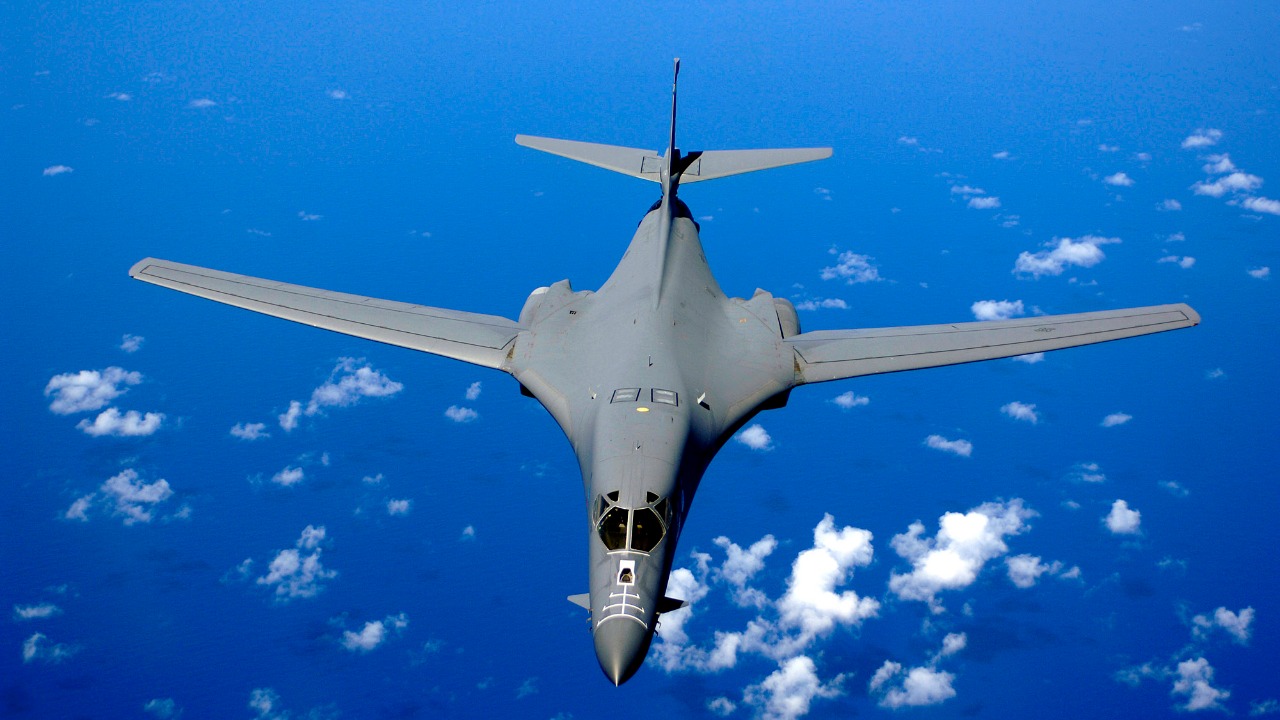
The B-1B Lancer, introduced in the 1980s, has served as a crucial component of the U.S. Air Force’s bomber fleet. As a supersonic conventional bomber, it bridges the gap to next-generation platforms. Currently, 62 B-1B aircraft remain active, undergoing upgrades to extend their service life. These efforts are essential to ensure the B-1B continues to fulfill its role until the B-21 becomes fully operational [source].
Despite its ongoing utility, the B-1B fleet faces maintenance challenges and partial retirement plans. The Air Force plans to divest 17 B-1B aircraft by fiscal year 2025, redirecting resources toward integrating the B-21. This strategic decision underscores the need to balance current operational demands with future capabilities [source]. The B-1B’s recent contributions to precision strikes in the Middle East highlight its interim value, demonstrating its continued relevance in modern military operations [source].
Evolution of the B-2 Spirit
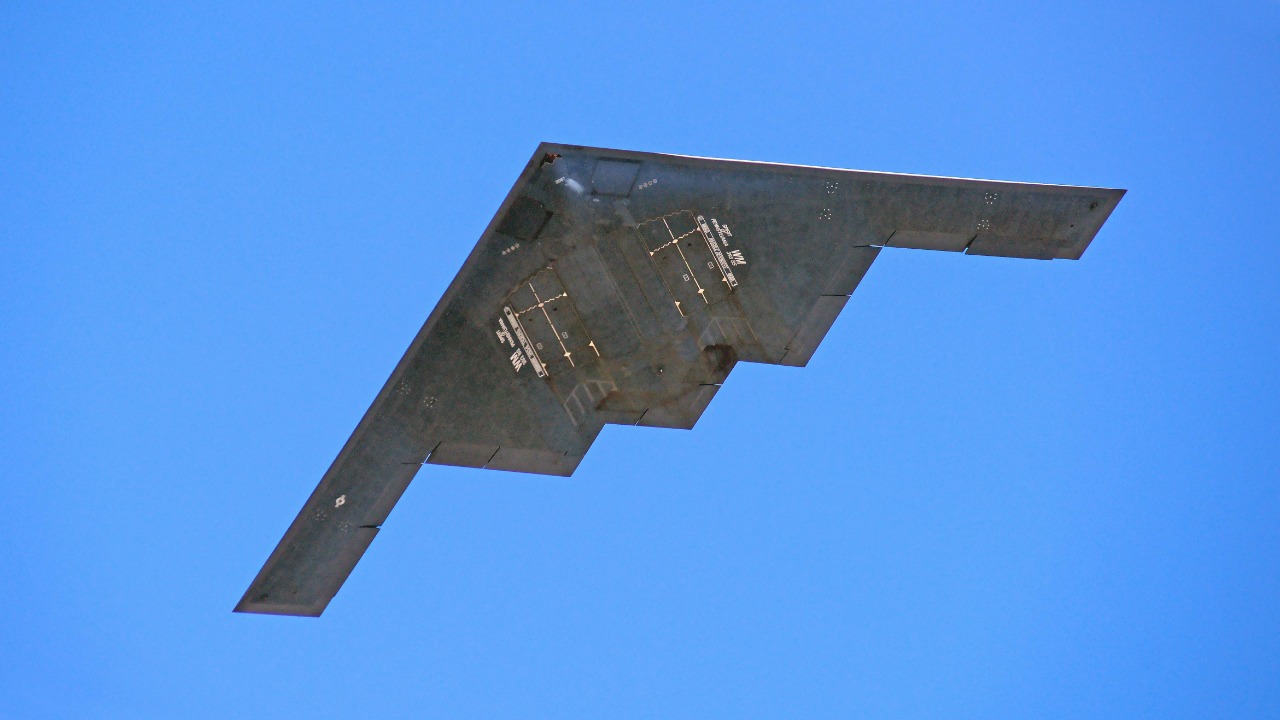
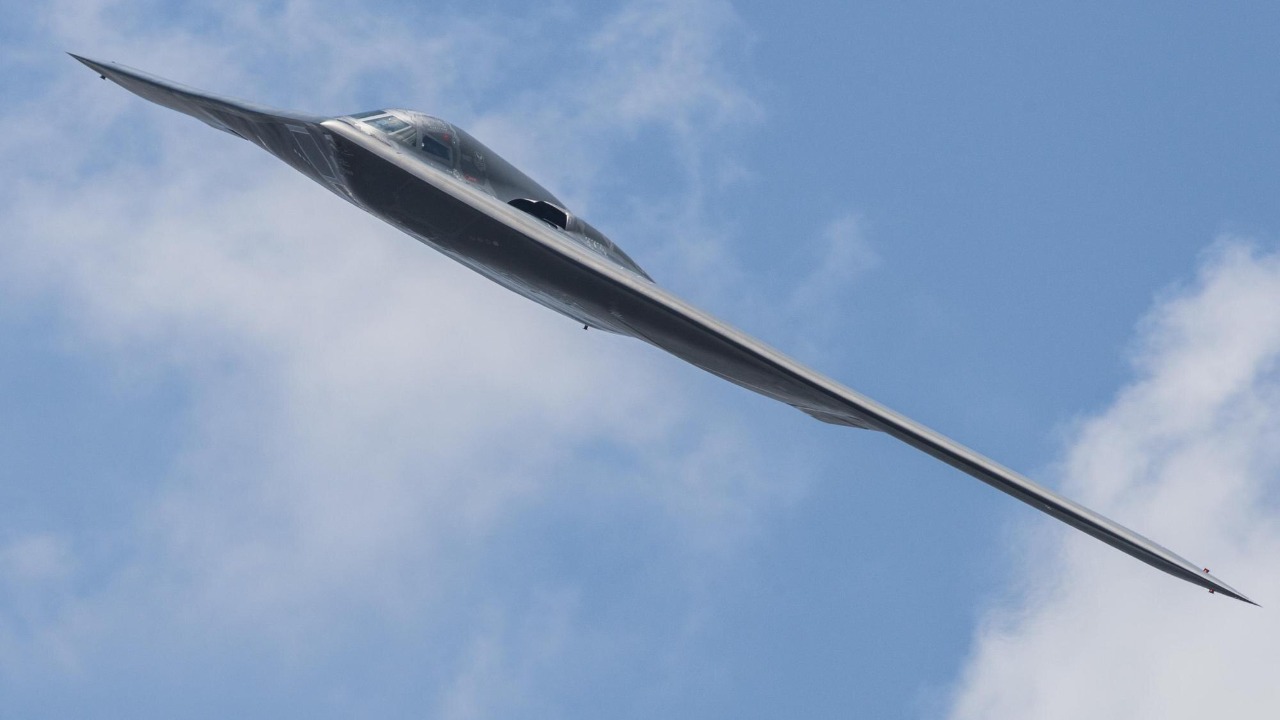
The B-2 Spirit, known for its stealth design and nuclear mission profile, has been a cornerstone of the U.S. strategic bomber force since achieving initial operational capability in 1997. However, only 20 B-2 aircraft remain after attrition, and their high maintenance costs, exceeding $130,000 per flight hour, pose significant challenges [source]. Proposed retirement timelines for the B-2 fleet starting in the mid-2020s have sparked debate, with arguments against early divestment due to potential gaps in stealth bomber capacity before the B-21 reaches maturity.
Efforts to sustain the B-2 include radar upgrades and propulsion enhancements, aimed at extending its viability through 2032. These upgrades ensure the B-2 remains a complementary asset to the incoming B-21, maintaining a robust strategic bomber capability during the transition period [source].
Introducing the B-21 Raider
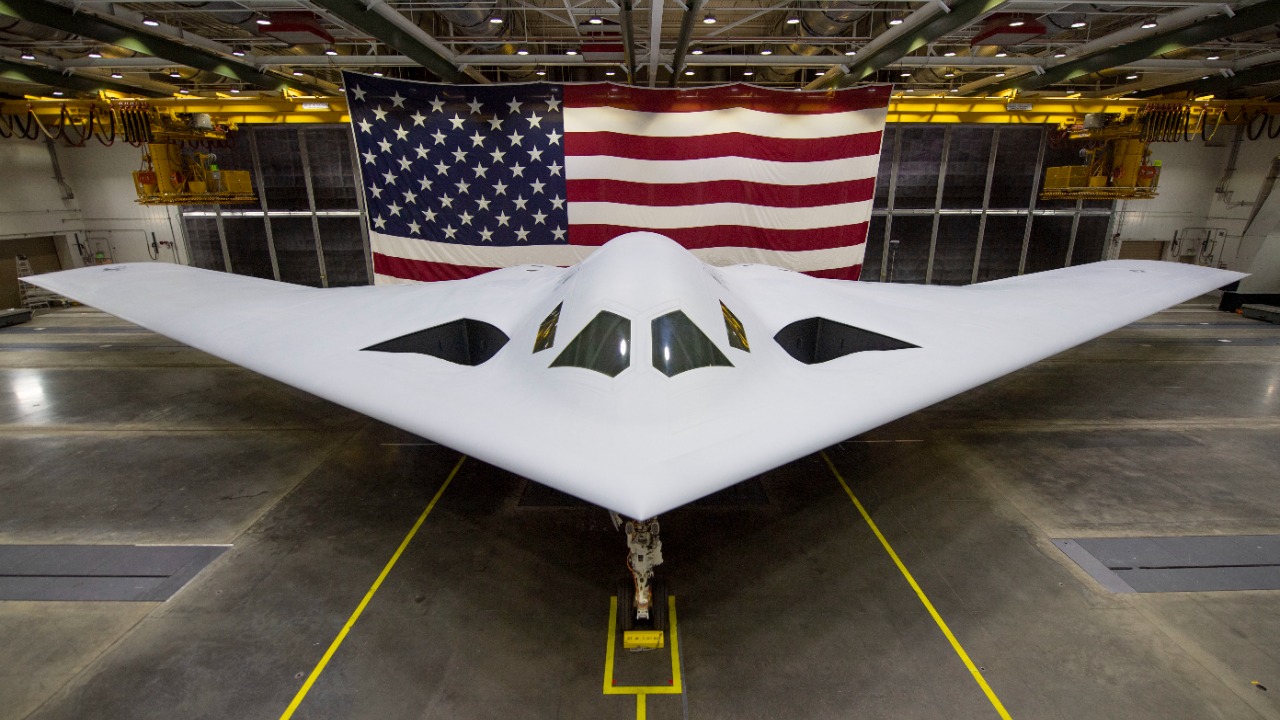
The B-21 Raider, developed by Northrop Grumman under the Long Range Strike Bomber program, represents the future of the U.S. Air Force’s strategic bomber fleet. The first B-21 was delivered to Ellsworth Air Force Base in South Dakota, marking the beginning of its integration into the fleet [source]. Key features of the B-21 include advanced stealth capabilities, an open architecture for rapid upgrades, and dual-capable nuclear and conventional payloads, designed to penetrate advanced air defenses [source].
The Air Force aims to produce over 100 B-21 aircraft, with an estimated unit cost under $700 million. Initial operational capability is targeted for the late 2020s, positioning the B-21 as a critical component of the U.S. strategic deterrence strategy [source].
Challenges in Fleet Modernization
Congressional scrutiny over funding for the B-21 program highlights the challenges in fleet modernization. A proposed $2.5 billion allocation for the B-21 in fiscal year 2026 underscores the debates over balancing the nuclear triad and addressing great power competition [source]. Additionally, industrial base risks, such as supply chain vulnerabilities for rare materials in stealth coatings, pose significant challenges. Concurrent modernization of legacy aircraft is necessary to avoid capability gaps during the transition to the B-21 [source].
Geopolitical drivers, including responses to China’s H-20 bomber and Russia’s Tu-160 upgrades, further emphasize the importance of the B-21 for credible deterrence. These developments highlight the strategic necessity of maintaining a modern and capable bomber force [source].
Strategic Implications for the Bomber Force
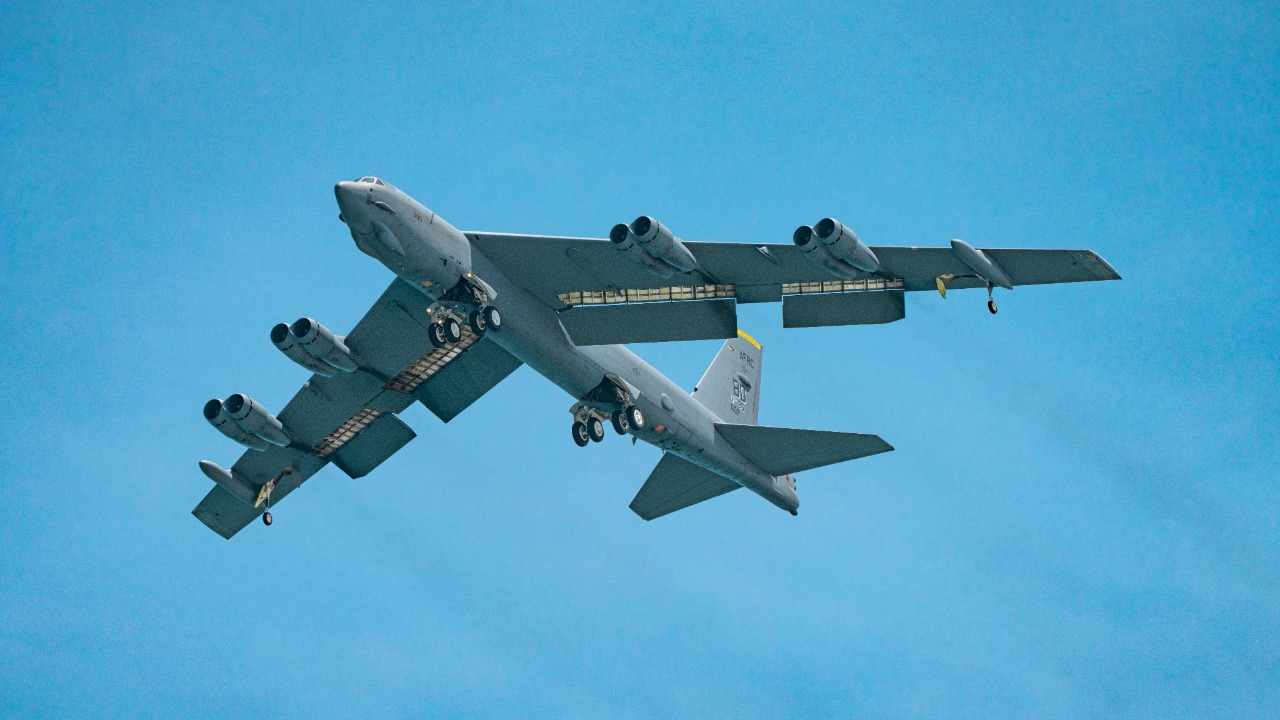
Looking ahead to post-2030, the integrated fleet structure will see the B-21 forming the backbone alongside select B-1B and B-52 variants. This combination ensures global reach and survivability, maintaining the U.S. Air Force’s strategic edge [source]. However, the risks associated with the early retirement of the B-2, including potential erosion of stealth expertise and operational tempo, necessitate a phased drawdown tied to the B-21 ramp-up [source].
Progress metrics, such as successful B-21 ground testing and certification milestones achieved by 2025, signal that the modernization efforts are on track. These developments are crucial for ensuring the U.S. maintains a robust and capable strategic bomber force in the coming decades [source].
