Delving into the fascinating world of paleontology, we uncover the stories of species that lived through Earth’s mass extinctions. These hardy survivors reveal much about the nature of life on Earth and the strategies required for survival in the face of environmental upheavals.
Understanding Mass Extinctions

Mass extinctions are catastrophic events in the Earth’s history, characterized by the rapid loss of a significant percentage of all life forms. These are not mere blips in the evolutionary timeline, but rather cataclysms that forever alter the course of life on Earth. The causes of these events are varied, ranging from volcanic activity and asteroid impacts to sudden climate changes.
Earth’s history has witnessed five major mass extinctions, the most devastating of which was the Permian-Triassic extinction event, also known as the “Great Dying”. This event, which occurred around 252 million years ago, wiped out approximately 90% of all species. The impacts of these mass extinctions are profound, leading to the demise of dominant species and paving the way for the rise of others.
New Fossil Discoveries: A Glimpse into Survival

Recent fossil discoveries provide invaluable insights into the species that survived these mass extinctions. These survivors, known as “‘Lazarus taxa”, exhibit remarkable resilience, managing to endure in the face of extreme environmental changes. The analysis of these fossils helps scientists understand the biological and environmental factors that contributed to their survival.
For instance, a recent discovery of fossils in Australia revealed a diverse ecosystem thriving just before the Permian-Triassic extinction. This includes Glossopteris, a dominant plant species that survived the extinction event, and Lystrosaurus, a resilient herbivorous reptile. Studying these species and their survival strategies offers a window into Earth’s prehistoric past.
The Survivors: Traits and Characteristics

Survivors of mass extinctions often share common traits and characteristics. For instance, generalist species – those capable of surviving in a range of environments and able to consume a variety of foods – are more likely to survive than specialist species. Furthermore, species with high reproductive rates often have a better chance of survival, as they can recover more quickly from population declines.
Lystrosaurus, mentioned earlier, is an excellent example of a survivor species. This hardy reptile demonstrated remarkable adaptability, enabling it to live in a variety of environments. Its ability to thrive in the harsh post-extinction world is a testament to the importance of resilience in species survival.
Implications for Evolution and Biodiversity
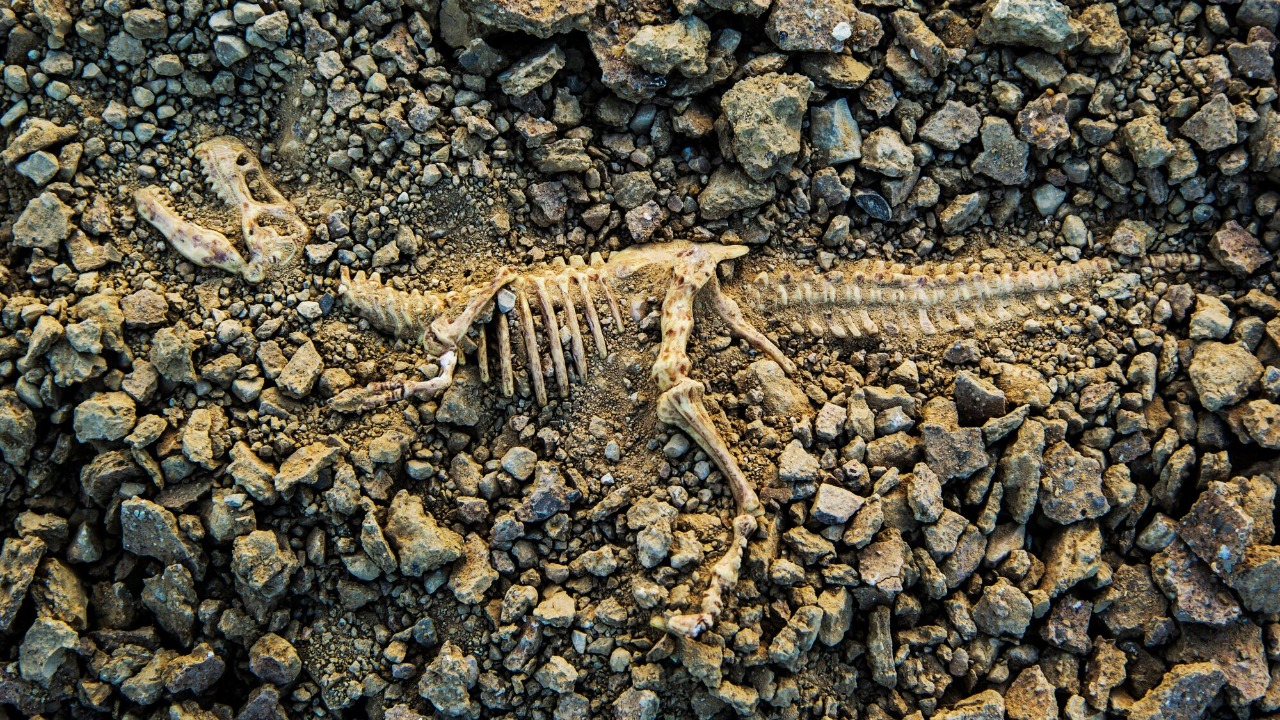
The survivors of mass extinctions play a crucial role in shaping the evolution and biodiversity of life on Earth. Following a mass extinction, the surviving species often diversify and adapt to fill the ecological niches left vacant by the extinct species. This process, known as ‘adaptive radiation’, leads to the emergence of new species and an increase in biodiversity.
Mass extinctions, while devastating, can also be catalysts for evolutionary change. They disrupt established ecosystems and provide opportunities for survivors to adapt and evolve. The end-Cretaceous extinction, for example, led to the demise of the dinosaurs, paving the way for mammals to become the dominant land animals.
Lessons for the Future: Extinctions and Climate Change

The lessons learned from studying mass extinctions and their survivors are more relevant than ever, given the current climate crisis. There are striking parallels between the factors that triggered past mass extinctions and the environmental challenges we face today. By understanding how species survived past extinctions, we can gain insights into how current biodiversity might respond to climate change.
Moreover, these lessons underscore the importance of biodiversity and conservation efforts. As we learn from the great survivors of the past, the preservation of diverse ecosystems is crucial for resilience in the face of potential future mass extinctions. As we continue to navigate the current climate crisis, the lessons of the past serve as both a warning and a guide for the future.
