The Vice President of Ford has declared that the era of “powerful engines” is drawing to a close, as consumer focus shifts towards design and technology. This statement comes a decade after Ford announced significant fuel-efficiency improvements of up to 19 per cent with the introduction of new, more powerful engines in their Ford Focus model.
1. The Changing Landscape of Automotive Industry

Consumer preferences in the automotive industry are undergoing a significant shift. The era of “powerful engines” is ending, according to the Vice President of Ford. Instead, consumers are increasingly focusing on design and technology, indicating a change in what is valued in the automotive market. This shift is reshaping the landscape of the automotive industry, with car manufacturers needing to adapt to these changing preferences.
The end of the “powerful engines” era does not mean the end of performance or efficiency. Instead, it signifies a change in the way these aspects are delivered. Consumers are now looking for vehicles that combine performance with innovative design and advanced technology, reflecting a broader trend towards digitalization and sustainability in the automotive industry.
2. Ford’s Evolution to Meet Consumer Demand
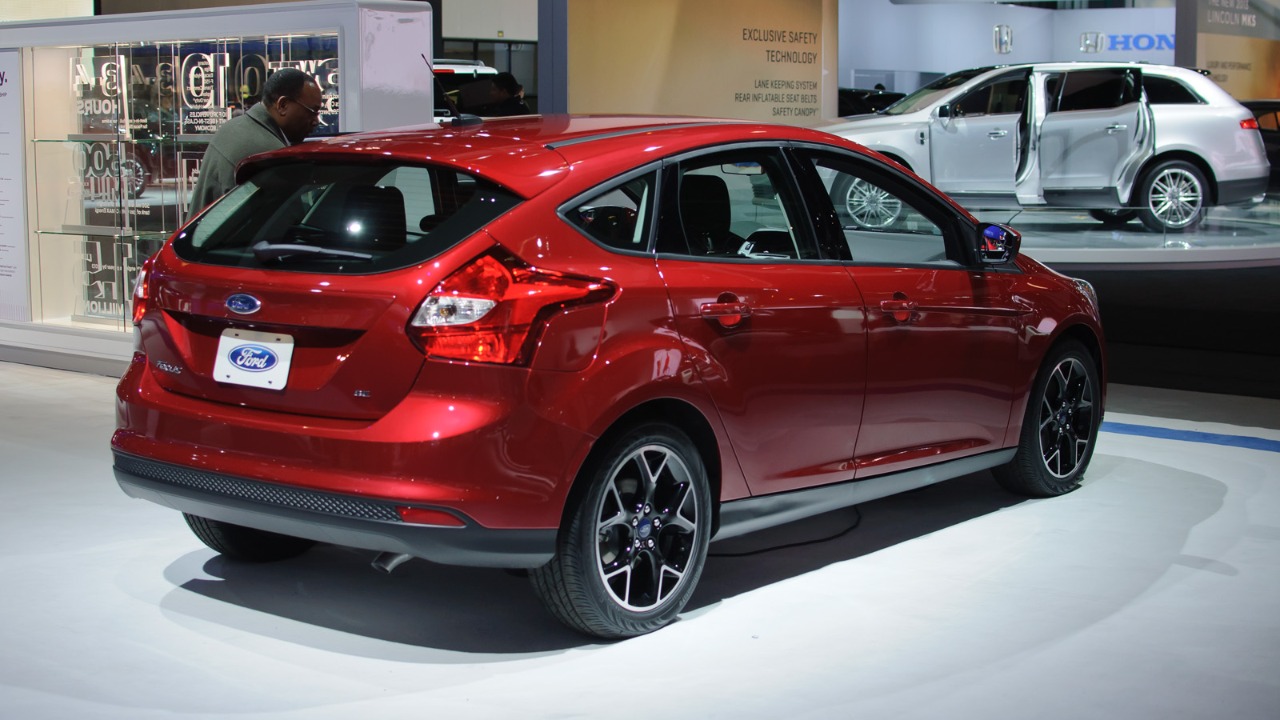
Ford, a leading player in the automotive industry, has been known for its emphasis on powerful engines. The company has made significant strides in this area, notably with the Ford Focus model, which saw fuel-efficiency improvements of up to 19 per cent thanks to new, more powerful engines. However, in response to changing consumer preferences, Ford is now transitioning towards prioritizing design and technology.
This shift in focus is not just about meeting consumer demand. It also reflects Ford’s commitment to innovation and sustainability. By prioritizing design and technology, Ford is positioning itself at the forefront of the automotive industry’s evolution, ready to meet the challenges and opportunities of the future.
As part of Ford’s evolution, the company has been investing heavily in research and development, particularly in the areas of design and technology. This is evident in their recent models, which feature innovative designs and advanced technologies that cater to the modern consumer’s needs. For instance, Ford’s SYNC 3 infotainment system, which offers enhanced connectivity and user-friendly interface, is a testament to the company’s commitment to technological innovation. This focus on technology is not just about meeting consumer demand, but also about staying competitive in the rapidly evolving automotive industry.
Furthermore, Ford’s shift towards prioritizing design and technology is also reflected in their commitment to sustainability. The company is increasingly incorporating eco-friendly materials and practices into their vehicle production, demonstrating their commitment to reducing their environmental impact. This includes the use of recycled and renewable materials in vehicle interiors, as well as the development of hybrid and electric vehicles. These efforts are part of Ford’s broader strategy to align with consumer preferences and contribute to a more sustainable future.
3. The Impact of Changing Consumer Preferences on Ford’s Approach

Changing consumer preferences have had a significant impact on Ford’s approach to vehicle design and production. The company has evolved its strategies over the years to meet these changing preferences, moving away from a sole focus on powerful engines towards a more balanced approach that also prioritizes design and technology.
One example of this evolution is the Ford Focus. A decade ago, Ford announced significant fuel-efficiency improvements in this model, achieved through the introduction of new, more powerful engines. These improvements were a major achievement for Ford, demonstrating the company’s commitment to performance and efficiency. However, the shift in consumer preferences towards design and technology has led Ford to adapt its approach, ensuring that the Ford Focus and other models continue to meet consumer expectations.
4. The Future of Automotive Industry
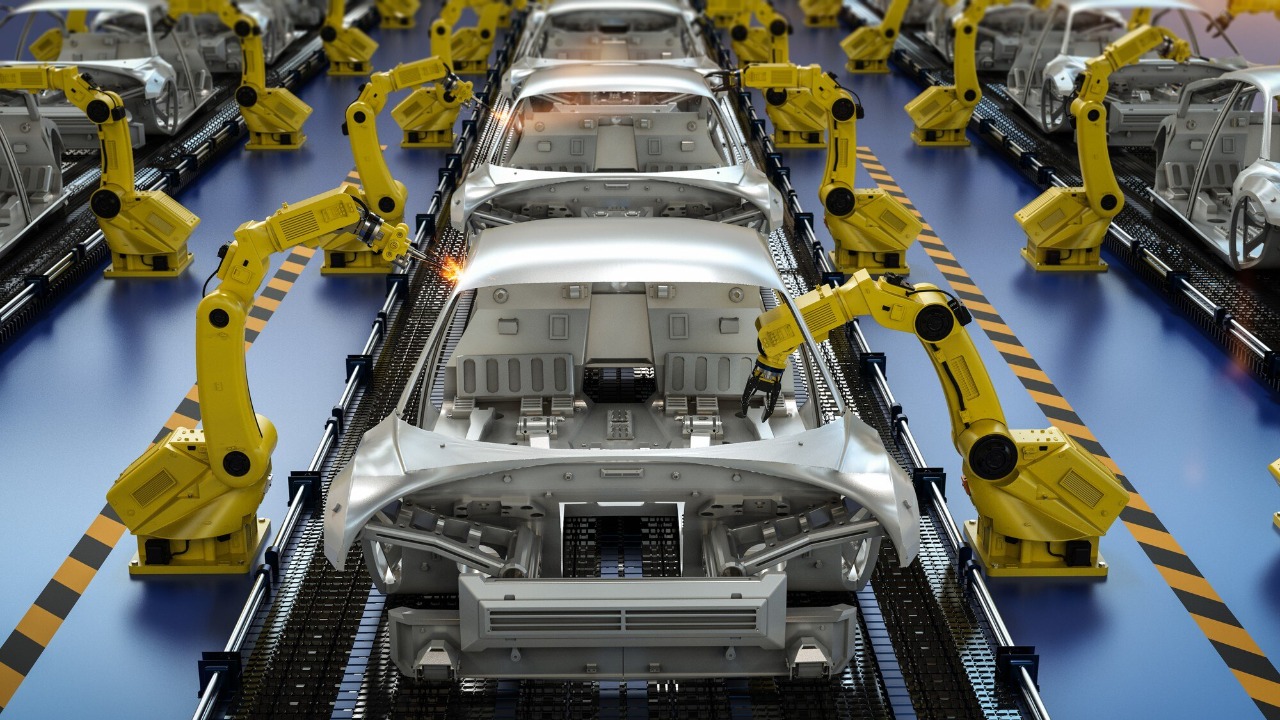
The shift away from powerful engines has implications for the broader automotive industry. As consumers prioritize design and technology, car manufacturers will need to adapt their strategies and offerings. This could lead to a greater emphasis on innovative design, advanced technology, and sustainable practices in the automotive industry.
Based on current trends, the future of automotive design and technology looks promising. As digitalization and sustainability continue to influence consumer preferences, we can expect to see more innovative designs, advanced technologies, and sustainable practices in the automotive industry. The era of “powerful engines” may be ending, but the future of the automotive industry looks bright, with exciting developments on the horizon.
Looking ahead, the automotive industry is likely to see even more significant changes. As consumers continue to prioritize design and technology, manufacturers will need to keep pace with these evolving preferences. This could mean a greater focus on creating vehicles that are not only aesthetically pleasing, but also equipped with the latest technologies. This shift could also lead to a greater emphasis on sustainable practices, as consumers become more conscious of the environmental impact of their choices.
Moreover, the rise of autonomous vehicles and connected car technology is set to revolutionize the automotive industry. These advancements will not only change the way we drive, but also the way vehicles are designed and manufactured. As such, car manufacturers will need to adapt their strategies to stay competitive in this new era. These developments represent exciting opportunities for innovation and growth in the automotive industry, promising a future that is both technologically advanced and environmentally friendly.
