The Ford Motor Company remains steadfast in its commitment to complete its Michigan LFP battery plant, even in the face of potential federal tax break removal by Republicans.
Background on Ford’s Michigan LFP Battery Plant
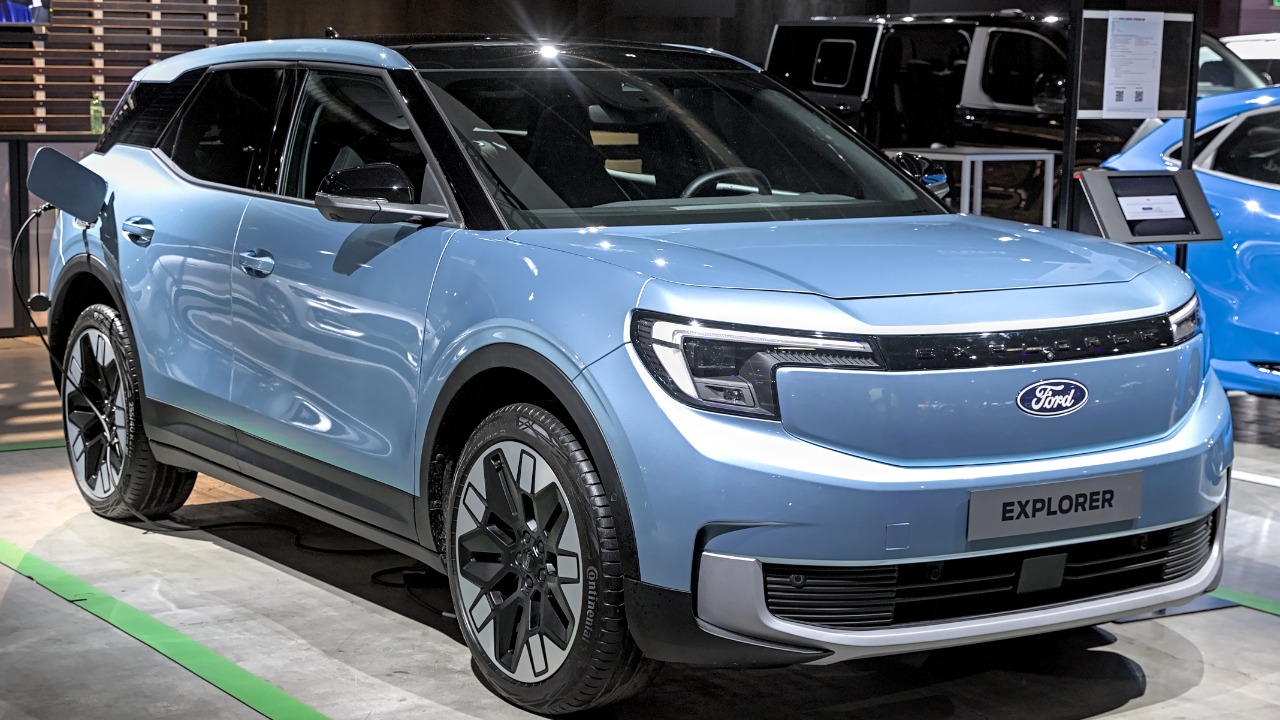
The Michigan LFP battery plant is a significant project undertaken by Ford. It’s designed to produce lithium iron phosphate (LFP) batteries, a crucial component for electric vehicles (EVs). The plant’s successful operation is expected to boost Ford’s EV production capacity, thereby contributing to the company’s transition towards sustainable transportation. The project is currently in an advanced stage of development, with significant progress made since its inception. (source)
The Michigan LFP battery plant is not just a significant project for Ford, but also for the state of Michigan. The plant is expected to create numerous jobs, both during its construction and once it’s operational. This will contribute to the local economy and help Michigan maintain its status as a hub for the automotive industry in the era of electric vehicles. The plant is also expected to have a positive environmental impact, as the production of LFP batteries is more environmentally friendly compared to other types of batteries. (source)
Potential Loss of Federal Support

Ford’s battery plant project has been benefiting from a federal tax break, a financial incentive aimed at promoting green energy initiatives. However, this tax break is under threat of being discontinued by Republicans. The reasons behind this potential decision are not explicitly stated, but it’s likely tied to broader political and economic considerations. (source)
If the tax break is removed, it could pose financial challenges for the project. The loss of this federal support could increase the overall cost of the project, potentially affecting its timeline and scope. However, the exact impact is yet to be determined and will depend on various factors, including Ford’s ability to offset the loss through other means.
The potential loss of the federal tax break is a significant concern not just for Ford, but for the entire EV industry. The tax break has been a key factor in making green energy initiatives more financially viable, and its removal could slow down the progress of such initiatives. However, it’s also worth noting that the tax break is not the only form of federal support for green energy. There are other programs and incentives that could potentially be leveraged to offset the loss of the tax break. (source)
Furthermore, the potential loss of the tax break highlights the importance of diversifying funding sources for green energy projects. Relying too heavily on federal support can make such projects vulnerable to changes in political and economic landscapes. Therefore, companies like Ford need to explore other avenues of funding, such as private investments, partnerships, and state-level incentives.
Ford’s Commitment to the Project

Despite the potential loss of the tax break, Ford remains committed to the battery plant project. The company recognizes the strategic importance of the plant in its transition to electric vehicles and is determined to see it through to completion. The plant’s successful operation would not only enhance Ford’s EV production capacity but also reduce its reliance on external battery suppliers. (source)
To mitigate the potential financial impact of the tax break removal, Ford is likely exploring various strategies. While the specifics of these strategies are not detailed in the available sources, they could include seeking alternative funding sources, optimizing operational efficiency, or leveraging partnerships.
Ford’s commitment to the Michigan LFP battery plant project is also a reflection of its broader commitment to sustainability. The company has been making significant efforts to reduce its carbon footprint and contribute to the fight against climate change. The transition to electric vehicles is a key part of this strategy, and the battery plant is a crucial component of this transition. (source)
Moreover, Ford’s commitment to the project sends a strong message to its stakeholders, including investors, employees, and customers. It demonstrates the company’s determination to adapt to the changing automotive landscape and its willingness to invest in long-term strategic initiatives, even in the face of potential short-term challenges. This could potentially enhance Ford’s reputation and strengthen its position in the market.
Implications for the EV Industry

The LFP battery plant project holds significant importance within the EV industry. As one of the major automakers, Ford’s commitment to the project, even without the tax break, sends a strong signal about the viability and importance of EV technology. This could potentially encourage other companies to invest in similar initiatives, thereby accelerating the overall growth of the EV industry. (source)
If Ford’s battery plant project proceeds without the tax break, it could set a precedent for other companies in the EV industry. It might demonstrate that such projects can be viable even without federal support, potentially influencing the strategies of other companies. However, it’s also important to consider that the loss of the tax break could increase the financial risk associated with such projects, potentially affecting their feasibility for smaller companies.
