Ford Motor Company has announced a significant recall involving approximately 190,000 of its Super Duty trucks due to potential brake failure issues. This unexpected move aims to ensure the safety of consumers and uphold the company’s commitment to quality.
The specifics of the recall, its implications, and the steps Ford is taking to address the issue are crucial for understanding the broader impact on both consumers and the automotive industry.
Understanding the Recall

Overview of the Affected Models
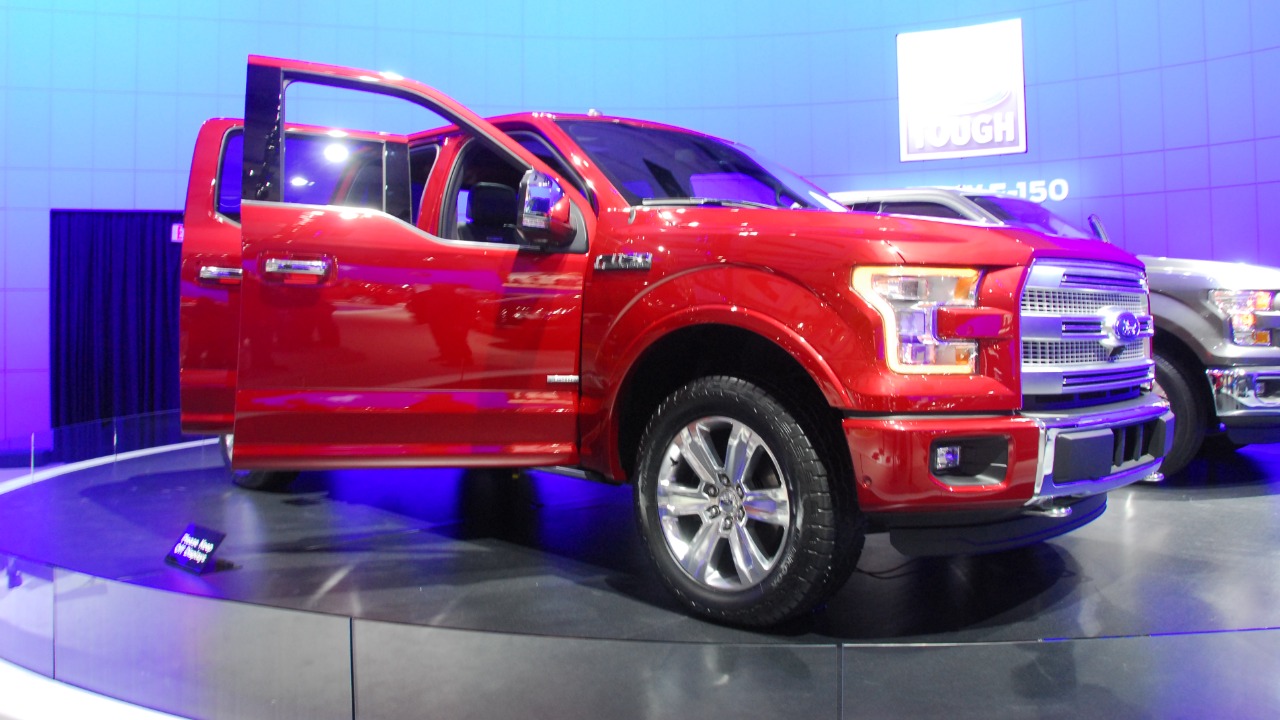
The recall primarily affects Ford Super Duty trucks, specifically the F-250, F-350, and F-450 models produced between 2017 and 2022. These models have been identified as having potential brake issues that could compromise vehicle safety. The concern arose from a manufacturing defect that has been found in these specific models, making them the focal point of this recall effort.
Nature of the Brake Failure Issue
The technical problem leading to the recall involves a defect in the brake system, where the brake pressure could be compromised, resulting in a loss of braking power. This issue was highlighted through various consumer reports and complaints, which indicated that drivers experienced reduced braking efficiency under certain conditions. Such a defect poses a serious risk of accidents, emphasizing the urgency of the recall.
Initial Consumer Reports and Complaints
Consumer feedback played a pivotal role in bringing this issue to Ford’s attention. Initial reports of brake failure were submitted by vehicle owners experiencing unexpected changes in braking performance. These reports were followed by a formal investigation, leading to the discovery of the systemic issue affecting the brakes.
Impact on Consumers

Safety Concerns and Risks
The potential dangers associated with the affected vehicles are substantial. A malfunction in the brake system can lead to increased stopping distances, elevating the risk of collisions. This poses a direct threat to the safety of drivers, passengers, and other road users. Therefore, addressing this issue promptly is critical to reducing the risk of accidents.
Steps for Impacted Vehicle Owners
Owners of the affected vehicles are advised to contact their local Ford dealership to schedule a service appointment. Ford has committed to providing inspections and necessary repairs at no cost to the owners. Additionally, vehicle owners can check the status of their vehicle by visiting Ford’s official website and entering their Vehicle Identification Number (VIN) to see if their truck is part of the recall.
Consumer Protection Laws and Rights
Consumers affected by the recall can rely on various legal protections. These include the right to receive repairs free of charge and, in some cases, the option for a replacement or refund if the vehicle cannot be adequately repaired. Understanding these consumer protection laws ensures that vehicle owners are adequately informed about their rights in such situations.
Ford’s Response and Measures
Official Statements from Ford
In response to the recall, Ford has issued official statements emphasizing their commitment to customer safety and quality assurance. The company has acknowledged the issue and is actively working to resolve it, maintaining transparency with its customer base throughout the process.
Repair and Resolution Plan
Ford’s plan to address the brake failure involves a comprehensive inspection and repair process for the affected vehicles. This includes replacing defective parts of the brake system to ensure optimal functionality. Ford dealerships across the country are equipped to handle these repairs efficiently, minimizing inconvenience to the vehicle owners.
Customer Support Initiatives
Ford is enhancing its customer support initiatives by offering dedicated helplines and online resources. These resources provide detailed information on the recall process, ensuring that customers receive timely updates and assistance. The company’s customer service teams are prepared to assist vehicle owners with any questions or concerns they may have during this period.
Broader Implications for the Auto Industry
Industry-wide Impact of Recalls
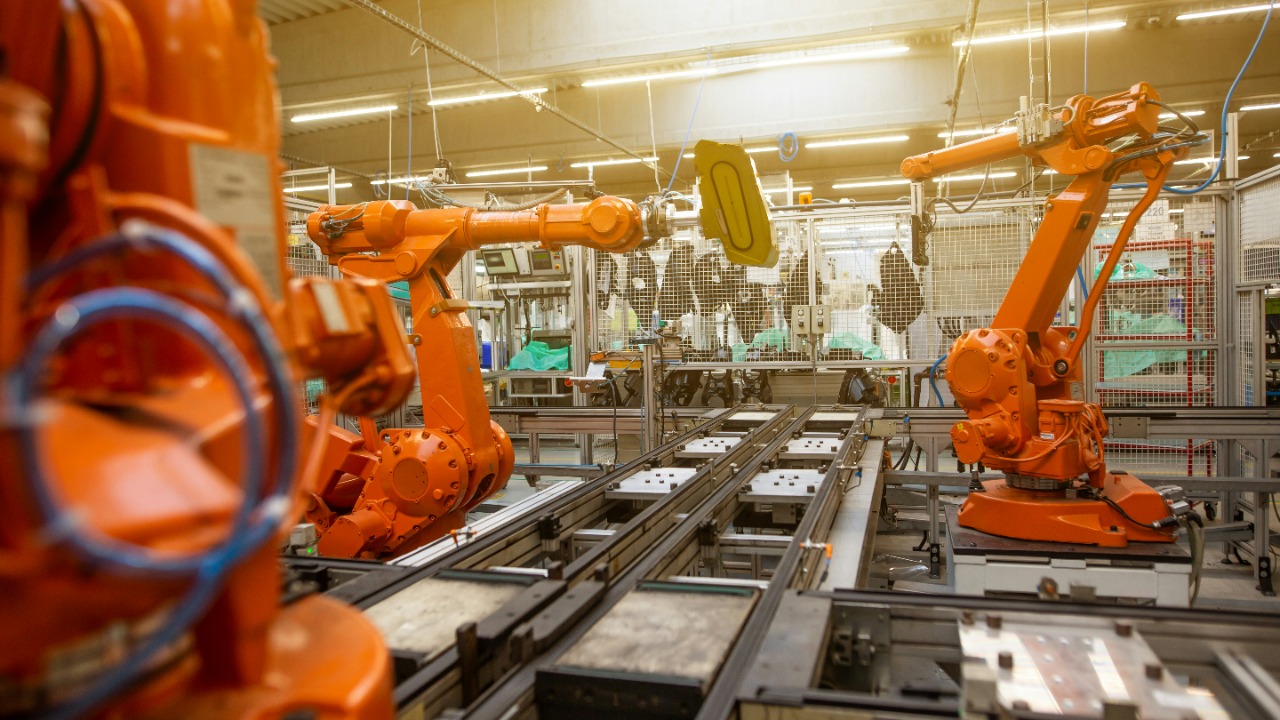
Large-scale recalls like this one have a profound impact on automotive manufacturers and their reputation. They highlight the importance of stringent quality control measures and can lead to increased scrutiny from regulatory bodies. Such events can affect consumer confidence and influence purchasing decisions across the industry.
Regulatory Scrutiny and Compliance
The recall has brought attention to the role of government regulations and oversight in ensuring automotive safety. Regulatory bodies are likely to increase their scrutiny of manufacturing processes, pushing for more stringent compliance measures to prevent similar issues from occurring in the future. This increased oversight aims to enhance safety standards and protect consumers.
Lessons Learned for Manufacturers
This recall serves as a critical lesson for automotive manufacturers, emphasizing the need for continuous improvement in quality control practices. It underscores the importance of proactively identifying potential issues and implementing robust testing protocols to ensure vehicle safety. The incident may prompt manufacturers to reevaluate their production processes and invest in advanced technologies to enhance quality assurance.
Historical Context and Comparisons

Past Ford Recalls
Ford has experienced significant recalls in the past, each serving as a learning opportunity for the company. Historical recalls, such as those related to airbag issues or engine defects, have shaped Ford’s approach to quality control and consumer safety. Examining these past events provides insights into the company’s evolving strategies for addressing recalls.
Comparisons with Other Manufacturers
Similar recalls have occurred within the automotive industry, with other manufacturers facing challenges related to defects. Analyzing how different companies have handled such situations offers valuable perspectives on best practices and effective recall management strategies. These comparisons highlight the importance of transparency and customer communication during recall processes.
Evolution of Vehicle Safety Standards
The evolution of vehicle safety standards has been significantly influenced by past recalls and technological advancements. Over the years, manufacturers have adopted stricter safety protocols and integrated innovative technologies to enhance vehicle safety. These developments continue to shape the industry’s commitment to producing safer, more reliable vehicles.
Consumer Reactions and Market Effects

Public Perception of Ford Post-recall
The recall has inevitably affected public perception of Ford, with consumers expressing concerns about the company’s quality assurance measures. However, Ford’s proactive response and transparency in addressing the issue may help mitigate negative sentiments. Maintaining open communication with customers will be crucial in rebuilding trust and reinforcing the brand’s image.
Impact on Ford’s Sales and Stock
The recall may have immediate financial repercussions for Ford, potentially affecting its sales and stock performance. While recalls can lead to short-term declines in consumer confidence, Ford’s efforts to address the issue and ensure customer safety may help stabilize its market position over time.
Long-term Consumer Trust
Regaining and maintaining consumer trust will be a priority for Ford moving forward. By demonstrating a commitment to quality and safety, the company can strengthen its relationship with customers and foster long-term loyalty. Continuous improvement in manufacturing processes and transparent communication will be key in achieving this goal.
For further information, you can watch an in-depth video analysis on this topic.
