Floating wind farms are proving to be a remarkable force in renewable energy generation. Specifically, their resilience in withstanding Category 5 storms is gaining attention. This resilience is attributed to a combination of design features, automation, and the use of robust materials. In a world grappling with climate change, the survival of floating wind farms during extreme weather conditions becomes a significant factor.
Understanding the Engineering Behind Floating Wind Farms
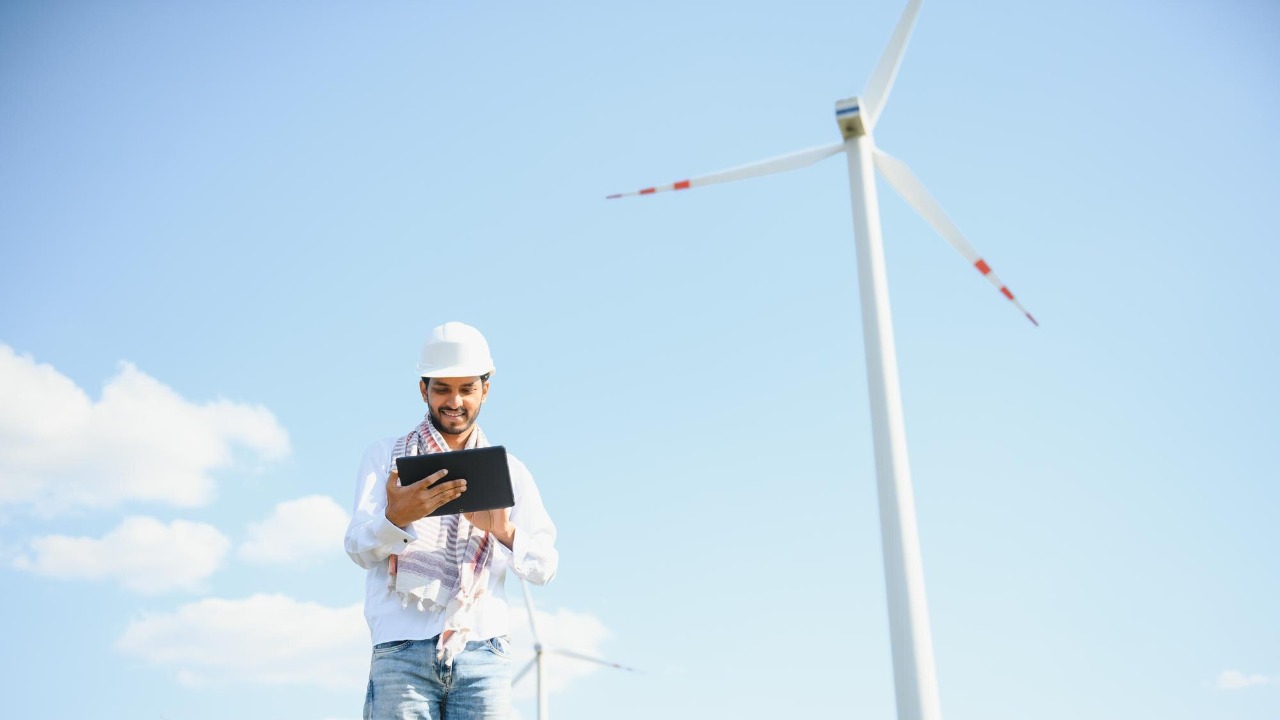
Structurally, floating wind turbines are built with sturdy materials capable of enduring high winds and rough seas. The prime material used in the turbine construction is steel, known for its strength and durability. The turbines are also equipped with advanced systems for weather prediction, allowing for preventive measures to be taken during extreme conditions. This is a crucial aspect of their survival during Category 5 storms.
Furthermore, the stability of these turbines is maintained by a sophisticated anchoring system. This anchoring mechanism keeps the turbines upright and stable, even in high winds and harsh sea conditions. Additionally, automated systems play a significant role in protecting the turbines during extreme weather events. These systems can adjust the turbine’s position and blade angles to minimize potential damage. This is how wind turbines can survive in extreme weather conditions.
Case Studies of Wind Turbines Surviving Category 5 Storms
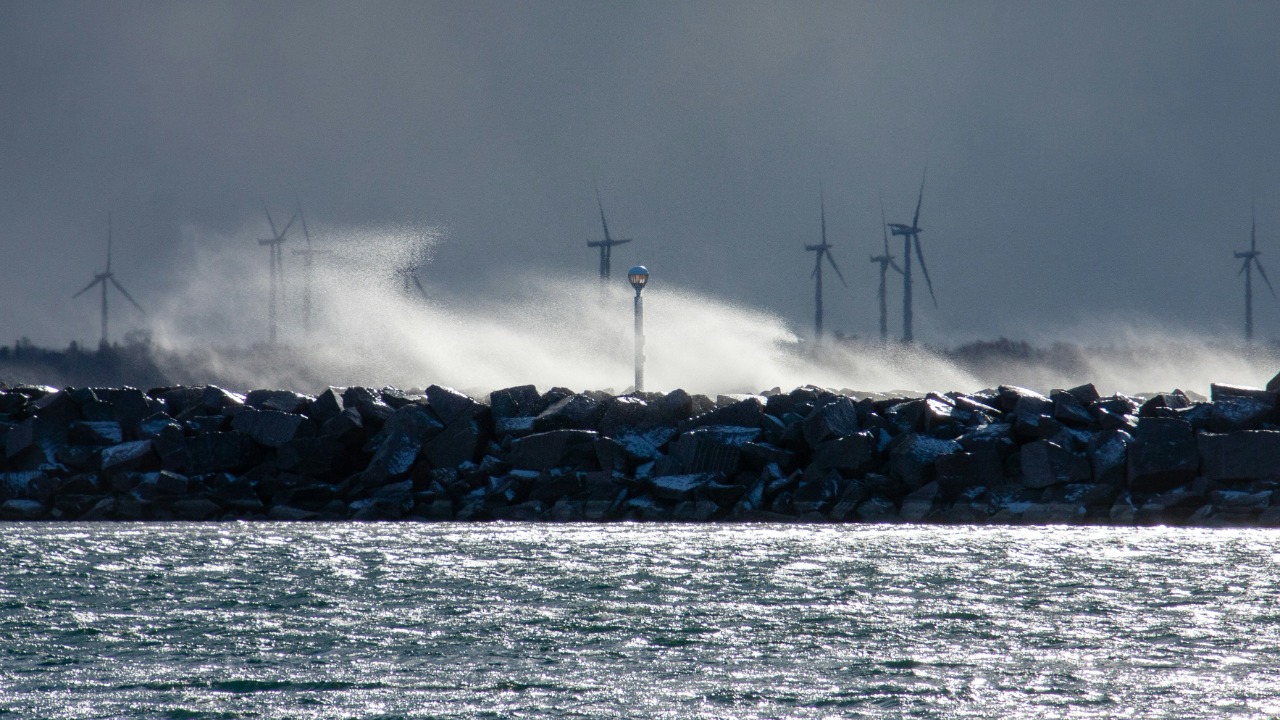
The resilience of floating wind farms is not merely theoretical. Real-life instances have demonstrated their ability to withstand Category 5 storms. For instance, in 2017, the Block Island Wind Farm off the coast of Rhode Island, USA, survived Hurricane Jose, a Category 1 storm, and Hurricane Maria, a Category 5 storm, with minimal damage. The performance of the turbines during these storms was commendable, maintaining their functionality and continuing to generate power even under extreme conditions.
In cases where damage does occur, it is usually addressed promptly, thanks to the robust maintenance and repair strategies in place. For example, one study showed that the Hywind Scotland floating wind farm sustained minimal damage during a storm, which was quickly addressed, ensuring the turbines’ continued operation.
The Potential of Floating Wind Farms in Hurricane-prone Areas
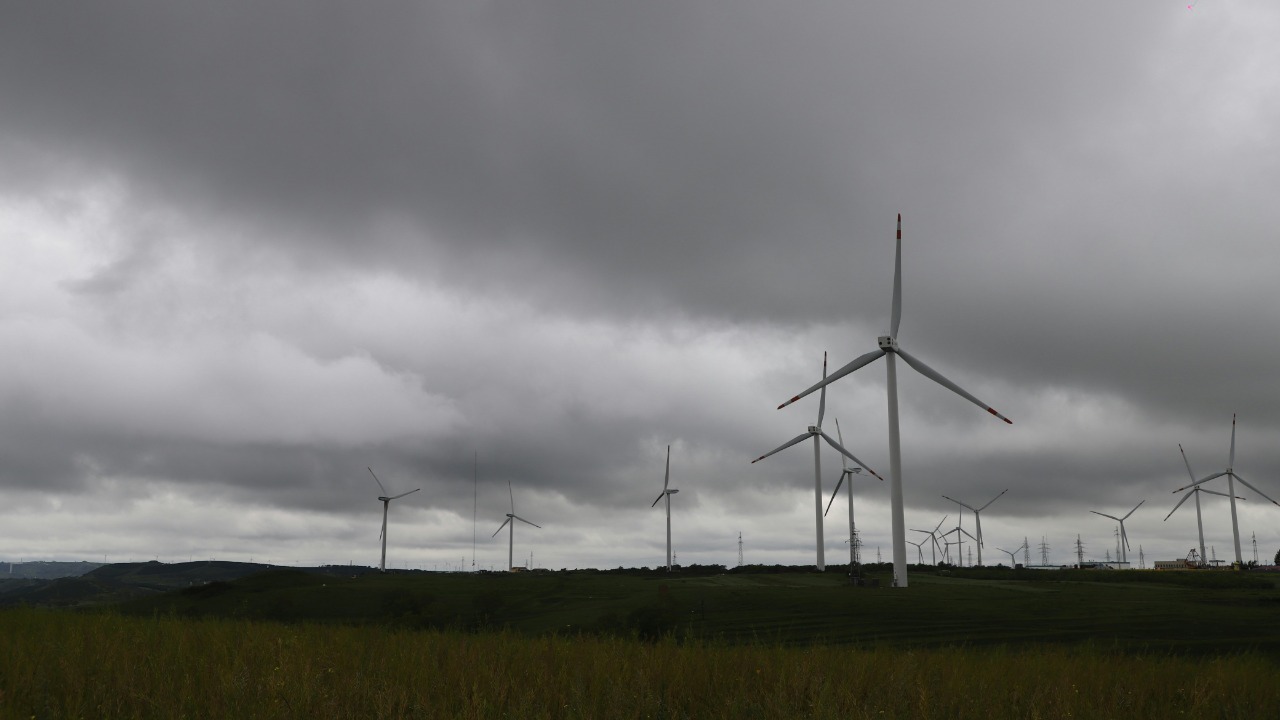
Floating wind farms have considerable potential in areas frequently hit by hurricanes. For these regions, conventional power sources can be disrupted by severe weather, making the resilience of floating wind farms an attractive solution. The viability of renewable energy generation in these areas is supported by the high wind speeds typically associated with hurricanes, which can drive the turbines to produce more energy.
However, implementing such projects does come with its own set of challenges. These include technical difficulties related to installation and maintenance, safety concerns, and environmental impacts. Nonetheless, with continuous advancements in technology and engineering, these challenges can be effectively addressed.
The Future of Floating Wind Farms in Light of Climate Change
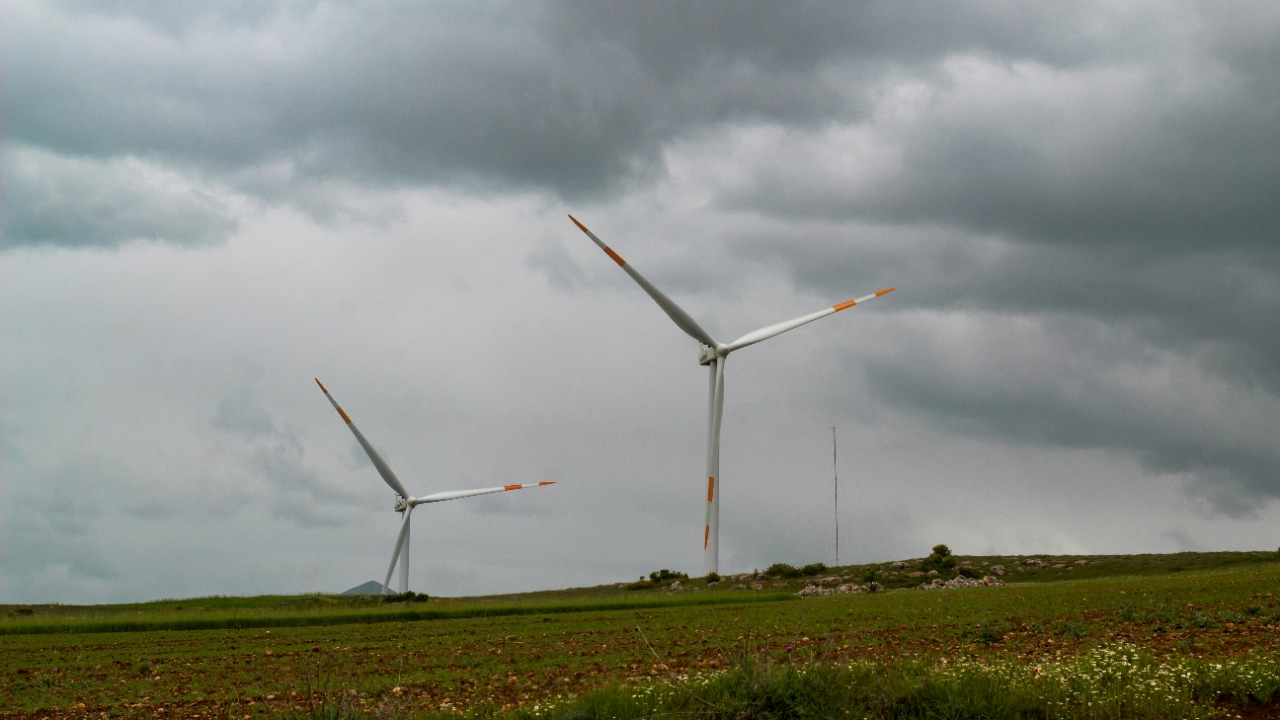
As climate change leads to an increase in the frequency and intensity of storms, the need for resilient renewable energy solutions becomes more pressing. Floating wind farms offer a potential solution as they can withstand these extreme weather events and continue to generate power. The role of floating wind farms in mitigating the effects of climate change is thus significant.
Research and development efforts continue to enhance the resilience of floating wind farms, focusing on improving materials, design, and automation systems. A notable example is the MingYang’s OceanX turbine, a twin-rotor design that aims to increase energy output and stability in extreme weather conditions.
Economic Implications of Storm-resistant Floating Wind Farms
The economic implications of using storm-resistant floating wind farms are far-reaching. For hurricane-prone areas, these farms can provide a reliable source of power, reducing the costs associated with power outages during storms. In the long run, despite the high initial investment, these structures can prove to be cost-effective through consistent energy generation and minimal downtime.
Additionally, the development of wind farms can provide economic benefits for local communities. These benefits include job creation in the construction and maintenance of wind farms, potential income from energy sales, and the positive impact of a stable power supply on local businesses and industries.
