Floating farms, a revolutionary approach to agriculture, are making waves in the fight against global food scarcity. By harnessing the potential of our water bodies, these farms have shown an impressive yield of up to 10 tons of food per acre, offering a promising and sustainable solution to nourish our ever-expanding population.
The Concept of Floating Farms
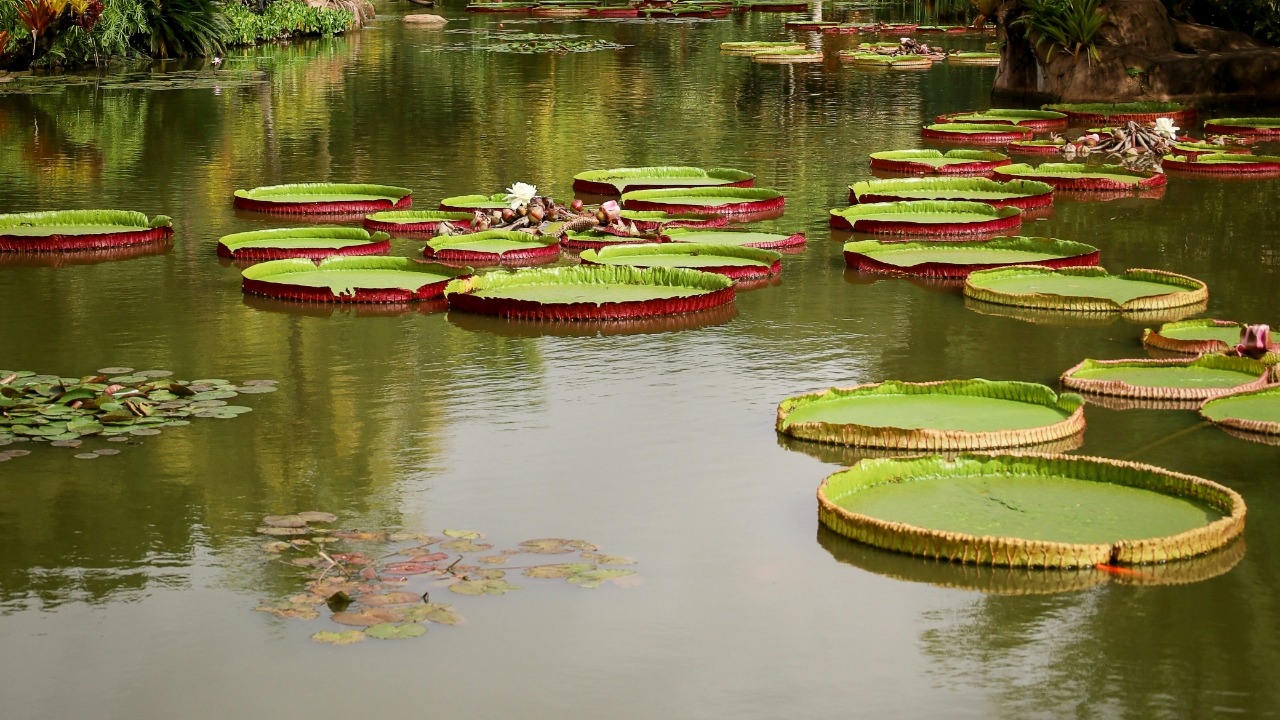
At its core, a floating farm is an agricultural setup built on a body of water. The concept taps into the untapped potential of our oceans, rivers, and lakes to cultivate crops and rear aquatic life. This idea isn’t new; in fact, it can be traced back to the Aztec civilization, where they used a system known as Chinampas or “floating gardens”.
Today, the concept of floating farms has evolved, and we see a variety of them. Some are simple rafts with soil and crops, while others are complex structures housing aquaculture and hydroponics systems. Regardless of the type, these farms are changing the face of agriculture by utilizing water bodies as productive farmland.
Productivity of Floating Farms compared to Traditional Farms
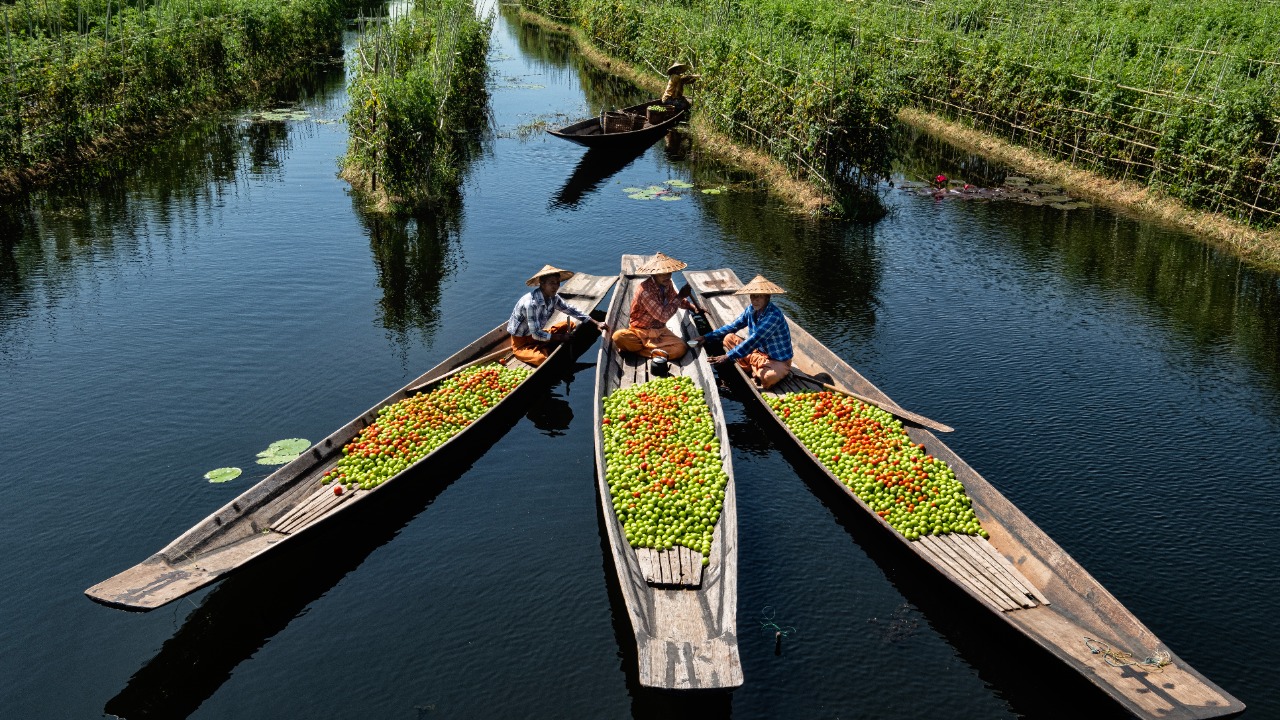
One of the key advantages of floating farms is their high productivity. Where traditional farmland may yield a few tons of food per acre, floating farms have the potential to produce up to 10 tons. This substantial difference is primarily due to the constant availability of water and nutrients, coupled with the possibility of year-round farming.
Compare this with traditional land-based farms, which are subject to the whims of weather and soil quality. The productivity of these farms can vary drastically, making them less reliable. With floating farms, however, the conditions can be more controlled, leading to a more consistent yield.
Environmental Benefits of Floating Farms
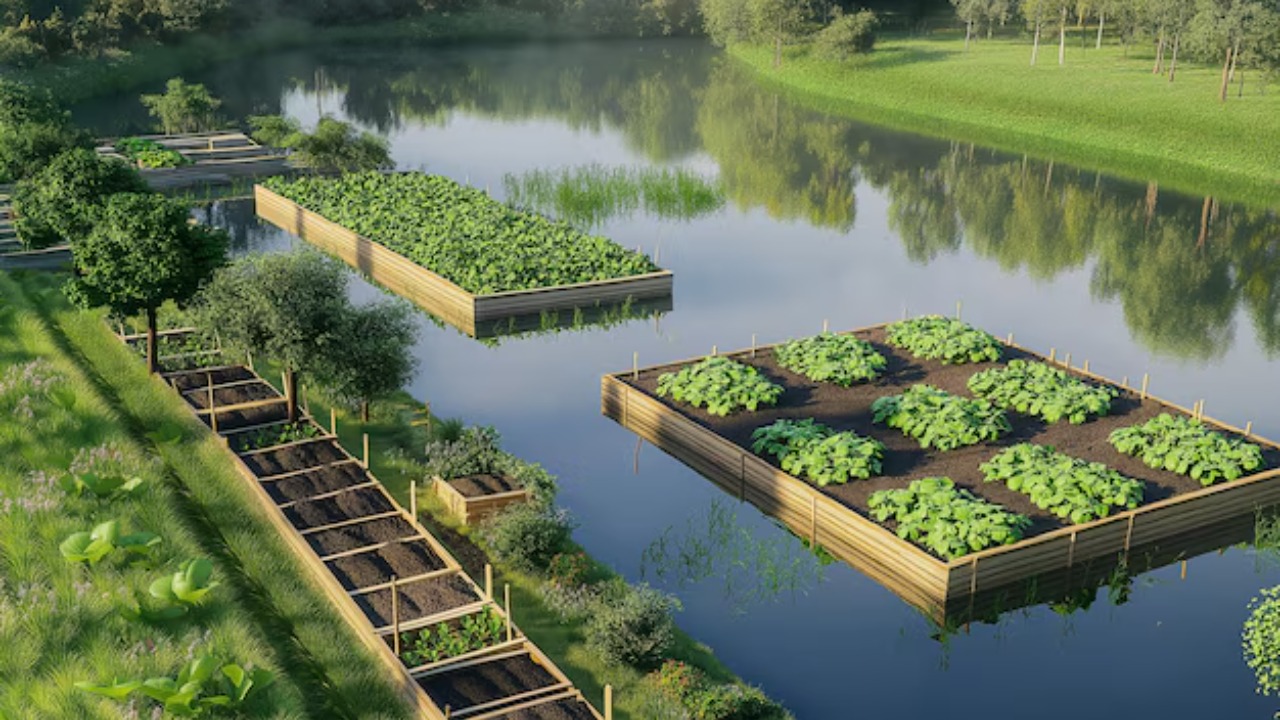
Aside from their productivity, floating farms also offer numerous environmental benefits. They can play a significant role in carbon sequestration, helping to offset greenhouse gas emissions. Additionally, they contribute to the preservation of marine life. For instance, the restored Aztec-era floating farms provide a safe habitat for endangered axolotls.
Moreover, floating farms can aid in water conservation. Unlike traditional farms which require significant water for irrigation, floating farms utilize the water they’re built on, significantly reducing water usage. Furthermore, by taking farming off the land, we preserve arable land, helping to prevent soil erosion and land degradation.
The Technological Aspect of Floating Farms
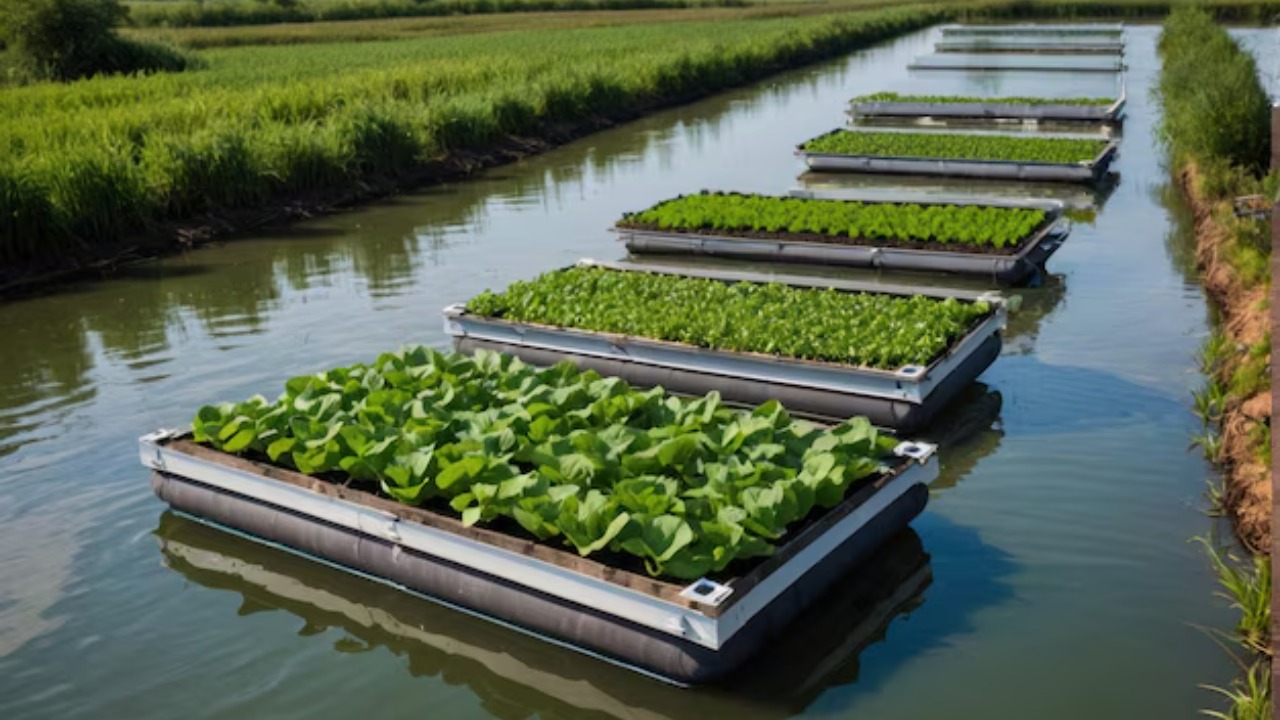
Technology plays a crucial role in the success of floating farms. Advanced systems monitor the health of the crops, ensuring optimal growth conditions. Additionally, these farms are increasingly incorporating renewable energy sources, such as solar panels, to power their operations.
Automation is another key aspect of these farms. Automated feeding and harvesting systems improve efficiency and reduce labor costs. These technological advancements not only boost productivity but also make floating farms a more sustainable and efficient alternative to traditional farming.
Challenges and Prospects of Floating Farms
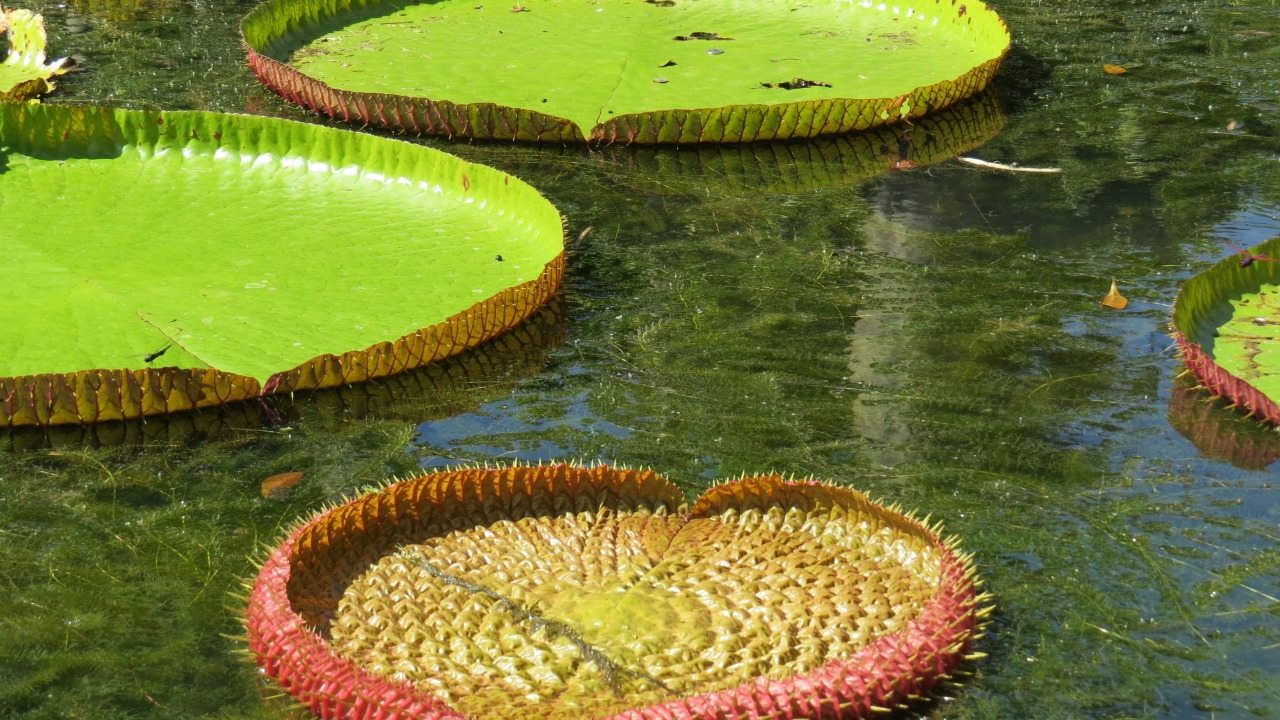
Despite their potential, floating farms face several challenges. The initial setup cost can be high, and maintenance on water can be more complicated than on land. Weather conditions, such as storms, can also pose a risk. However, these challenges are not insurmountable. With advancements in technology and design, the resilience and efficiency of floating farms are continually improving.
Looking ahead, the prospects of floating farms are promising. As we grapple with the impacts of climate change and a growing global population, these farms could play a significant role in ensuring food security. By turning to our water bodies, we can cultivate more food, while preserving our land and supporting our ecosystems. Floating farms may just be the future of sustainable farming.
