A recent exploration of a deep ocean ridge has unveiled an unexpected phenomenon: mysterious flashing lights emanating from the depths. These lights, captured by submersible cameras, have sparked intrigue and curiosity among scientists, as they may hold clues to unknown biological processes and geological activities. The potential origins and implications of these deep-sea illuminations are both fascinating and complex.
The Phenomenon of Deep Ocean Lights
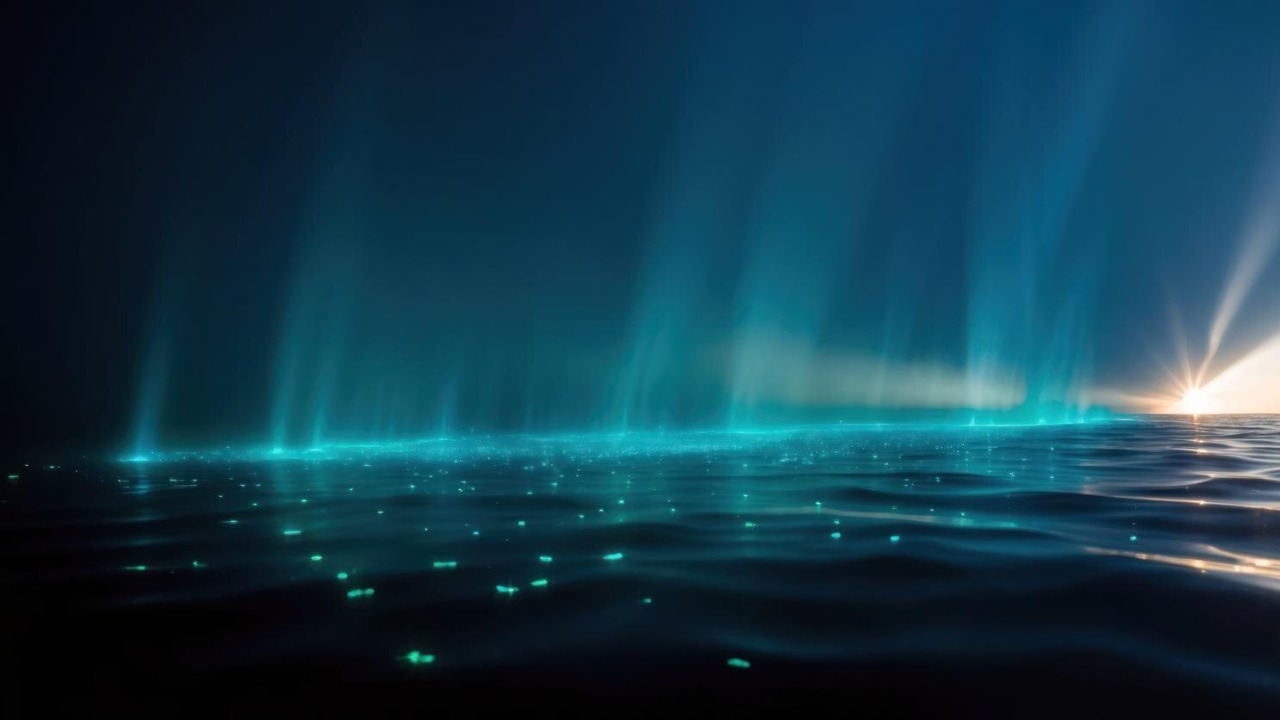
Recent sightings of flashing lights near deep ocean ridges have piqued scientific interest. During a Pacific exploration, as reported by the New York Times, these mysterious lights were observed by submersibles equipped with advanced cameras. The lights appeared in rhythmic patterns, suggesting a regular source of illumination. Such observations have led researchers to consider various scientific explanations, ranging from geological to biological origins.
Possible explanations for these phenomena include volcanic activity or the presence of bioluminescent organisms. Volcanic eruptions or hydrothermal vents could be responsible for the observed light patterns, as these geological events are known to produce glowing emissions. On the other hand, some scientists speculate that bioluminescent marine life forms could be the source, as suggested by studies published on ScienceDirect. Each theory presents a compelling case, necessitating further exploration.
Bioluminescence and Its Role in the Deep Sea
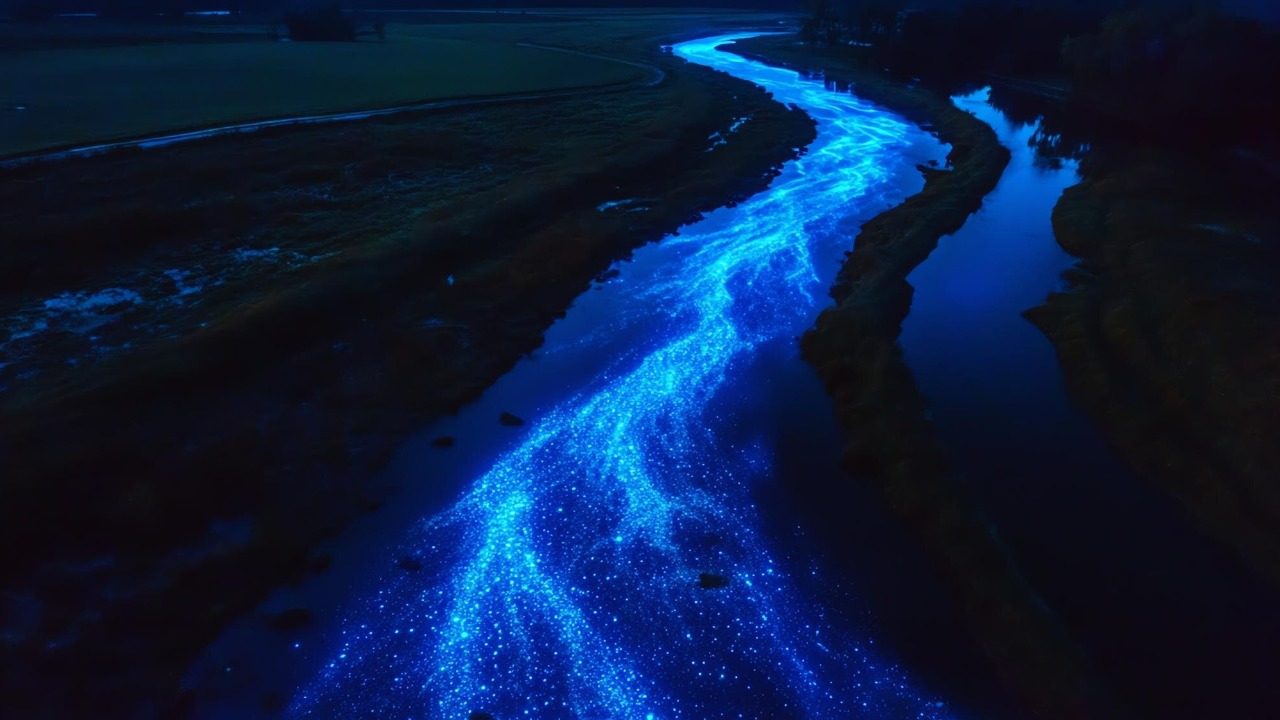
Bioluminescence is a well-known phenomenon in marine life, serving as both a survival mechanism and a communication tool. According to a Biological Reviews study, this ability to produce light has evolved in various deep-sea creatures, enabling them to attract prey, deter predators, and even find mates. The diversity of bioluminescent organisms is vast, with each species exhibiting unique light-producing capabilities.
A notable example of bioluminescent adaptation is the vent shrimp, which thrives in the extreme environments near hydrothermal vents. As highlighted by Florida International University, these shrimp have developed specialized adaptations to survive and communicate in the dark, pressurized depths of the ocean. Their bioluminescent abilities might provide insights into the mysterious lights detected near ocean ridges.
Geological Activity at Ocean Ridges

Volcanic eruptions and hydrothermal vents are significant sources of light in the deep ocean. These geological phenomena can produce vivid displays of light due to the intense heat and chemical reactions involved. Recent observations, as reported by the New York Times, have noted active volcanic eruptions along ocean ridges, which might correlate with the flashing lights observed by explorers.
The impact of such geological activities extends beyond mere illumination. According to InterRidge, these events play a crucial role in shaping marine ecosystems, providing heat and nutrients that support diverse biological communities. The interplay between geological processes and marine life can result in dynamic and vibrant ecological systems, potentially contributing to the observed light displays.
Implications for Science and Exploration
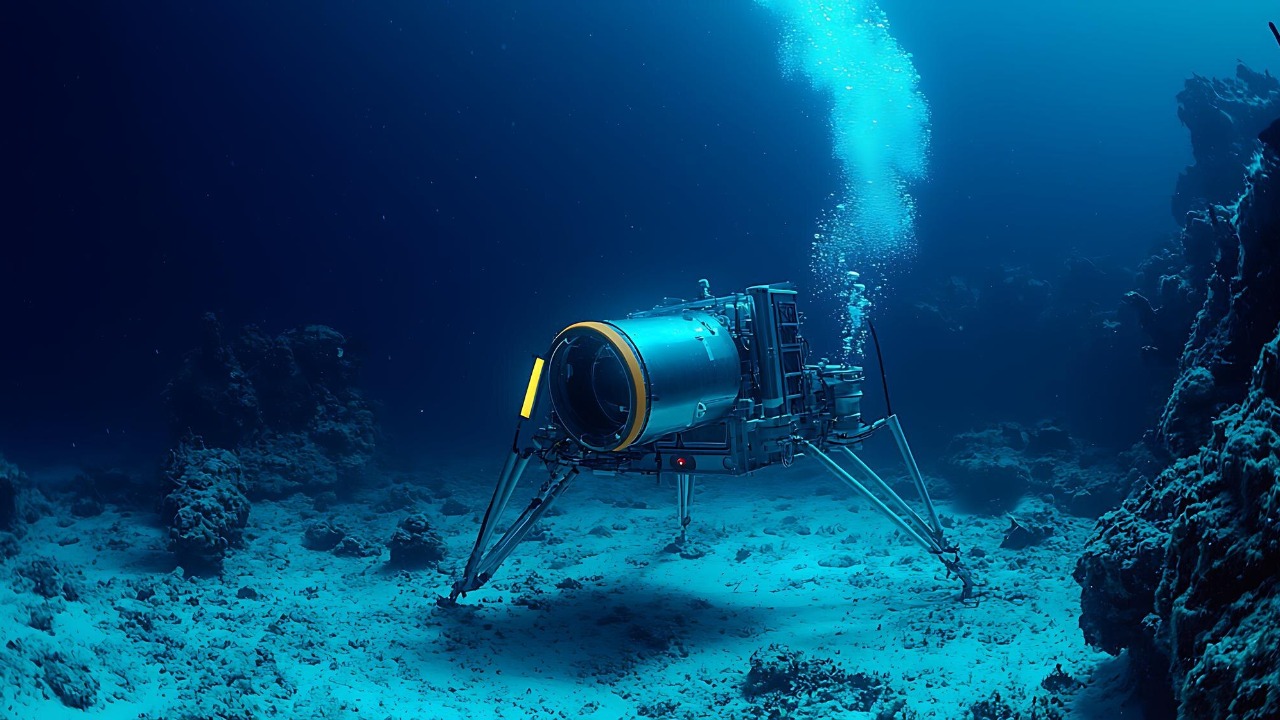
Advancements in deep-sea exploration technology are revolutionizing our understanding of oceanic processes. Modern submersibles and remote sensing tools are enabling scientists to explore previously inaccessible regions, uncovering new insights into the mysteries of the deep ocean. As InterRidge points out, these technological innovations are crucial for studying phenomena like the flashing lights at ocean ridges.
Future research directions include the potential discovery of new species or geological insights from these deep-sea illuminations. As mentioned by the New York Times and Cambridge, further exploration and study could lead to groundbreaking discoveries that enhance our understanding of both biological and geological processes in the ocean’s depths.
