In recent years, fitness apps have gained immense popularity as they offer users a convenient way to track their workouts, monitor health metrics, and achieve fitness goals. However, beneath the surface of these seemingly harmless applications lies a concerning trend: the sale of biometric scans and personal data to third-party data brokers. This article delves into the implications of this practice, exploring how it affects user privacy and what can be done to mitigate these risks.
The Rise of Fitness Apps and Data Collection

The fitness app industry has experienced a meteoric rise, driven by consumer interest in health and wellness. Apps like MyFitnessPal, Strava, and Fitbit have become household names, offering users a suite of tools to track everything from diet to physical activity. As a result, these apps collect a treasure trove of biometric data, including heart rate, GPS locations, and even social interactions. This data is invaluable not only to users seeking to improve their health but also to companies aiming to monetize this information.
While users may willingly provide this data, the legal framework surrounding its collection is often murky. Consent forms are typically buried in lengthy terms and conditions that users rarely read. As a result, many are unaware of the extent of data collection and how their information might be used or shared. The lack of transparency and the complexity of privacy policies make it challenging for users to make informed decisions about their data.
The Role of Data Brokers in the Fitness App Ecosystem
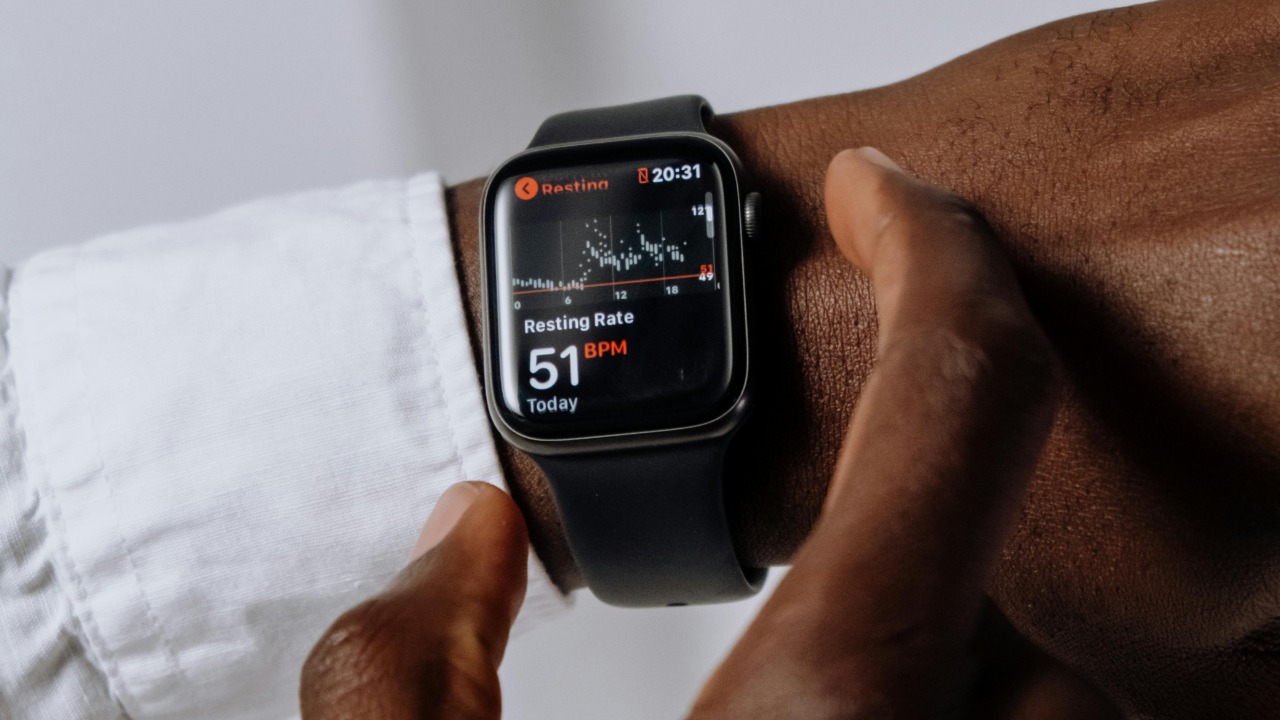
Data brokers play a pivotal role in the fitness app ecosystem by purchasing and selling user data. Companies like Acxiom and Experian aggregate data from various sources, including fitness apps, to create detailed consumer profiles. These profiles are then sold to marketers, insurers, and even potential employers. The business model is lucrative, but it raises significant ethical concerns about the commodification of personal information.
Fitness app data is particularly attractive to data brokers because it provides insights into a user’s lifestyle and health status. By analyzing biometric data, brokers can infer a person’s physical activity level, dietary habits, and even mental well-being. This information can be used to target users with specific advertising or influence decisions in areas like insurance premiums. The ethical implications of selling such intimate data are profound, as it often occurs without the user’s explicit knowledge or consent.
Implications for User Privacy and Security

The sale of biometric data to third parties poses significant risks to user privacy. Once data is sold, users lose control over who can access their information and how it is used. This loss of control can lead to unintended consequences, such as discrimination or identity theft. Additionally, the aggregation of biometric data can create detailed profiles that are highly sought after by cybercriminals.
Storing and transmitting biometric data also presents security vulnerabilities. Fitness apps often lack robust security measures, making them susceptible to data breaches. Once a breach occurs, sensitive information can be exposed, leading to financial and reputational damage. These practices erode user trust and raise broader concerns about digital privacy. As users become more aware of these risks, they may become reluctant to share their data, impacting the growth and innovation of the industry.
Current Regulatory Landscape and Legal Challenges

The regulatory landscape surrounding data privacy is complex and varies across jurisdictions. In the United States, laws like the California Consumer Privacy Act (CCPA) provide some protection, but they often fall short of comprehensive data protection. The European Union’s General Data Protection Regulation (GDPR) sets a higher standard, requiring companies to obtain explicit consent before collecting personal data. However, the global nature of the fitness app industry means that companies must navigate a patchwork of regulations, leading to legal challenges and compliance issues.
Companies face significant hurdles in complying with privacy laws across different regions. The lack of harmonized regulations makes it difficult to implement consistent data protection practices. As a result, there is a growing call for reforms that would create a unified approach to data privacy. Advocacy groups play a crucial role in pushing for stronger legislation, highlighting the need for greater transparency and user control over personal data.
Empowering Users: Steps to Protect Personal Data

Users can take proactive steps to protect their personal data when using fitness apps. One of the most effective measures is to choose apps with robust privacy policies and data protection measures. Users should carefully review privacy settings and app permissions, opting to share only what is necessary for the app’s functionality. Additionally, it’s essential to stay informed about the latest security practices and updates from app developers.
Managing app permissions is another critical step in safeguarding personal data. Users should regularly audit the permissions granted to apps and revoke access to any unnecessary or outdated permissions. This practice helps limit the amount of data that is collected and shared with third parties. Furthermore, users can explore technological solutions like virtual private networks (VPNs) to enhance their online privacy.
Finally, users should advocate for stronger data protection measures by supporting organizations that promote digital privacy. By raising awareness and demanding greater transparency, consumers can influence the industry’s approach to data privacy. As the landscape continues to evolve, it is crucial for users to remain vigilant and proactive in protecting their personal information.
