The Greek Wildlife Group has made a groundbreaking discovery, unearthing the first wolf-dog hybrid in Greece. This find, confirmed through DNA testing, marks the country’s inaugural documented case of such genetic intermingling between wild wolves and domestic dogs. This revelation, first reported in early October 2025, has significant implications for local wildlife conservation.
Initial Breaking Report
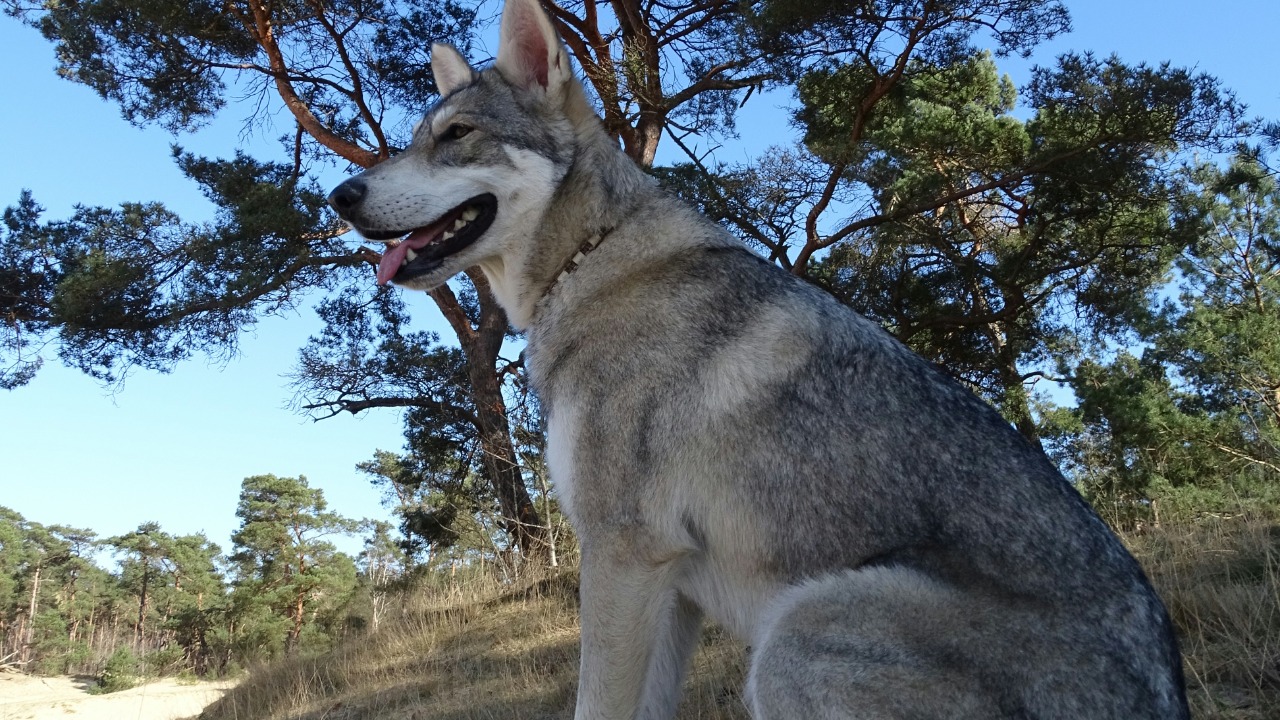
The discovery of the first wolf-dog hybrid in Greece was initially announced in a report titled “First wolf-dog hybrid confirmed in Greece.” This marked the beginning of public awareness about the existence of such a hybrid in the country. The report, published on October 3, 2025, was the first to provide time-sensitive coverage on this new wildlife event, shifting from previous unverified sightings to official recognition.
This confirmation of the hybrid’s existence is a significant development, as it represents the first instance of such a creature being officially recognized in Greece. This fact underscores the importance of the discovery and its potential implications for wildlife conservation in the country.
The initial report not only sparked interest among the public but also among scientific communities and wildlife conservationists. The discovery of the wolf-dog hybrid in Greece, as reported by The National Herald, has opened up new avenues for research into the genetic diversity of wildlife in the region. The report has also triggered discussions about the potential impact of such hybrids on the local ecosystem and biodiversity.
Furthermore, the initial breaking report has set a precedent for future wildlife discoveries in Greece. It has highlighted the need for rigorous scientific verification of such findings, thereby setting a high standard for future wildlife reports. The report’s impact extends beyond the immediate discovery, influencing the broader discourse on wildlife conservation in Greece.
Advancement to DNA Verification
The story took a significant turn with the publication of an update titled “Greece Confirms First DNA-Proven Wolf-Dog Hybrid.” This report, published just a day after the initial announcement, introduced genetic evidence that strengthened the initial report. The DNA-proven aspect of the first wolf-dog hybrid provides material evidence that alters previous assumptions about hybridization in the region.
The DNA verification of the wolf-dog hybrid is a critical development in this story. It not only confirms the existence of the hybrid but also provides a scientific basis for understanding the genetic intermingling between wild wolves and domestic dogs in Greece.
The DNA verification process, as detailed in the Greek Reporter, involved a meticulous examination of the hybrid’s genetic makeup. This process not only confirmed the hybrid’s existence but also provided insights into its lineage, shedding light on the extent of genetic intermingling between wolves and dogs in Greece. The DNA verification has thus added a new dimension to our understanding of wildlife genetics in the region.
Moreover, the DNA verification has set a benchmark for future wildlife discoveries in Greece. It has demonstrated the importance of scientific rigor in confirming such findings, thereby influencing the methodologies employed in future wildlife research. The DNA verification has also underscored the role of genetic testing in wildlife conservation, highlighting its potential in identifying and understanding new species or hybrids.
Greek Wildlife Group’s Statement
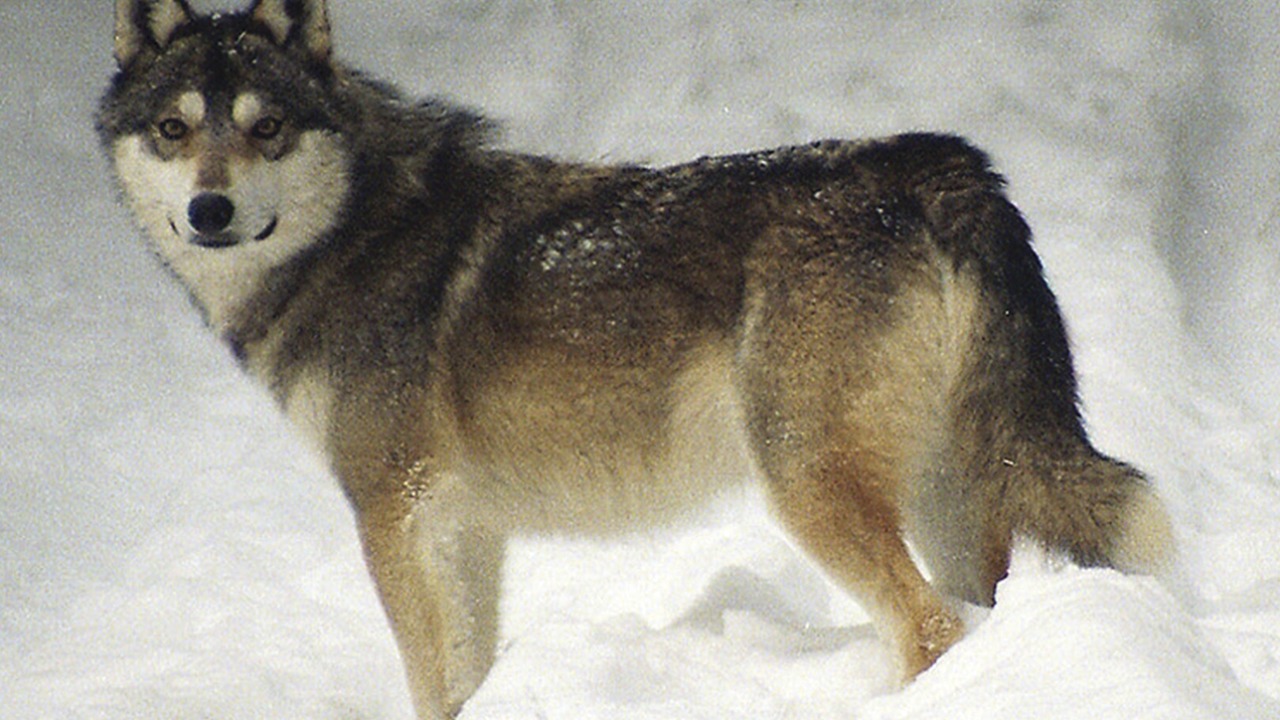
The Greek Wildlife Group, the organization that found the hybrid, made a direct claim of discovery in an announcement titled “Greek Wildlife Group Says Found First Wolf-Dog Hybrid.” This statement, published on October 6, 2025, establishes the Greek Wildlife Group as the primary stakeholder in this confirmation.
The involvement of the Greek Wildlife Group in the discovery of the wolf-dog hybrid is significant. As a major conservation organization, their role in this discovery not only lends credibility to the finding but also highlights their commitment to wildlife conservation in Greece.
In their statement, the Greek Wildlife Group emphasized the importance of the discovery for wildlife conservation in Greece. They highlighted the need for increased vigilance in monitoring wildlife populations, particularly in regions where wolves and dogs coexist. The statement, as reported by The National Herald, also called for further research into the genetic diversity of wildlife in Greece, underscoring the potential of such research in informing conservation strategies.
The Greek Wildlife Group’s statement also highlighted the role of community engagement in wildlife conservation. They urged local communities to report any unusual wildlife sightings, emphasizing the importance of public participation in wildlife monitoring and conservation. The statement thus not only confirmed the discovery of the wolf-dog hybrid but also outlined the broader implications of the finding for wildlife conservation in Greece.
Geographic Focus in Greece

The confirmation of the first wolf-dog hybrid in Greece has national significance for local ecosystems. The fact that this hybrid was found within the country’s borders underscores the unique wildlife narratives of Greece’s terrain. This discovery also highlights the potential for similar occurrences in other parts of the country.
The Greek Wildlife Group’s finding of the wolf-dog hybrid within the nation’s borders further emphasizes the geographic focus of this discovery. This event could potentially influence future conservation policies and strategies in Greece, particularly those related to the management of wild wolves and domestic dogs.
The geographic focus of this discovery in Greece has brought attention to the country’s unique wildlife narratives. As reported by Phys.org, the presence of the wolf-dog hybrid in Greece suggests a complex interplay between wild and domestic animals in the region. This interplay, influenced by factors such as habitat fragmentation and human-wildlife interactions, has potential implications for wildlife conservation in the country.
The discovery of the wolf-dog hybrid in Greece also underscores the country’s rich biodiversity. It highlights the potential for similar discoveries in the future, thereby emphasizing the need for comprehensive wildlife monitoring and research in the region. The geographic focus of this discovery thus not only confirms the presence of the hybrid in Greece but also sheds light on the country’s diverse wildlife narratives.
Evolution of Coverage Timeline

The evolution of the coverage timeline reflects the unfolding of the story from the initial sighting to the DNA confirmation of the wolf-dog hybrid. As reported by Greek Reporter, the timeline demonstrates the progression of scientific verification, highlighting the importance of rigorous testing in wildlife discoveries. The timeline also underscores the role of continuous reporting in keeping the public informed about developments in the story.
Moreover, the evolution of the coverage timeline provides insights into the process of wildlife discovery and verification. It illustrates the steps involved, from initial sighting and reporting to scientific testing and confirmation. The coverage timeline thus not only chronicles the discovery of the wolf-dog hybrid but also provides a blueprint for future wildlife discoveries in Greece.
Stakeholder Impact on Conservation

The discovery of the wolf-dog hybrid has significant implications for stakeholders involved in wildlife conservation in Greece. As reported by Phys.org, the Greek Wildlife Group, as the primary stakeholder, now faces the challenge of monitoring the hybrid population and assessing its impact on local ecosystems. The discovery also prompts other stakeholders, such as government agencies and non-governmental organizations, to reassess their conservation strategies in light of the new finding.
Furthermore, the confirmation of the hybrid has implications for conservation policies in Greece. It necessitates a review of existing policies related to the management of wild wolves and domestic dogs, and may lead to the formulation of new policies to address the potential threats posed by hybrids. The stakeholder impact on conservation thus extends beyond the immediate discovery, influencing the broader landscape of wildlife conservation in Greece.
