Recent advancements in technology have enabled scientists to create the first-ever 3D map of an ancient underground ocean, a groundbreaking discovery that offers unprecedented insights into Earth’s geological past. This discovery not only sheds light on the history of our planet but also opens up new avenues for understanding ancient ecosystems and their evolution.
The Discovery of the Ancient Underground Ocean
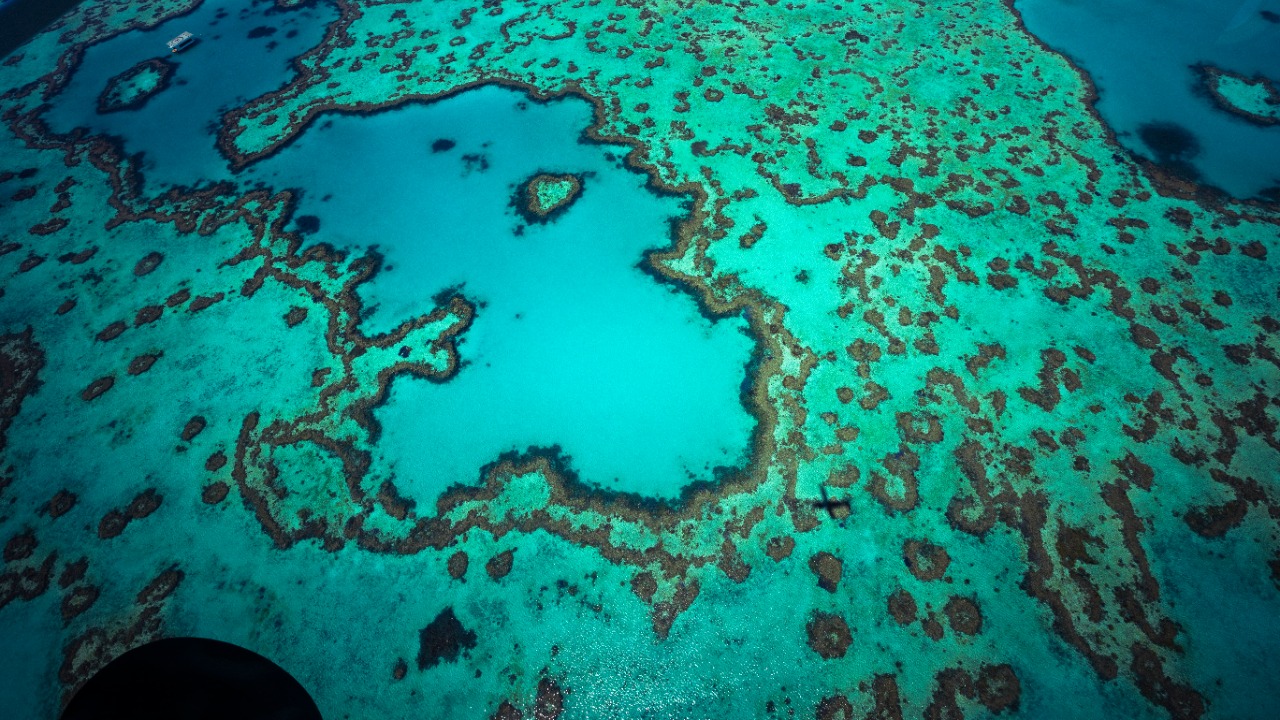
The discovery of the ancient underground ocean marks a significant milestone in the field of geology. This hidden aquatic world was unveiled through a combination of cutting-edge technology and satellite imaging. Using these tools, scientists were able to penetrate deep beneath the Earth’s surface, revealing a vast expanse of water that had long been concealed from view. The role of technology in this discovery cannot be overstated, as it allowed researchers to bypass the immense challenges posed by traditional methods of geological exploration.
Key locations of this underground ocean span several continents, with depths reaching thousands of meters below the surface. These findings are of immense significance to geological studies, as they provide a window into the ancient climatic conditions of our planet. The estimated size and volume of this ancient body of water suggest that it may have played a crucial role in shaping Earth’s historical climate. By understanding the dynamics of this subterranean ocean, scientists can gain valuable insights into how ancient ecosystems evolved and adapted over millions of years.
In light of these discoveries, the implications for Earth’s historical climate are profound. The presence of such a massive body of water beneath the surface could have influenced atmospheric conditions, potentially affecting global temperatures and precipitation patterns. This revelation challenges existing theories about Earth’s climate history and opens up new avenues for research. Scientists are now eager to explore how this ancient ocean may have interacted with other geological features, such as tectonic plates and volcanic activity, to shape the planet’s development over geological time scales.
Technology Behind 3D Mapping
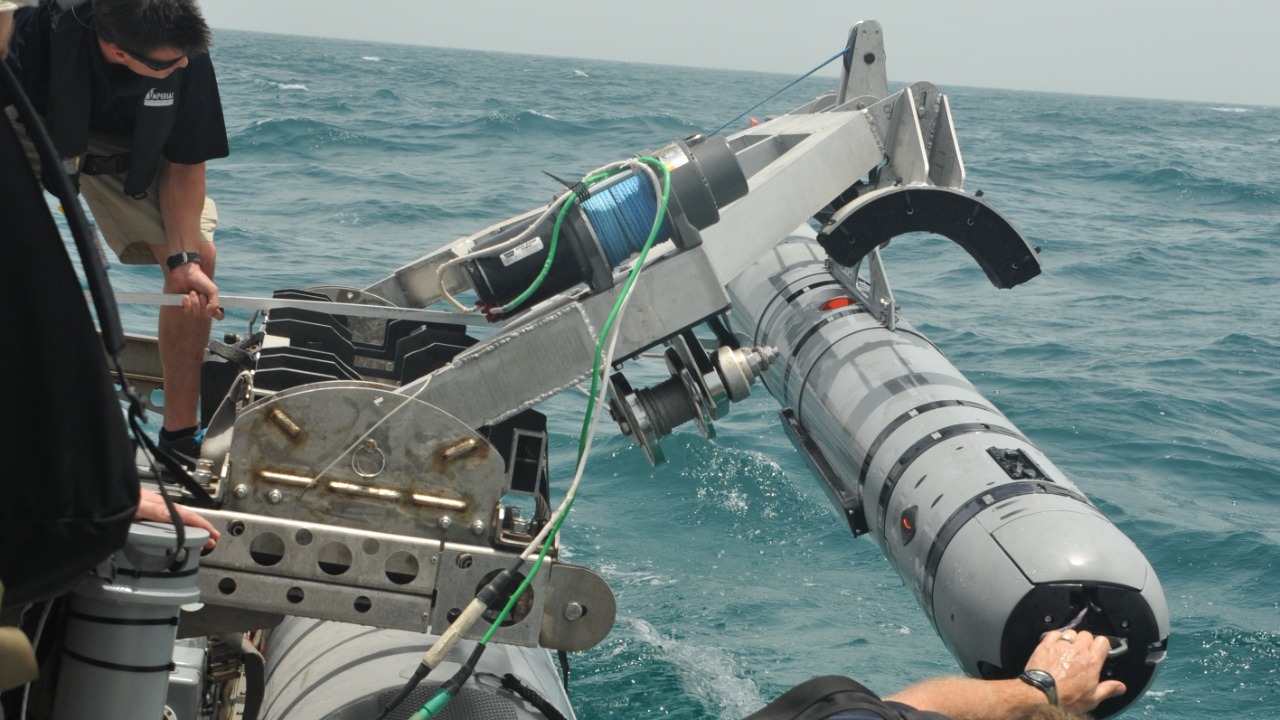
The creation of the 3D map of the ancient underground ocean was made possible through an array of sophisticated tools and techniques. Among these, sonar technology and seismic surveys played pivotal roles in delineating the contours and depths of this hidden water body. By bouncing sound waves off submerged surfaces, scientists were able to generate detailed images of the ocean’s topography. This information was then fed into advanced computer models, which constructed a comprehensive three-dimensional representation of the ancient ocean.
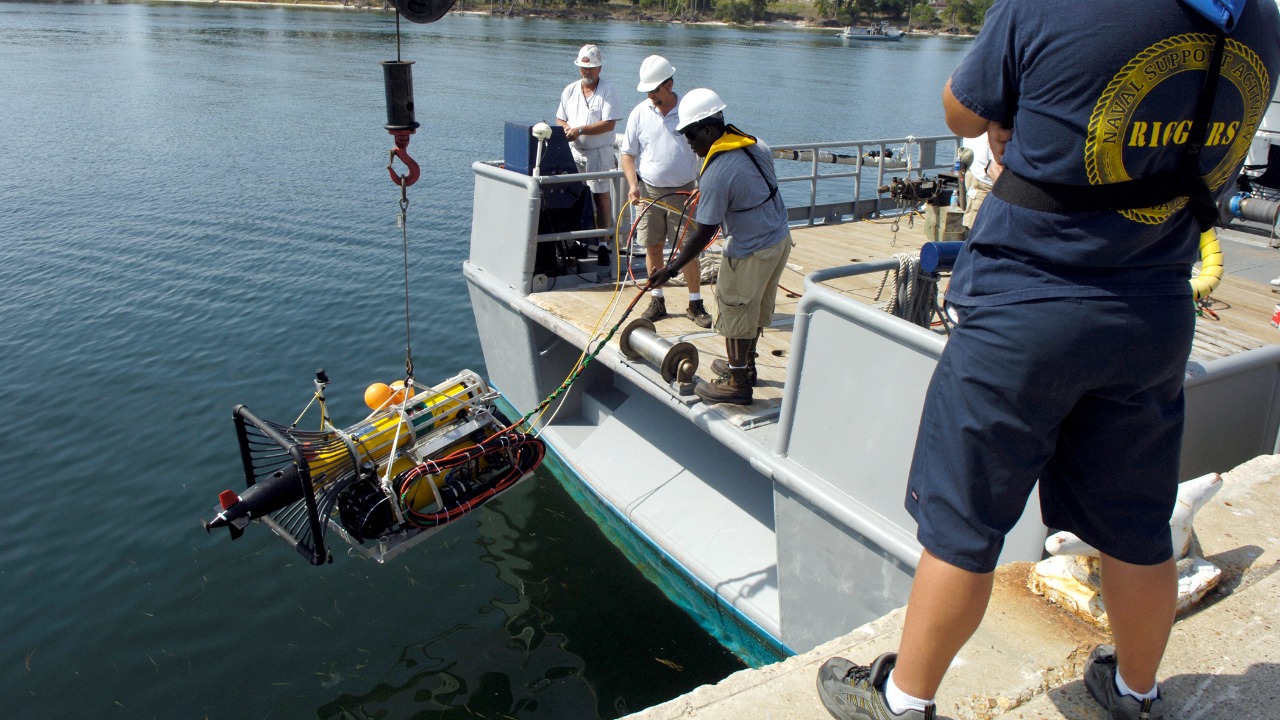
International collaboration was instrumental in this endeavor. Researchers from various scientific disciplines, including geology, oceanography, and computer science, pooled their expertise and resources to overcome the challenges inherent in underwater exploration. The use of state-of-the-art equipment, such as remotely operated vehicles (ROVs) and autonomous underwater vehicles (AUVs), enabled scientists to gather data from previously inaccessible areas. This collaborative approach not only expedited the mapping process but also fostered a spirit of innovation and creativity among the scientific community.
Despite the significant advancements in technology, the process of creating the 3D map was not without its challenges. The complexity of underwater exploration, coupled with the vast scale of the underground ocean, posed numerous obstacles to researchers. Adverse environmental conditions, such as high pressure and low temperatures, further complicated data collection efforts. However, through meticulous planning and the development of innovative methodologies, scientists were able to overcome these hurdles and produce a groundbreaking map that promises to transform our understanding of Earth’s geological history.
Significance for Archaeology and Geology
The discovery of the ancient underground ocean holds profound implications for both archaeology and geology. By examining the geological timeline during which this ocean existed, researchers can gain a clearer understanding of the planet’s evolutionary history. The presence of such a vast aquatic environment may have had significant effects on the tectonic movements that shaped the continents and influenced the formation of geological features that we see today.
Moreover, this discovery offers a unique opportunity to explore ancient marine life and ecosystems. The existence of an underground ocean suggests that unique forms of life may have thrived in these isolated environments, potentially offering clues about the origins of biodiversity on our planet. By studying the fossilized remains of organisms that once inhabited this ocean, scientists can gain insights into the evolutionary processes that have shaped life on Earth over millions of years.
From a geological perspective, the discovery of the ancient underground ocean enhances our understanding of tectonic processes and continental formation. The pressure exerted by such a massive body of water could have influenced the movement of tectonic plates, leading to the creation of mountains, valleys, and other geological features. By analyzing the geological record, scientists can piece together a more comprehensive picture of how these processes have shaped the Earth’s surface over time, providing valuable context for ongoing research in plate tectonics and geological evolution.
Comparison with Other Underwater Discoveries
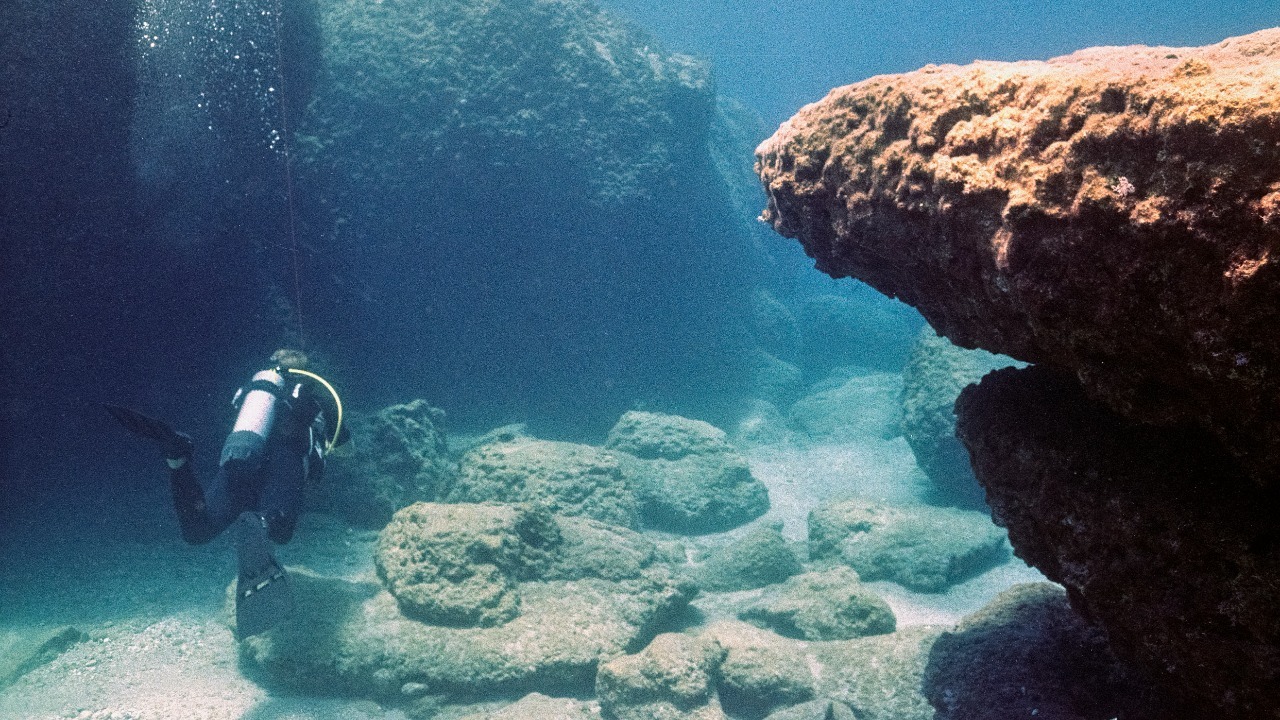
In comparing the 3D map of the ancient underground ocean with other underwater discoveries, such as the ancient underwater city of Pavlopetri in Greece and the megastructure in the Baltic Sea, we gain valuable insights into the diversity of submerged environments. While these discoveries differ in scale and significance, they are united by their ability to shed light on the past and enhance our understanding of human and natural history.
The ancient underwater city of Pavlopetri, for instance, offers a glimpse into the lives of early civilizations, providing a tangible connection to our cultural heritage. In contrast, the Baltic Sea megastructure challenges conventional understandings of historical architecture and engineering, prompting new questions about the technological capabilities of ancient societies. Meanwhile, the 3D map of the ancient underground ocean stands out for its sheer scale and the technological innovations required to unveil its secrets.
These comparisons highlight the importance of technological advancement in underwater exploration. The ability to accurately map and analyze submerged environments has revolutionized our understanding of the past, paving the way for future discoveries. As researchers continue to push the boundaries of what is possible, we can expect further breakthroughs that will enhance our knowledge of both ancient civilizations and the natural world.
Future Research and Exploration Opportunities
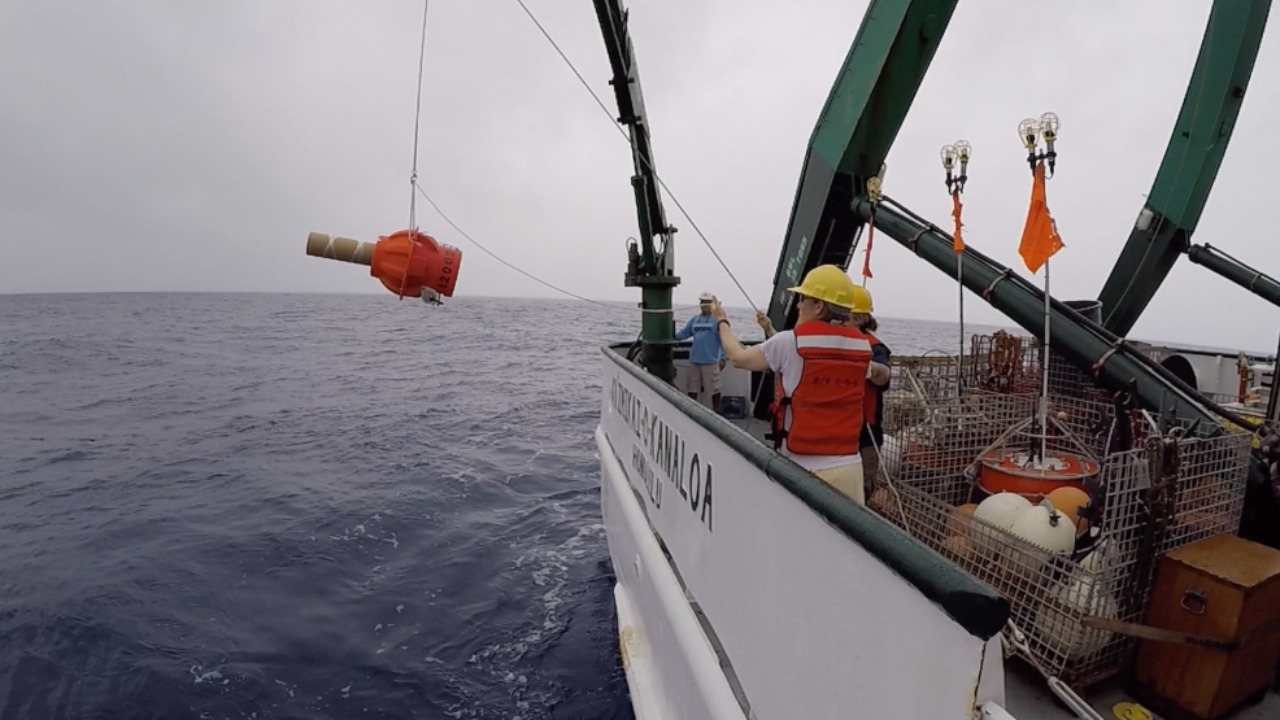
The 3D mapping of the ancient underground ocean opens up exciting opportunities for further research and exploration. Armed with this detailed map, scientists can now embark on targeted archaeological digs and geological studies to uncover more about this hidden world. By focusing on specific areas of interest, researchers can maximize their efforts and gather more precise data, leading to new insights into the history of our planet.
This discovery also has the potential to influence funding and interest in underwater research. As the significance of the ancient underground ocean becomes more widely recognized, it is likely to attract increased investment from governments, research institutions, and private organizations. This influx of resources could facilitate the development of new technologies and methodologies, further advancing our ability to explore underwater environments and uncover their secrets.
In addition to its scientific implications, the discovery of the ancient underground ocean presents an opportunity for educational initiatives aimed at promoting awareness and understanding of underwater geological phenomena. By engaging the public and fostering a sense of curiosity about the natural world, these initiatives can inspire the next generation of scientists and researchers. Through outreach programs, workshops, and interactive exhibits, individuals of all ages can learn about the significance of underwater exploration and its potential to transform our understanding of the Earth.
