In a groundbreaking development, Chinese researchers have introduced a revolutionary lithium metal battery with a built-in fire suppressant system. This innovation promises to mitigate the risks of explosions and fires, which have long plagued lithium battery technology, potentially transforming energy storage applications.
The Need for Safer Battery Technology

In recent years, the prevalence of lithium battery fires has become a significant concern, as evidenced by numerous incidents affecting consumer electronics, electric vehicles, and even aviation. These fires are not only hazardous but can also result in substantial economic losses and damage to brand reputations. The incidents have highlighted the critical need for advancements in battery safety to protect consumers and the environment.
Despite various safety measures in conventional lithium batteries, such as thermal cut-offs and pressure relief valves, these solutions often fall short in preventing catastrophic failures. The increasing demand for safer batteries is particularly evident in industries like electric vehicles and consumer electronics, where battery reliability is paramount. As these sectors continue to grow, the push for more robust safety solutions becomes more urgent.
The Revolutionary Lithium Metal Battery
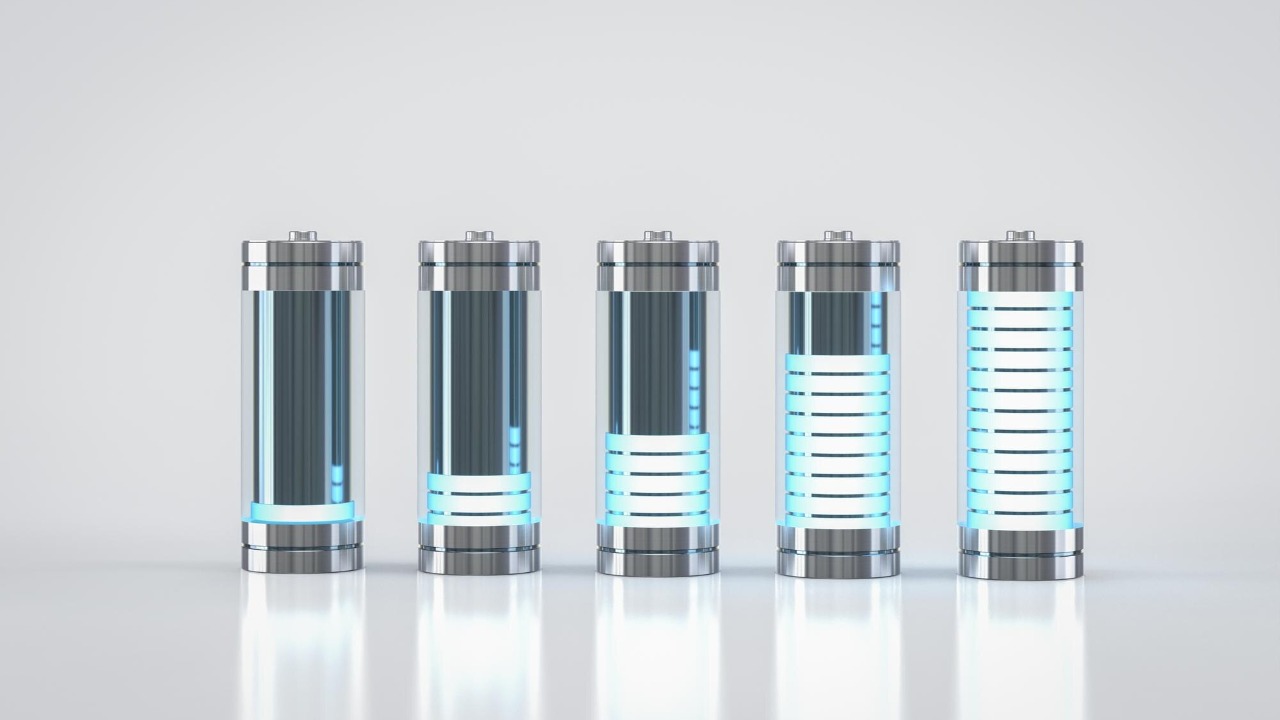
This new lithium metal battery stands out due to its innovative technical specifications that set it apart from traditional lithium-ion variants. It boasts a higher energy density, which translates to longer usage times and greater efficiency. More importantly, the inclusion of a built-in fire suppressant marks a significant leap forward in battery design, addressing the longstanding safety issues associated with lithium-based energy storage.
The fire suppressant system in this battery employs advanced materials and design principles to effectively prevent thermal runaway, the primary cause of battery fires. Chinese researchers have played a pivotal role in this technological advancement, leveraging their expertise in materials science and engineering to develop a solution that could potentially reshape the future of energy storage.
Mechanism of Built-in Fire Suppression
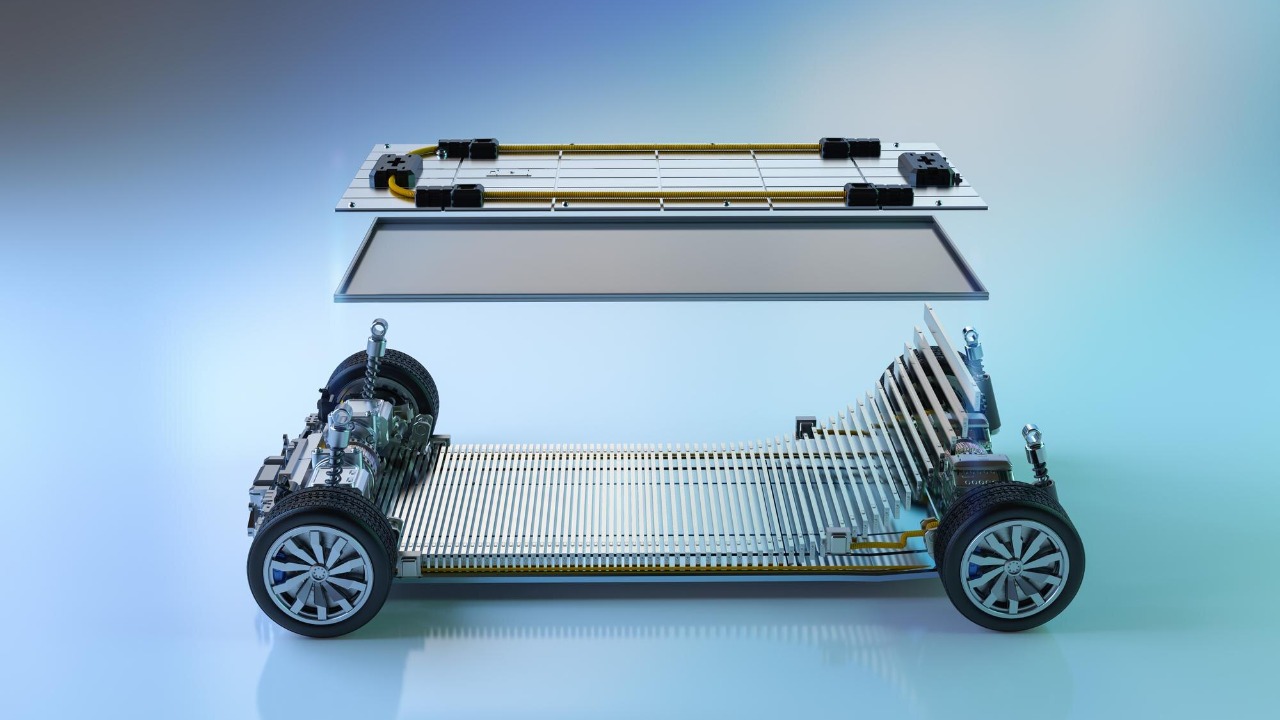
The fire suppressant integrated into the battery is a sophisticated composition designed to activate under specific conditions. It consists of chemicals that can rapidly extinguish flames, preventing the spread of fire and minimizing damage. This system is a stark departure from traditional fire suppression techniques that often require external intervention and can be less effective in certain scenarios.
Activation of the fire suppressant occurs when the battery’s internal temperature exceeds a predetermined threshold, signaling the onset of thermal runaway. This automatic response ensures that fires are contained quickly and efficiently. Compared to other methods, this built-in approach offers enhanced efficiency and effectiveness, reducing the risk of battery explosions significantly.
Potential Applications and Benefits

The impact of this revolutionary battery technology on the electric vehicle industry is expected to be profound. By enhancing safety and consumer confidence, it could accelerate the adoption of electric vehicles, contributing to a more sustainable future. The improved safety features not only protect users but also help manufacturers avoid costly recalls and damage to brand reputation.
In the realm of consumer electronics, this advancement reduces the risks associated with everyday devices like smartphones and laptops. The integration of a built-in fire suppressant offers peace of mind to consumers who rely on these devices for daily activities. Moreover, the broader implications for energy storage are significant, particularly in the context of renewable energy integration and grid storage solutions, where safety and reliability are critical.
Challenges and Future Prospects

Despite its promising potential, the widespread adoption of this new battery technology faces challenges related to manufacturing and scalability. Overcoming these production hurdles is essential for bringing the technology to market and ensuring it can be produced at a cost that is competitive with existing solutions. Researchers and manufacturers must collaborate to refine production processes and materials to achieve this goal.
Another critical aspect is ensuring compliance with regulatory and safety standards on a global scale. This involves rigorous testing and validation to meet international guidelines, ensuring the batteries are safe for widespread use. Looking ahead, future research will likely focus on further improving the efficiency and reliability of fire suppression systems, as well as exploring new materials and innovations that could enhance overall battery performance.
