The landscape of aviation takes a mighty leap forward with the imminent construction of the world’s most powerful fighter jet engine, boasting a remarkable 40,000 lbs thrust power. This monumental development holds great promise in redefining the scope of aviation technology and global defense systems.
Origins of the World’s Most Powerful Fighter Jet Engine
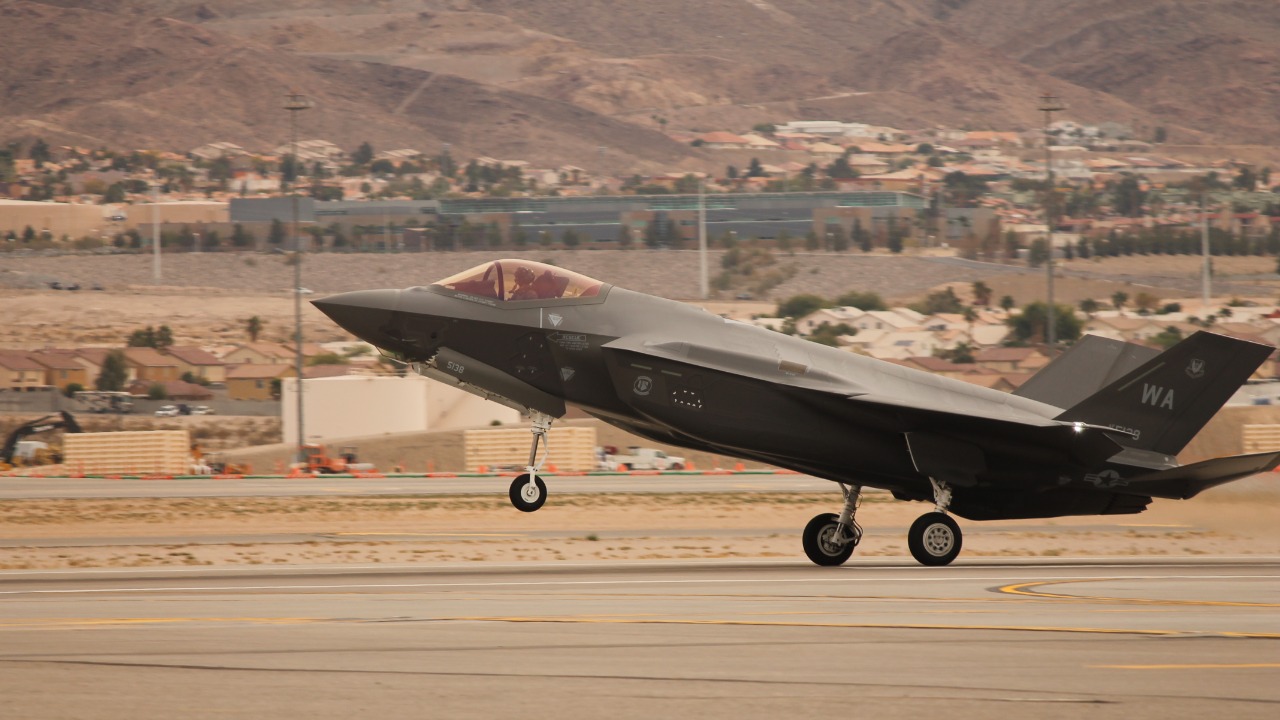
The genesis of this power-packed engine can be traced back to the long-standing contributions of General Electric’s aerospace division to aviation technology. Over the years, GE Aerospace has played a pivotal role in shaping the industry, launching cutting-edge innovations that have propelled the sector forward.
Another significant contributor to this groundbreaking project is Pratt & Whitney. The company played a vital role in the development of the F135 engine, the driving force behind the F-35. Their work on the F135 engine set the foundation for the creation of the world’s most potent fighter jet engine we are discussing today.
Features of the New Fighter Jet Engine
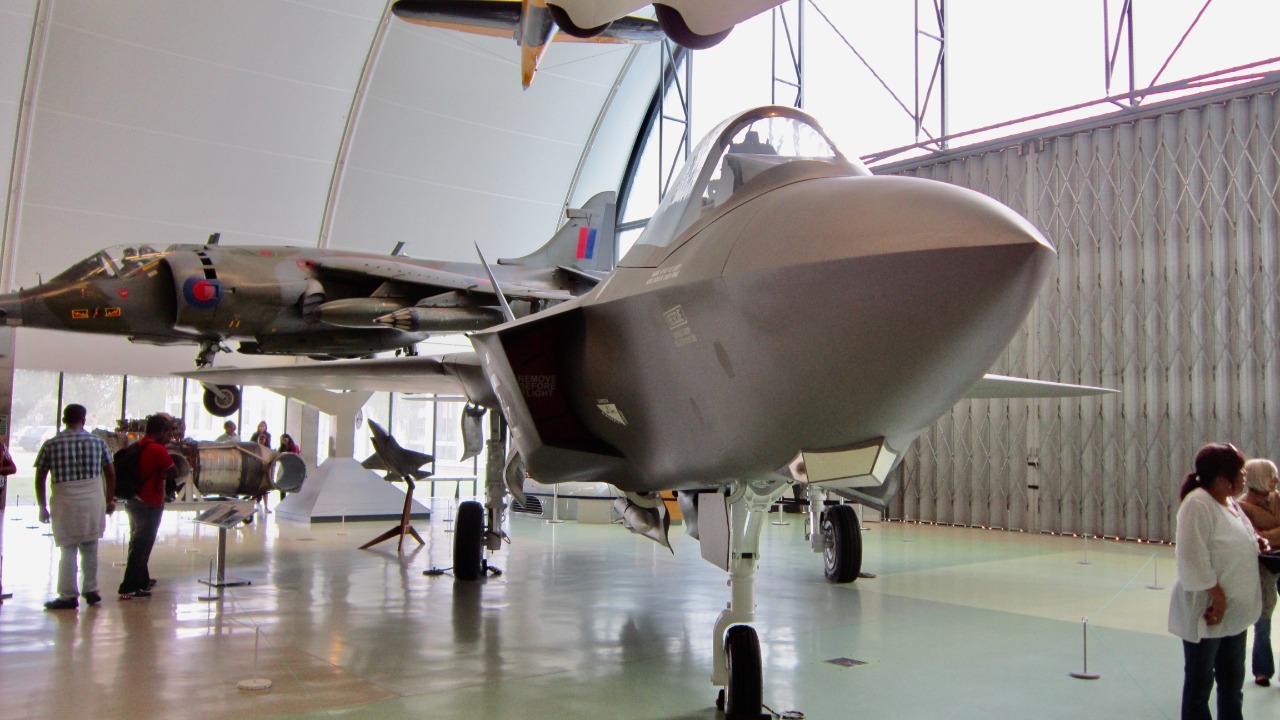
The central highlight of the new engine is its unprecedented 40,000 lbs thrust power. This feature signifies a significant leap in fighter jet performance, setting new standards for speed, maneuverability, and overall efficiency. It promises to transform the dynamics of air combat, providing a competitive edge to the aircraft equipped with it.
When compared with other high-performance engines used in the world’s fastest fighter jets, the new engine stands a cut above the rest. According to a ranking by AeroTime, none of the top 10 fastest fighter jets possess an engine with a similar thrust power, making this new engine a unique marvel in its own right.
The Construction Process of the New Units
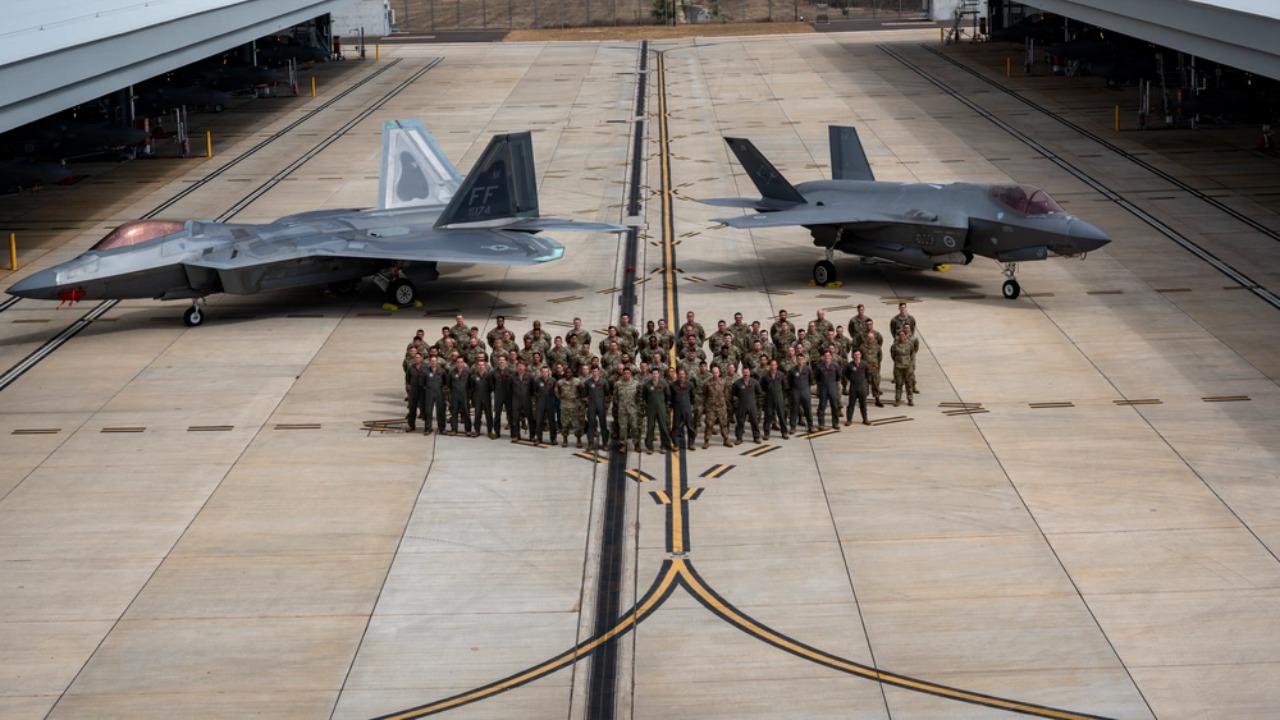
The construction of the new engine units is a complex process that involves cutting-edge technologies and methodologies. It represents the culmination of decades of research and technological advancement in jet engine construction. The process is meticulously planned and executed to ensure that every unit meets the strict performance and safety standards set by aviation authorities.
While specifics regarding the construction process aren’t available, the process is likely to involve a combination of traditional manufacturing techniques and advanced technologies, such as additive manufacturing. Insights from The Air Current suggest that modern jet engine construction often involves a mix of these methods to achieve optimal results.
Impact on Global Defense Systems
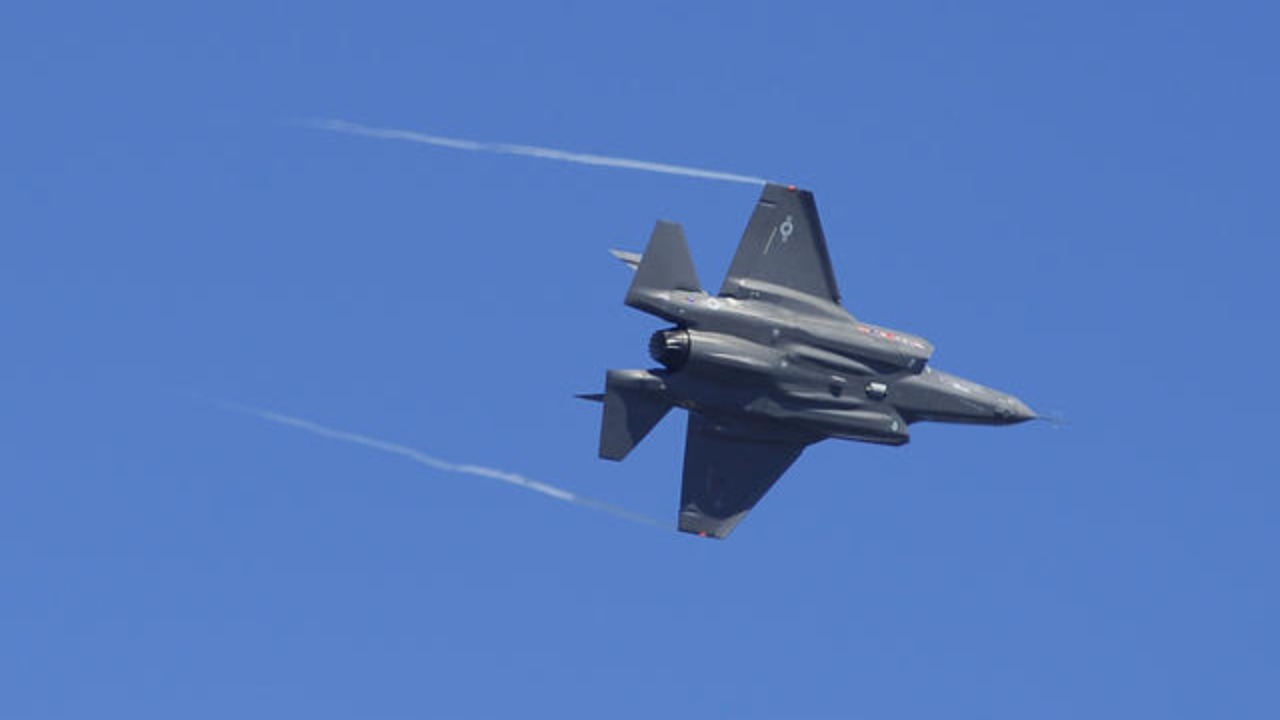
The introduction of this high-powered engine stands to revolutionize global defense systems significantly. By enhancing the performance and capabilities of modern fighter jets, it will play a crucial role in determining air superiority. The engine’s unique features could potentially redefine the balance of power in the skies, making it a game-changing development for military aviation worldwide.
However, the exact implications for global defense systems will largely depend on how widely the new engine is adopted and the strategies employed by different countries. Nevertheless, this development is sure to send ripples through the global defense landscape, prompting nations to reconsider their air defense strategies.
Future Prospects of Fighter Jet Engines
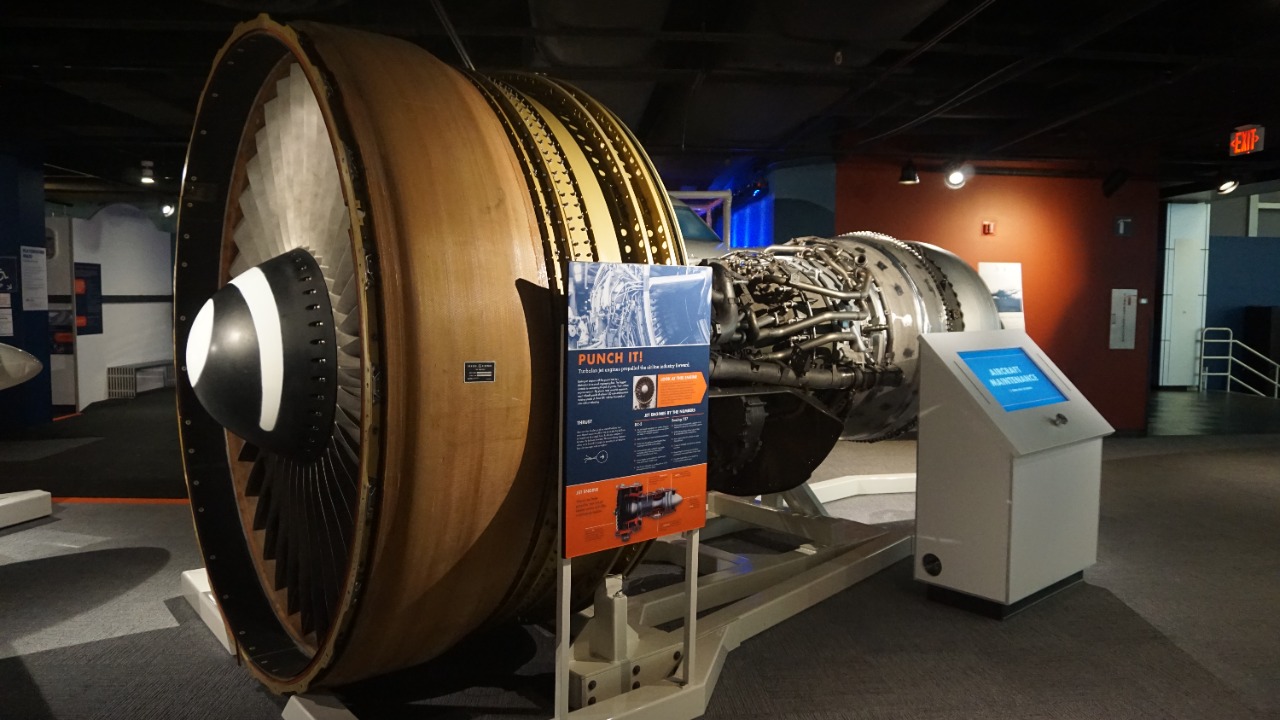
Looking ahead, the future of fighter jet engines appears promising, with continuous advancements in aviation technology paving the way for more potent and efficient engines. The current trend hints at the possibility of engines with even greater thrust power, further pushing the boundaries of speed and performance.
Another critical aspect to consider is the longevity of these engines. Drawing from the example of the GE CF6, the world’s longest-running commercial jet engine program, it becomes evident that with proper maintenance and upgrades, jet engines can have a significantly long lifespan. According to Simple Flying, the GE CF6 has been in service for over 50 years, setting a benchmark for engine longevity.
