The ozone layer, a crucial shield that protects the Earth from harmful ultraviolet radiation, is recovering quicker than anticipated. However, this seemingly positive news could paradoxically lead to an acceleration in global warming. In the quest to understand the intricate relationship between these phenomena, data applications for climate mapping are becoming an essential tool.
The Unexpected Speed of Ozone Recovery
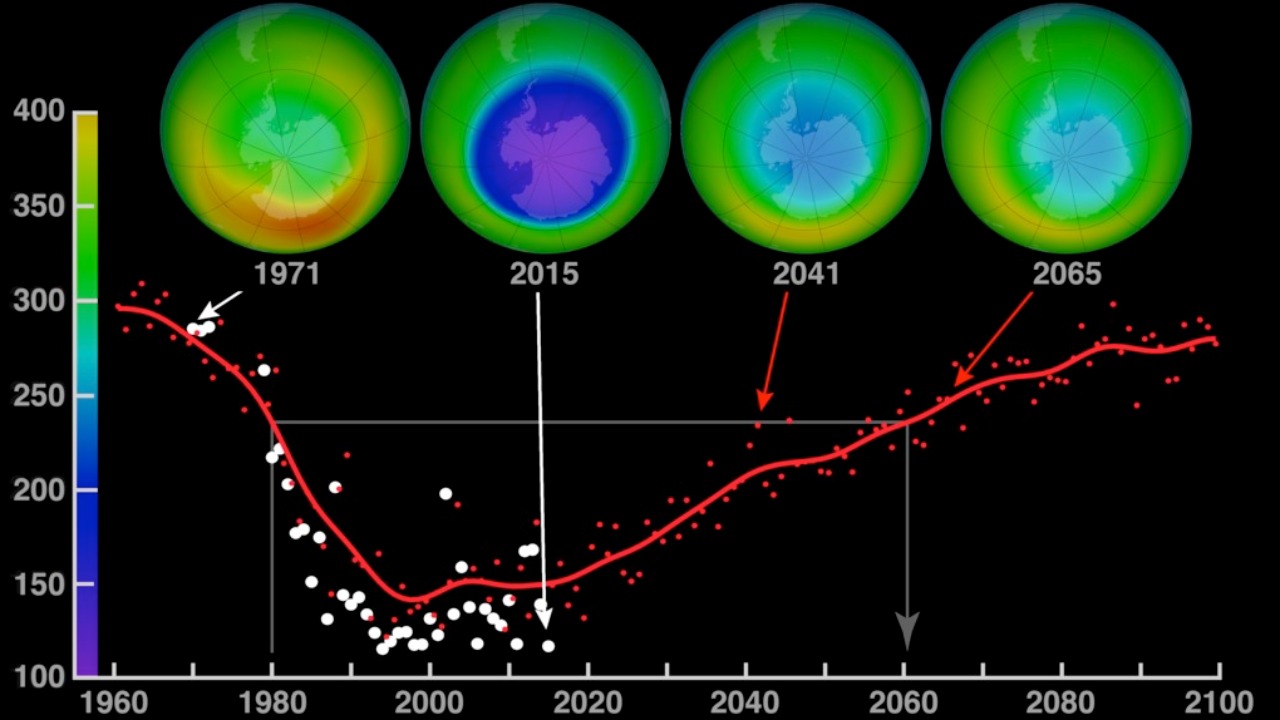
Recent studies, such as those published in Nature, have indicated that the ozone layer is healing faster than initially predicted. This accelerated recovery is largely attributed to the global effort to phase out ozone-depleting substances as a result of the Montreal Protocol in 1987.
However, this rapid recovery is not without its potential dangers. The swift healing of the ozone layer could lead to unexpected changes in atmospheric circulation and weather patterns, which could have significant implications for ecosystems and human societies.
The Link Between Ozone Recovery and Global Warming
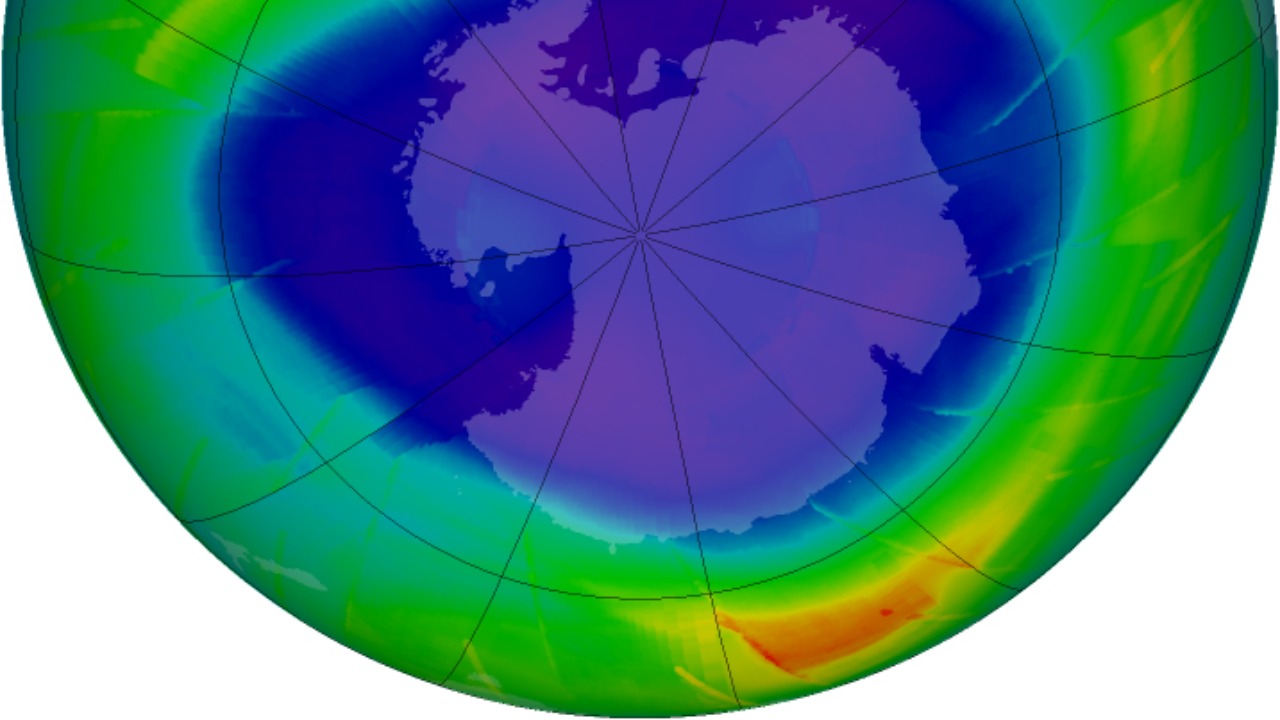
While a healing ozone layer is undoubtedly beneficial in terms of shielding us from harmful UV radiation, it can ironically contribute to global warming. A study published on Earth.com explains that a stronger ozone layer can trap more heat in the Earth’s atmosphere, thereby exacerbating the greenhouse effect.
This is further complicated by the fact that some of the chemicals used as substitutes for ozone-depleting substances are potent greenhouse gases themselves. This means they can contribute significantly to global warming, aggravating an already critical situation.
Data Applications for Climate Mapping
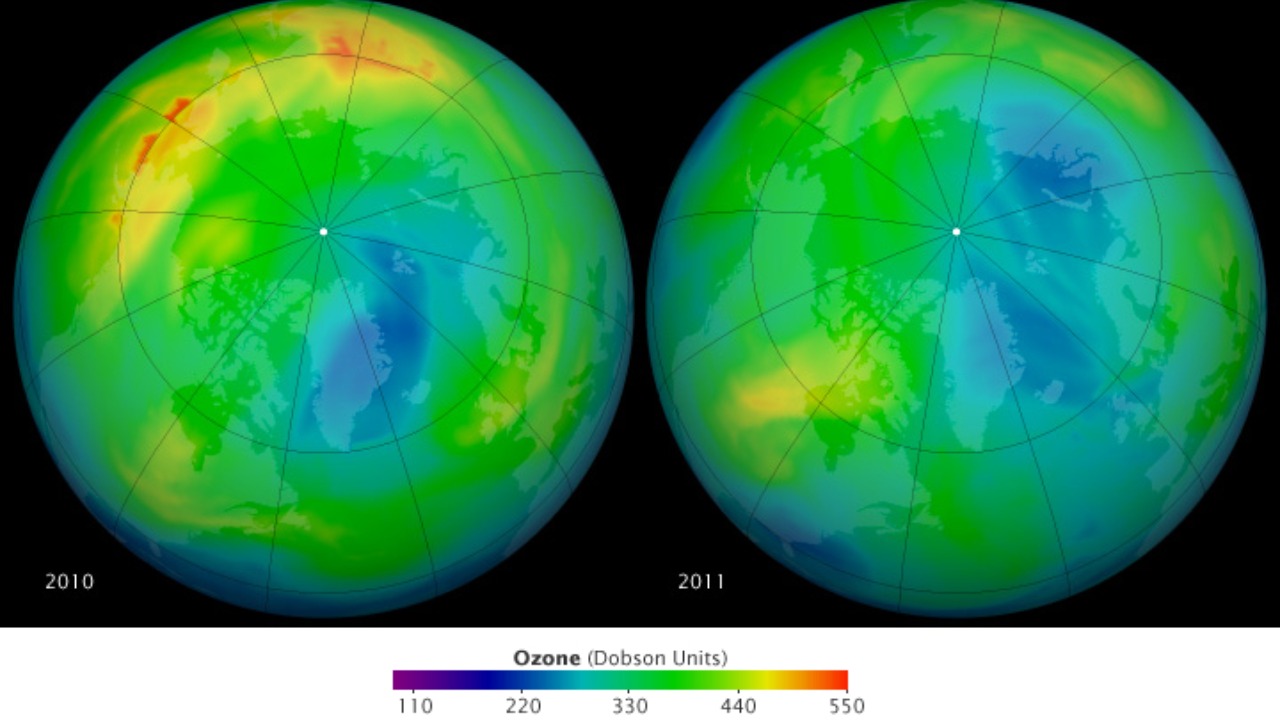
Data applications for climate mapping are tools designed to visualize and analyze climate data. These applications can process vast amounts of data from various sources, including satellite imagery, weather station data, and atmospheric measurements, to create detailed maps and models of climate patterns.
One powerful example of such an application is ClimateViewer, a web-based tool that allows users to explore and analyze real-time climate data from around the world. Other notable applications include NASA’s Panoply and NOAA’s Climate Reanalyzer, both of which are critical resources for scientists studying climate change.
The Role of Climate Mapping in Understanding Global Warming
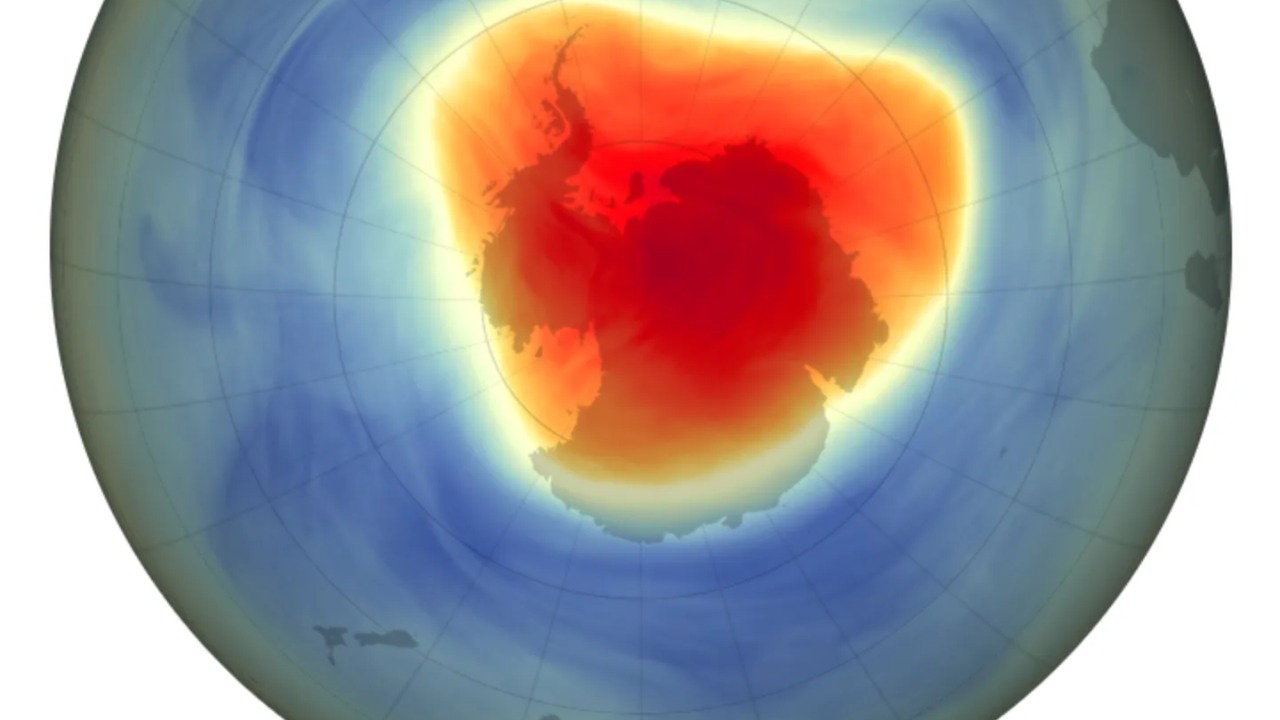
Climate mapping is crucial in tracking global warming trends. By examining and comparing climate maps over time, scientists can observe changes in temperature, precipitation, and other climatic factors. This information can then be used to understand the rate and extent of global warming, and to predict future scenarios.
For instance, climate maps were instrumental in a study published in Torrossa, which used climate mapping to demonstrate the significant warming of the Arctic region over the past few decades. Such studies underscore the value of climate mapping in monitoring and understanding global warming.
How Climate Mapping Can Help Mitigate Global Warming
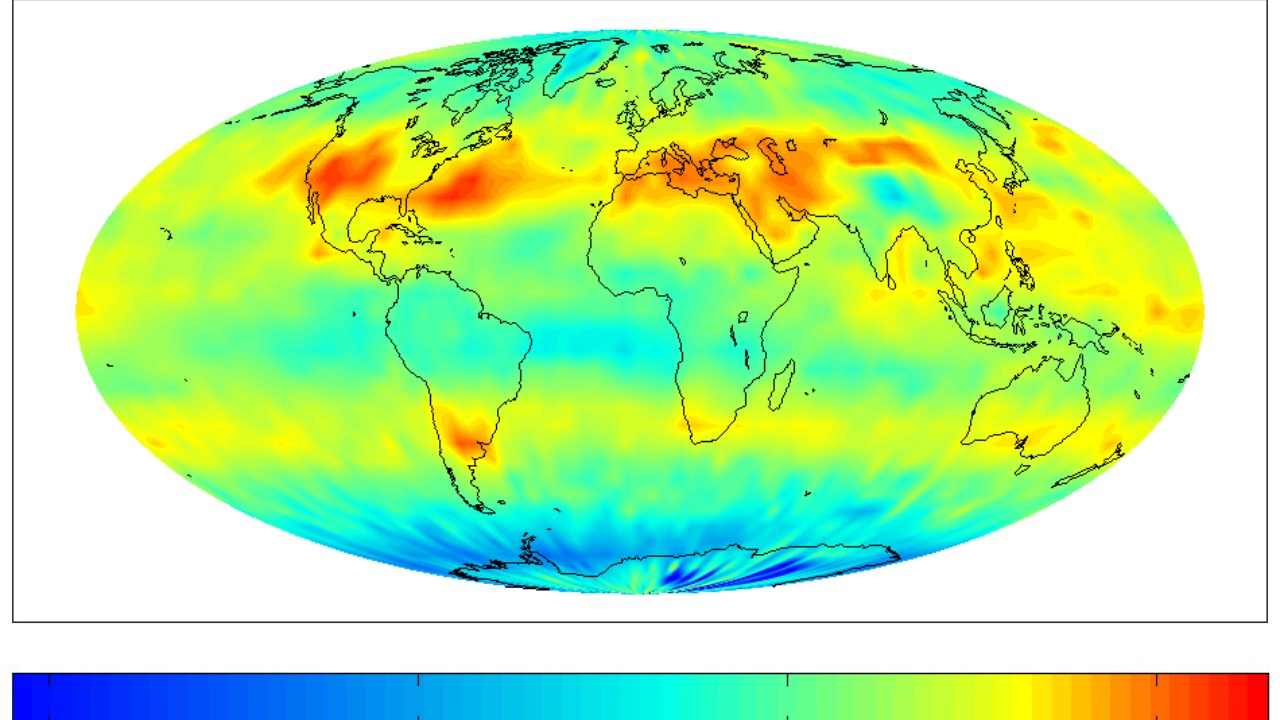
Climate mapping can also guide policy decisions aimed at mitigating global warming. By providing a clear picture of the areas most affected by climate change, these maps can help policymakers identify where intervention is most needed and what strategies might be most effective.
Furthermore, climate mapping can be a powerful tool for raising public awareness about global warming. Interactive climate maps, such as those produced by Climate Central’s Surging Seas project, allow people to visualize the potential impacts of climate change on their local areas, which can motivate them to take action.
Future Perspectives
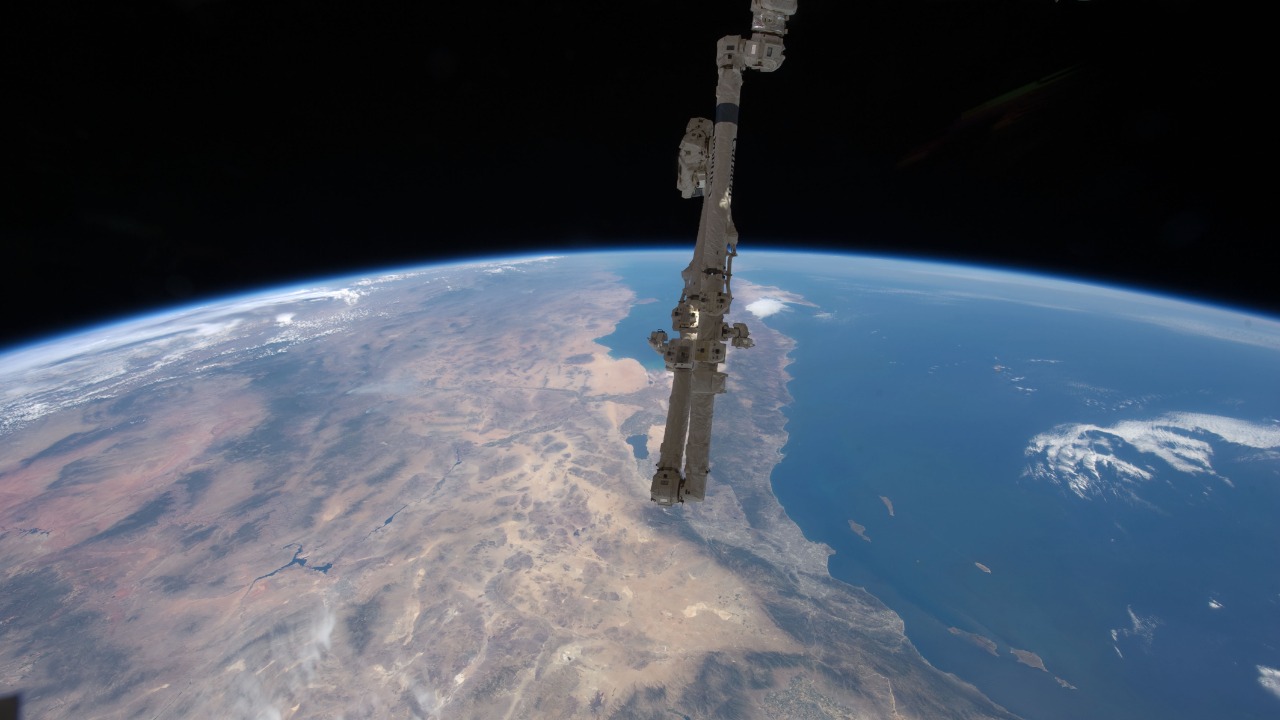
As technology continues to evolve, we can expect further advancements in climate mapping. These advancements will likely lead to even more accurate and detailed maps, which will be invaluable in our ongoing efforts to understand and combat global warming.
At the same time, the potential impacts of continued ozone recovery on global warming remain a significant concern. Continuous research and data collection, such as the insightful studies on ResearchGate, are crucial in helping us navigate this complex issue. As the ozone layer continues to recover, and as our understanding of these phenomena deepens, our response to global warming must adapt accordingly.
