The U.S. Department of Defense has embarked on a new era in military aviation with the initiation of production for the 6th generation Next Generation Air Dominance (NGAD) fighter, the F-47. This development marks a significant shift in the landscape of military aviation.
1. The F-47 NGAD:
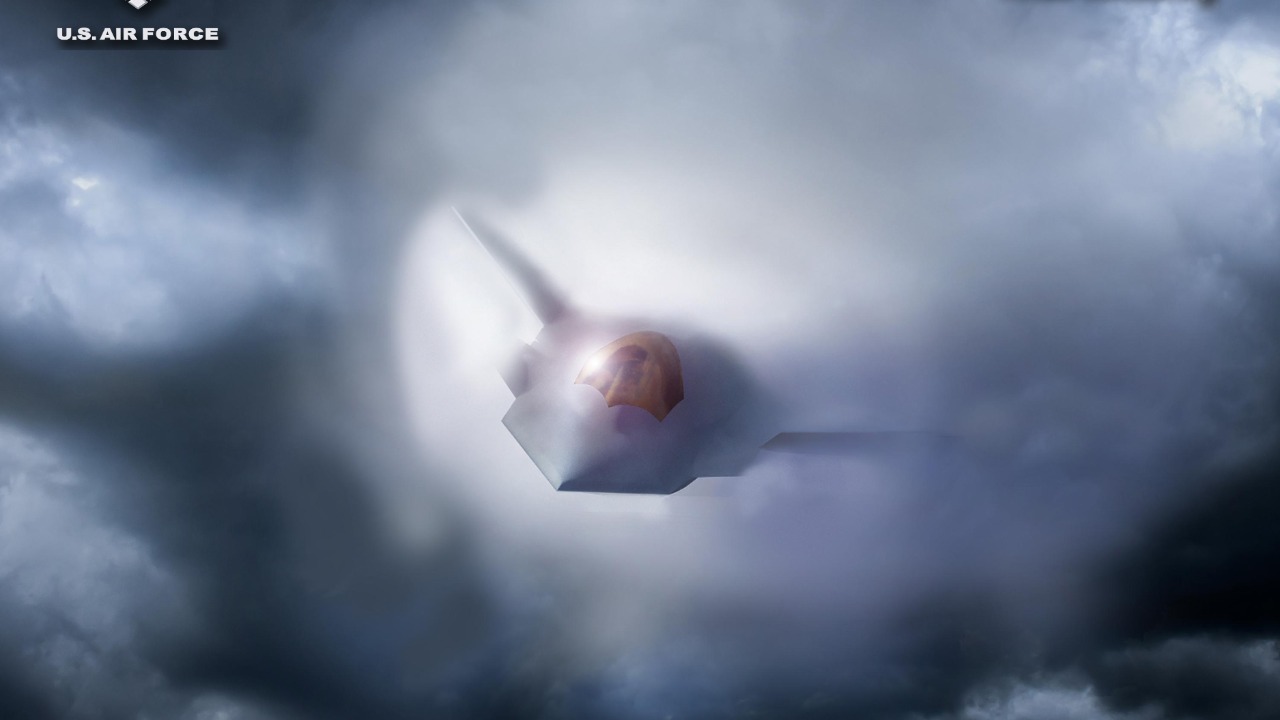
The F-47 NGAD is a 6th generation fighter aircraft, a leap forward in the evolution of military aviation. This new breed of fighter jet is expected to incorporate cutting-edge technologies and capabilities that distinguish it from its predecessors. The exact specifications of the F-47 remain classified, but it is anticipated to feature advanced stealth capabilities, enhanced speed and maneuverability, and integrated artificial intelligence systems to assist pilots in combat scenarios.
The F-47 is not just a new aircraft; it represents the future of U.S. military aviation. With its advanced capabilities, the F-47 is expected to play a pivotal role in maintaining U.S. air superiority in the coming decades. Its introduction will likely influence the development of future aircraft and shape the strategies and tactics of the U.S. Air Force.
2. The Production Process:

The production of the F-47 NGAD is a complex process involving multiple stakeholders, including the U.S. Department of Defense. The Department is overseeing the production process, ensuring that the aircraft meets the stringent requirements of the U.S. military. The exact timeline for production and anticipated completion dates remain classified for national security reasons.
Several defense contractors are involved in the production of the F-47, each playing a crucial role in the development of different components of the aircraft. These contractors, with their respective expertise in various aspects of aircraft design and manufacturing, are integral to the successful production of the F-47.
Given the complexity of the F-47’s design, the production process is expected to be a highly coordinated effort. The Department of Defense will need to manage the various defense contractors involved in the project, ensuring that each component of the aircraft is produced to the highest standards. This will involve rigorous testing and quality control measures, as well as a robust system for managing the supply chain and logistics of the project.
Furthermore, the production of the F-47 will likely involve the use of advanced manufacturing techniques. For instance, additive manufacturing, or 3D printing, could be used to produce complex parts with high precision. This could potentially speed up the production process and reduce costs. However, it also presents its own set of challenges, such as ensuring the reliability and durability of the printed parts.
3. Impact on Military Aviation:
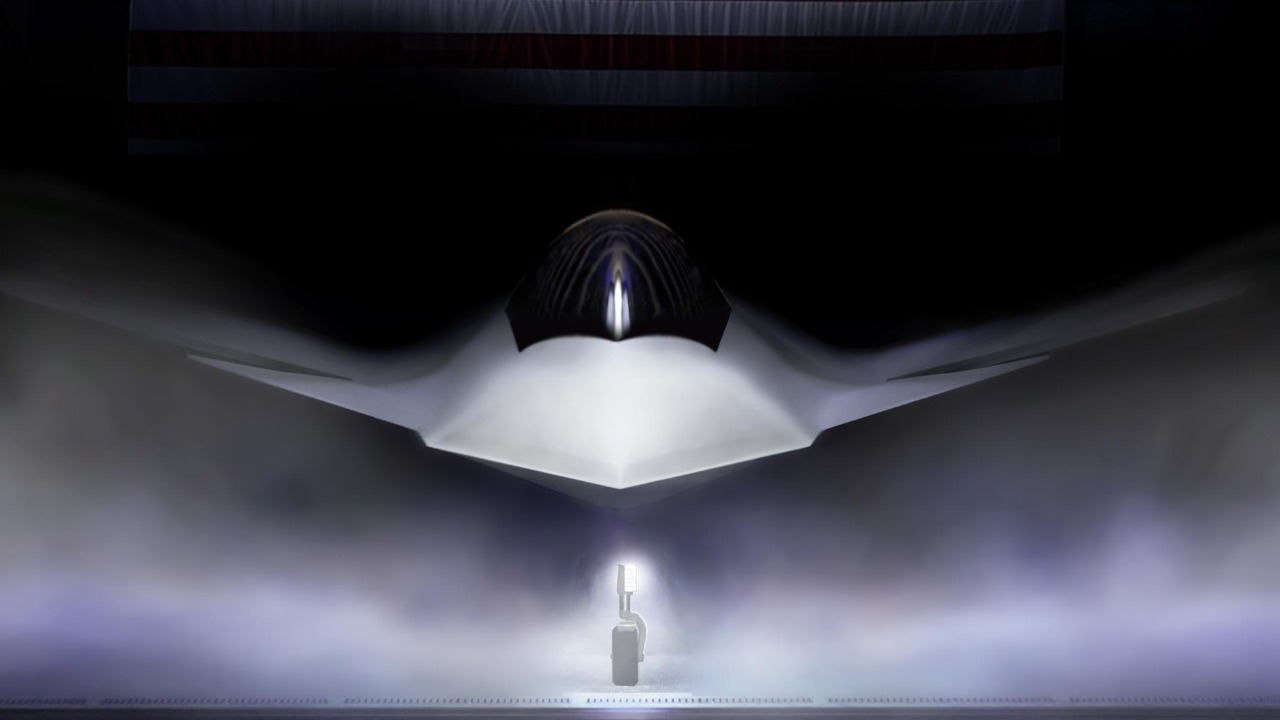
The production of the F-47 signifies a shift in the landscape of military aviation. The introduction of a 6th generation fighter aircraft represents a significant technological leap, potentially giving the U.S. a significant edge in air superiority. The F-47 is expected to outperform existing 5th generation fighters in terms of speed, stealth, and combat capabilities.
The impact of the F-47 extends beyond the U.S. The introduction of a 6th generation fighter aircraft is likely to prompt reactions from other countries, potentially leading to a new arms race in military aviation. Countries with advanced military capabilities may seek to develop their own 6th generation fighters in response to the F-47.
The F-47’s advanced capabilities could also have implications for the training of pilots. With the integration of artificial intelligence systems, pilots will need to learn how to effectively collaborate with these systems in combat scenarios. This could require a significant overhaul of current training programs, as well as the development of new ones. The U.S. Air Force will need to invest in advanced simulators and other training tools to prepare pilots for the unique challenges of flying a 6th generation fighter aircraft.
Moreover, the F-47 could influence the design of future military aircraft. As the first 6th generation fighter, it will set a new standard for what is possible in military aviation. Other countries will likely study the F-47’s design and capabilities closely, potentially leading to innovations in their own aircraft designs. This could result in a global shift in the design philosophy of military aircraft, with a greater emphasis on stealth, speed, and artificial intelligence.
4. Challenges and Controversies:

Despite the potential benefits of the F-47, the production and implementation of the aircraft are not without challenges. The development of cutting-edge technologies often comes with technical difficulties and delays. Furthermore, the high cost of developing and producing a new generation of fighter aircraft may raise budgetary concerns.
There may also be controversies or criticisms related to the F-47’s production. Ethical considerations may arise regarding the use of advanced artificial intelligence in combat scenarios. The potential for an arms race in response to the F-47 may also draw criticism from those advocating for global disarmament and peace.
One of the major challenges in the production of the F-47 is the integration of advanced technologies. The aircraft’s stealth capabilities, for instance, will require the use of specialized materials and design techniques. These technologies are still relatively new and untested, and there may be unforeseen difficulties in their implementation. Additionally, the integration of artificial intelligence systems into the aircraft’s operations could present significant technical challenges, as these systems will need to be able to make complex decisions in high-pressure combat scenarios.
On the controversy side, the F-47’s production could raise concerns about the militarization of artificial intelligence. Critics may argue that the use of AI in combat scenarios could lead to unintended consequences, such as the escalation of conflicts or the loss of human control over military decisions. Furthermore, the potential for an arms race in response to the F-47 could exacerbate tensions between countries, potentially leading to increased geopolitical instability.
