
The F-35A stealth fighter, a pivotal asset in the United States military’s arsenal, has recently acquired the capability to operate as a nuclear bomber. This significant development, reported on September 25, 2025, marks a new era in military aviation, enhancing the strategic versatility of the F-35A and reinforcing its role in national defense. This transformation underscores the continuous evolution of military technology and its implications for global security dynamics.
The Evolution of the F-35A
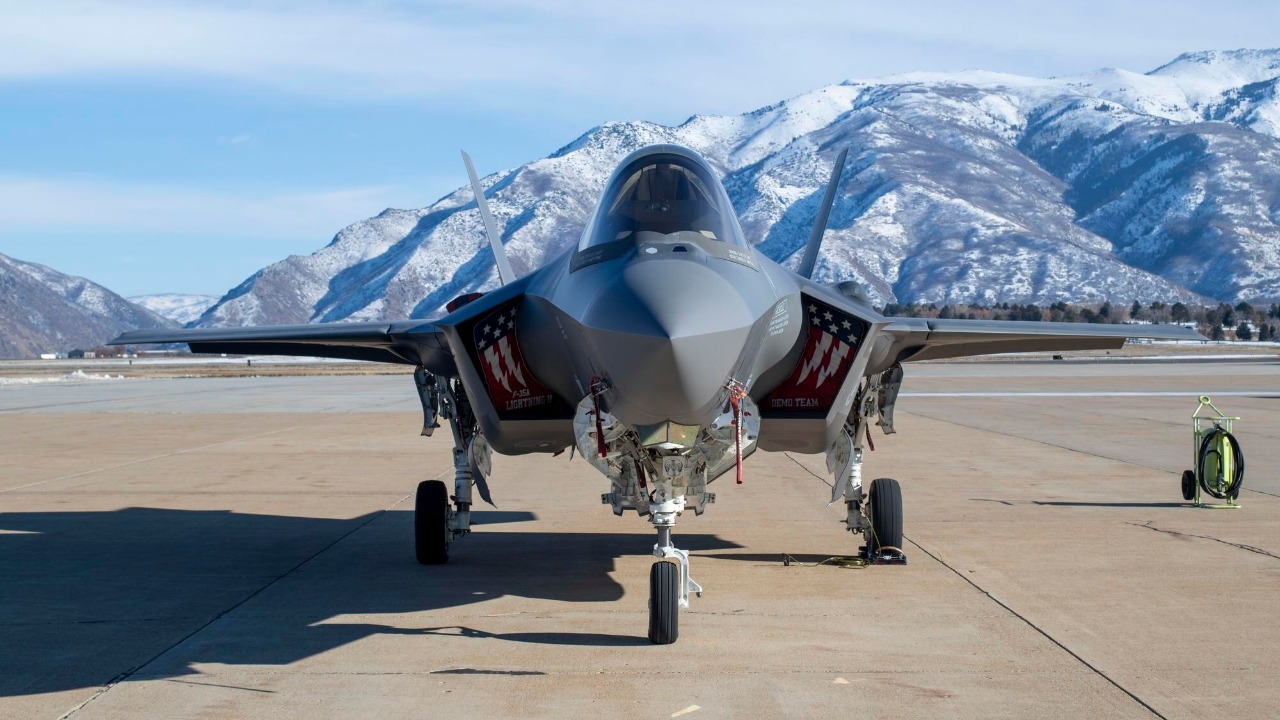
The F-35A stealth fighter has undergone a remarkable journey since its inception, evolving into a cornerstone of the U.S. military’s air capabilities. Originally designed as a multirole fighter, the F-35A has consistently demonstrated its strategic importance through its advanced stealth features, agility, and cutting-edge avionics. These attributes have made it a formidable presence in the skies, capable of executing a wide range of missions with precision and effectiveness. The aircraft’s development has been driven by the need to maintain air superiority and adapt to emerging threats in an ever-changing global landscape.
Technological advancements have played a crucial role in transforming the F-35A into a nuclear-capable bomber. The integration of sophisticated systems and enhancements in payload capacity have enabled this transition, allowing the aircraft to carry and deploy nuclear weapons if necessary. This capability not only enhances the F-35A’s operational flexibility but also strengthens the United States’ deterrence posture. The evolution of the F-35A reflects a broader trend in military aviation, where continuous innovation is essential to maintaining a competitive edge. For more details on this transformation, visit the National Security Journal.
The F-35A’s journey from a conceptual design to a fully operational stealth fighter has been marked by numerous technological milestones. Initially conceived under the Joint Strike Fighter program, the F-35A was designed to replace a variety of aging aircraft across different branches of the U.S. military. This ambitious goal required the integration of advanced stealth technology, which allows the aircraft to evade radar detection, and state-of-the-art avionics that provide pilots with unparalleled situational awareness. The aircraft’s development has been a collaborative effort involving multiple international partners, contributing to its sophisticated design and capabilities. The F-35A’s adaptability to different mission profiles, including air-to-air combat, ground attack, and reconnaissance, highlights its role as a versatile asset in modern warfare.
New Strategic Capabilities
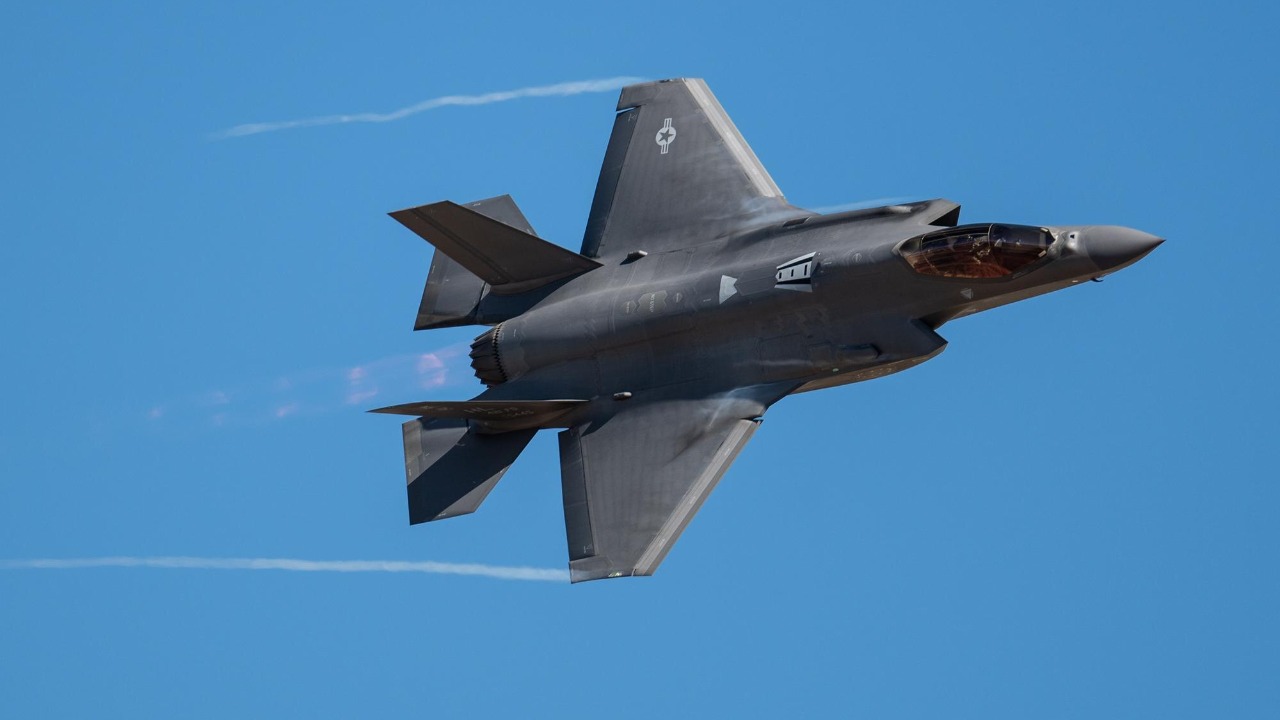
The addition of nuclear bombing capabilities to the F-35A has significant implications for global military strategy and balance. This development enhances the United States’ ability to project power and deter potential adversaries, reinforcing its strategic commitments to allies and partners. The F-35A’s stealth features, combined with its nuclear capability, provide a potent tool for maintaining strategic stability and preventing escalation in potential conflict scenarios. This capability also serves as a critical component of the U.S. nuclear triad, complementing land-based missiles and submarine-launched ballistic missiles.
International reactions to the F-35A’s enhanced capabilities are likely to be mixed. While allies may view this development as a strengthening of collective defense arrangements, adversaries could perceive it as a challenge to their own strategic interests. The introduction of a nuclear-capable stealth fighter into the U.S. arsenal may prompt other nations to reassess their military strategies and capabilities, potentially leading to an arms race or increased tensions. Understanding these dynamics is crucial for policymakers as they navigate the complex landscape of international security. For further analysis, refer to the National Security Journal.
The F-35A’s nuclear capability is a testament to its advanced design and engineering. This capability is facilitated by the aircraft’s ability to carry the B61-12 nuclear bomb, a precision-guided munition that enhances the strategic options available to military planners. The integration of this weapon system into the F-35A required rigorous testing and certification processes to ensure compatibility and safety. This development aligns with the broader strategic objectives of the U.S. military, which include maintaining a credible deterrent against potential nuclear threats. The F-35A’s ability to deliver nuclear payloads from a stealth platform adds a new dimension to the U.S. nuclear triad, offering a flexible and responsive option for strategic deterrence. This capability is expected to influence global military strategies, as other nations may seek to develop similar technologies to counterbalance the enhanced U.S. capabilities.
Funding and Political Impact
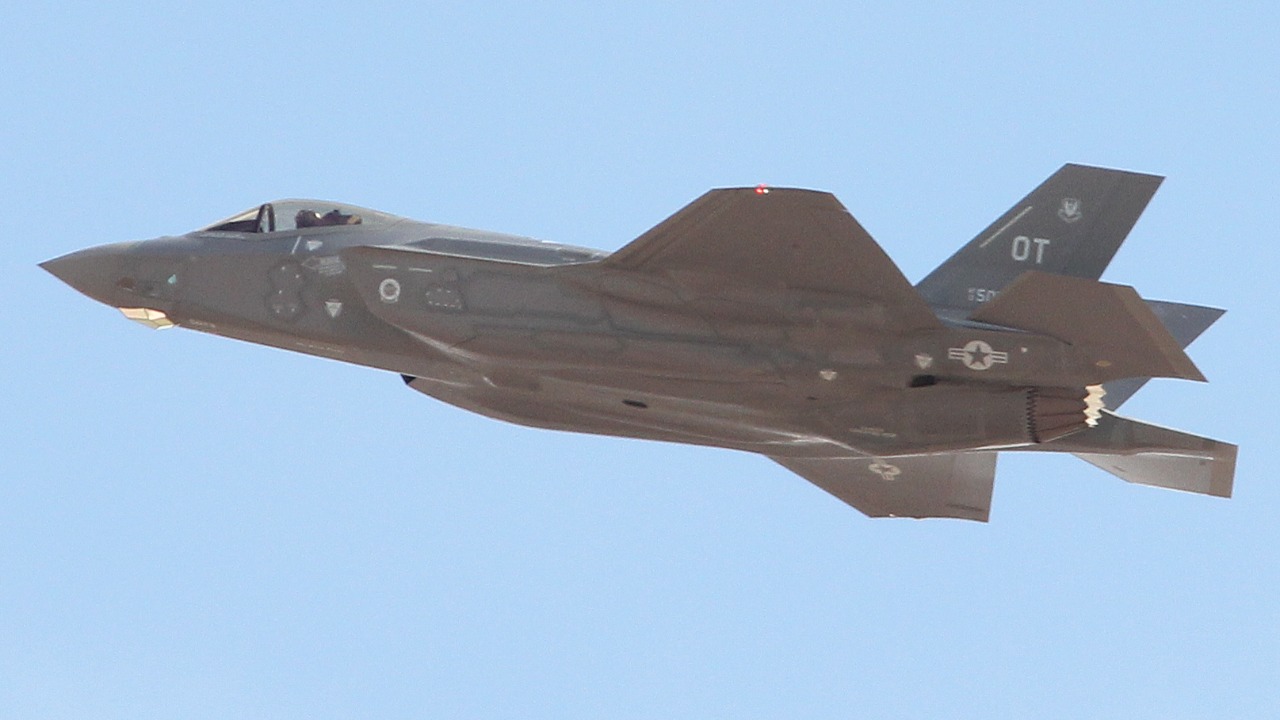
The transformation of the F-35A into a nuclear-capable bomber has required substantial financial investments. Upgrading the aircraft’s capabilities involves significant defense spending, reflecting the prioritization of advanced military technologies in the U.S. defense budget. These investments are not only aimed at enhancing the F-35A’s operational effectiveness but also at ensuring the United States remains at the forefront of military innovation. The financial commitment to this program underscores the importance of maintaining a robust and technologically advanced military force.
Political dynamics have also played a role in shaping the funding decisions for the F-35A’s enhancements. Since 2015, lobbying efforts have influenced the allocation of resources for new stealth bombers, highlighting the intersection of defense policy and political interests. These efforts have been instrumental in securing the necessary funding to advance the F-35A’s capabilities, demonstrating the complex interplay between military needs and political considerations. For more insights into the political impact, see the report on News.com.au.
The financial implications of transforming the F-35A into a nuclear-capable bomber are significant, reflecting the broader trends in defense spending. The program’s funding has been a topic of debate among policymakers, with discussions often centered around the cost-benefit analysis of such advanced military technologies. The substantial investment required for the F-35A’s upgrades is justified by the need to maintain technological superiority and address emerging threats. This financial commitment is indicative of the strategic priorities of the U.S. defense establishment, which emphasizes the importance of maintaining a cutting-edge military force. Additionally, the political landscape surrounding defense spending is complex, with various stakeholders, including defense contractors and political lobbyists, influencing budgetary decisions. These dynamics underscore the intricate relationship between military innovation and political strategy.
Future Implications for Military Aviation
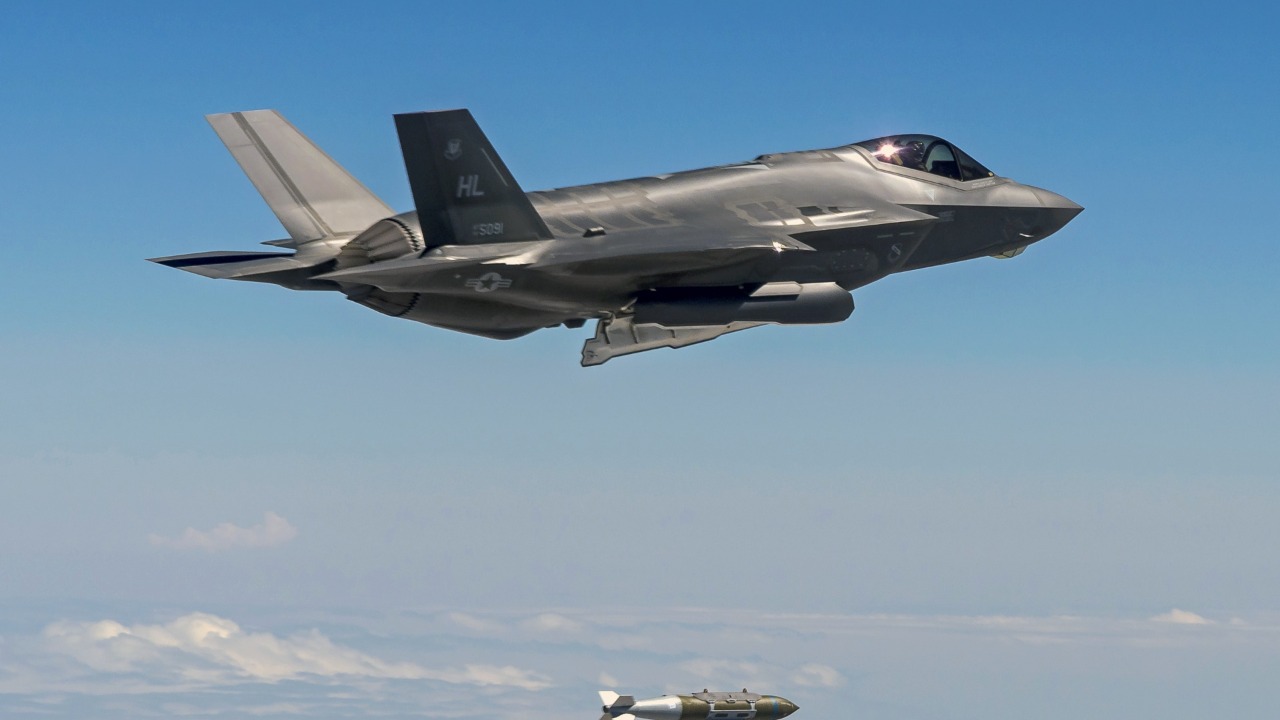
The advancements in the F-35A’s capabilities are likely to inspire further developments in military aviation technology. As nations seek to enhance their air forces, the integration of advanced systems and capabilities will become increasingly important. The F-35A’s transformation into a nuclear-capable bomber sets a precedent for future aircraft designs, emphasizing the need for versatility, stealth, and advanced weaponry. These trends will shape the future of military aviation, driving innovation and competition among global powers.
Looking ahead, the F-35A may undertake new roles and missions as a result of its enhanced capabilities. Its ability to operate as a nuclear bomber expands its potential applications, allowing it to contribute to a broader range of strategic objectives. This versatility will be crucial in addressing emerging threats and maintaining a credible deterrent posture. As military aviation continues to evolve, the F-35A’s advancements will serve as a benchmark for future developments, influencing the design and capabilities of next-generation aircraft. For a deeper exploration of these future implications, visit the National Security Journal.
