A recent crash involving an F-35 stealth fighter jet in a California field has raised serious concerns about the aircraft’s safety and reliability. This incident marks another setback for the advanced fighter jet, which has been plagued by a series of mishaps and technical challenges. The fiery disaster not only impacts military operations but also raises questions about the future of the F-35 program.
The Incident in California
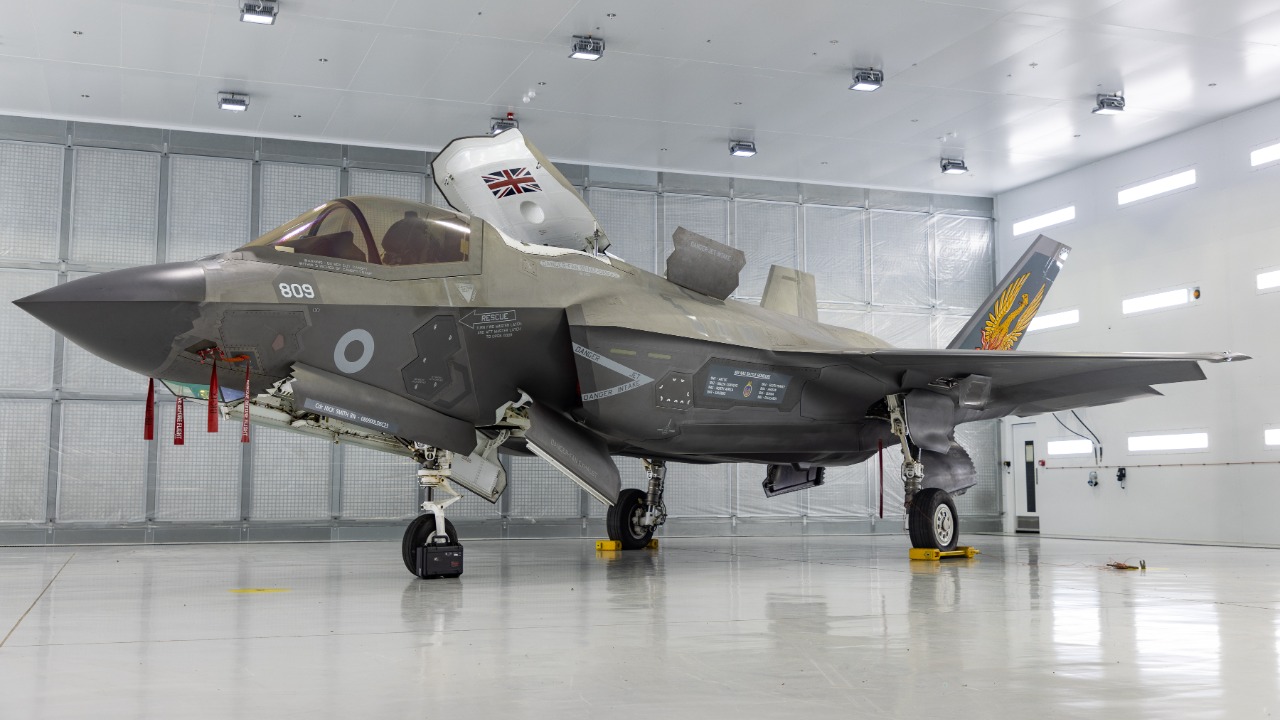
The recent crash of an F-35 stealth fighter in California has drawn significant attention due to the dramatic nature of the incident. The aircraft reportedly went down in a remote field, creating a massive fireball visible from miles away. Eyewitnesses described the scene as chaotic, with smoke billowing into the sky and debris scattered across a wide area. Emergency responders quickly arrived on the scene, working diligently to extinguish the flames and prevent the fire from spreading to nearby areas.
In the immediate aftermath, local authorities, along with military personnel, acted swiftly to secure the crash site. Their primary concern was ensuring the safety of the surrounding community and preventing any potential environmental hazards. Preliminary investigation findings suggest that there may have been a technical malfunction, but the exact cause of the crash remains under scrutiny. Investigators are analyzing data from the aircraft’s flight recorder and interviewing witnesses to piece together the sequence of events leading up to the disaster.
Historical Context of F-35 Crashes
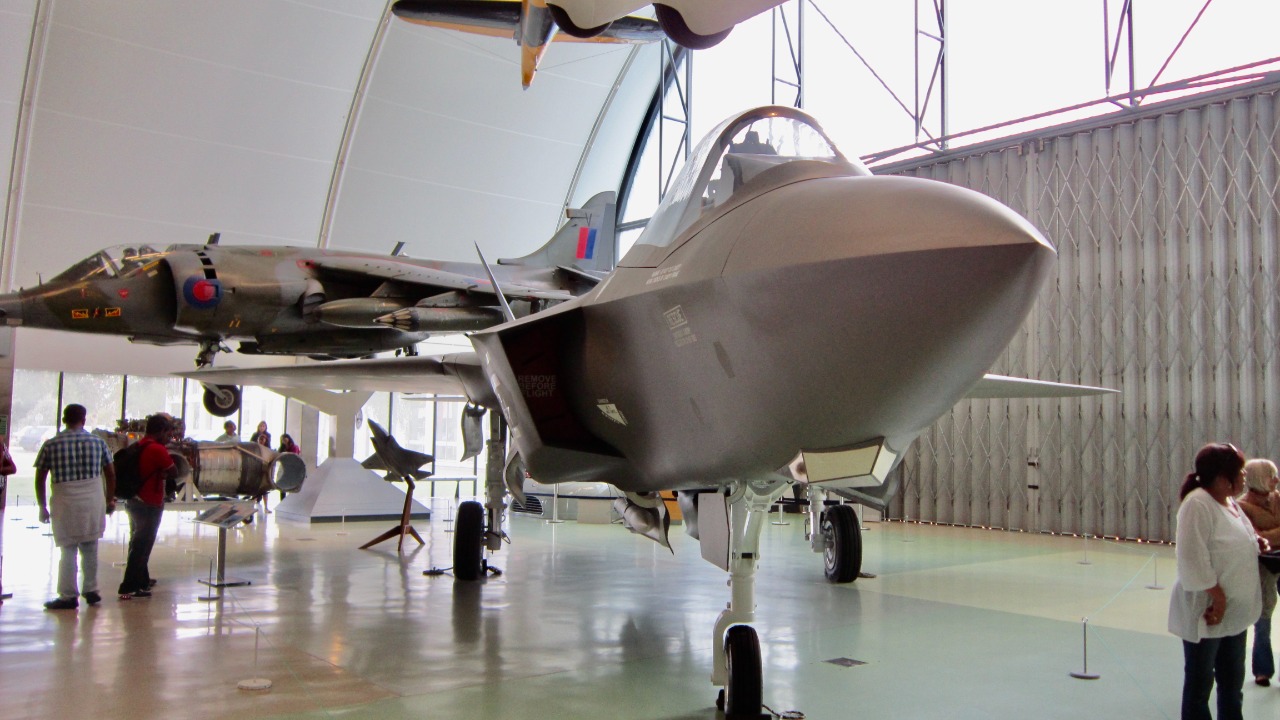
This crash is not an isolated incident for the F-35 program. Over the years, several F-35s have experienced similar fates, with crashes occurring both domestically and internationally. Notable past incidents include a crash in Florida in 2020 and another in Japan in 2019. Each of these accidents has prompted thorough investigations, often revealing technical flaws or pilot errors as contributing factors. The pattern of these events has raised questions about the overall reliability of the F-35.
The technical challenges faced by the F-35 program are numerous. Recurring issues such as software glitches, mechanical failures, and design flaws have plagued the aircraft since its inception. These problems have not only delayed production but also increased costs significantly. When compared to other military aircraft, the F-35’s safety record appears concerning. While all fighter jets face risks, the frequency and severity of F-35 crashes have drawn particular scrutiny. For instance, the British Typhoon, a contemporary fighter jet, has been noted for its reliability and safety record in contrast to the troubled history of the F-35.
Implications for the F-35 Program
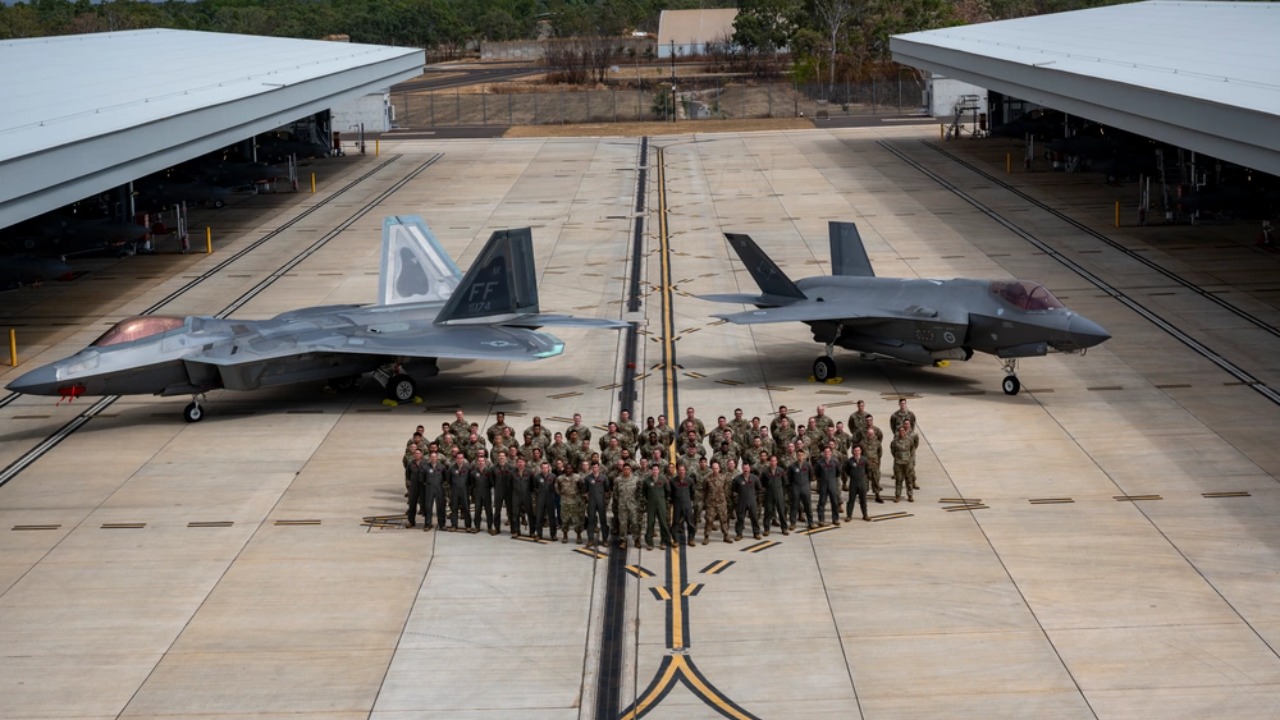
The financial impact of repeated F-35 crashes is substantial. Each incident not only involves immediate costs related to investigation and recovery but also contributes to long-term budgetary challenges. The F-35 program, already infamous for its cost overruns, may face further budget adjustments as stakeholders reassess the project’s feasibility. The economic strain is felt not just by the military but also by defense contractors and allied nations invested in the aircraft.
These crashes have significant implications for military readiness. Frequent mishaps hinder the operational capabilities of forces relying on the F-35, potentially affecting strategic deployments and national defense strategies. Furthermore, the international reputation of the F-35 is at stake. As crashes continue to make headlines, foreign military sales could be impacted, with potential buyers questioning the aircraft’s reliability. The program’s struggles could influence international relations, particularly with countries that have invested heavily in the F-35 for their air forces.
Technological and Safety Improvements
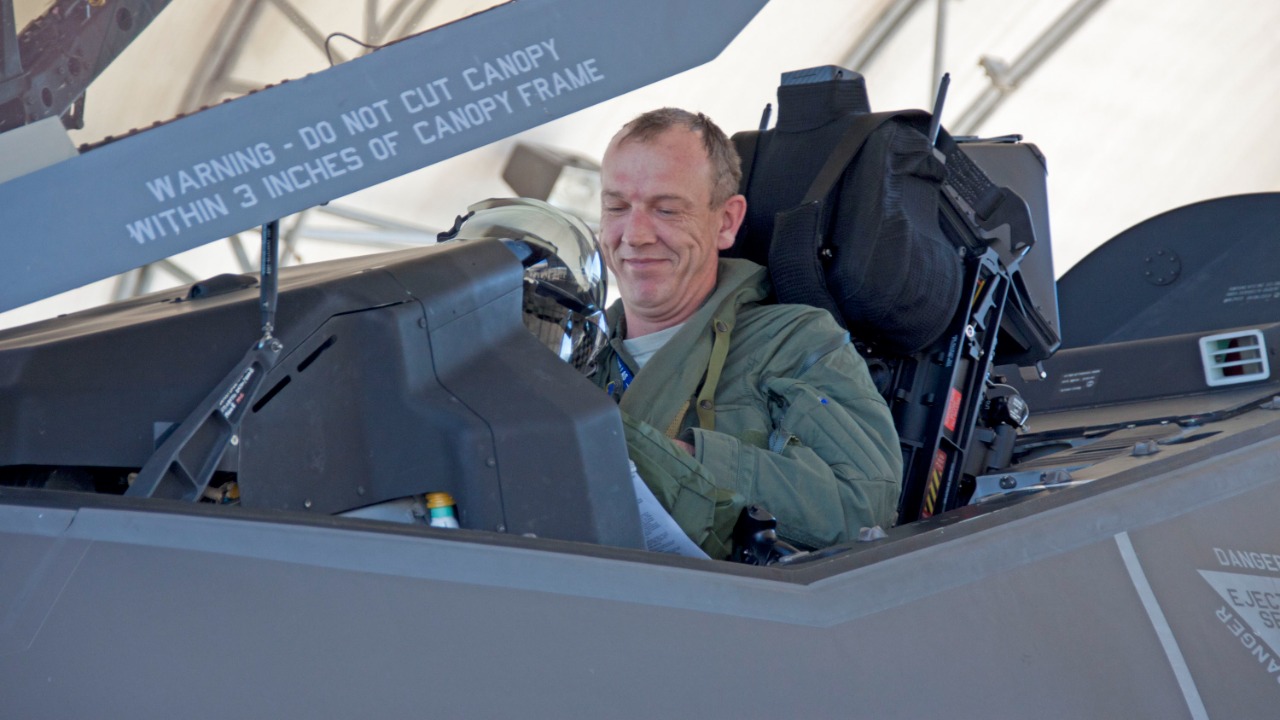
In response to ongoing challenges, efforts to enhance the F-35’s performance and safety are underway. Technological upgrades, including software updates and hardware modifications, aim to address the aircraft’s persistent issues. These improvements are critical to ensuring the F-35 meets the high standards expected of a modern stealth fighter. Additionally, safety protocols are being reevaluated to prevent future incidents. Enhanced pilot training and revised operation manuals are part of these efforts to boost overall aircraft safety and reliability.
Looking ahead, these technological and safety improvements are expected to play a pivotal role in the future of the F-35 program. As the military and defense contractors work to resolve existing issues, the aircraft’s potential as a cornerstone of modern military aviation remains significant. The success of these initiatives will determine whether the F-35 can overcome its troubled history and fulfill its intended role in defense strategies worldwide.
Public and Political Reactions
The recent crash has elicited strong reactions from government officials and lawmakers. Calls for accountability are increasing, with some legislators demanding a reevaluation of the F-35 program and its funding. The government is under pressure to ensure that such incidents do not recur and that taxpayer money is not wasted on defective technology. This political scrutiny could lead to policy changes aimed at enhancing oversight and transparency within the program.
The media coverage of the incident has been extensive, with debates about the F-35 program’s viability dominating headlines. Public perception is mixed, with some viewing the aircraft as a crucial component of national defense despite its flaws, while others criticize its cost and reliability issues. Stakeholders, including military personnel, defense contractors, and aviation experts, have shared their perspectives on the crash. Many emphasize the need for continued investment in improvements to ensure the F-35 meets its operational goals and remains a competitive asset in military aviation.
