
The U.S. recently showcased its military prowess by deploying F-22 fighters to Britain on June 19, 2025, as part of a strategic move against Iran. This deployment underscores the importance of advanced stealth aircraft in the U.S. military’s arsenal amid rising tensions. Just days later, on June 23, 2025, the U.S. utilized the B-2 Spirit bomber in Operation Midnight Hammer, targeting Iran and demonstrating the integration of stealth platforms in real-world operations against outdated adversaries like Iran’s vintage F-4 fighters.
Strategic Deployment of the F-22 Raptor
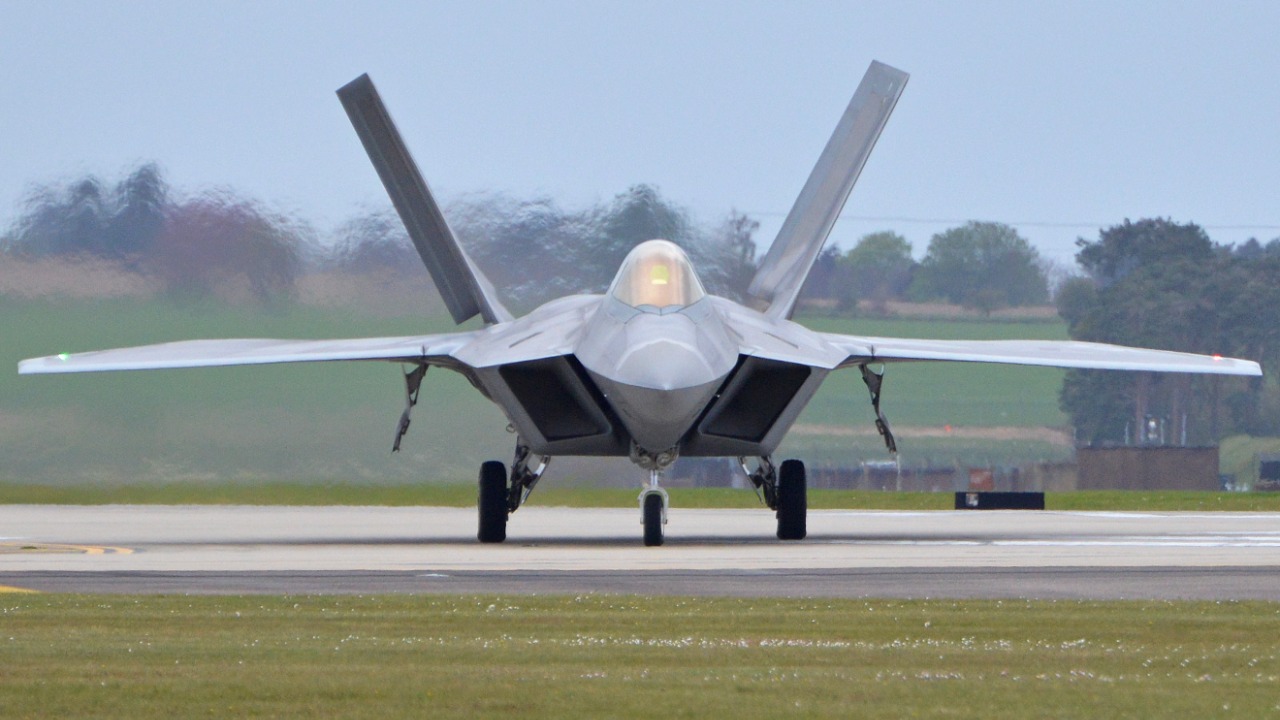
The deployment of F-22 fighters to Britain was a calculated response by the U.S. as it considered military options against Iran. This move highlights the strategic positioning of the F-22, allowing for rapid response capabilities in the region. The F-22’s presence in Britain serves as a deterrent, positioning it to counter threats from Iran’s aging F-4 fleet, which lacks the stealth and sensor capabilities of modern aircraft. The deployment on June 19, 2025, emphasizes the U.S.’s commitment to maintaining air superiority and readiness in the face of potential conflicts (Army Recognition).
In addition to its strategic positioning, the F-22’s deployment is part of a broader U.S. deterrence strategy in the region. The aircraft’s modern avionics and stealth capabilities contrast sharply with the F-4’s 1960s-era design, providing the U.S. with a significant technological edge. This forward positioning not only enhances the U.S.’s ability to respond quickly to threats but also reinforces its commitment to protecting its interests and allies in the region.
The presence of the F-22 in Britain also serves as a signal to NATO allies, reinforcing the U.S.’s commitment to collective defense and regional stability. By positioning these advanced fighters in Europe, the U.S. not only deters potential aggression from Iran but also reassures European allies of its readiness to support them in the face of any regional threats. This deployment is part of a broader strategy to maintain a robust and flexible military presence that can adapt to evolving security challenges in the Middle East and beyond.
Stealth Superiority of the F-22
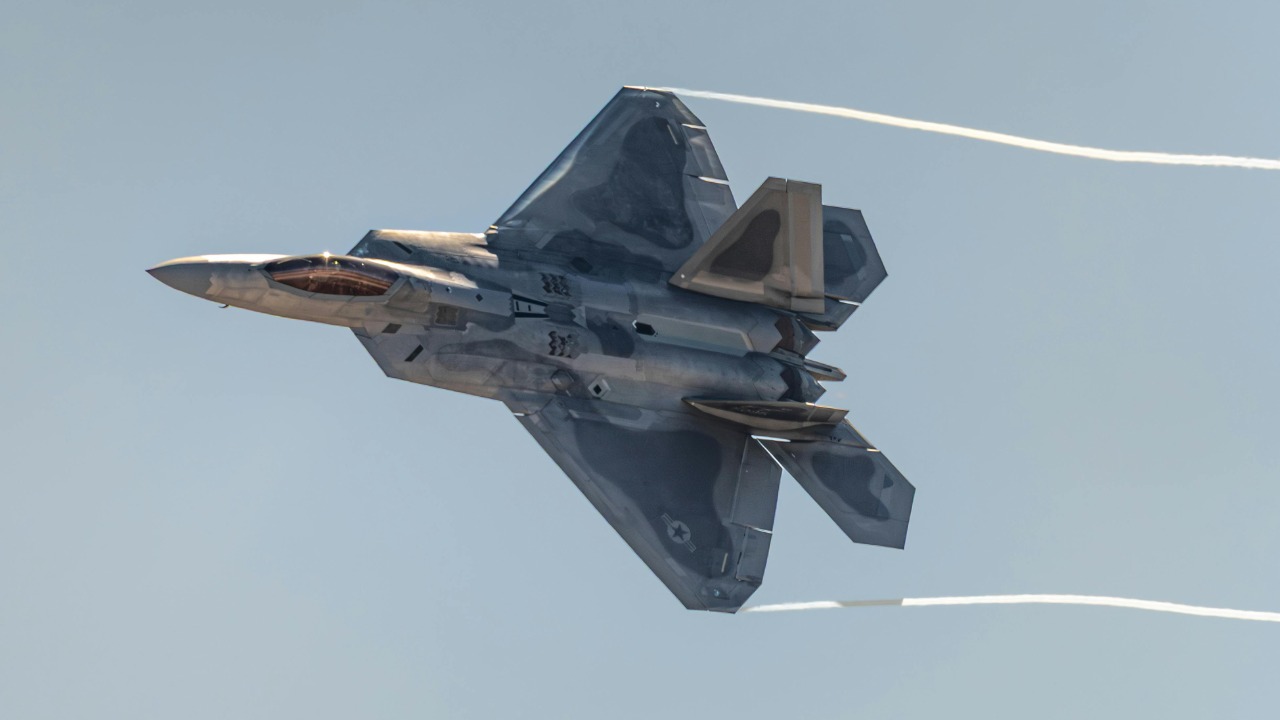
The F-22 Raptor’s stealth capabilities are a key factor in its dominance over legacy aircraft like Iran’s F-4 Phantoms. The Raptor’s ability to fly under fighter jets totally undetected provides a tactical edge, allowing it to engage targets without being seen. This stealth feature is achieved through specific radar cross-section reductions and materials that render the F-22 invisible to the F-4’s rudimentary detection systems (National Interest).
In scenarios where the F-22’s low observability is leveraged, the aircraft can conduct undetected intercepts of F-4 patrols, minimizing risk in Iranian airspace. This capability not only enhances the U.S.’s operational effectiveness but also ensures that missions can be carried out with reduced risk of detection and engagement by enemy forces. The F-22’s stealth superiority is a critical component of its effectiveness in potential confrontations with Iran’s outdated air defenses.
The F-22’s stealth capabilities are further enhanced by its advanced electronic warfare systems, which can jam enemy radar and communications, adding another layer of protection during missions. This electronic warfare capability is crucial in environments where adversaries might attempt to track or engage U.S. aircraft. The F-22’s ability to operate in contested environments without detection not only ensures mission success but also protects pilots and equipment from potential threats, maintaining the element of surprise in combat operations.
Comparative Analysis with Peer Stealth Fighters
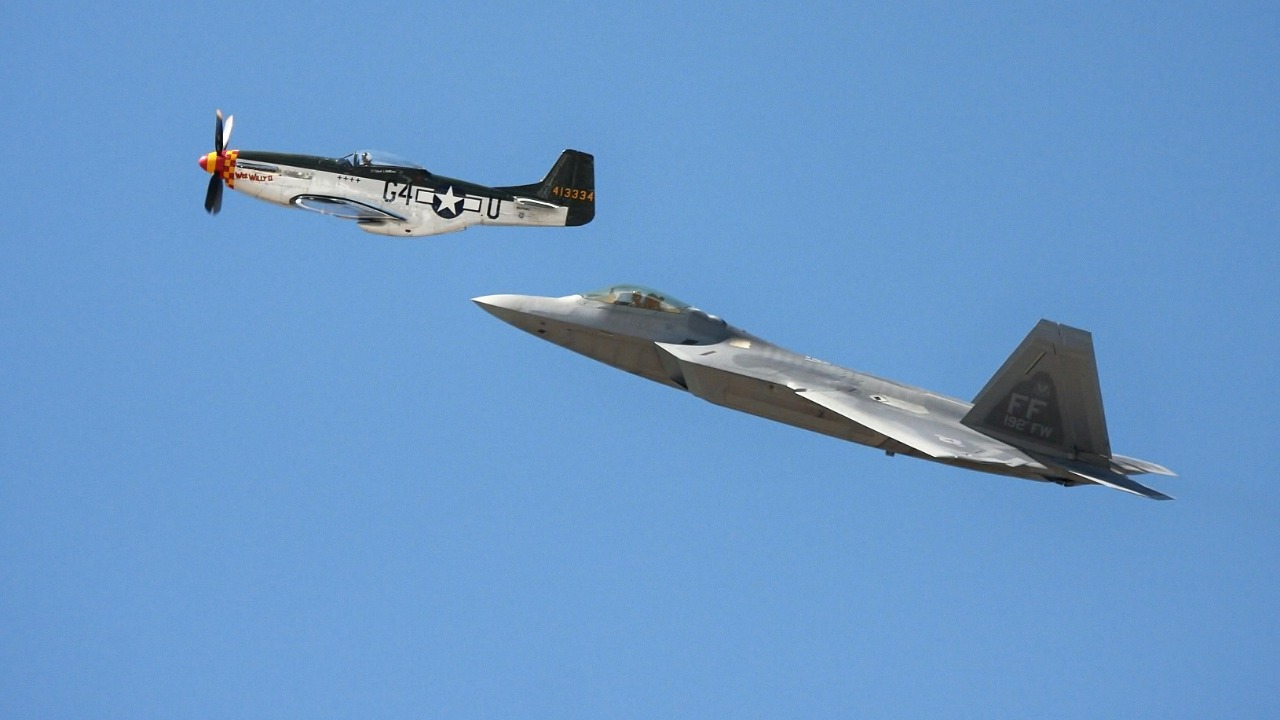
When comparing the F-22 Raptor to the F-35 Stealth Fighter, the Raptor’s air superiority edge is evident. The F-22 is designed specifically for air dominance, whereas the F-35 serves a multi-role purpose. This specialization allows the F-22 to excel in direct engagements with vintage foes like the F-4, where its speed, maneuverability, and sensor fusion capabilities provide a decisive advantage (National Security Journal).
The F-22’s dedicated air dominance role is complemented by its superior speed and maneuverability, which are crucial in engagements with non-stealthy aircraft like the F-4. The Raptor’s advanced sensor fusion capabilities further enhance its effectiveness, allowing it to detect and engage targets with precision. These attributes make the F-22 the optimal choice for countering Iran’s outdated F-4 inventory, ensuring that the U.S. maintains air superiority in any potential conflict.
While the F-35’s versatility allows it to perform a variety of roles, including ground attack and intelligence gathering, the F-22’s specialization in air-to-air combat makes it unparalleled in dogfights. Its thrust vectoring engines provide exceptional maneuverability, allowing it to outmaneuver adversaries in close combat. This capability is particularly advantageous against older aircraft like the F-4, which cannot match the F-22’s agility and speed. The Raptor’s ability to dominate the skies ensures that it can effectively neutralize threats before they pose a significant risk to U.S. and allied forces.
Integration in Operations Against Iran
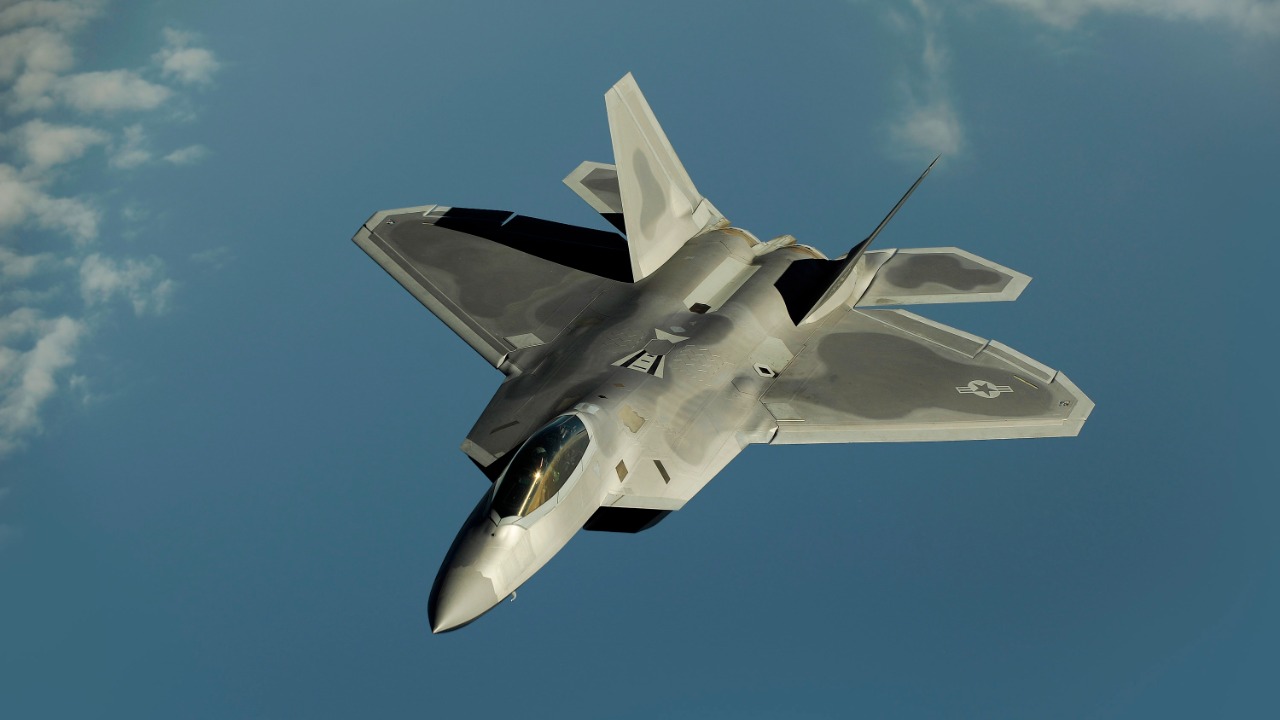
The U.S.’s use of the B-2 Spirit in Operation Midnight Hammer against Iran on June 23, 2025, serves as a precursor to potential F-22 involvement in similar stealth-heavy strikes. The operation demonstrated the effectiveness of stealth platforms in penetrating enemy defenses and achieving strategic objectives. In future operations, F-22 escorts could protect B-2 missions from F-4 interceptions, leveraging the Raptor’s stealth to neutralize threats without detection (24/7 Wall St.).
The operational timeline from the June 19, 2025, F-22 deployment to the June 23, 2025, B-2 action illustrates the escalating U.S. commitment against Iran’s outdated air defenses. This sequence of events highlights the strategic integration of advanced stealth aircraft in U.S. military operations, ensuring that the U.S. remains prepared to address threats in the region effectively. The F-22’s role in these operations underscores its importance as a key component of the U.S.’s air superiority strategy.
The integration of the F-22 in operations against Iran could also involve its use in intelligence, surveillance, and reconnaissance (ISR) missions. By leveraging its stealth and advanced sensors, the F-22 can gather critical intelligence on enemy positions and movements, providing valuable data to inform strategic decisions. This capability enhances the overall effectiveness of U.S. military operations, ensuring that commanders have the information needed to execute precise and effective strikes. The F-22’s role in ISR missions complements its combat capabilities, making it a versatile asset in the U.S. military’s arsenal.
