The F-22 Raptor stands as a formidable example of cutting-edge stealth and aerial combat technology, often enveloped in an air of secrecy. Recently, seasoned pilots have begun to unveil some of the mysteries of flying this advanced fighter jet. From sophisticated avionics to the unique challenges of operating such an intricate machine, these pilots are sharing their insights into the cockpit’s secrets.
The Cutting-Edge Avionics Suite
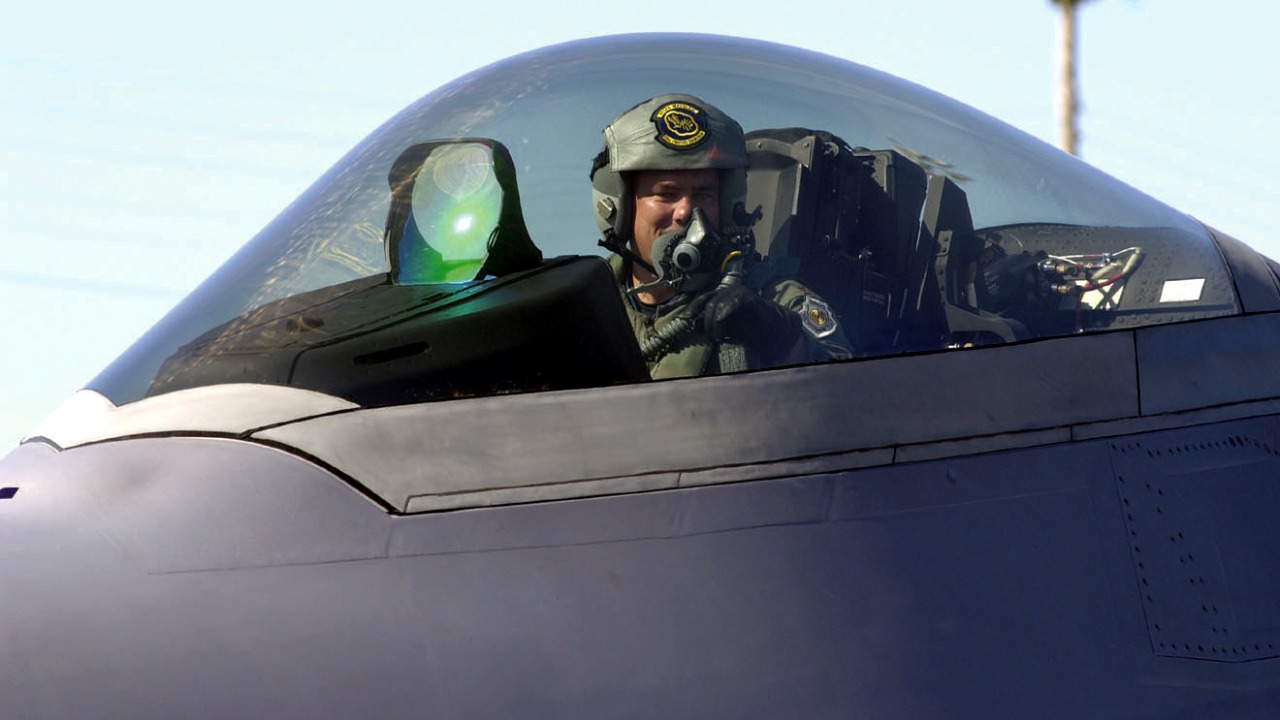
The F-22 Raptor boasts an advanced avionics suite, which is central to its operational superiority. This suite is designed to enhance pilot situational awareness and combat effectiveness significantly. The integration of sophisticated sensors and communication systems allows pilots to engage threats with remarkable precision. The avionics not only manage traditional combat functions but also provide a comprehensive view of the battlefield, ensuring that pilots have real-time data at their fingertips.
Artificial intelligence and automation play crucial roles in reducing pilot workload, enabling them to focus on mission-critical tasks. These systems can process vast amounts of information quickly, presenting it in an easily digestible format. The synergy between human and machine is crucial, as it allows pilots to make split-second decisions with confidence and accuracy. This integration of AI into the F-22’s avionics is a testament to the aircraft’s advanced technological design.
Stealth Technology and Its Implications
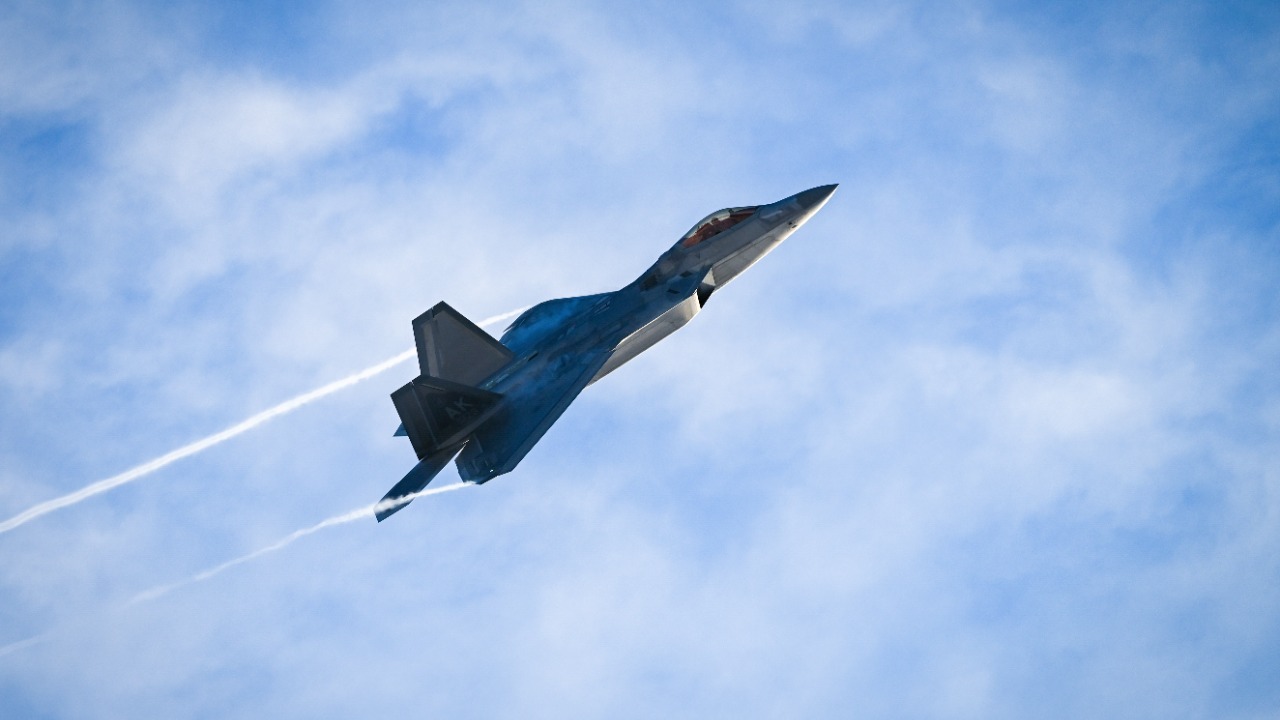
The stealth capabilities of the F-22 are one of its most defining features, rendering it virtually invisible to radar. This is achieved through a combination of design elements, including shape, materials, and coatings that minimize the aircraft’s radar signature. Stealth technology provides pilots with significant tactical advantages, allowing them to operate undetected and strike targets with an element of surprise in various combat scenarios.
However, maintaining the aircraft’s stealth capabilities presents its own set of challenges. Pilots must be acutely aware of their flight paths and maneuvers to avoid compromising the stealth features. This requires a deep understanding of the aircraft’s design and constant vigilance during missions. The balance between utilizing the F-22’s stealth advantages and ensuring it remains undetected is a complex but essential aspect of piloting this advanced fighter jet.
Pilot Training and Skill Requirements
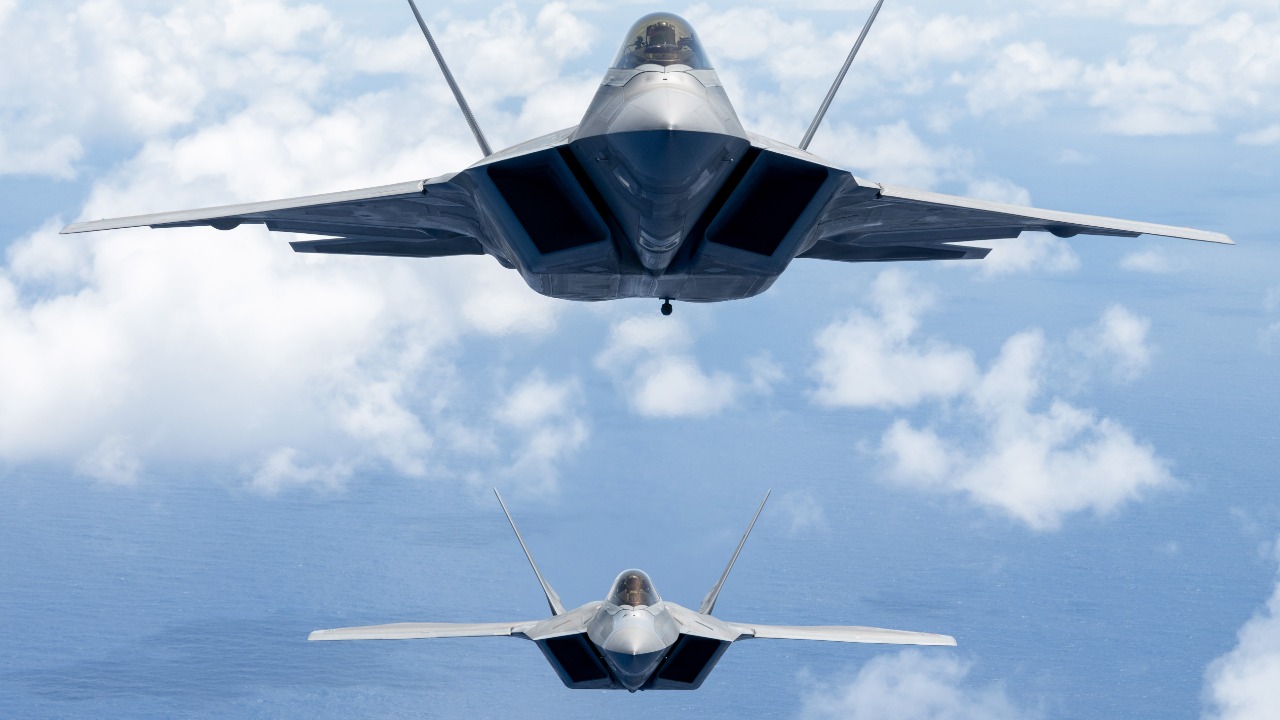
Becoming an F-22 pilot requires a rigorous training process that demands mastery of a wide range of skills. Pilots undergo extensive simulations and real-world training exercises to familiarize themselves with the unique flight characteristics of the F-22. This training is designed to prepare them for the high-speed, high-altitude environments they will encounter in combat situations.
The psychological and physical demands placed on F-22 pilots are significant. They must be able to withstand the intense G-forces experienced during high-speed maneuvers and maintain composure under immense pressure. This requires not only physical fitness but also mental resilience and the ability to make quick, informed decisions in fast-evolving scenarios. The training ensures that pilots are well-prepared to meet these challenges head-on.
Navigating Without a Rear-View Mirror
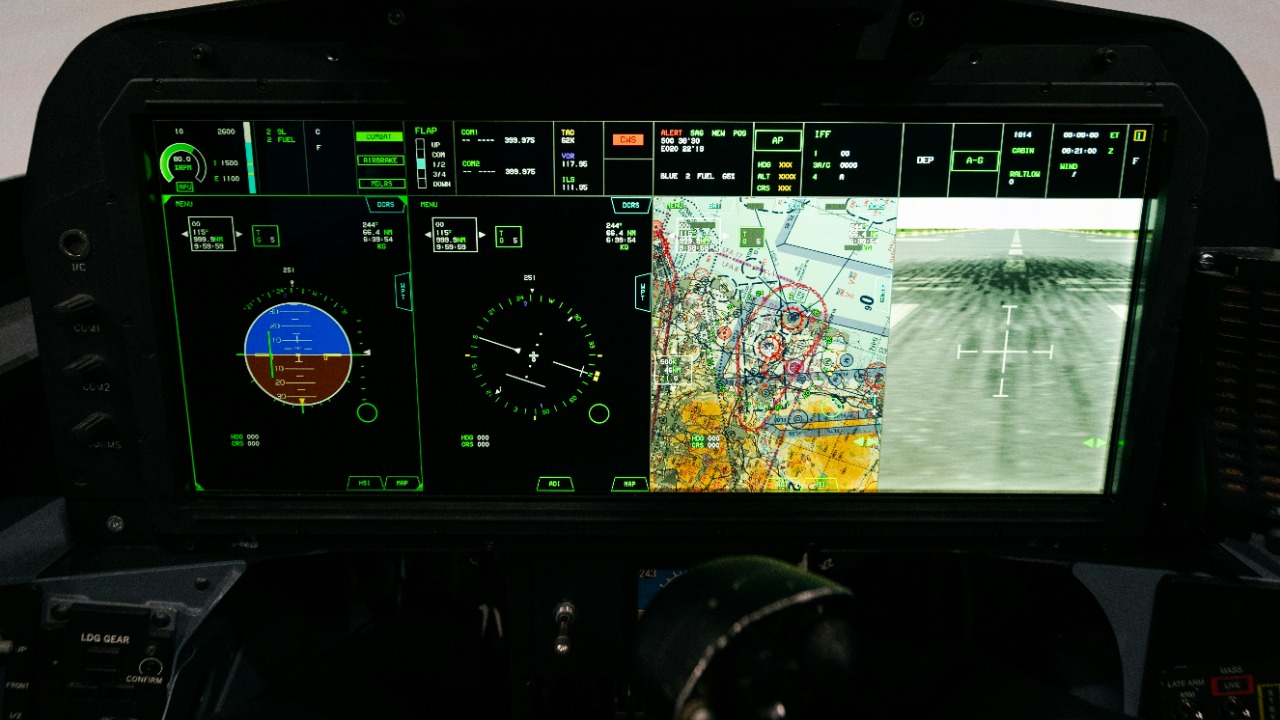
One of the unique aspects of flying the F-22 is the absence of traditional rear-view mirrors. Pilots rely on advanced sensors and helmet-mounted displays to maintain situational awareness and keep track of their surroundings. These technologies provide a comprehensive view of the airspace, allowing pilots to detect and respond to threats from any direction.
To compensate for the lack of direct rearward visibility, pilots employ various techniques. They utilize data from the aircraft’s sensors and continuously update their mental map of the battlefield. This approach ensures that they remain aware of their environment and can react swiftly to any changes. The integration of technology and piloting skills is essential for maintaining awareness in the absence of traditional visual aids. For more on how pilots overcome these challenges, you can visit this Quora discussion.
Life Inside the Cockpit
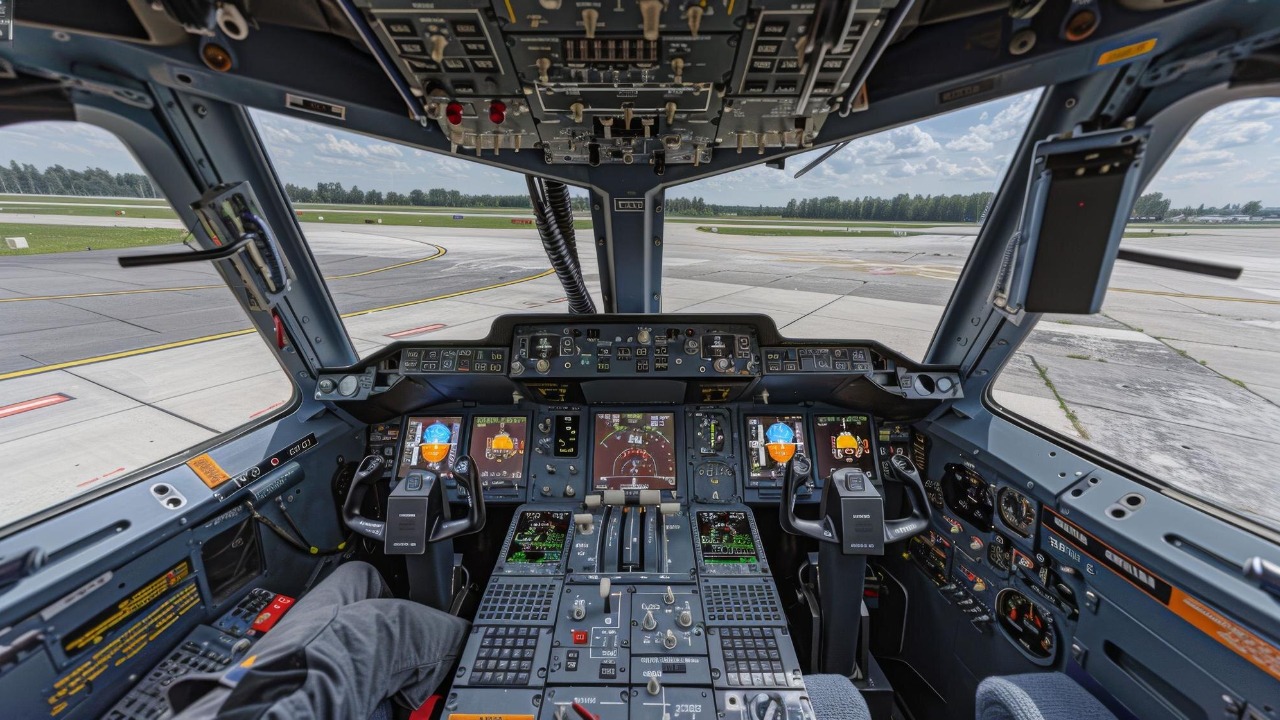
The cockpit of the F-22 is designed with ergonomics and efficiency in mind. It features a layout that allows pilots to access controls and displays with ease, ensuring that they can focus on the mission at hand. The experience of flying the F-22 is marked by both comfort and the challenges of managing a high-tech aircraft in complex combat scenarios. Pilots must be adept at balancing the demands of the aircraft with the need to maintain situational awareness.
During long missions, pilots face the challenge of maintaining focus and managing fatigue. The design of the cockpit plays a crucial role in supporting pilots during these demanding operations. Advanced seat designs and climate control systems help pilots stay comfortable, while automation assists in managing routine tasks. The combination of these elements allows pilots to concentrate on mission objectives and navigate the complexities of aerial combat effectively.
Future Developments and Technological Advances
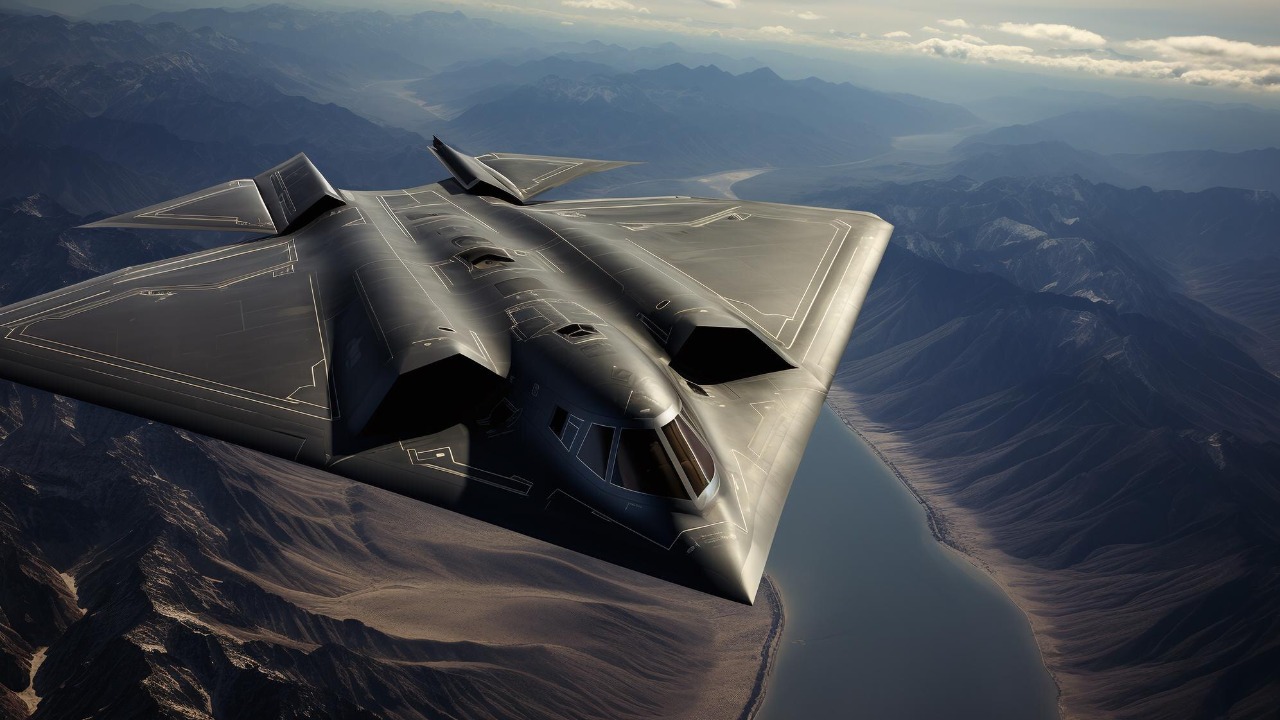
The F-22 continues to evolve with upcoming upgrades that promise to enhance pilot experience and combat capabilities. These advancements are expected to include improvements in avionics, communication systems, and stealth technology. Such upgrades will likely further reduce pilot workload and increase the aircraft’s effectiveness in various combat scenarios. The ongoing evolution of fighter jet technology ensures that the F-22 remains at the forefront of aerial combat.
The implications of these technological advances extend beyond the F-22, influencing the design and development of next-generation fighter aircraft. As new technologies emerge, they will shape the future of pilot training and the capabilities of future combat jets. The F-22 serves as a blueprint for innovation, paving the way for advancements in fighter aircraft design and operation. To understand how these developments might influence future aircraft, you might find this analysis of a new fighter jet design insightful.
