
The F-15EX Eagle II, a significant upgrade to the legacy F-15 platform, achieved its first flight on February 2, 2021, at Boeing’s facility in St. Louis, Missouri. Developed by Boeing for the U.S. Air Force, this fourth-generation fighter boasts enhanced digital avionics, a payload capacity of up to 29,500 pounds, and the ability to carry 12 air-to-air missiles simultaneously. Designed to integrate seamlessly with fifth-generation aircraft like the F-35, the F-15EX is set to redefine modern air combat.
Development and Evolution
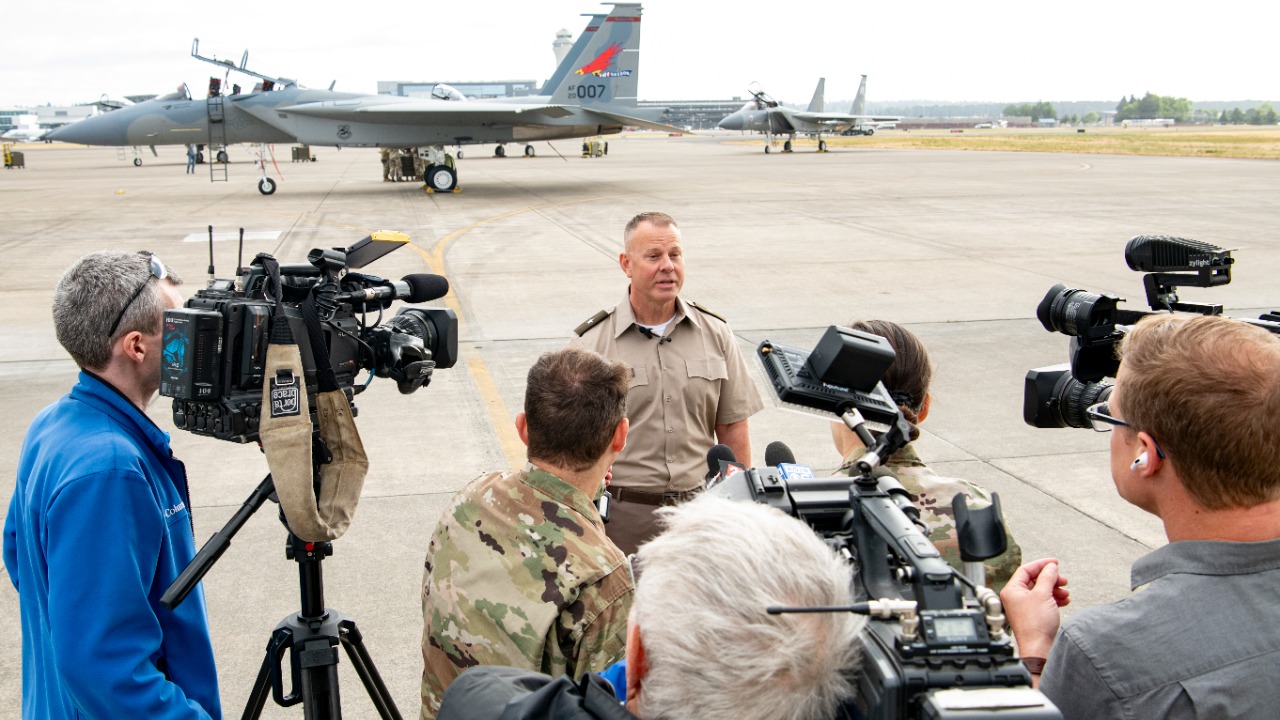
The F-15EX Eagle II is an evolution from the F-15E Strike Eagle, incorporating advanced cockpit displays and the Eagle Passive Active Warning Survivability System (EPAWSS) for electronic warfare. This system enhances the aircraft’s ability to detect and counter threats, providing a significant edge in combat scenarios. The F-15EX’s development has been a collaborative effort, with Boeing playing a pivotal role in the program.
In 2020, Boeing was awarded an $80 million contract for eight test aircraft, marking a significant milestone in the F-15EX’s development. Another key aspect of the aircraft’s evolution is the integration of the GE F110-129 engines. These engines, providing 29,000 pounds of thrust each, are instrumental in giving the F-15EX its impressive speed and maneuverability.
As part of the F-15EX’s evolution, Boeing has incorporated a new fly-by-wire flight control system. This system replaces the older hydraulic controls, providing more precise handling and reducing the pilot’s workload. Additionally, the F-15EX features a new digital backbone that allows for faster and more secure data processing and sharing. This digital upgrade is critical in modern warfare, where information superiority often determines the outcome of engagements.
The F-15EX’s development also saw the incorporation of the Advanced Display Core Processor II (ADCPII), the world’s fastest mission computer. This computer enables the F-15EX to process, analyze, and share vast amounts of data in real-time, enhancing the pilot’s situational awareness and decision-making capabilities. The ADCPII also allows for future growth and the integration of next-generation weapons and sensors.
Key Specifications and Capabilities
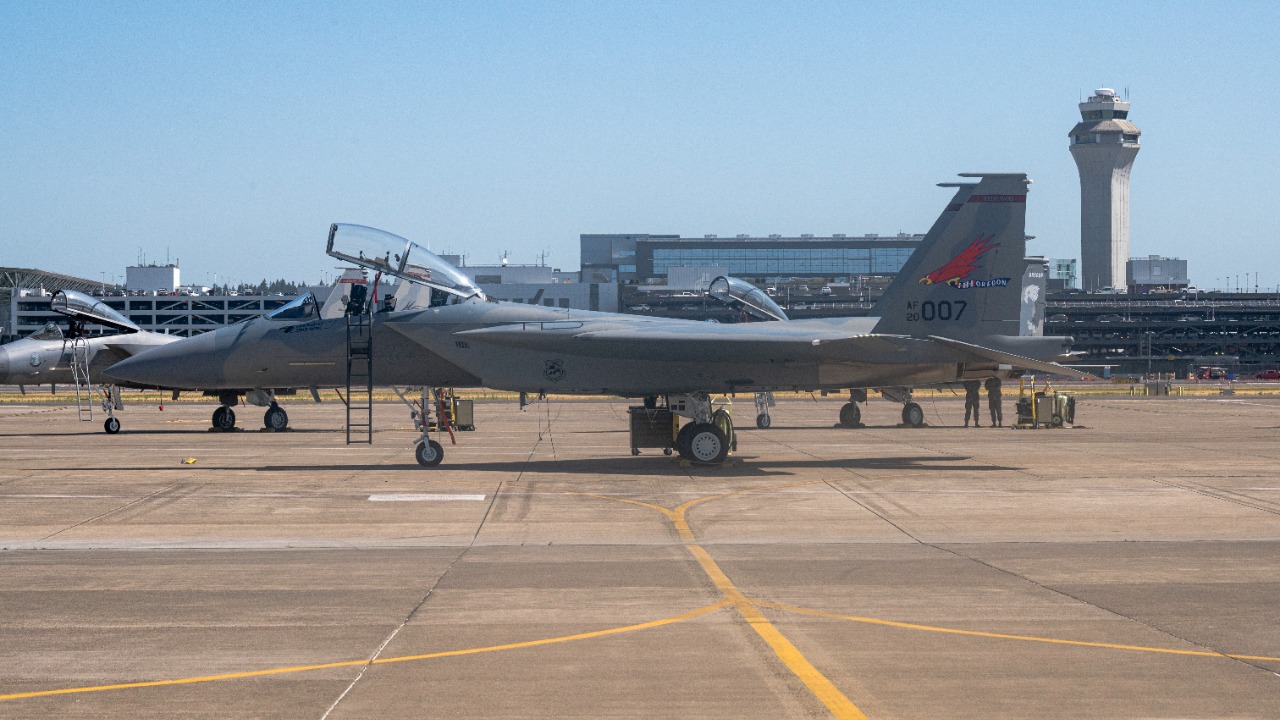
The F-15EX boasts a maximum speed of Mach 2.5 and a combat range of over 1,100 nautical miles without refueling. These specifications, coupled with its advanced avionics, make it a formidable asset in any air combat scenario. The aircraft’s weapons suite is equally impressive, featuring compatibility with hypersonic missiles and a digital stores management system for up to 23 air-to-ground munitions.
Moreover, the F-15EX’s service life has been extended to 20,000 flight hours through a reinforced airframe design. This extension not only increases the aircraft’s longevity but also enhances its operational efficiency and cost-effectiveness over the long term.
The F-15EX’s advanced avionics suite includes the Joint Helmet Mounted Cueing System II (JHMCS II), which allows pilots to aim sensors and weapons wherever they are looking. This system enhances the F-15EX’s air-to-air and air-to-ground capabilities, providing a significant advantage in close combat scenarios. The aircraft also features an advanced infrared search and track system (IRST), which can detect and track enemy aircraft without emitting radar signals, making it harder for adversaries to detect the F-15EX.
Another key capability of the F-15EX is its ability to carry a wide range of weapons. In addition to air-to-air missiles, the aircraft can carry air-to-ground munitions, including precision-guided bombs and stand-off weapons. This versatility allows the F-15EX to perform a variety of missions, from air superiority and interdiction to close air support and strategic strike.
Operational Integration and Testing
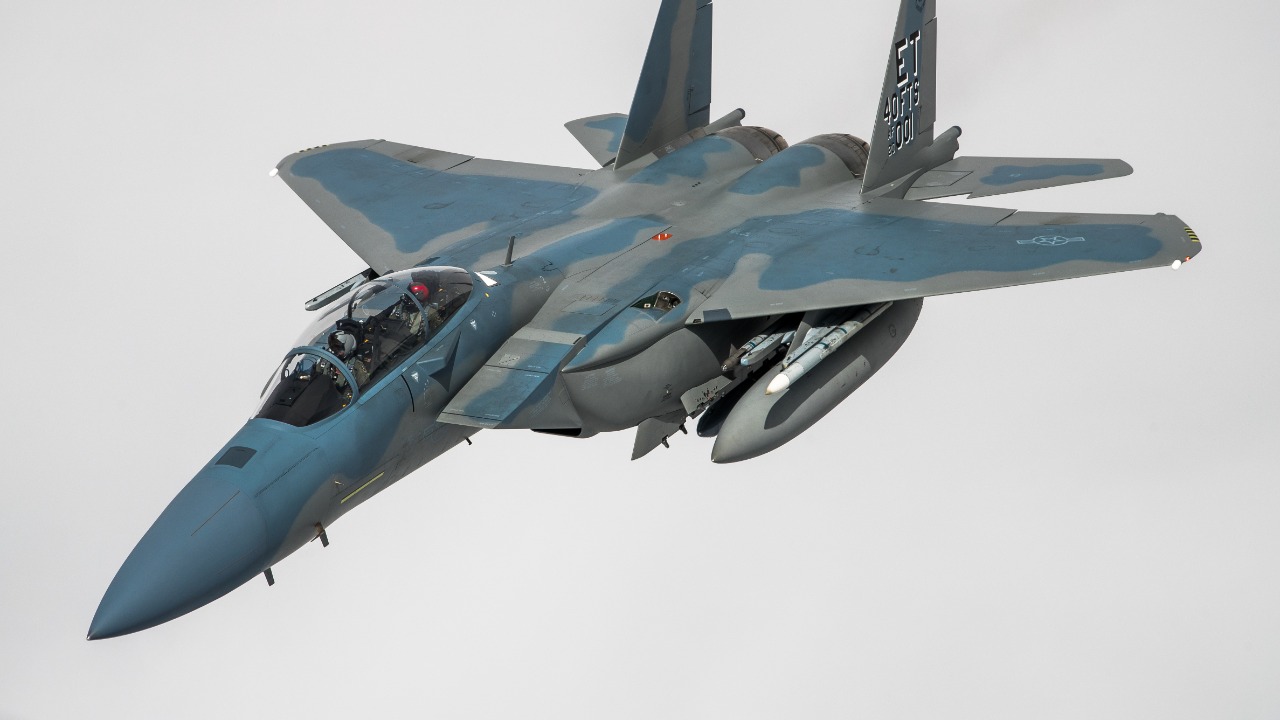
The first F-15EX was delivered to Eglin Air Force Base, Florida, on March 11, 2021, for operational testing. This marked the beginning of a new phase in the aircraft’s development, with the focus shifting from design and production to operational readiness and effectiveness. The F-15EX has also participated in joint exercises with F-22 and F-35 fighters, demonstrating its beyond-visual-range engagement capabilities.
One of the key features of the F-15EX is the APG-82(V)1 active electronically scanned array radar. This advanced radar system enables simultaneous tracking of 18 targets, providing the aircraft with unparalleled situational awareness and targeting capabilities.
During operational testing, the F-15EX demonstrated its ability to seamlessly integrate with existing ground and airborne systems. This interoperability is crucial in modern warfare, where joint operations involving different platforms and services are the norm. The F-15EX’s advanced data links allow it to share information with other aircraft, ground forces, and command centers, enhancing the overall effectiveness of the force.
The F-15EX also underwent rigorous testing to validate its performance under various conditions. These tests included high-speed maneuvers, weapons loading and unloading, and simulated combat scenarios. The results of these tests confirmed the F-15EX’s superior performance and reliability, paving the way for its operational deployment.
Strategic Role in Modern Air Combat
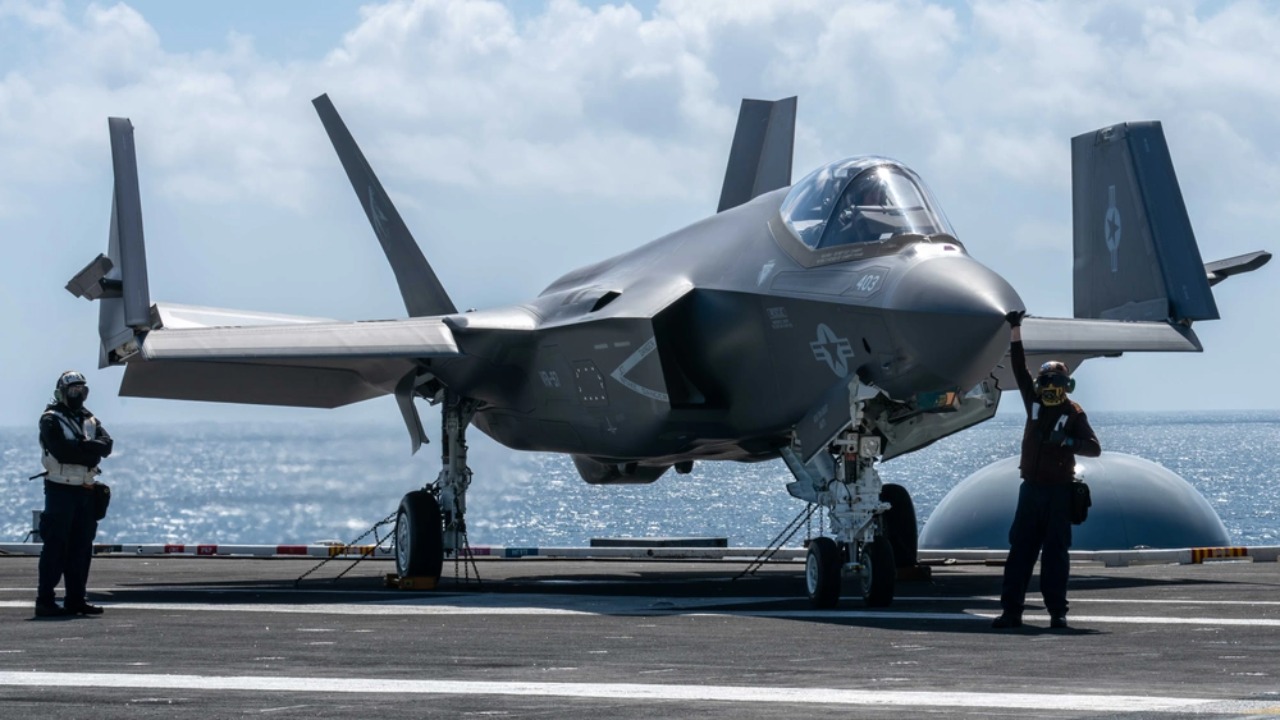
The F-15EX is set to play a crucial role in modern air combat as a “missile truck” in high-threat environments. It is capable of carrying 22 AMRAAM missiles in contested airspace, providing a significant firepower advantage. Despite its advanced capabilities, the F-15EX is cost-effective, with a cost per unit of approximately $80 million, compared to the F-35’s $78 million.
U.S. Air Force Chief of Staff Gen. CQ Brown has stated, “The F-15EX will provide our airmen with a highly lethal, survivable platform.” This statement underscores the strategic importance of the F-15EX in the U.S. Air Force’s future operations.
The aircraft’s long range, high speed, and large payload capacity make it ideal for penetrating enemy defenses and striking high-value targets. In addition, the F-15EX’s advanced sensors and data links enable it to function as a command and control platform, coordinating the actions of other aircraft and enhancing the overall effectiveness of the force.
The F-15EX’s role as a ‘missile truck’ is particularly important in the context of the U.S. Air Force’s strategy of ‘stand-off’ warfare. This strategy involves engaging the enemy from a distance, using long-range weapons to neutralize threats before they can reach friendly forces. The F-15EX’s ability to carry a large number of missiles, coupled with its advanced targeting capabilities, makes it a key asset in this strategy.
Procurement and Future Upgrades
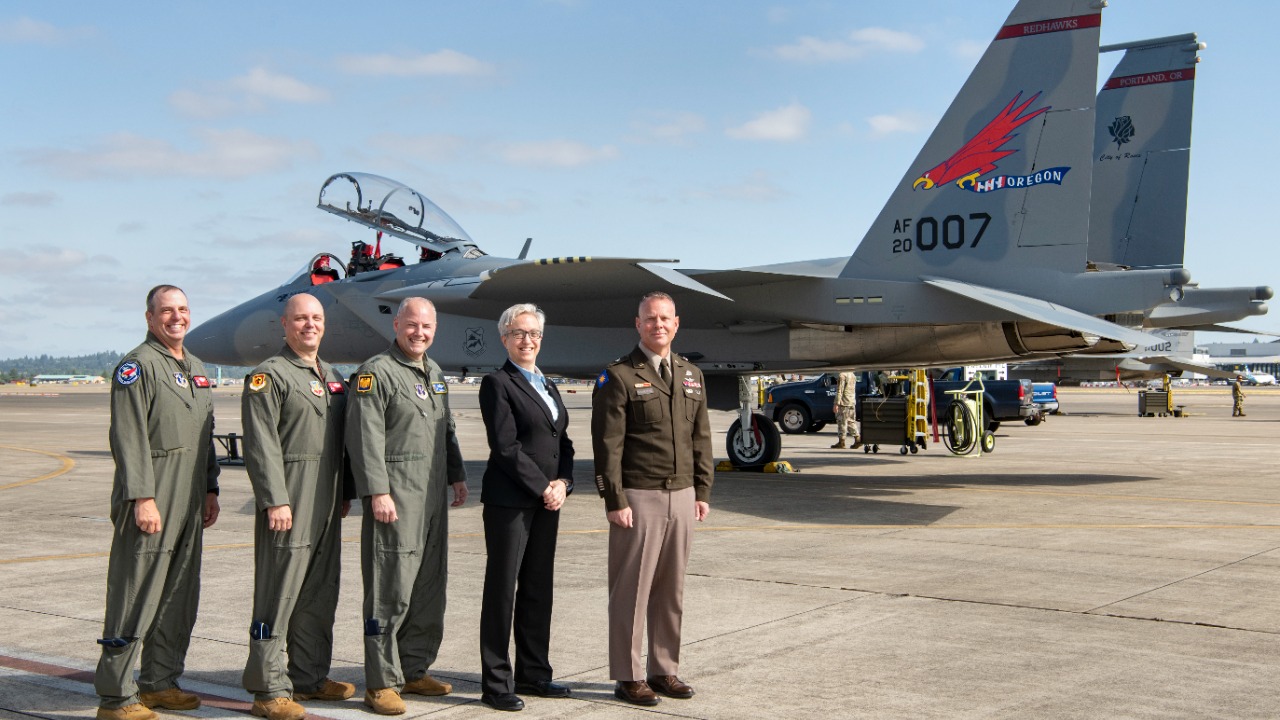
The U.S. Air Force has a multiyear procurement plan for 144 F-15EX aircraft. The first production lot of eight was approved in 2021, marking the beginning of the aircraft’s integration into the Air Force’s fleet. Looking ahead, potential upgrades for the F-15EX include the Joint Simulation Environment for training integration, which would further enhance the aircraft’s operational readiness.
There is also export interest from countries like Indonesia and Israel, building on the F-15 platform’s global sales of over 900 units. This interest underscores the F-15EX’s potential as a key player in the global defense market.
The U.S. Air Force’s procurement plan for the F-15EX reflects its confidence in the aircraft’s capabilities and its strategic importance. The plan also includes provisions for continuous upgrades to keep the F-15EX at the forefront of technological advancements. These upgrades will likely include new weapons, sensors, and avionics, ensuring that the F-15EX remains a formidable asset for years to come.
On the international front, the F-15EX’s potential as a key player in the global defense market is underscored by its export potential. Countries like Indonesia and Israel, which have expressed interest in the aircraft, recognize the F-15EX’s advanced capabilities and cost-effectiveness. The F-15EX’s potential for export also contributes to its long-term sustainability, as international sales can help offset the costs of development and production.
