As air travel becomes more tech-centric, safety concerns around electronic devices, particularly those containing lithium batteries, are escalating. Lithium batteries, present in common gadgets like laptops, smartphones, and power banks, have been identified as potential fire risks during flights.
Understanding the Dangers of Lithium Batteries on Flights
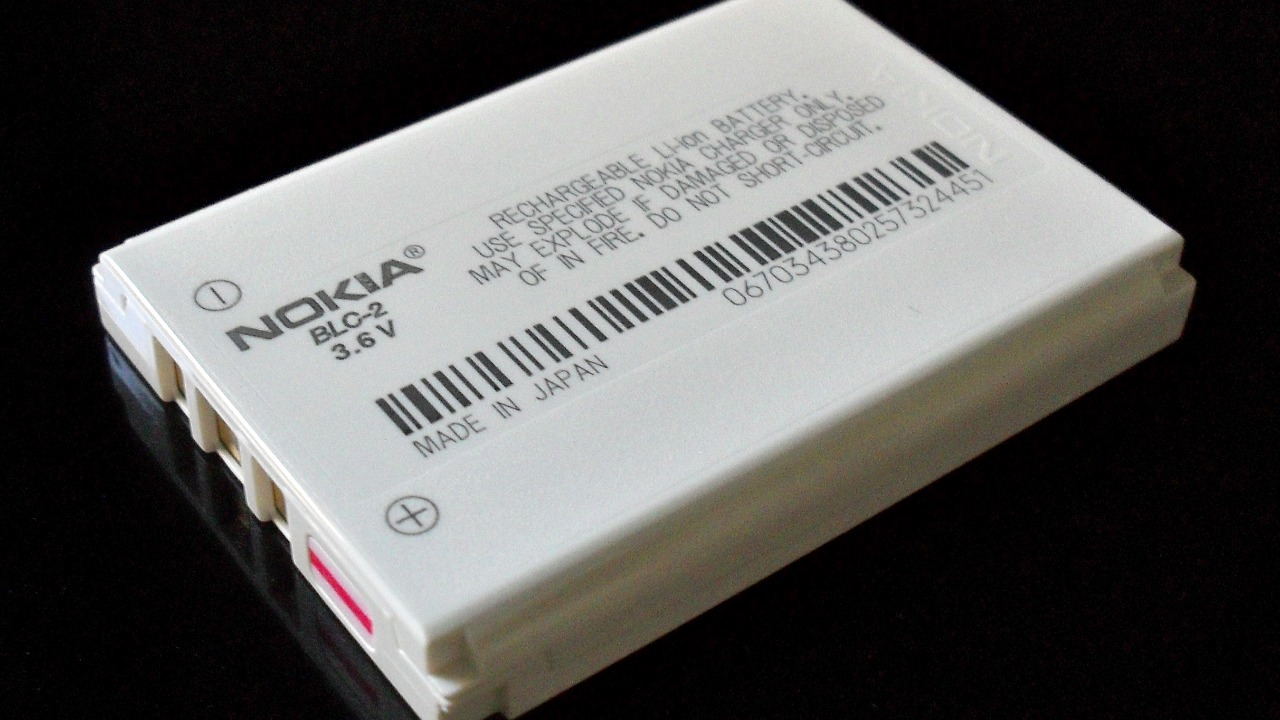
Lithium batteries, when damaged or short-circuited, can overheat and catch fire, a phenomenon known as thermal runaway. According to a study, such incidents can quickly escalate on board due to the high-density packaging and oxygen-rich environment in aircraft cabins.
There have been numerous real-world instances where lithium batteries have caused fires on planes. For example, in 2016, a lithium battery in a passenger’s backpack caught fire on a plane in Seattle, leading to evacuation of the aircraft.
Overview of Current Regulations on Lithium Batteries in Air Travel
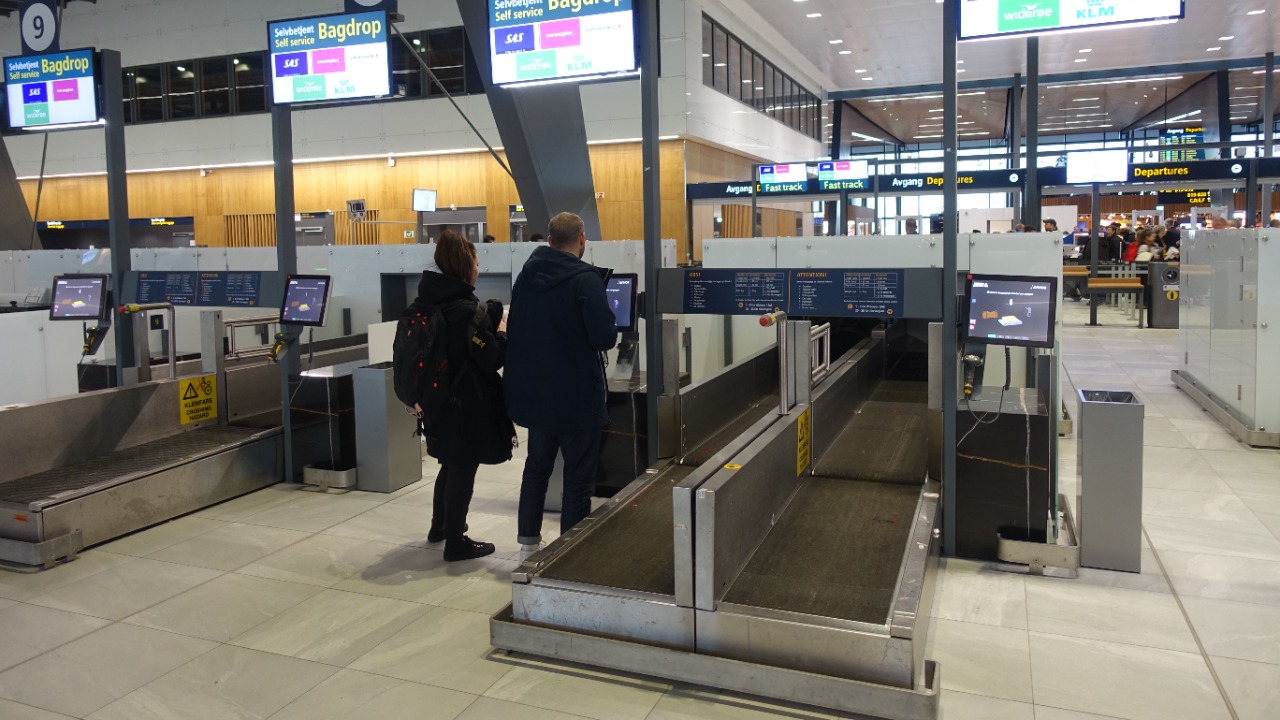
The International Air Transport Association (IATA) currently allows passengers to carry devices with lithium batteries in their carry-on luggage. However, spare batteries must be individually protected to prevent short circuits. Check the American Airlines’ guidelines for a detailed list of restrictions.
Some airlines have additional regulations. For instance, Emirates banned power banks in checked baggage after several incidents of them causing fires. Here are the details of the ban.
New, Tougher Restrictions on Lithium Batteries
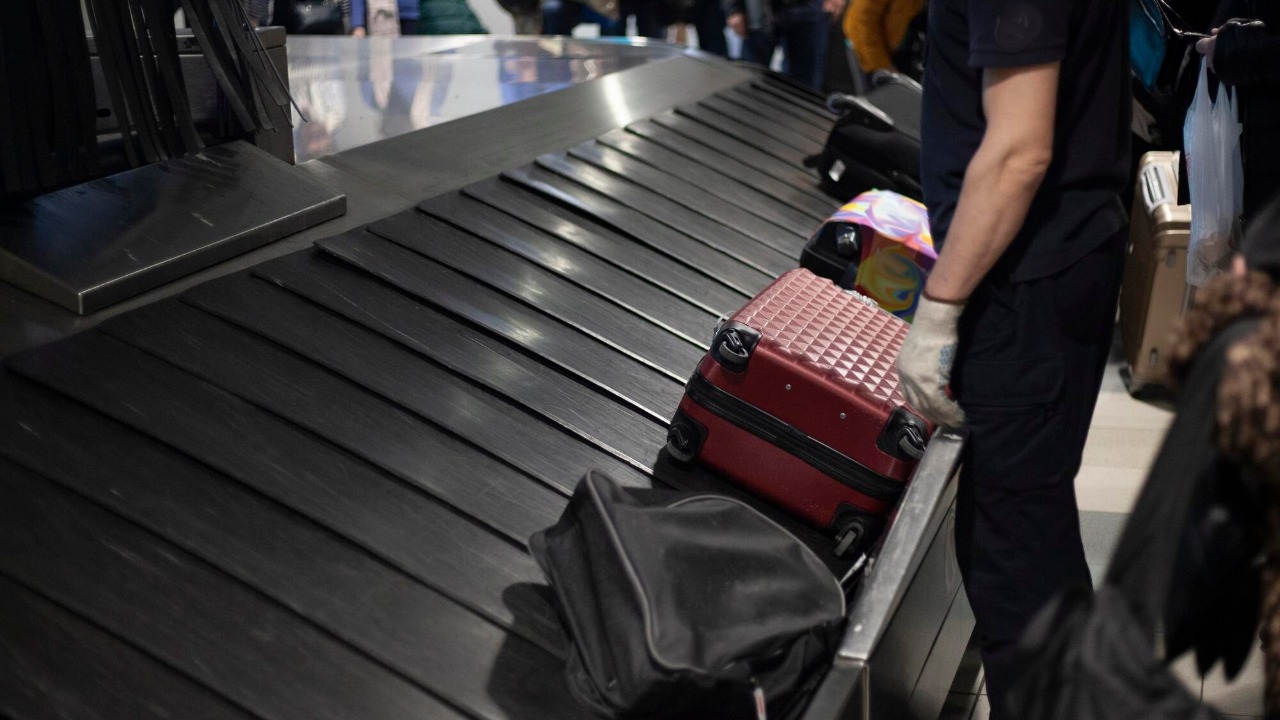
Given the increasing incidents, aviation authorities worldwide are proposing stricter regulations. For example, the FAA has recommended a worldwide ban on large personal electronic devices in checked luggage. A report suggests these measures are necessary to mitigate the risk of catastrophic aircraft failures due to fires in the cargo hold.
Further, airlines are considering thermal runaway containment bags for lithium batteries in the cabin. These bags are designed to contain fires and explosions from electronic devices.
Impact on Consumers: What These New Rules Mean for Your Travel
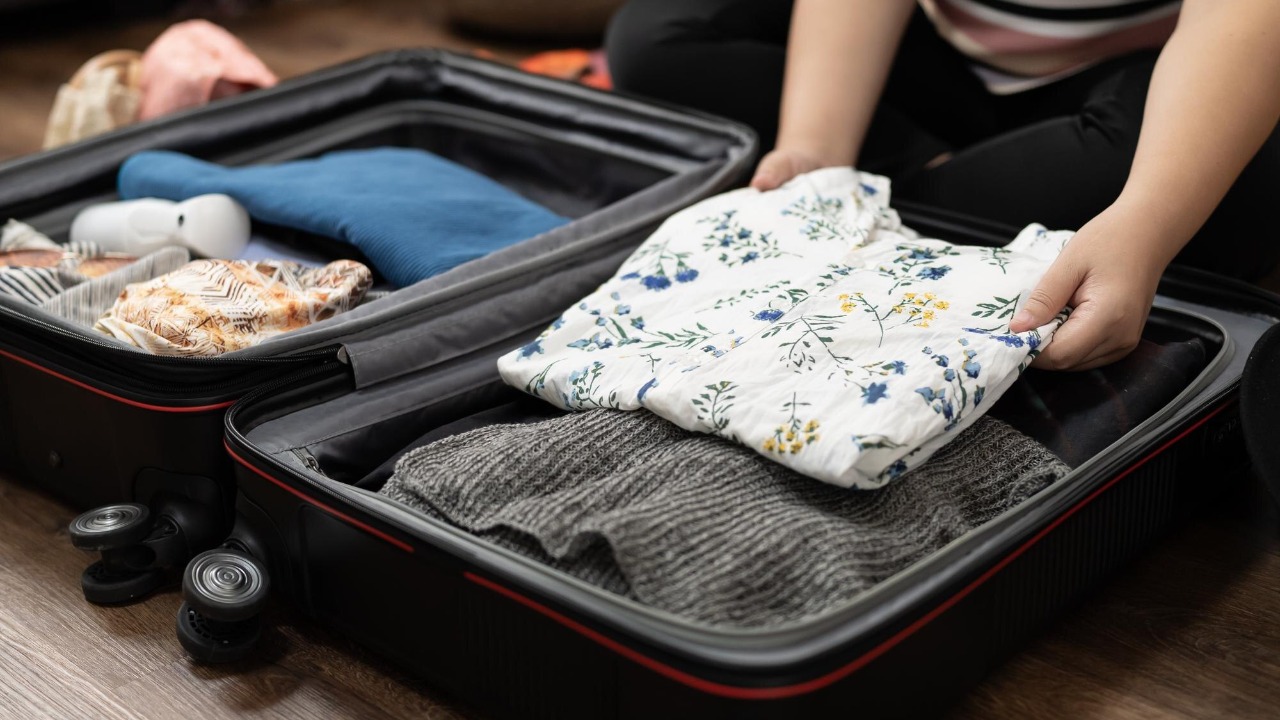
These new rules mean you might have to rethink what gadgets you pack in your luggage. Larger electronic devices might need to be carried in hand luggage, and spare batteries will need to be packaged individually. Check the TSA’s guidelines before you travel.
While these measures might seem inconvenient, remember they are in place to ensure your safety and that of your fellow passengers.
Tips to Comply with New Restrictions and Travel Safely
Always ensure your electronic devices are switched off and protected from accidental activation. If carrying spare batteries, place them in individual protective pouches to prevent short circuits. Always check the airline’s specific regulations before you pack.
Lastly, consider minimizing the number of electronic devices you carry onboard. The fewer devices with lithium batteries you carry, the lower the risk.
