From the alleged existence of a hidden US network of secret underground cities and bunkers designed for the rich, to the abandoned Nazi underground city known as Ostwall in Poland, the world beneath our feet is teeming with secrets. Iran’s recent unveiling of a massive underground “missile city” and the exploration of Maastricht’s hidden underground history in the Netherlands further underscore the fascinating world that lies beneath the surface.
Alleged US Underground Networks
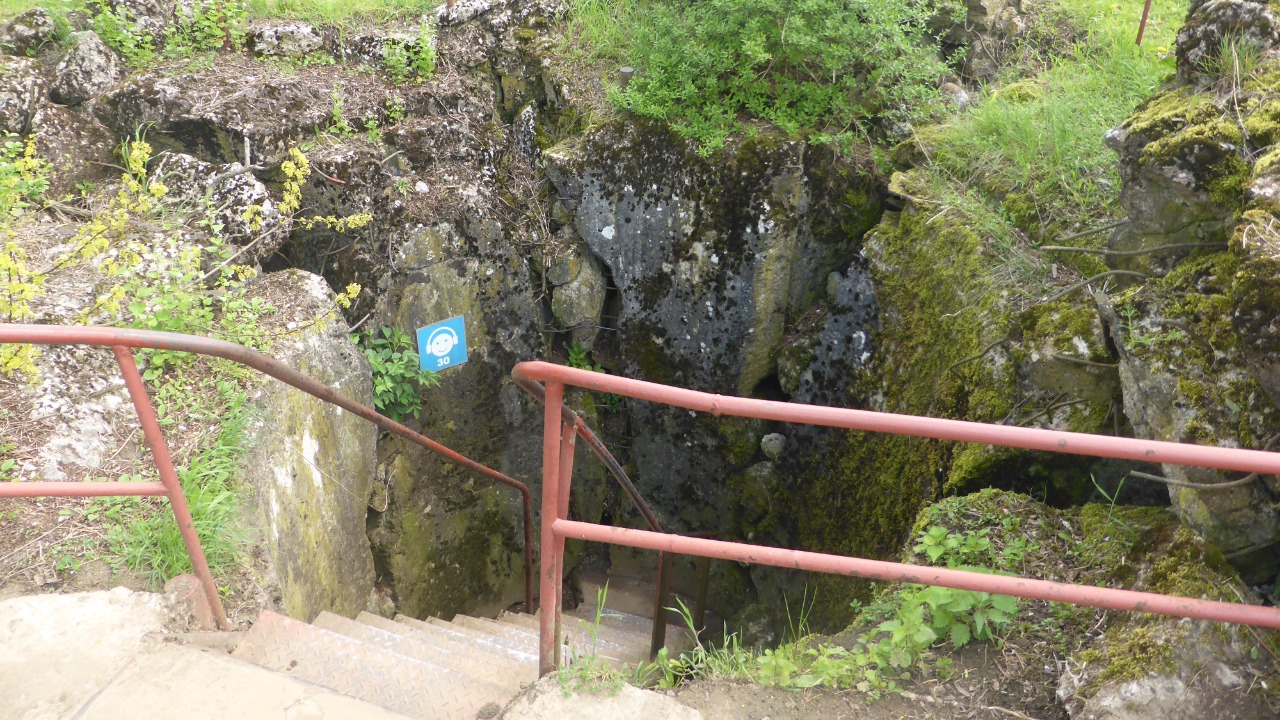
An ex-White House official has recently made a startling allegation about the existence of a hidden US network of secret underground cities and bunkers designed for the rich. The claim, which was reported on May 7, 2025, suggests that these clandestine facilities could be part of an elite preparedness plan. The implications of such a network, if true, could have far-reaching consequences for national security.
While the specifics of these alleged underground cities remain a mystery, the idea of such a network raises questions about the extent of wealth inequality and the lengths to which the elite might go to ensure their survival in the event of a catastrophe. The existence of these facilities could also potentially impact the nation’s resource allocation and emergency preparedness strategies.
Ostwall: The Nazi Legacy in Poland
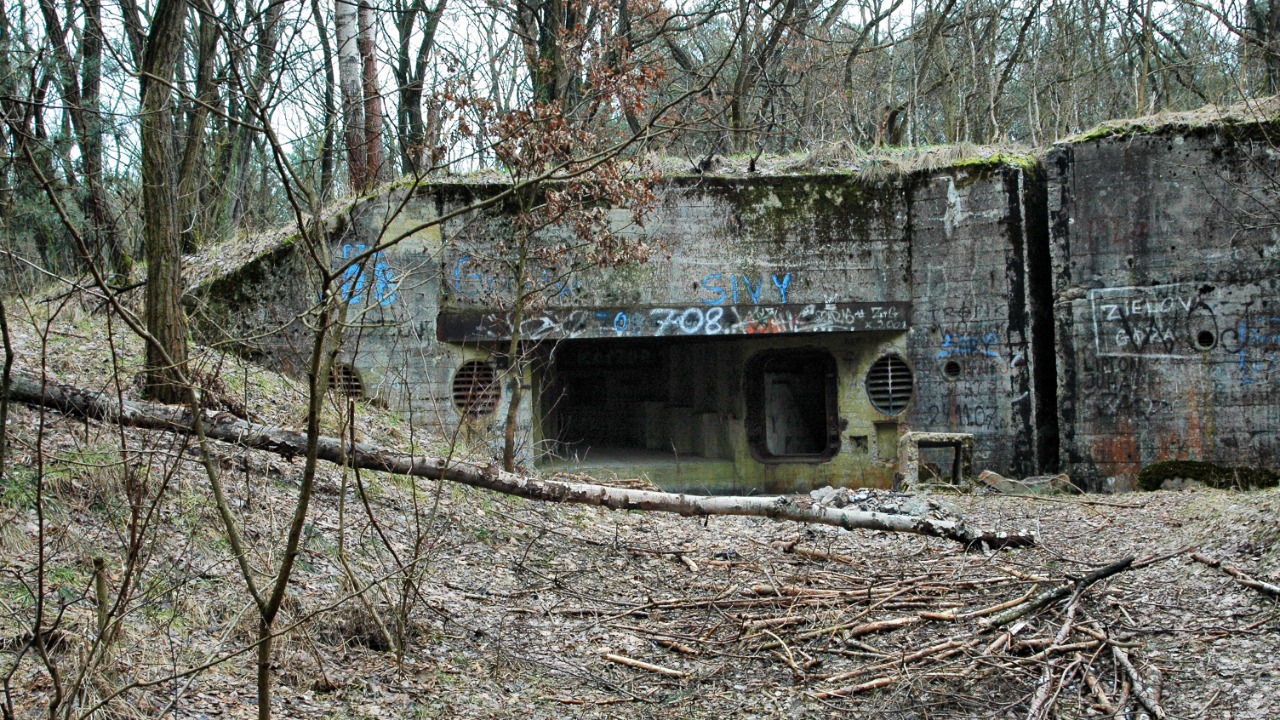
Poland is home to a piece of hidden history: the abandoned Nazi underground city known as Ostwall. Located beneath the country’s beautiful countryside, Ostwall was constructed during World War II, serving as a fortress for the Nazi regime.
Today, efforts are being made to preserve this site and make it accessible to the public. The preservation of Ostwall not only serves as a reminder of the country’s past but also provides an opportunity for future generations to learn about the historical events that shaped the world we live in today.
Delving deeper into Ostwall’s history, it is important to note that this underground city was not just a fortress, but also a place of refuge for the Nazi regime. The complex was designed to house thousands of soldiers and civilians, complete with living quarters, hospitals, and even a power station. The intricate network of tunnels and bunkers was built with the intention of withstanding heavy bombardment, a testament to the strategic planning and engineering prowess of the time.
Despite its dark past, Ostwall today is a symbol of resilience and remembrance. The ongoing preservation efforts aim to maintain the integrity of the site, while also providing a platform for education and reflection. The site’s transformation from a wartime fortress to a place of learning and remembrance is a poignant reminder of the power of history and the importance of preserving it for future generations.
Maastricht’s Subterranean Secrets
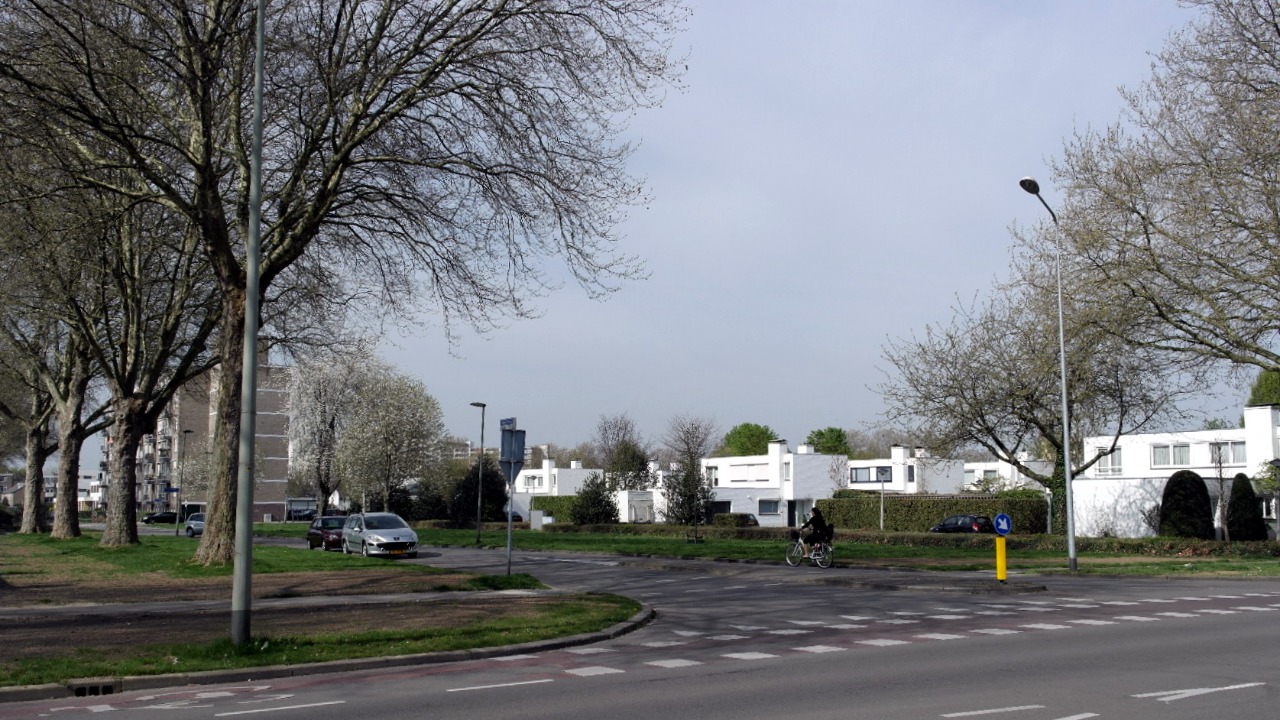
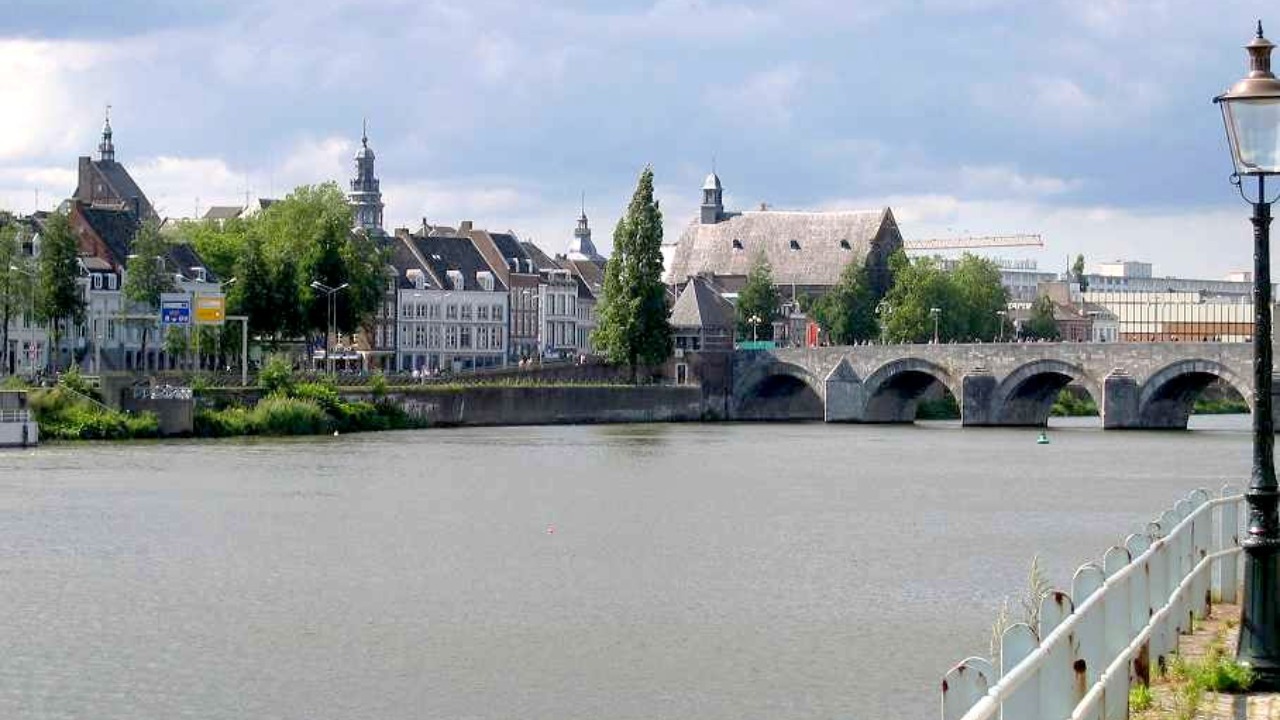
The city of Maastricht in the Netherlands has a rich history that extends beneath its surface. Recent explorations have revealed a network of ancient tunnels and caves that were used for defense and storage. These underground spaces, discovered on March 3, 2025, offer a glimpse into the city’s past and its strategic importance throughout history.
Today, these subterranean spaces have taken on a new role, serving as a tourist attraction and a cultural landmark. The exploration and preservation of Maastricht’s underground history not only enrich the city’s cultural heritage but also contribute to its modern identity.
The underground network in Maastricht is not just a relic of the past, but a living testament to the city’s strategic importance throughout history. The tunnels and caves were not only used for defense and storage, but also served as a refuge during times of war. The labyrinthine network, which extends for miles beneath the city, was painstakingly carved out of the limestone bedrock, demonstrating the ingenuity and resourcefulness of the people who lived there.
Today, the underground network is a source of pride for the city of Maastricht. The tunnels and caves are meticulously maintained and regularly opened to the public for guided tours. The city’s commitment to preserving its subterranean history is a testament to its respect for the past and its dedication to cultural preservation. The underground network serves as a tangible link to the city’s past, enriching its cultural landscape and providing a unique attraction for visitors from around the world.
Iran’s Underground Missile City
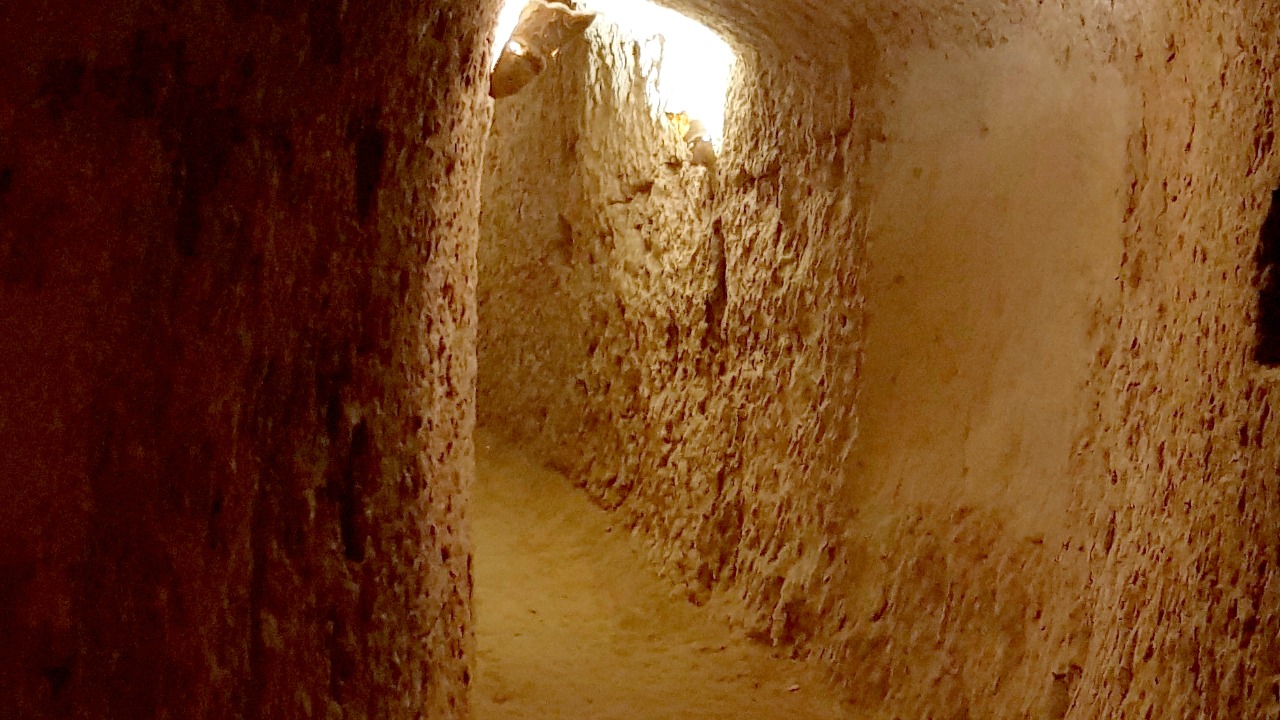
On March 30, 2025, Iran unveiled a massive underground “missile city” hidden beneath the earth. The facility, intended to shock and awe the world, showcases Iran’s military capabilities and strategic preparedness.
The scale and sophistication of this underground missile city have drawn international attention. The facility’s strategic military features, including its missile storage and launch capabilities, underscore Iran’s military prowess. The unveiling of this facility has not only sparked international reactions but also added a new dimension to the geopolitical context surrounding Iran.
The unveiling of Iran’s underground missile city is a significant development in the country’s military strategy. The facility, which is said to be one of the largest of its kind, is designed to house a vast array of missiles, ready to be launched at a moment’s notice. The city’s strategic location, deep beneath the earth, provides a high level of protection against aerial attacks, demonstrating Iran’s commitment to bolstering its defensive capabilities.
The international community’s reaction to the unveiling of the missile city has been mixed. While some view it as a provocative display of military might, others see it as a necessary measure for Iran to safeguard its sovereignty. Regardless of the differing viewpoints, the unveiling of the missile city has undoubtedly added a new layer of complexity to the geopolitical landscape, underscoring the importance of dialogue and diplomacy in maintaining global peace and security.
Global Examples of Hidden Cities
Hidden cities are not unique to the US, Poland, the Netherlands, or Iran. In fact, there are numerous examples of secret cities around the world that have been hidden from prying eyes for various reasons. A list of 10 such cities includes locations with diverse purposes, from military installations to scientific research facilities.
One such example is a Cold War-era site that was concealed using innovative methods. The concealment techniques used at these sites vary widely, reflecting the unique circumstances and objectives of each location. These hidden cities, like the modern underground developments, demonstrate the lengths to which nations will go to protect their interests and secrets.
Hidden cities around the world serve a variety of purposes, reflecting the unique circumstances and objectives of each location. Some, like the alleged US network of underground cities and bunkers, are designed to provide refuge in the event of a catastrophe. Others, like Iran’s underground missile city, serve strategic military purposes. Still others, like the underground network in Maastricht, are historical sites that have been preserved for their cultural and historical value.
These hidden cities are a testament to human ingenuity and the lengths to which nations will go to protect their interests. They represent a fascinating aspect of our global heritage, offering a glimpse into the past, present, and future of human civilization. As we continue to explore and uncover these hidden cities, we gain a deeper understanding of our shared history and the complex world we live in.
Technological and Architectural Innovations
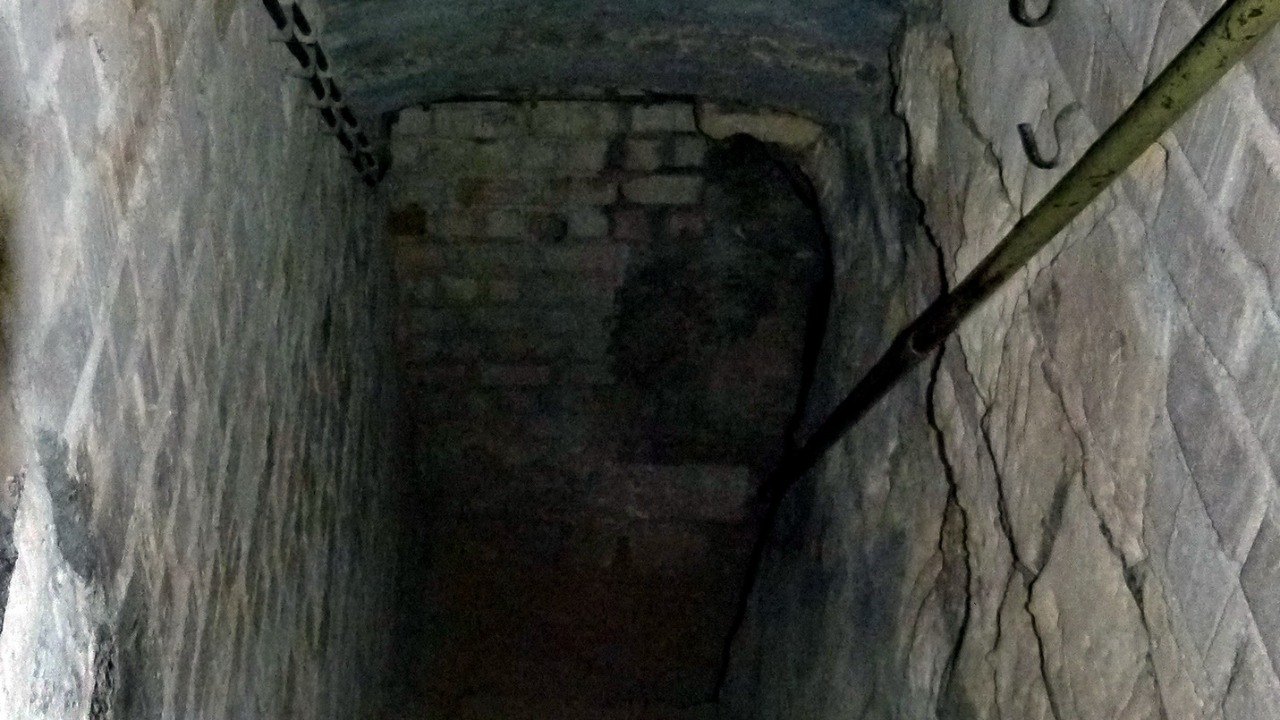
The alleged US network of secret underground cities and bunkers, if true, would represent a significant advancement in bunker design. According to the ex-White House official’s claims, these facilities incorporate cutting-edge technologies and architectural innovations to ensure the survival of their inhabitants in the event of a catastrophe.
Similarly, Iran’s underground missile city showcases architectural adaptations designed for missile storage and launch capabilities. Meanwhile, the engineering feats in Maastricht’s underground network demonstrate how historical sustainability can be achieved through innovative design. These examples highlight the role of technology and architecture in shaping the world beneath our feet.
The creation of these underground cities and bunkers requires significant technological and architectural innovation. From the alleged US network of secret underground cities and bunkers to Iran’s underground missile city, these facilities incorporate advanced technologies and innovative design principles to ensure their functionality and survivability. These include state-of-the-art ventilation systems, reinforced structures to withstand external threats, and advanced communication systems to maintain connectivity.
These technological and architectural innovations not only serve practical purposes but also reflect the evolving nature of our built environment. As we continue to push the boundaries of what is possible, these underground facilities serve as a reminder of our capacity for innovation and adaptation. They represent a fascinating intersection of technology, architecture, and human ingenuity, offering a glimpse into the future of our built environment.
