
In a surprising revelation, a leading expert in rheumatology suggests that the most effective “medicine” for joint pain isn’t found in a pharmacy but rather in regular physical movement. This insight challenges the common reliance on over-the-counter drugs, emphasizing the benefits of low-impact activities to reduce inflammation and improve mobility without side effects. This perspective is supported by a 2023 analysis, which highlights the importance of movement in managing joint pain effectively (ScienceAlert).
Understanding Different Types of Joint Pain
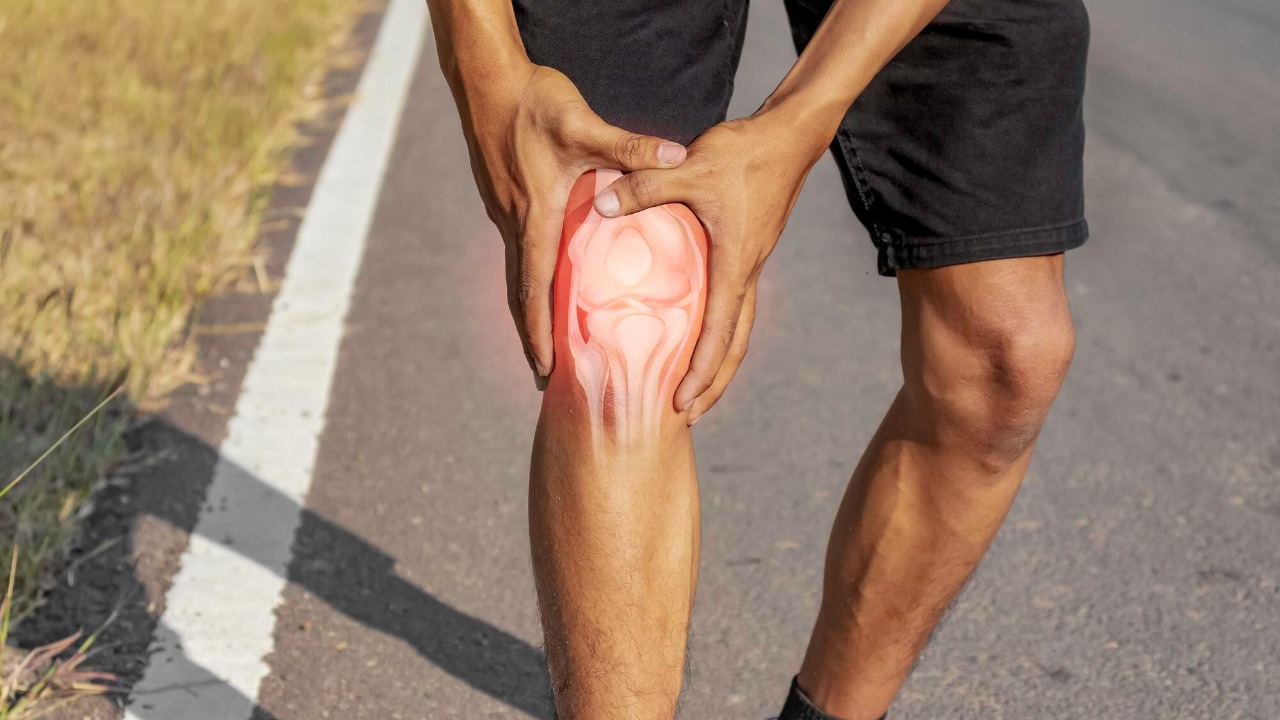
Joint pain can manifest in various ways depending on the affected body part. For instance, knee pain often indicates potential osteoarthritis, while shoulder pain might be linked to rotator cuff issues. Physicians explain that these differences are crucial for accurate diagnosis and treatment. Understanding these distinctions can guide individuals in seeking appropriate care and managing their symptoms effectively (The Healthy).
Diagnostic signs for joint pain in specific areas, such as the hips or wrists, can also signal underlying conditions like rheumatoid arthritis or tendinitis. Recognizing these signs early can lead to better management and treatment outcomes. Experts emphasize the importance of not dismissing joint pain as mere “wear and tear,” as location-specific symptoms can provide valuable clues for initial self-assessment (The Healthy).
The Impact of Sleep on Joint Health

Poor sleep can exacerbate arthritis-related joint pain by increasing inflammation. Experts recommend using supportive mattresses that align the spine and reduce pressure points to alleviate this issue. The National Council on Aging highlights the benefits of medium-firm mattresses, which provide contouring support without excessive sinking, as ideal for arthritis sufferers (NCOA).
Improving sleep hygiene, including optimizing bedding, can significantly decrease morning stiffness and overall pain intensity in joints. By prioritizing quality sleep, individuals with arthritis can experience a noticeable reduction in joint discomfort, enhancing their overall quality of life (NCOA).
Choosing the Right Specialist for Persistent Pain

When dealing with persistent joint pain, knowing which specialist to consult is crucial. For back pain that radiates to joints, consulting a primary care physician or an orthopedist is recommended to prevent chronic issues. Early intervention can make a significant difference in managing pain effectively (HSS).
Rheumatologists play a vital role in diagnosing autoimmune joint conditions, and referrals are often based on the duration and severity of pain. Additionally, physical therapists can offer non-surgical management options through tailored exercises designed to build strength and improve joint function (HSS).
Exploring Non-Traditional Therapies for Relief

Red light therapy devices have emerged as a potential option for reducing joint inflammation. However, it’s important to note that while some models show promise, the evidence supporting their effectiveness for pain relief remains limited. According to Wirecutter, there is currently insufficient evidence to recommend any specific red light therapy devices for this purpose (Wirecutter).
When considering red light therapy, individuals should be aware of safety considerations and manage their expectations regarding outcomes. While some users report noticeable pain reduction after consistent use, these results can vary, and further research is needed to establish the therapy’s efficacy conclusively (Wirecutter).
