Let’s embark on a journey into the captivating world of exoplanet weather, where we’ll explore the striking resemblances to Earth’s storms and the unique atmospheric conditions that sculpt these celestial weather phenomena.
Understanding Exoplanet Weather
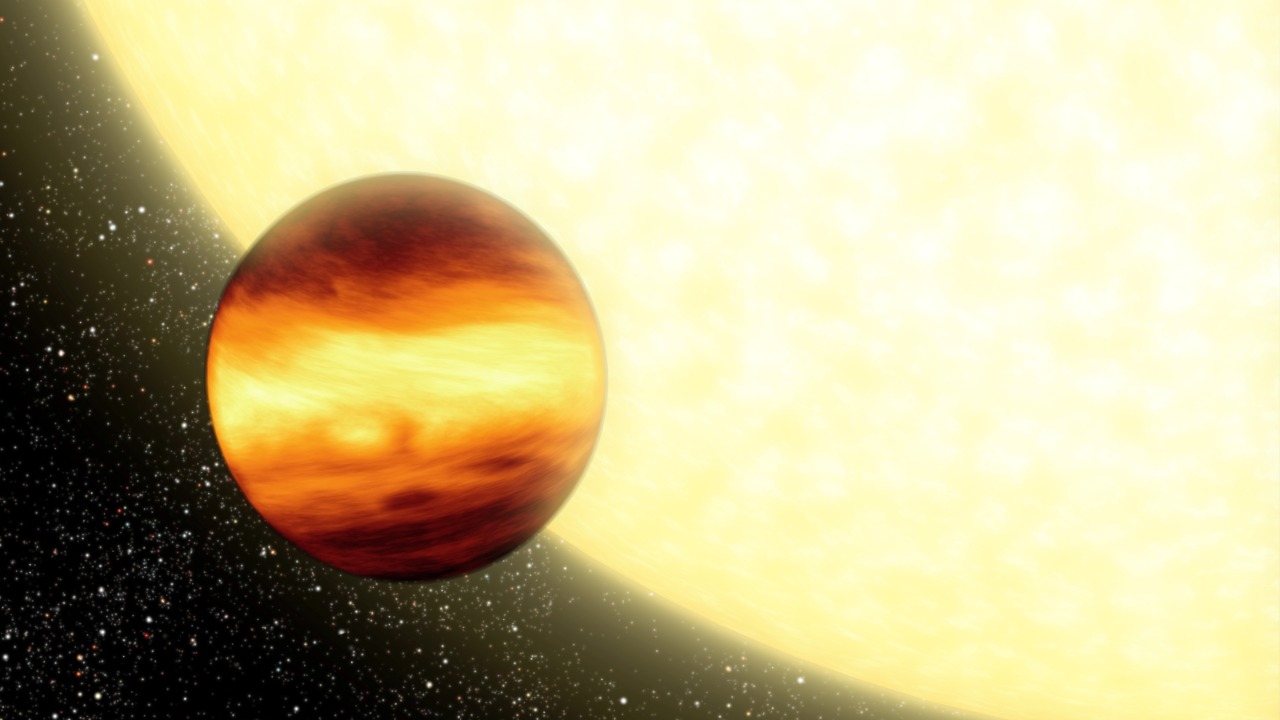
Exoplanets, planets outside our solar system, come with an array of unique atmospheric compositions. The diverse range of climate conditions on these celestial bodies is as intriguing as it is complex. Determining the specific atmospheric conditions and weather patterns on these distant worlds has been made possible with the help of advanced telescopes and innovative technology.
Our current understanding of exoplanet weather systems is still evolving. These weather systems can range from common phenomena like wind and rain to more exotic occurrences such as glass rainstorms and diamond precipitation. The sheer diversity and extremity of these weather conditions continue to challenge our understanding of atmospheric science.
Exoplanet HD 189733b: A Case Study
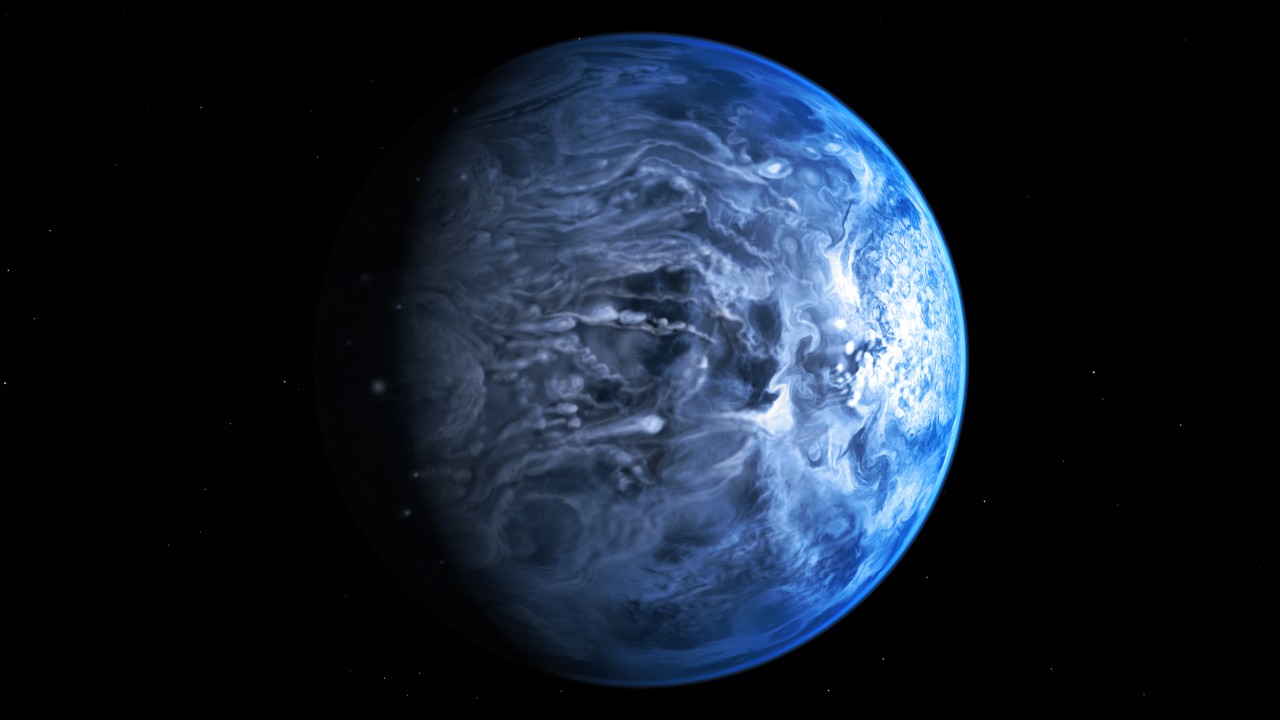
One of the most fascinating examples of extreme weather on exoplanets can be found on HD 189733b. Known for its “rains of terror,” this exoplanet experiences glass rainstorms that travel at speeds of up to 5,400 miles per hour. These extreme conditions are a result of the planet’s atmospheric composition and close proximity to its star.
This exoplanet’s storms, despite their extreme nature, still bear some similarities to Earth’s storms, such as the presence of wind and precipitation. However, the key difference lies in the intensity and composition of these elements. The understanding and comparison of these differences and similarities provide valuable insights into the diverse range of weather systems in our universe.
Other Noteworthy Exoplanets and Their Weather
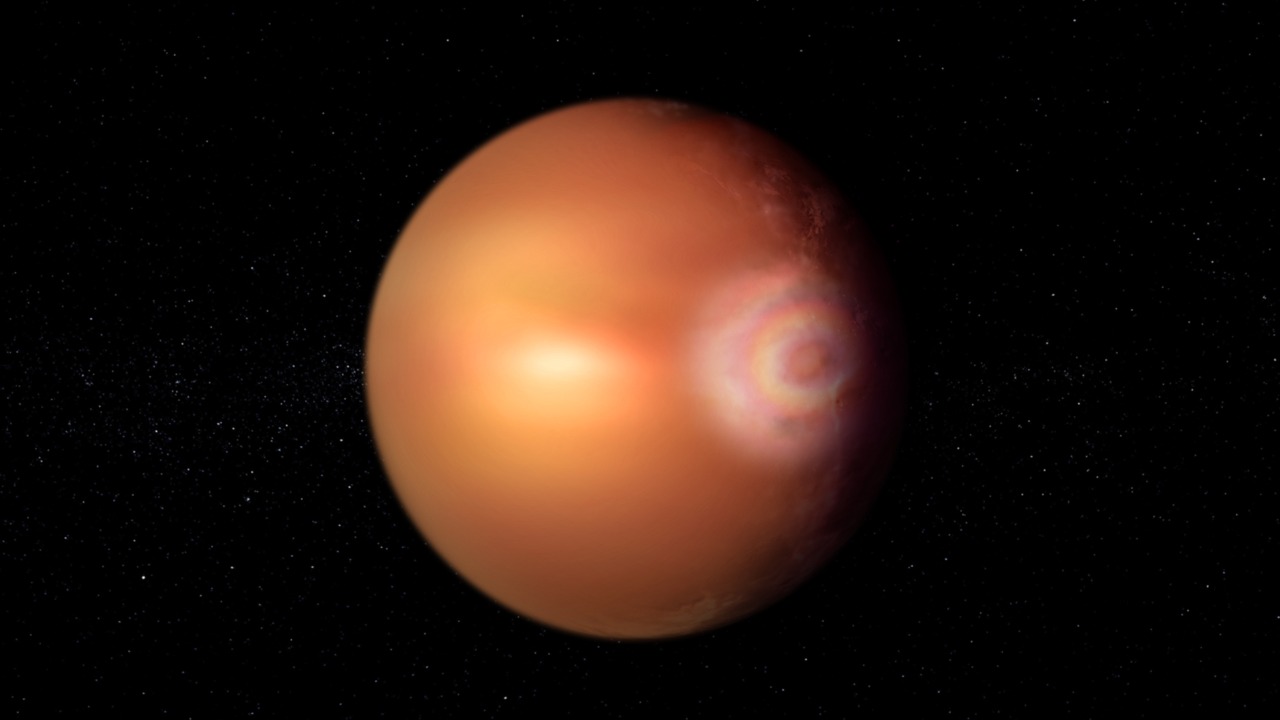
There are numerous other exoplanets with remarkable weather conditions. For instance, the ‘hot Jupiters,’ a group of gas giants that orbit very close to their host stars, experience extreme heat and violent storms. These planets have strong winds and high temperatures that can exceed 2000 degrees Celsius.
Even stranger are the bizarre weather phenomena found on other exoplanets. From the iron rain on WASP-76b to the likely diamond snow on HAT-P-7b, these strange weather phenomena are a testament to the vast and varied conditions found on exoplanets.
Comparing Exoplanet Storms to Earth’s Storms
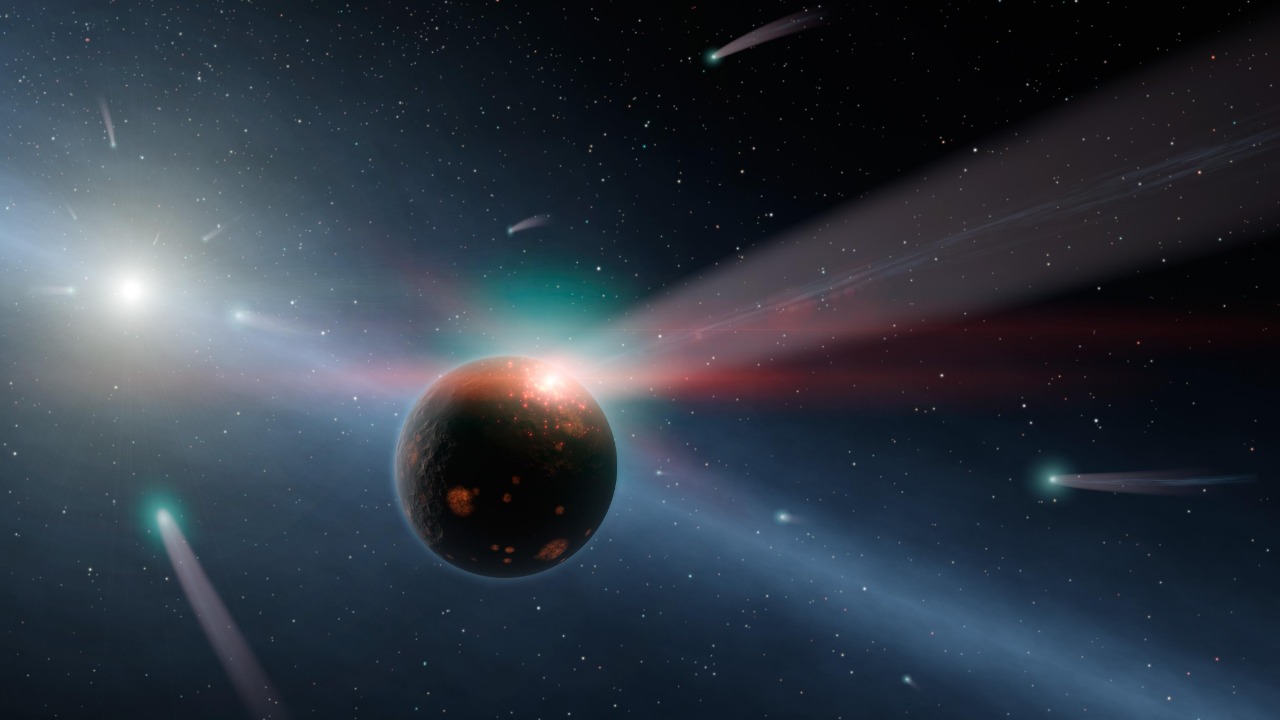
On Earth, storm formation is primarily driven by energy from the sun, which warms the Earth’s surface and creates zones of differing pressure. Similar processes can be seen on exoplanets, but with variations due to their unique atmospheric compositions and distances from their respective stars. For instance, the solar system vortices, similar to hurricanes on Earth, are found on many planets in our solar system and are believed to exist on exoplanets as well.
By comparing these celestial vortices with Earth’s hurricanes, we can gain a better understanding of the storm processes on both Earth and exoplanets. Additionally, studying these extraterrestrial weather patterns can provide invaluable insights into our own planet’s climate and weather patterns, and help us predict and respond to future changes more effectively.
The Future of Exoplanet Weather Research
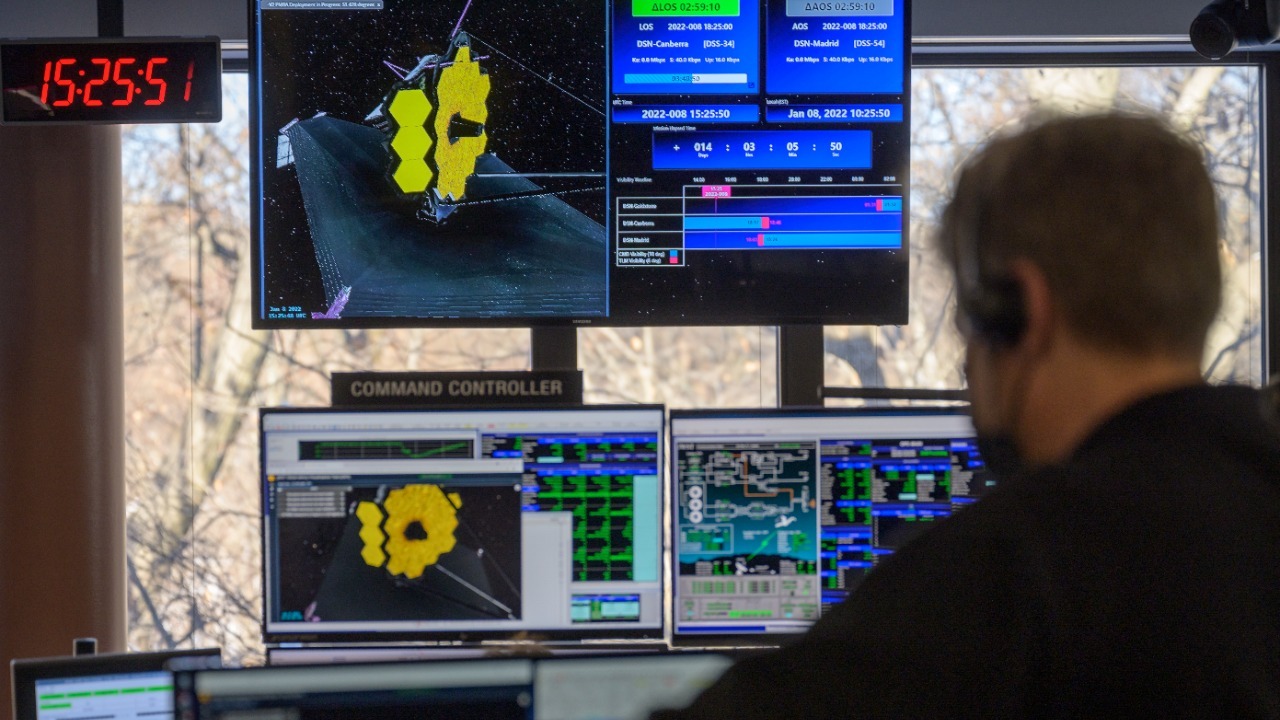
While we have made significant strides in understanding exoplanet weather, there are still many challenges and limitations to overcome. The distance and complexity of these celestial bodies make direct observation difficult. However, with potential advancements in technology and methodology, we can enhance our understanding of exoplanet weather and possibly even detect signs of extraterrestrial life.
The study of exoplanet weather holds enormous potential. Not only can it improve our understanding of our own planet’s weather systems, but it also opens up possibilities for discovering life-sustaining conditions on other planets. As we continue to explore these distant worlds, we may just find that the weather out there is more familiar than we ever imagined.
