Exoplanets, celestial bodies that orbit stars beyond the familiar confines of our solar system, continue to captivate scientists around the world. Their diverse and often unexpected attributes offer enticing possibilities for astronomers and planetary scientists alike. One recent discovery has added a new layer of intrigue to this ongoing exploration: certain exoplanet clouds contain metallic vapors. This revelation could significantly reshape our understanding of these distant worlds.
Discovery of Metallic Vapors in Exoplanet Clouds
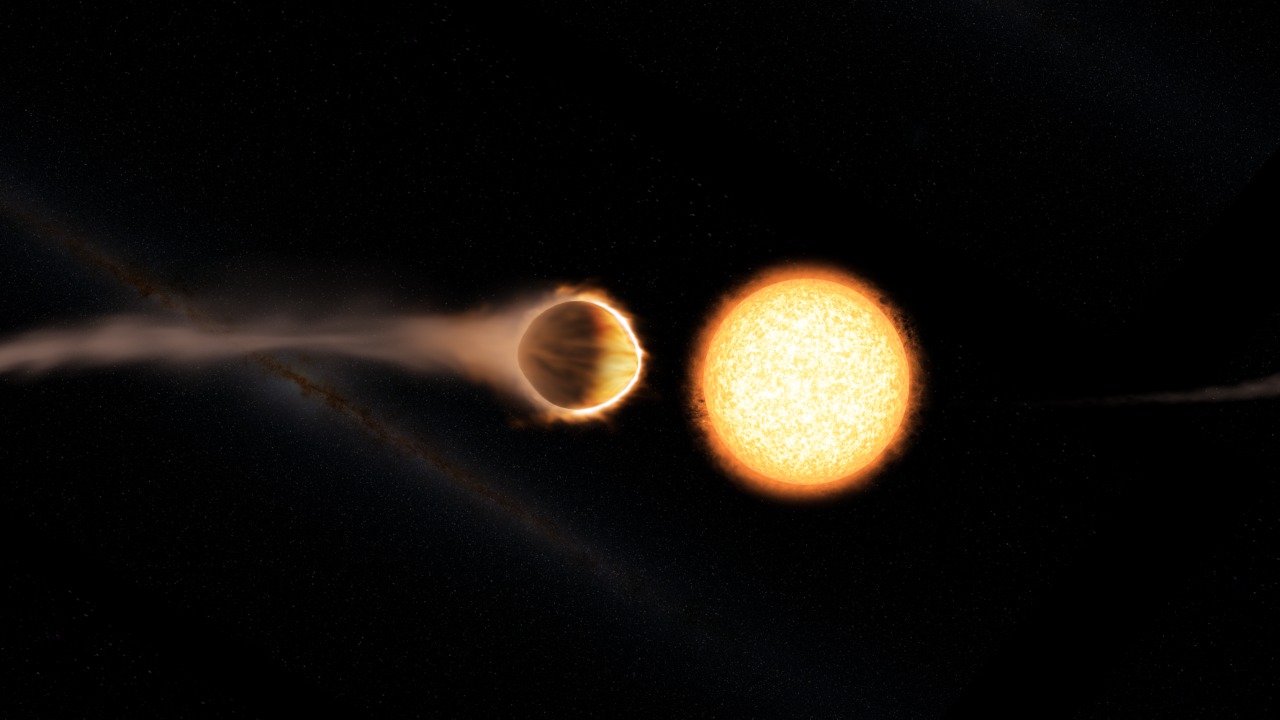
The presence of metallic vapors in exoplanet clouds was first detected in the atmosphere of WASP-121b, a gas giant approximately 900 light-years away from Earth. This exoplanet stands out due to its extreme temperature, which is so high that metals such as iron and magnesium exist in a gaseous state.
The European Space Agency’s (ESA) CHEOPS satellite played a critical role in this discovery. By studying the light that filters through the planet’s atmosphere, the CHEOPS was able to detect these metallic vapors. This breakthrough underscores the importance of metallic vapors in our ongoing study of exoplanets, providing valuable insights into their atmospheric composition and climate.
Understanding the Nature of Metallic Clouds
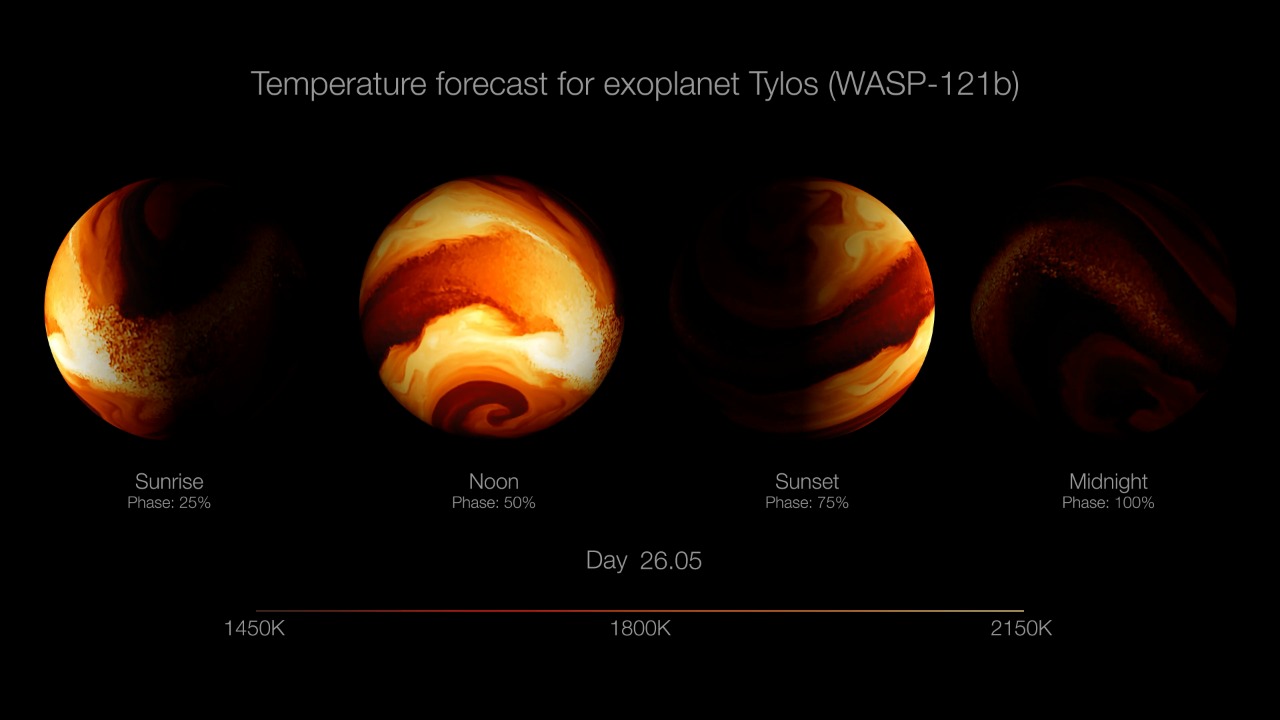
The existence of metallic clouds on exoplanets is a fascinating scientific phenomenon. These clouds form under extreme temperatures, which cause metals like iron and magnesium to vaporize into the atmosphere. As the vapors rise and cool, they condense into clouds, contributing to an exoplanet’s unique weather.
Contrasting starkly with the clouds we are familiar with on Earth, these metallic clouds could significantly impact exoplanetary weather. For instance, they might reflect more light and heat than water-based clouds, potentially affecting the planet’s overall climate and temperature. Further research is needed to fully understand these implications and their potential effects on exoplanetary environments.
Exoplanet WASP-121b: A Case Study
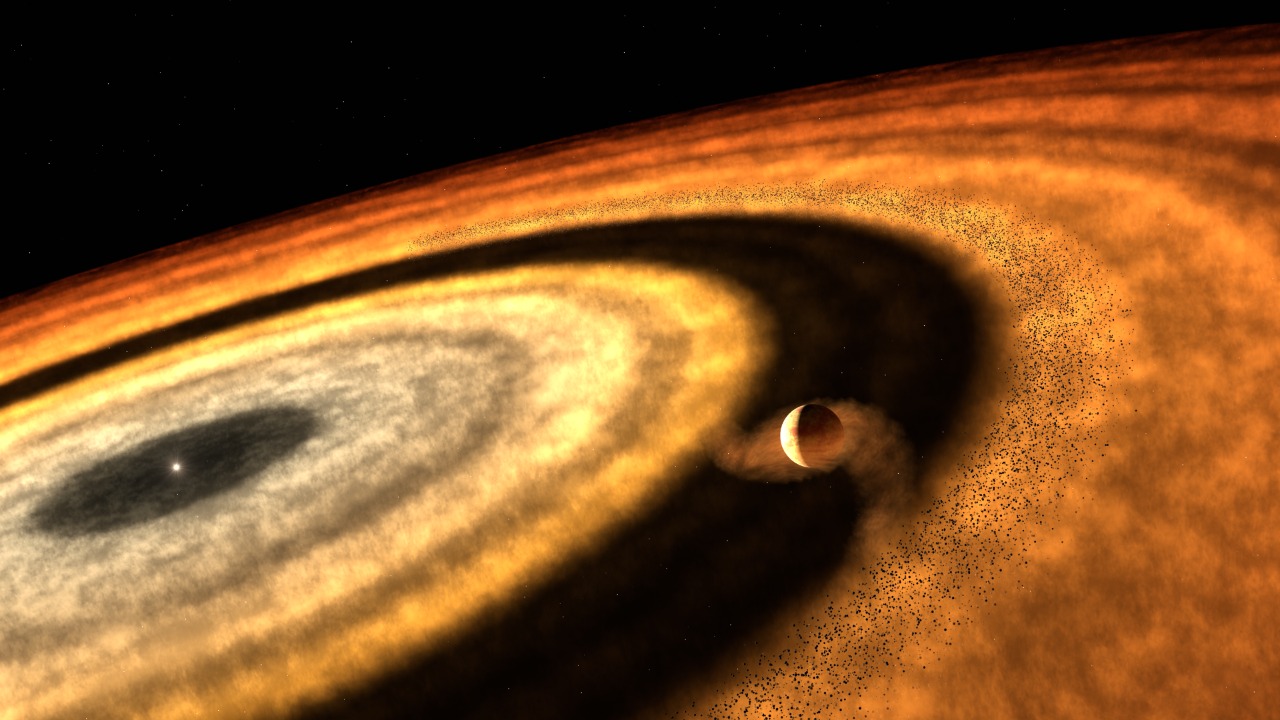
WASP-121b, the exoplanet where metallic clouds were first discovered, offers a fascinating case study. This gas giant’s extreme temperature, hotter than most stars, contributes to the formation of metallic vapors. Because of these high temperatures, metals such as iron and magnesium become gaseous and rise into the atmosphere, creating the planet’s characteristic metallic clouds.
These metallic clouds give WASP-121b a unique ‘mirror-like’ appearance, as reported in Science Alert. The clouds reflect a significant amount of the starlight hitting the planet, creating a shiny, reflective aesthetic that stands out in the dark expanse of space.
Implications for the Search for Alien Life
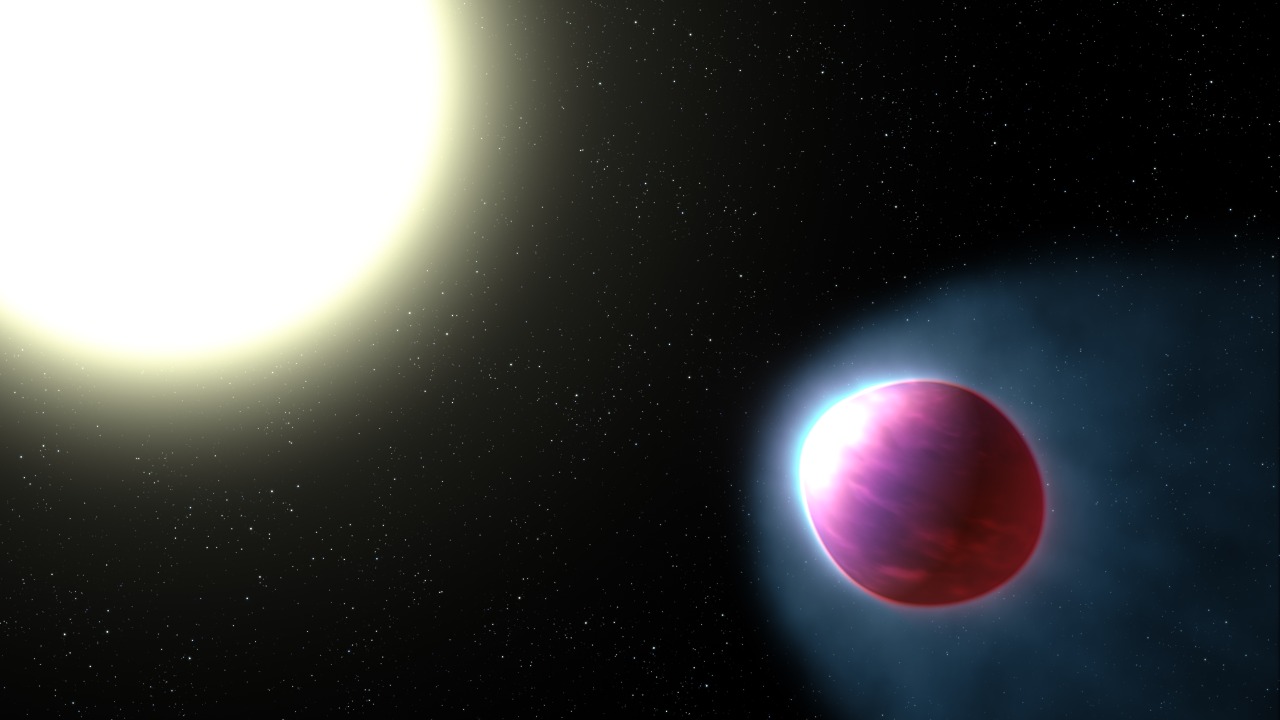
The discovery of metallic vapor clouds could have substantial implications for the search for extraterrestrial life. The presence of metals in an exoplanet’s atmosphere could potentially impact the conditions necessary for life as we understand it. For instance, the metal-rich clouds could affect the planet’s temperature or radiation levels, factors that are crucial for the existence of life.
While it’s currently unknown whether metallic vapors would favor or hinder the likelihood of life, the discovery opens new avenues of exploration in our quest to find alien life. It also raises the exciting prospect of making similar discoveries on other exoplanets in the future.
Exploring the Dark Exoplanets
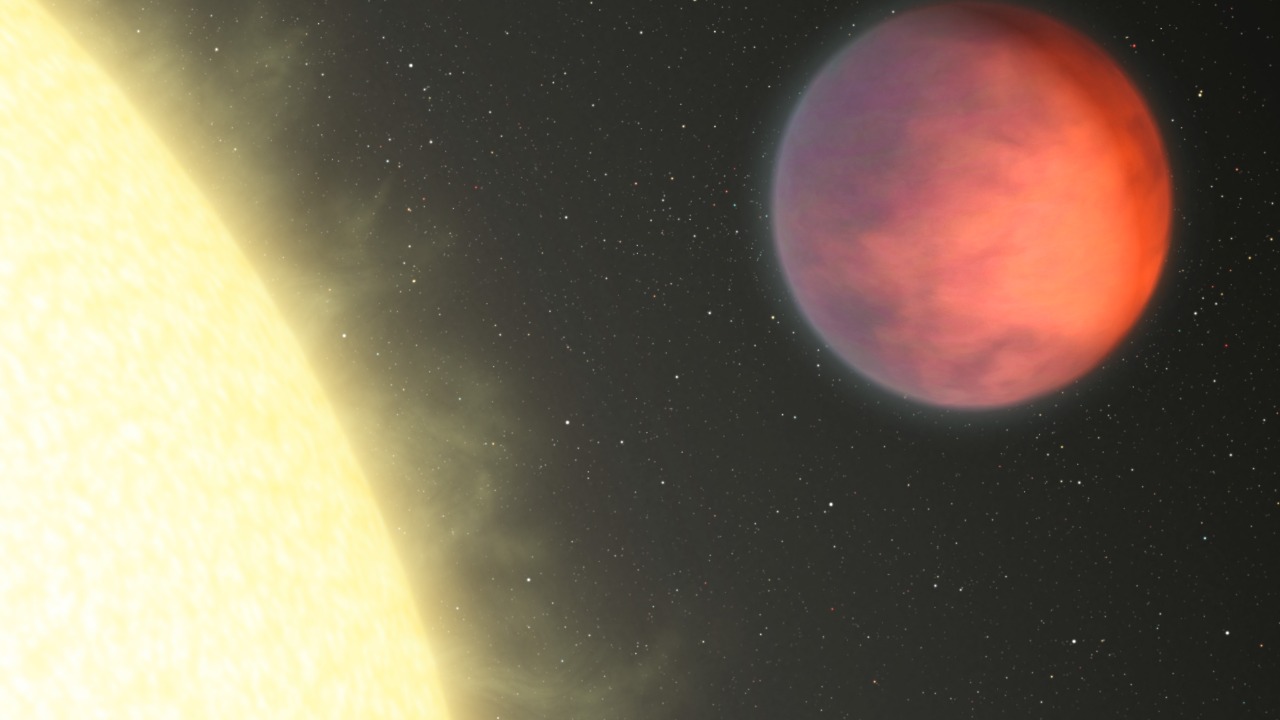
While metallic clouds add a reflective sheen to some exoplanets, others are known for their darkness. These “dark exoplanets” absorb almost all the light that hits them, making them appear almost pitch black. Studying these contrasting exoplanets can enhance our understanding of the universe’s diverse planetary bodies.
Studying these dark exoplanets presents its own set of challenges, as their light-swallowing characteristics can make them difficult to detect and analyze. But, just as with their shiny counterparts, there could be the potential for metallic vapors to exist in their atmospheres. As we continue to explore the vast expanse of space and uncover the secrets of distant worlds, we can only imagine what other surprises await us.
