In a significant leap forward in the quest for extraterrestrial life, NASA recently announced the detection of oxygen in the atmosphere of an exoplanet. This revolutionary discovery will be the subject of our discussion, along with its potential implications.
What is an Exoplanet?
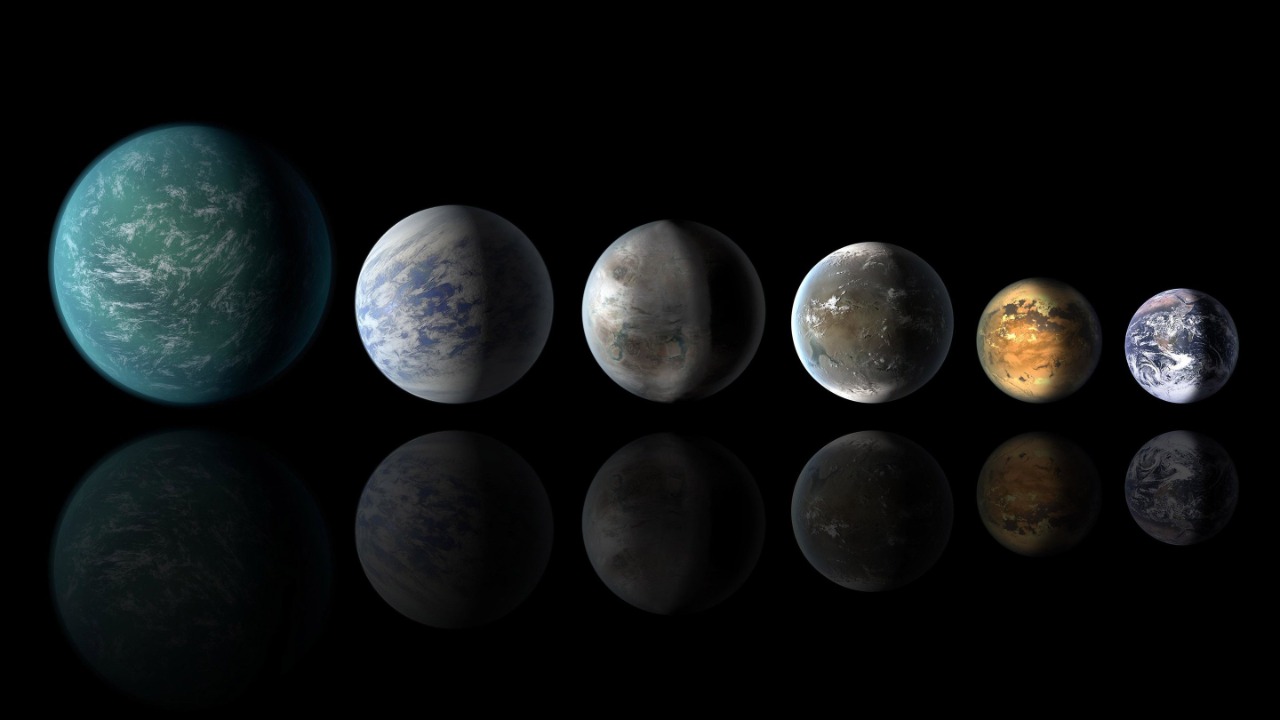
Exoplanets, or extrasolar planets, are celestial bodies orbiting stars beyond our solar system. They range in size from smaller than Earth to larger than Jupiter, with diverse environments and atmospheric conditions. The first confirmation of an exoplanet came in 1992, and since then, thousands have been discovered, each providing unique insights into cosmic phenomena.
The exploration of exoplanets has been a cornerstone of astronomical research for decades. The detection of exoplanets has improved over the years, thanks to advancements in technology and methodologies. As a result, scientists have been able to study exoplanets in greater detail, leading to discoveries like the one we’re discussing today.
The Discovery of Oxygen in an Exoplanet Atmosphere
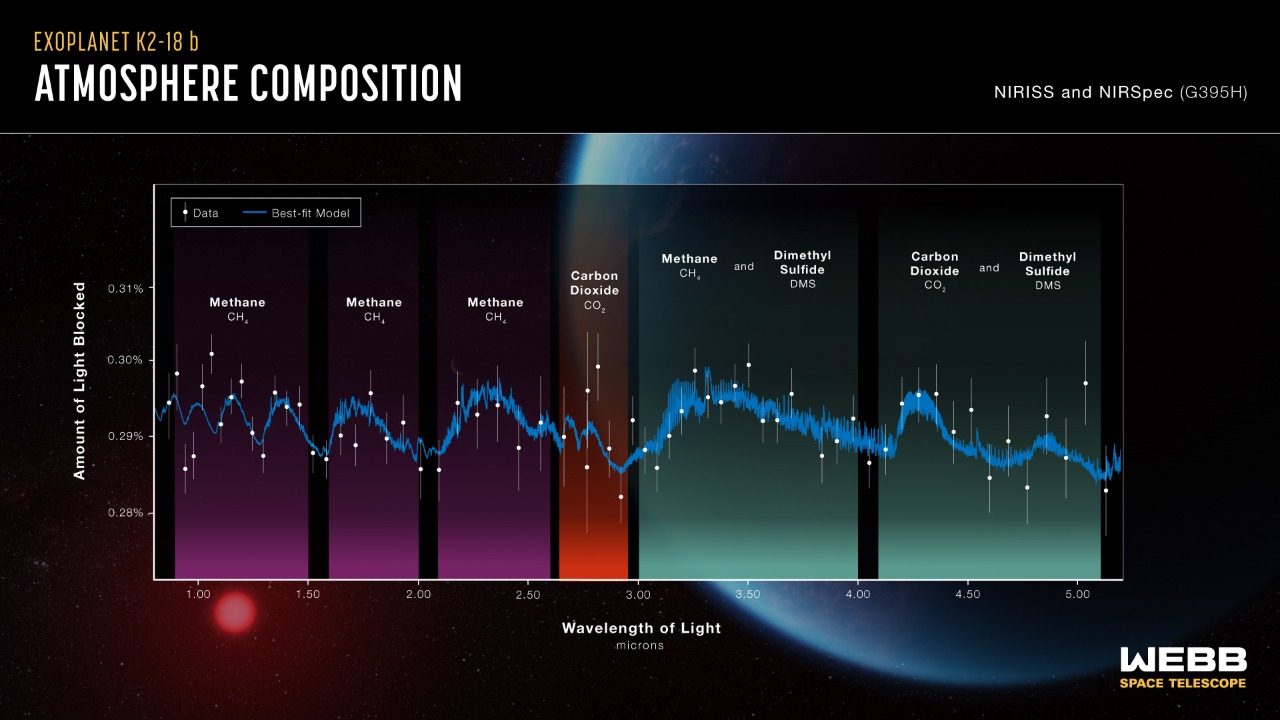
Recently, NASA reported the existence of oxygen in an exoplanet’s atmosphere, a discovery that has piqued the interest of scientists worldwide. The research was intricate and involved sophisticated methods to detect the presence of oxygen, one of the most significant being spectrometry, a method that analyzes the light spectrum to identify elements.
The James Webb Space Telescope played a crucial role in this discovery. Its highly sensitive instruments provided the necessary data to confirm the existence of oxygen. This breakthrough underscores the importance of advanced space telescopes in the pursuit of understanding our universe.
The Exoplanet TRAPPIST-1e: Home to Oxygen?
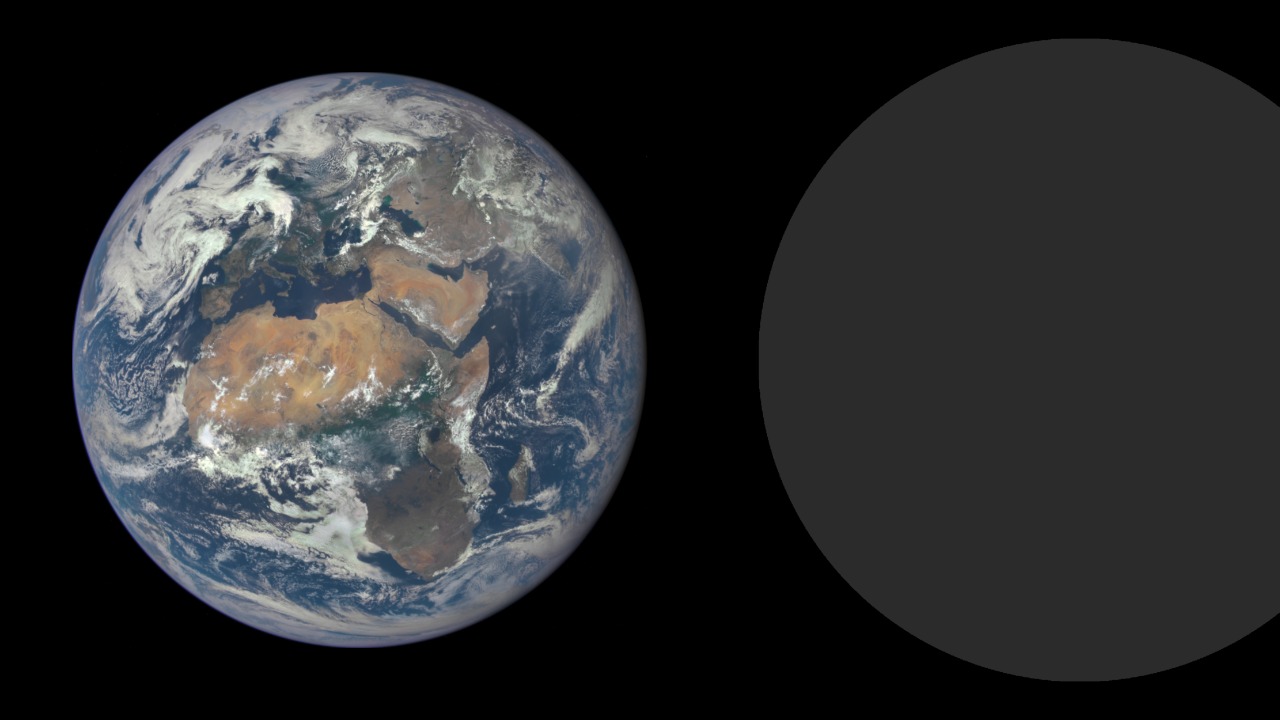
The exoplanet in question is TRAPPIST-1e, a rocky world located in the habitable zone of its star, meaning it has the potential to host liquid water on its surface. The planet is part of the TRAPPIST-1 system, which consists of seven Earth-sized exoplanets orbiting a cool, red dwarf star.
Upon examining the atmosphere of TRAPPIST-1e, researchers found evidence of oxygen. This is a significant milestone as oxygen is a key player in supporting life as we know it. However, it’s important to note that the presence of oxygen does not necessarily indicate the existence of life. The oxygen could be a result of non-biological processes, such as the breakdown of water molecules in the planet’s atmosphere.
Oxygen As a Bio-signature
A bio-signature is a substance or phenomenon that provides scientific evidence of past or present life. These signatures can be chemical, such as the presence of certain gases, or physical, such as the existence of fossils. Oxygen is considered a potential bio-signature because it is a product of photosynthesis, a process carried out by plants and some microbes on Earth.
However, oxygen can also be produced by non-biological processes, so its presence alone isn’t definitive proof of life. Nonetheless, the discovery of oxygen in an exoplanet’s atmosphere is a promising sign. It suggests that the conditions necessary for life as we know it could exist elsewhere in the universe.
Implications and Future of Exoplanet Research

The discovery of oxygen in an exoplanet’s atmosphere has significant implications for the search for extraterrestrial life. It adds to the growing body of evidence suggesting that the components necessary for life might be more common than we initially thought. These findings propel us one step closer to answering the age-old question: Are we alone in the universe?
Looking ahead, the future of exoplanet research appears promising. With upcoming missions and the continual development of advanced technologies, we can expect more groundbreaking discoveries. The James Webb Space Telescope will continue its mission, and projects like the Habitable Exoplanet Observatory (HabEx) and the Large UV/Optical/IR Surveyor (LUVOIR) are in the works. Our understanding of exoplanets and their potential for life is bound to grow.
For those interested in delving deeper into the science behind these discoveries, I recommend reading the original research papers and staying up-to-date with NASA’s latest announcements on the subject. The journey of exoplanet research is an exciting one, and we’re all privileged to be part of it.
