Recently, an exoplanet just a short 15 light-years from Earth was discovered, setting the scientific community abuzz. This newly found celestial body boasts a unique gravitational pull, a feature that has piqued the interest of researchers around the globe.
Understanding Exoplanets
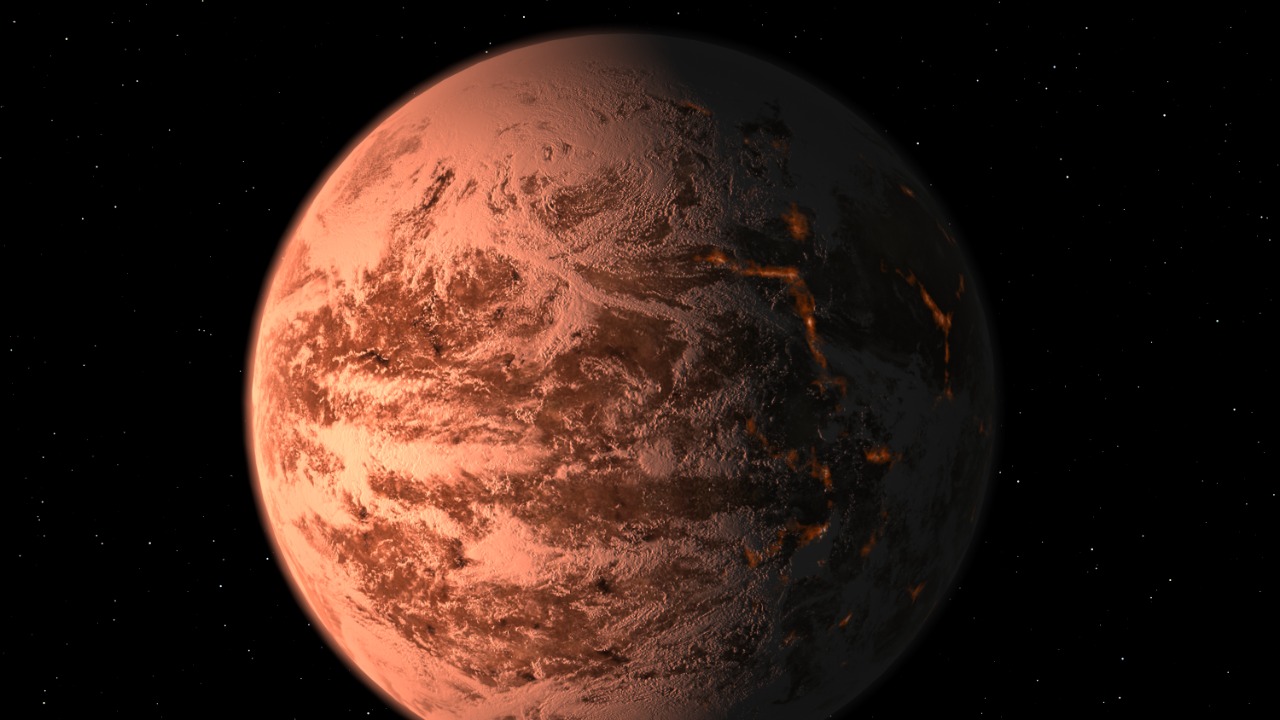
Exoplanets, or extrasolar planets, are planets that orbit stars outside our solar system. Unlike the planets in our solar system that orbit the Sun, exoplanets revolve around their own respective stars. The discovery and study of these distant worlds provide invaluable insights into the universe’s vast complexity.
Astronomers use various methods to detect and study exoplanets. One of the most common techniques is the transit method, where scientists observe a star’s brightness dip as an exoplanet passes in front of it. Another technique is the radial velocity method, which involves observing the slight wobble of a star caused by an orbiting planet’s gravitational tug.
The Discovery of the Exoplanet 15 Light-Years Away

The recently discovered exoplanet was found using a combination of both the transit and radial velocity methods. Astronomers also employed advanced instruments such as powerful telescopes and spectrometers to measure the star’s motion and light spectrum. These data helped to confirm the presence and characteristics of the exoplanet.
The exoplanet orbits a star that’s a part of a constellation visible to the naked eye from Earth. This star, located 15 light-years away, is smaller and cooler than our Sun, but it’s stable and has a long lifespan, making it an interesting object for exoplanet studies.
The Gravity of the Exoplanet
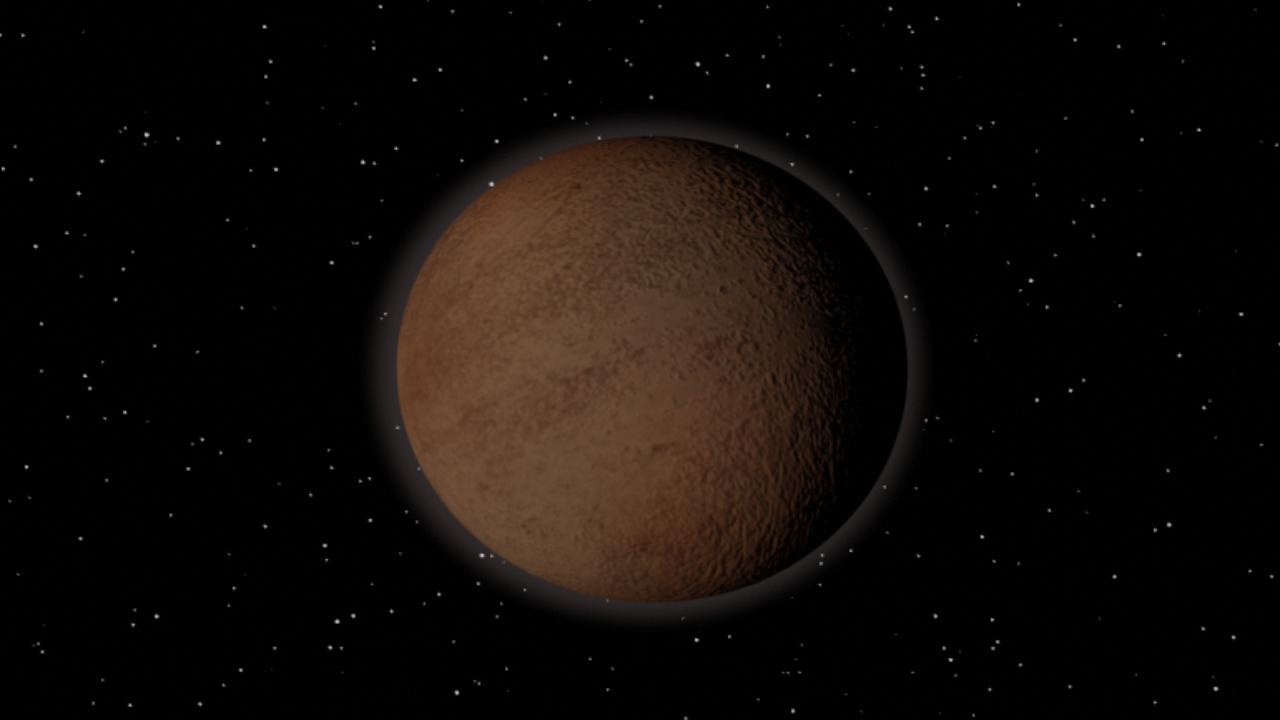
Gravity on an exoplanet is a fascinating subject. It’s determined by the planet’s mass and size, much like on Earth. However, the exoplanet’s gravity can vary greatly, depending on these factors. For instance, a massive exoplanet would have a stronger gravitational pull, while a smaller one would have a weaker gravity.
The gravity of this particular exoplanet is significant because it’s similar to Earth’s. Such a gravitational pull suggests the exoplanet could have a similar structure and composition to our own planet. This finding is crucial as it provides important clues about the exoplanet’s potential habitability.
Potential for Life
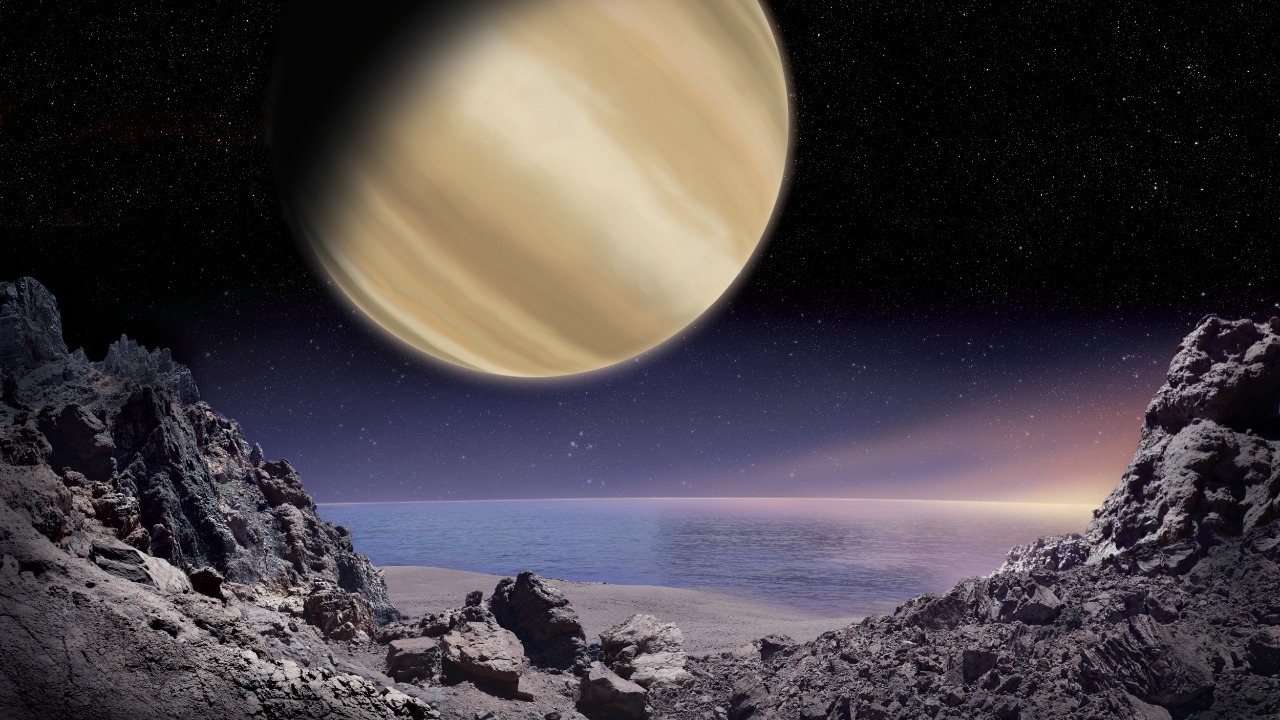
For life as we understand it to exist on an exoplanet, certain conditions must be met. These include a stable star, a suitable distance from the star for liquid water to exist, and an atmosphere capable of retaining heat and protecting the planet from cosmic rays.
Although it’s too early to say whether life exists on this newly discovered exoplanet, its Earth-like gravity and other known properties make it a tantalizing candidate. Further studies are needed to determine if the planet’s temperature allows for liquid water and if it possesses an atmosphere. This exciting possibility of finding life outside our solar system makes the exoplanet a focus of future research.
Future Exploration and Study

This discovery has significant implications for future exoplanet research and exploration. It opens up new avenues for understanding the universe’s diversity and the potential existence of life beyond Earth. Researchers will likely use this exoplanet as a reference point for studying other similar celestial bodies.
Technological advancements may even allow for future missions to this exoplanet. The development of gravity telescopes and other cutting-edge instruments could enable detailed exploration of this and other exoplanets. Such missions could potentially answer some of the most profound questions about our universe and our place within it.
