Astronomers have recently made an exciting discovery: an exoplanet, merely 12 light-years away from our own planet, is home to liquid water, a crucial ingredient for life as we know it.
Understanding Exoplanets

Exoplanets, also known as extrasolar planets, are planets found outside of our solar system, orbiting stars other than the Sun. The curiosity towards these celestial objects stems from their potential to answer one of humanity’s most profound questions: Are we alone in the universe? The discovery of exoplanets has revolutionized our understanding of the cosmos, presenting a new frontier in the quest to find life beyond Earth.
There are several ways astronomers find these distant worlds. Techniques such as radial velocity, transit method, and direct imaging have proven successful, each with their unique advantages and challenges. For those interested in delving deeper into the realm of exoplanets and their detection, this resource provides an in-depth look at the science behind these methods.
Characteristics of the Water-Bearing Exoplanet

Our focus today is on a particular exoplanet, named K2-18b. Situated only 12 light-years away, it’s practically in our cosmic backyard. What makes K2-18b particularly intriguing is the discovery of liquid water in its atmosphere, a possible indicator of the planet’s habitability.
Research into the climate and atmospheric conditions of K2-18b is ongoing. However, initial findings suggest a dynamic environment, where water vapor cycles could potentially exist. While this doesn’t guarantee life, it does make the exoplanet a compelling target for further study.
The Significance of Liquid Water
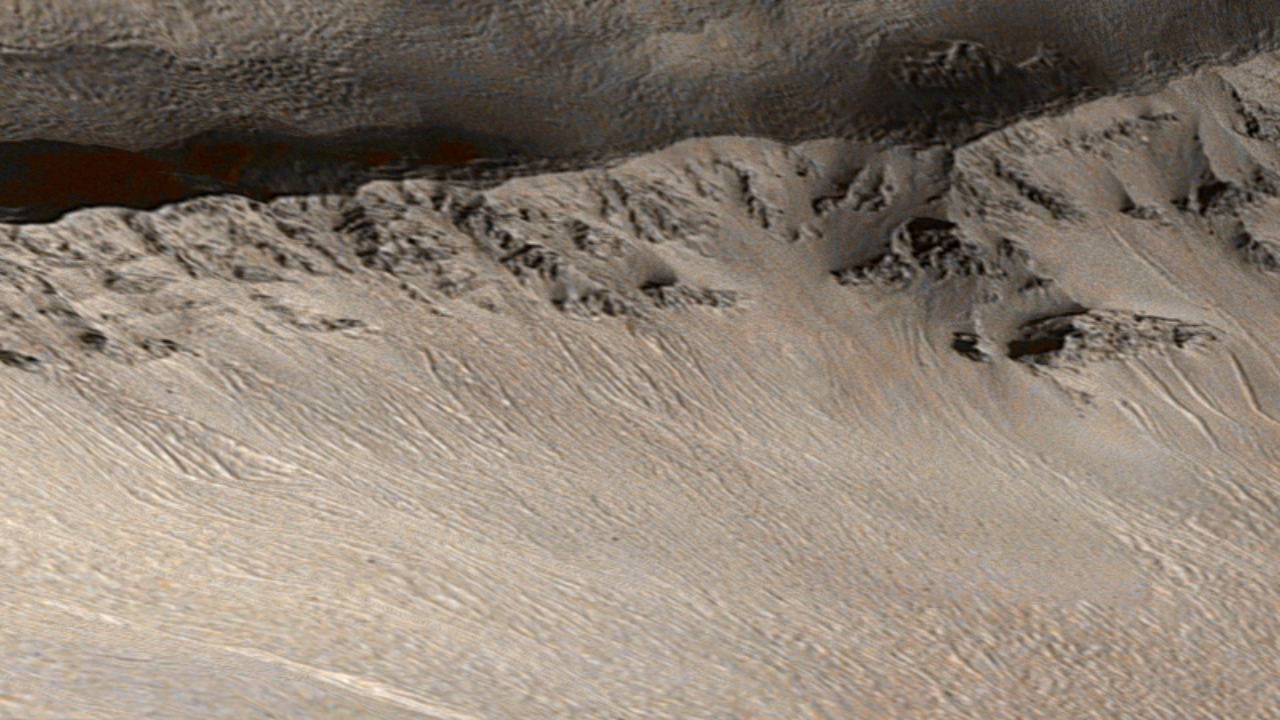
Water is fundamental to life as we know it. It’s involved in almost every biological process, from metabolism to cell structure. Therefore, the discovery of water on an exoplanet is a significant step towards finding potential habitats for life beyond Earth.
The presence of water on other celestial bodies is not a new concept. For example, Mars, our next-door neighbor, is known to have ice caps, and Europa, one of Jupiter’s moons, is believed to harbor a subsurface ocean. However, the detection of water vapor in the atmosphere of an exoplanet, especially one as close as K2-18b, is a game-changer. This article sheds light on some of the most intriguing exoplanet discoveries, emphasizing the growing significance of water in our search for extraterrestrial life.
The Search for Extraterrestrial Life

The search for life beyond Earth is a central goal of modern astronomy. Every discovery of a potentially habitable exoplanet, like K2-18b, contributes to this quest. It opens up new avenues of research, sparking interest and debate within the scientific community.
With advancements in technology, our ability to study these distant worlds is continually improving, raising hopes for finding signs of life. The potential for future explorations and studies on K2-18b is immense, offering a chance to gain valuable insights into extraterrestrial environments and possibly, life itself.
Implications for Future Space Exploration
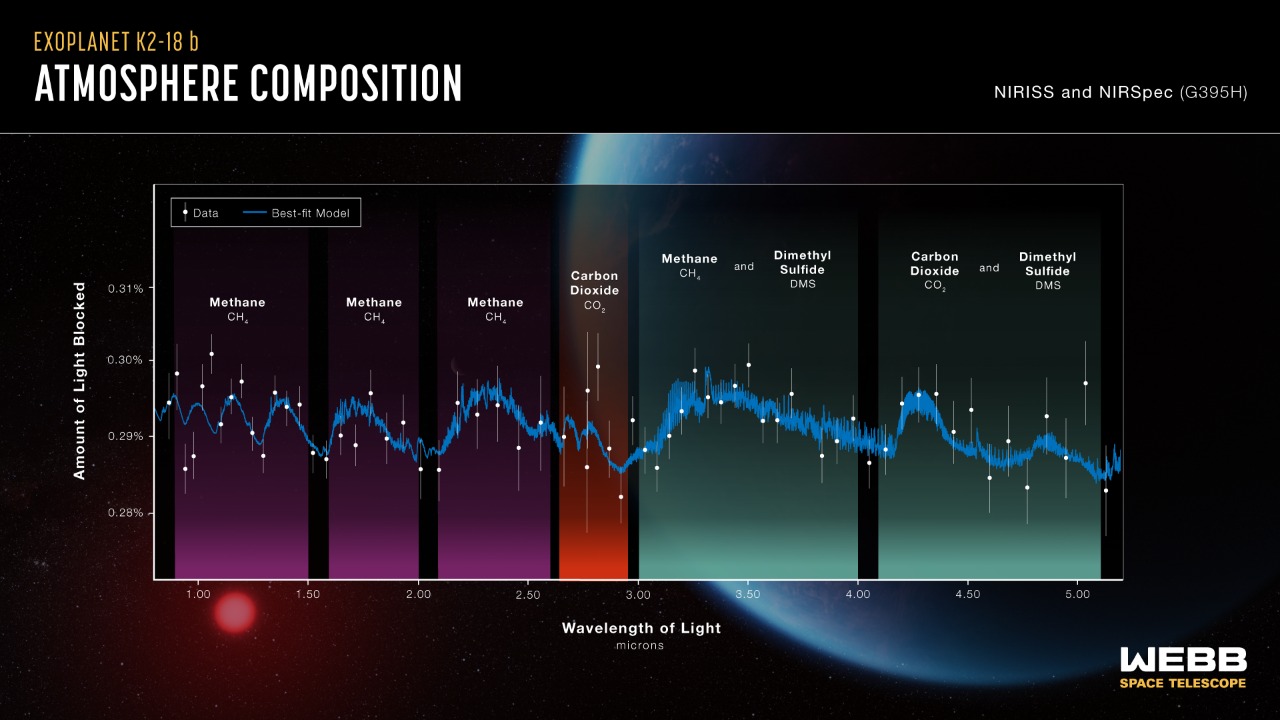
The discovery of water on K2-18b holds significant implications for future space exploration. It adds another destination to the list of places we may want to visit or even colonize in the distant future. This paper explores the probability of colonization on exoplanets, providing thoughtful considerations on the matter.
Of course, the journey to an exoplanet, even one as relatively close as K2-18b, presents significant challenges. The vast distances involved and the harsh conditions of space require innovative solutions and advanced technologies. However, the opportunities for scientific discovery and the potential to answer some of our most profound questions make the endeavor worthwhile.
The discovery of water on K2-18b has captured public interest, reminding us once again of the vast, unexplored universe that lies beyond our planet. It’s a testament to human curiosity and our relentless quest for knowledge, fueling our collective imagination and inspiring future generations of explorers.
