Physical activity is well-known for its role in muscle building and weight management. Now, new research is shining a light on an additional benefit of exercise—it significantly fortifies the body’s defense against cancer. This startling revelation underscores the need to make regular physical activity a priority.
The Connection Between Exercise and Chronic Inflammation

Chronic inflammation is a pervasive health issue linked to the development of various cancers. Fortunately, physical activity can play a significant role in mitigating this condition. A study from Harvard has revealed that exercise reduces inflammation by releasing anti-inflammatory myokines, proteins that are produced by muscle cells and have beneficial endocrinological effects.
Not all exercises are created equal when it comes to reducing inflammation. Aerobic exercises like cycling, swimming, and brisk walking are particularly effective since they increase heart rate and improve cardiovascular health. Resistance training is also beneficial as it aids in muscle building, contributing to the production of anti-inflammatory myokines.
Exercise and the Immune System: A Powerful Alliance

Exercise doesn’t just reduce inflammation—it also strengthens the immune system. Regular physical activity enhances the body’s immune response, making it more proficient at detecting and eliminating cancer cells. The Cleveland Clinic explains that moderate-intensity exercise can improve the production and activity of white blood cells, which play a crucial role in immune surveillance.
Immune surveillance is the process by which the immune system monitors the body for signs of disease, including the presence of cancer cells. Regular physical activity can boost this protective function, making the immune system more vigilant and responsive to potential threats. This heightened state of readiness can significantly contribute to cancer prevention.
Creatine: An Unexpected Ally in Cancer Prevention

Supplementing with creatine, a compound often linked to exercise, could also offer cancer-fighting benefits. A BBC Future article details recent studies that suggest creatine may help prevent and treat several types of cancer by boosting cellular energy production and promoting healthy cellular function.
While creatine is primarily known for its role in enhancing athletic performance, its potential role in cancer prevention and treatment is promising. Still, it is essential to approach creatine supplementation with caution. As with any supplement, it’s crucial to consult a healthcare provider before starting a creatine regimen to ensure it’s safe and suitable for your health needs.
The Immediate Impact of Exercise on Cancer Cell Growth
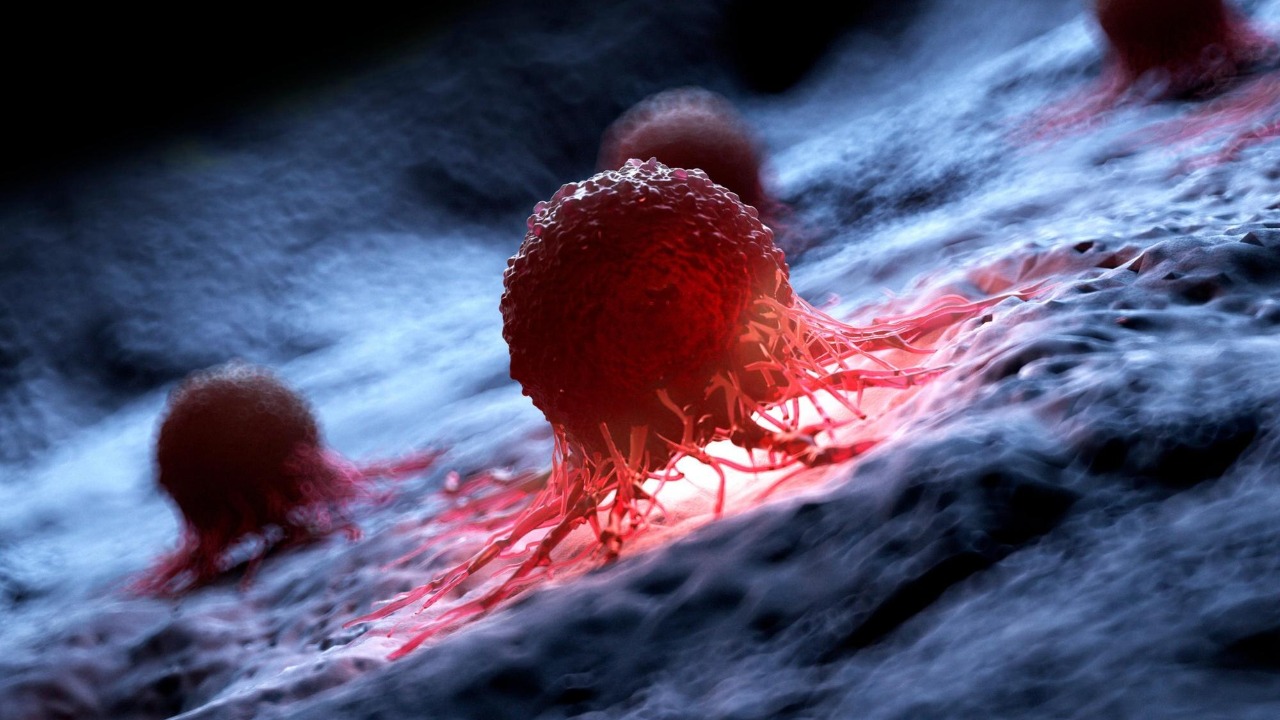
Remarkably, the benefits of exercise aren’t just long-term—they can also be immediate. A recent study found that a single workout can cut cancer cell growth by as much as 30%. This is an astounding testament to the power of physical activity in combatting cancer and underscores the importance of regular exercise in maintaining overall health.
The implications of these findings are far-reaching. Not only do they highlight the profound impact of physical activity on health, but they also suggest that exercise recommendations for cancer prevention may need to be adjusted to maximize this benefit. The importance of integrating regular physical activity into daily routines can’t be overstated.
Real Stories: Exercise as a Tool in the Fight Against Cancer

There are countless stories of individuals who have used exercise as a crucial tool in their fight against cancer. These stories, such as the one shared by a Facebook user, attest to the power of physical activity in not only improving physical health but also boosting emotional well-being during a challenging time.
Exercise can provide a sense of control and empowerment in the face of a cancer diagnosis. The psychological and emotional benefits of exercise—such as reduced stress, improved mood, and increased confidence—complement the physical benefits, creating a comprehensive wellness strategy. This combination of physical and mental fortitude can make a significant difference in the cancer prevention and treatment process.
