
Recent scientific discoveries suggest the existence of a submerged continent beneath the Indian Ocean. This lost landmass, believed to be a fragment of the ancient supercontinent Gondwana, has intrigued geologists and sparked new interest in the mysteries lying beneath our oceans. Researchers are now piecing together evidence that reveals the complex history of this sunken land.
The Discovery of a Sunken World
Scientists first began to suspect the presence of a submerged continent when they encountered unusual geological formations on the island of Mauritius. This island, known for its striking landscapes and diverse ecosystems, held secrets in its geological structure that puzzled experts. The initial clue came from the discovery of ancient zircon crystals, which are tiny yet resilient minerals often used in geological dating. These crystals, found on Mauritius, were dated to be around three billion years old, significantly older than the island itself, which is estimated to be about nine million years old.
Further studies aimed at understanding this anomaly revealed that these ancient crystals were remnants of a much older landmass. The only logical explanation for the presence of such ancient material on a relatively young volcanic island was that it had originated from a submerged continental fragment. This led scientists to hypothesize the existence of Mauritia, a long-lost continent that once formed part of Gondwana. Advanced scientific techniques, including seismic imaging and geological sampling, played crucial roles in uncovering the details of this hidden landmass.
Understanding the Origins of the Lost Continent
The story of Mauritia begins over 200 million years ago, during the era of the supercontinent Gondwana. This massive landmass, which included what are now Africa, South America, Antarctica, Australia, and the Indian subcontinent, began to break apart due to tectonic activity. As the tectonic plates shifted, fragments of Gondwana were left behind, and one such fragment is believed to be Mauritia. This lost landmass was gradually submerged beneath the Indian Ocean as the plates continued their inexorable drift.
Mauritia’s history mirrors that of Zealandia, another submerged continent located beneath the Pacific Ocean. Zealandia’s recognition as a continent has shed light on the dynamic processes of continental drift, tectonic activity, and the ever-changing configuration of Earth’s surface. The study of Mauritia provides similar insights, offering a unique opportunity to understand the forces that have shaped our planet’s geological past.
The Significance of Mauritia’s Discovery
The discovery of Mauritia has profound implications for the field of geology. It challenges the traditional understanding of continental formation and the geological history of Earth. By studying this submerged continent, scientists gain a better understanding of the processes that have shaped Earth’s surface over millions of years. The existence of Mauritia invites a reevaluation of the criteria used to classify landmasses and underscores the complexities of Earth’s geological narrative.
Beyond its geological significance, Mauritia also offers valuable insights into past biodiversity and evolutionary patterns on Earth. As scientists continue to explore this hidden continent, they hope to uncover clues about how ancient ecosystems evolved and adapted to changing environments. Such discoveries could provide important context for understanding how life on Earth has responded to past climate changes, offering valuable lessons for addressing current and future environmental challenges.
The discovery of Mauritia opens new avenues for research, encouraging scientists to consider the possibility of other lost continents beneath our oceans. This tantalizing prospect has spurred interest in further exploration of the ocean floor, where other submerged landmasses may lie hidden, waiting to be discovered. The study of Mauritia and similar regions promises to enhance our understanding of Earth’s history and the complex interplay of geological forces that have shaped our planet.
Challenges and Controversies in Continental Research
The discovery of submerged landmasses like Mauritia has sparked debate within the scientific community. Some experts remain skeptical about classifying these regions as true continents, arguing that they do not meet the traditional criteria for continental status. This ongoing debate highlights the need for a nuanced understanding of geological classification and the importance of continued research to refine our definitions.
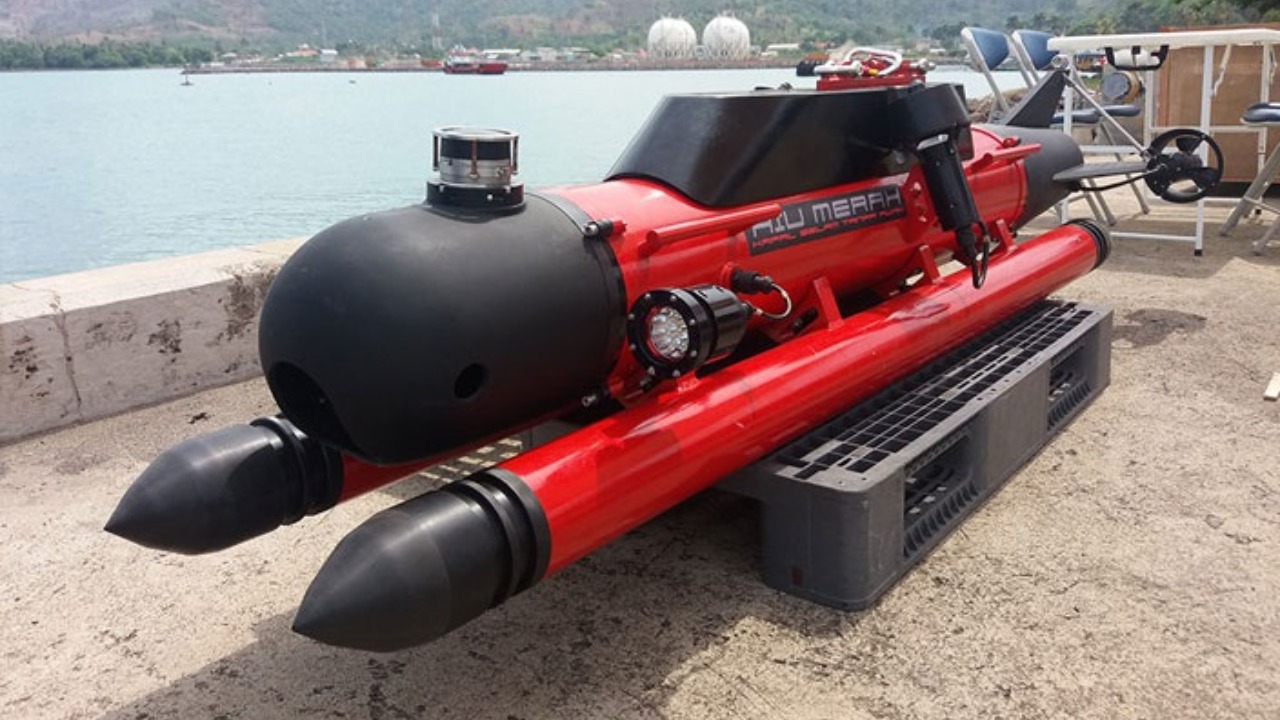
Technological limitations also pose significant challenges in the exploration of submerged continents. While advances in seismic imaging and geological sampling have enabled the initial discovery of Mauritia, the vast and largely unexplored ocean floor presents numerous obstacles. Underwater exploration is a complex and costly endeavor, requiring sophisticated technology and considerable resources. Despite these challenges, the potential rewards of uncovering Earth’s hidden past continue to drive scientific inquiry.
Discussions around the discovery of submerged continents also touch on environmental and economic implications. As our understanding of these regions grows, questions arise about their potential impact on global environmental policies and economic interests. For instance, the possibility of untapped resources beneath these submerged landmasses could spark interest in resource exploration, raising ethical and environmental concerns. These discussions underscore the importance of balancing scientific curiosity with responsible stewardship of our planet’s natural resources.
The discovery of Mauritia, a vanished continent under the Indian Ocean, marks a significant milestone in our understanding of Earth’s geological history. As scientists continue to unravel the mysteries of this sunken landmass, they are not only expanding our knowledge of the past but also opening new frontiers for future exploration and discovery.
