
SpaceX has been at the forefront of revolutionizing space travel, and its Raptor engines have played a pivotal role. With the introduction of the Raptor 3 engine, SpaceX aims to further push the boundaries of rocket performance and reliability. This article delves into the latest advancements and features of the Raptor 3 engine.
Raptor 3: An Evolution in Rocket Propulsion
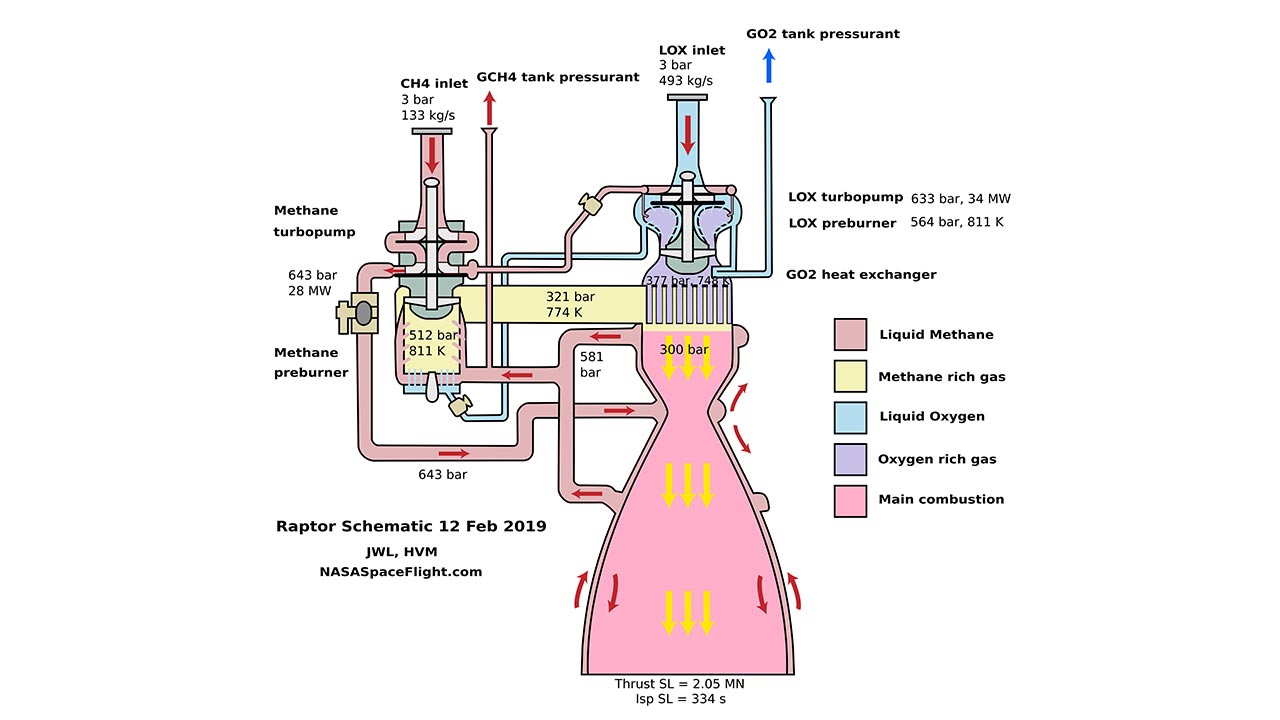
The development of the Raptor engine series marks a significant leap in rocket propulsion technology. From the initial Raptor 1, which laid the groundwork for methane-fueled engines, to the more advanced Raptor 3, each iteration has brought about substantial improvements. The transition from Raptor 1 to Raptor 3 represents a journey of continuous innovation, with each version refining thrust capability, efficiency, and reliability.
Key design improvements in the Raptor 3 include enhanced thrust and efficiency, setting a new benchmark for rocket engines. This iteration boasts innovations in materials and manufacturing processes, allowing for more robust and lightweight engine components. These advancements not only improve performance but also reduce production costs and time, bringing SpaceX closer to achieving its ambitious space exploration goals.
Technical Specifications and Capabilities
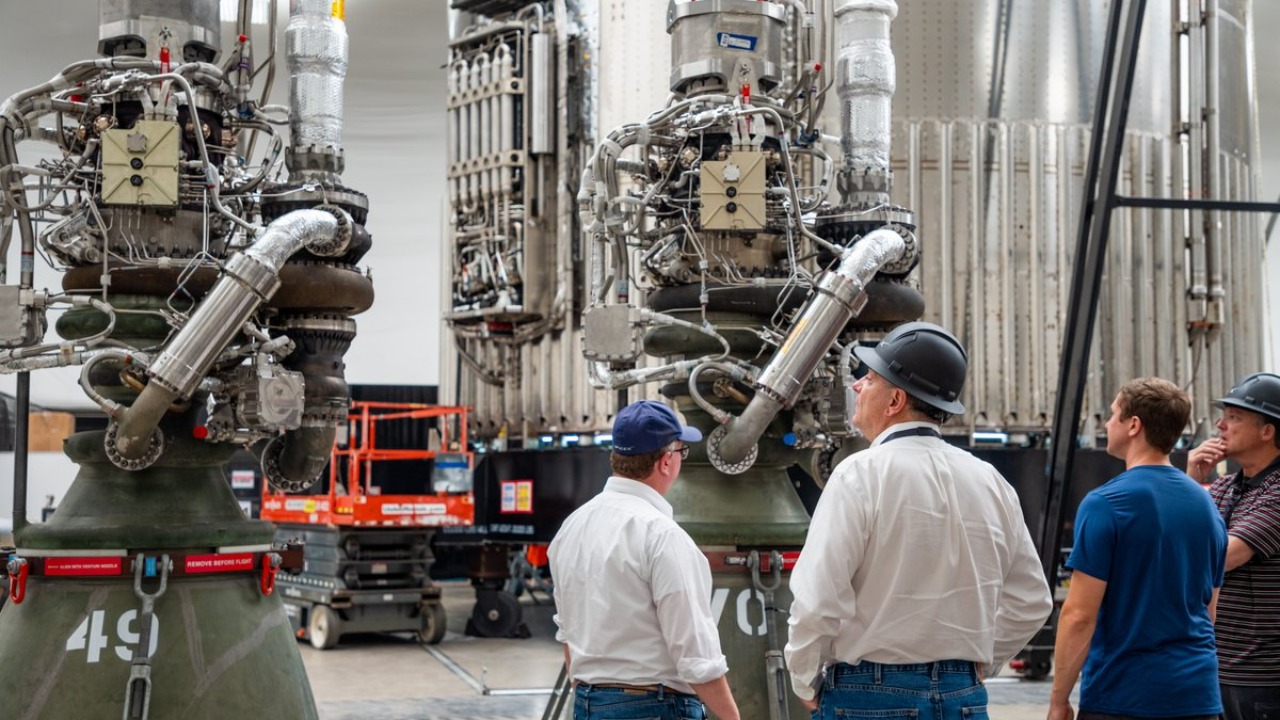
In terms of thrust and efficiency, the Raptor 3 engine significantly outperforms its predecessors. While the exact thrust levels are proprietary, what is known is that the improvements enable longer and more complex missions. The engine’s fuel efficiency has also seen notable enhancements, which is critical for reducing the overall cost of space travel and increasing the feasibility of long-duration missions.
Durability and reliability are at the forefront of the Raptor 3’s design. The engine incorporates changes that extend its lifespan and decrease the need for frequent maintenance. Rigorous testing protocols have showcased its improved reliability, ensuring that it can withstand the harsh conditions of space travel. These enhancements make the Raptor 3 a cornerstone in SpaceX’s mission to create a sustainable and reusable spaceflight model.
Impact on SpaceX’s Starship Program
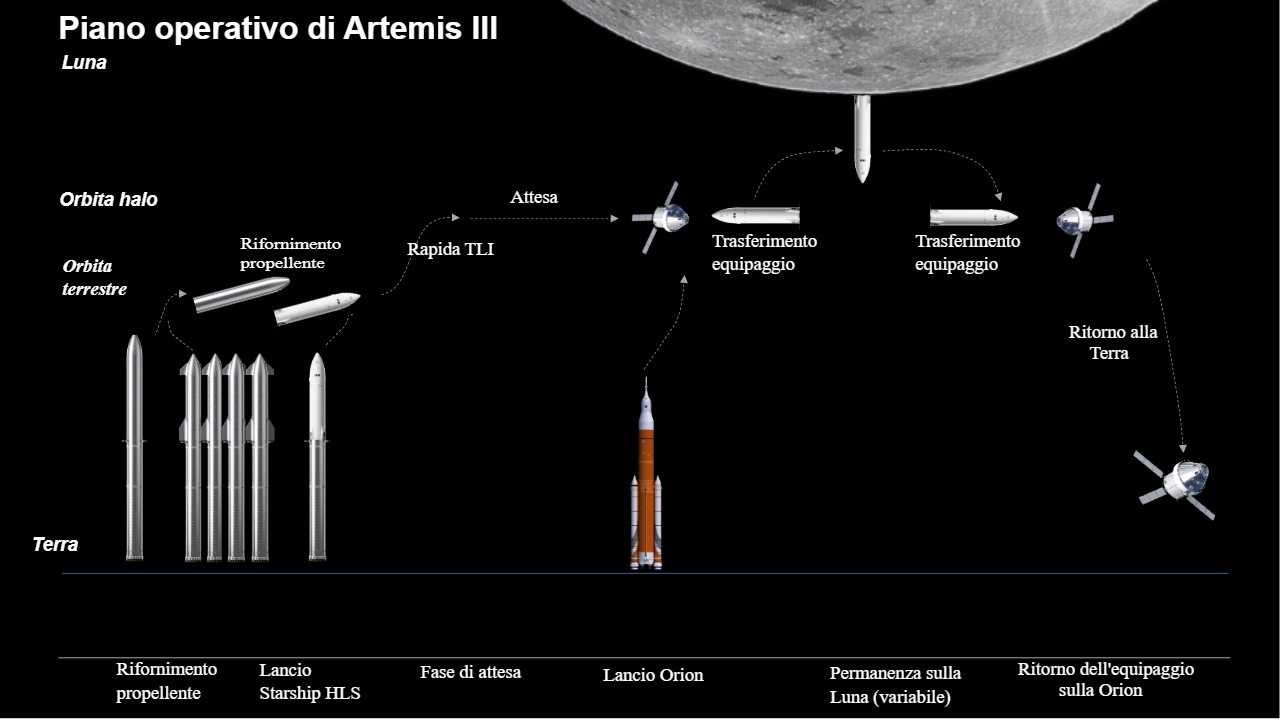
The Raptor 3 plays a crucial role in the ambitious goals of SpaceX’s Starship program. Its integration into the Starship architecture allows for more versatile and extended missions, supporting objectives such as lunar landings and potential Mars expeditions. The engine’s capabilities align with SpaceX’s vision of making space travel more accessible and routine.
Throughout its development, the Raptor 3 faced numerous technical challenges, including issues related to thermal management and combustion stability. However, innovations in cooling systems and fuel flow dynamics have provided effective solutions, ensuring that the engine meets the high standards required for human and cargo spaceflight. These advancements underscore SpaceX’s commitment to overcoming obstacles in its pursuit of space exploration leadership.
Environmental Considerations and Sustainability
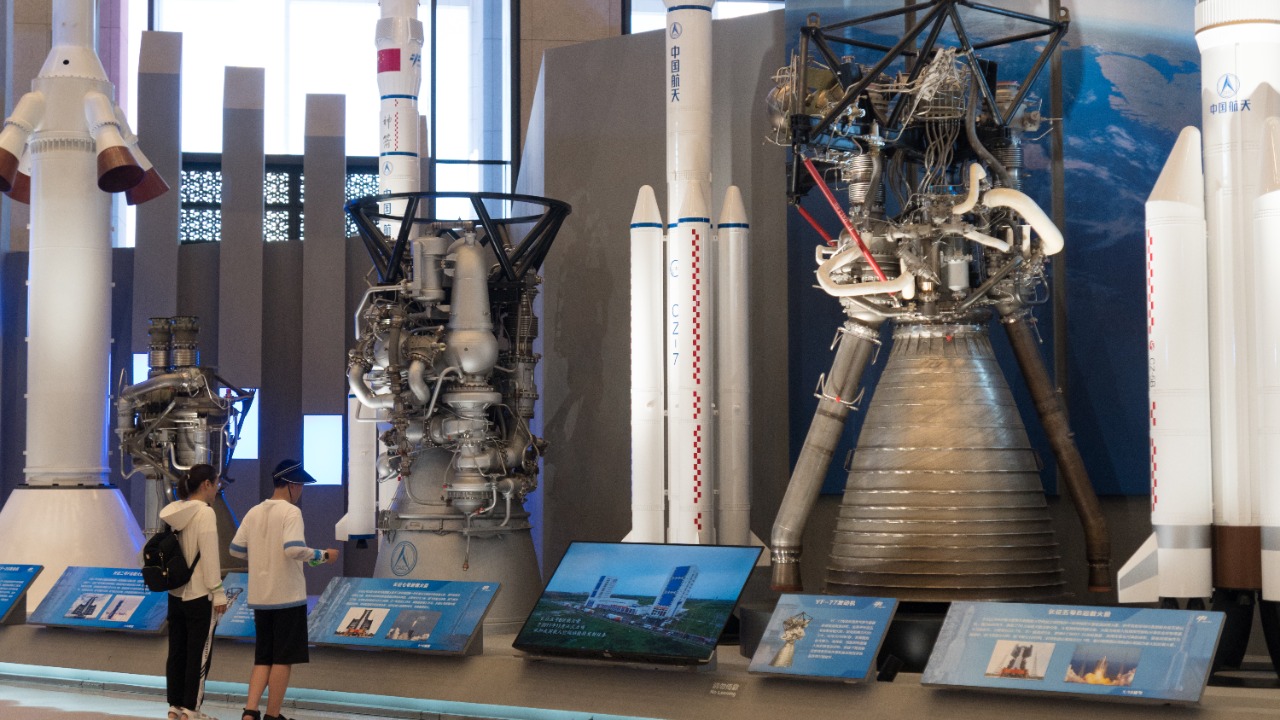
SpaceX has made concerted efforts to address environmental concerns associated with rocket engines. The Raptor 3 incorporates green innovations that minimize its environmental footprint. Utilizing methane as a fuel source, the engine reduces carbon emissions compared to traditional rocket fuels and supports the use of sustainable, reusable technologies.
When compared to other rocket engines, the Raptor 3 stands out for its relatively low environmental impact. This aligns with broader industry trends toward eco-friendly engineering practices. As space agencies and companies worldwide strive for sustainability, the Raptor 3 sets a precedent for future developments in environmentally responsible rocket technology.
Future Prospects and Industry Impact
The introduction of the Raptor 3 engine has wide-ranging implications for the private spaceflight sector. Its advanced capabilities are likely to spur new collaborations and partnerships, as other entities seek to leverage SpaceX’s technological prowess. The engine’s impact is expected to be felt across the industry, influencing how future rockets are designed and manufactured.
In the long term, the Raptor 3 is pivotal to SpaceX’s vision for space exploration. Its advancements facilitate interplanetary missions and set the stage for human settlement on Mars. As SpaceX continues to push the boundaries of what’s possible, the Raptor 3 will undoubtedly play a key role in realizing the dream of becoming a multiplanetary species.
