
The landscape of electric vehicle (EV) tax credits is evolving yet again, as new legislative changes are set to impact eligibility and benefits. As governments continue to incentivize the shift toward greener transportation, understanding these changes is crucial for both consumers and manufacturers. Delving into the latest modifications reveals significant implications for the EV market.
The Current State of EV Tax Credits

Electric vehicle tax credits have been a pivotal component of the federal strategy to boost adoption of cleaner transportation. Historically, these credits aimed to make EVs more accessible by reducing the overall purchase cost. The existing federal tax credit structure allows consumers to claim up to $7,500, but this benefit is contingent on the manufacturer’s sales volume. Once a manufacturer sells 200,000 qualifying vehicles, the credit begins to phase out, significantly impacting companies like Tesla and General Motors that reached this threshold early on.
Despite these incentives, limitations exist that have affected consumer behavior and sales trends. For instance, the credit is non-refundable, meaning it can only be used to offset tax liability, leaving out those with lower taxable income who might benefit most from such savings. These dynamics have led to an uneven playing field, where newer entrants in the EV market can offer full credits, giving them a competitive edge over established players who have exhausted their allowances.
Upcoming Legislative Changes

Amid growing bipartisan efforts and political dynamics, new legislation is poised to reform EV tax credits. A significant change under consideration is the removal of the sales cap, which would allow all manufacturers to offer credits regardless of their sales volume. This move, supported by both parties, aims to level the playing field and encourage a broader range of consumer options. The legislative push reflects a commitment to accelerating the transition to sustainable transportation.
The timeline for implementing these changes is crucial. According to a report from NPR, discussions are underway to finalize the new rules by the end of the year, with the expectation that they will take effect in the next fiscal cycle. As policymakers navigate the complexities of these reforms, the anticipated adjustments could redefine the federal approach to incentivizing electric vehicle adoption.
Implications for Consumers

The upcoming changes in EV tax credits are likely to have a profound impact on consumer purchasing decisions. For many potential buyers, the availability and size of the credit can be a determining factor in their decision to switch to an electric vehicle. Should the proposed legislation pass, consumers could benefit from a broader selection of affordable EVs with enhanced credits, potentially lowering the barrier to entry for many households.
However, there are also potential financial drawbacks to consider. The proposed removal of the sales cap might lead to increased demand, which could inflate prices as manufacturers adjust their strategies. To navigate these changes, consumers should stay informed about the evolving rules and consider timing their purchases to maximize benefits. Resources like Edmunds offer comprehensive guides on how to effectively leverage tax credits.
Effects on the EV Market and Industry

The anticipated changes in tax credit rules are expected to have a significant impact on EV manufacturers. Companies that had previously exhausted their credits may find renewed opportunities to attract consumers with competitive pricing strategies. This could lead to increased production as automakers strive to meet the anticipated surge in demand. Additionally, the removal of the sales cap could encourage more innovation and competition within the industry.
As the competitive landscape shifts, the impact on automakers could be substantial. Companies that have focused on expanding their EV offerings may find themselves better positioned to capitalize on the new rules. According to USA Today, the industry could see a wave of new entrants, further diversifying the market. In the long term, these changes could lead to a more robust and dynamic EV industry, with potential shifts in market leadership and consumer preferences.
Environmental and Economic Considerations
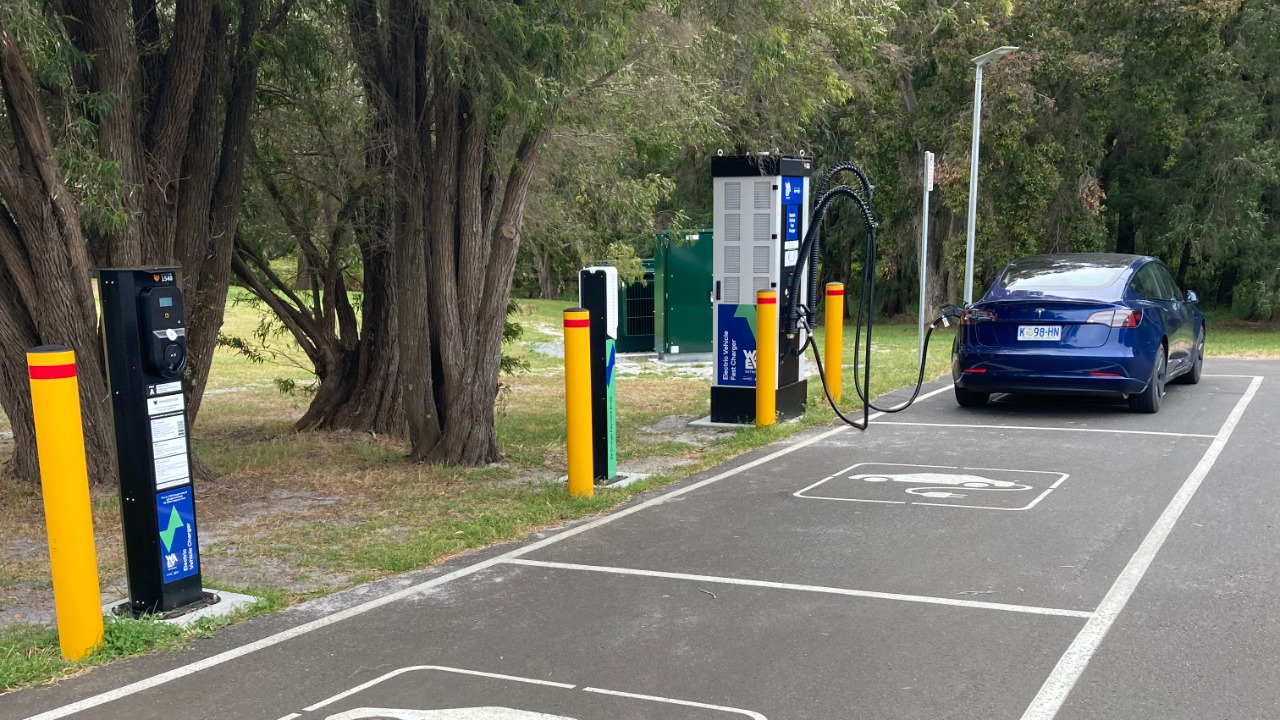
Tax credits have been a vital tool in promoting sustainable transportation and reducing emissions. The potential expansion of these credits could accelerate the adoption of EVs, contributing to environmental goals by lowering the carbon footprint of the transportation sector. As governments aim to meet international climate commitments, these credits serve as a crucial mechanism for driving progress.
Economically, the implications are multifaceted. On one hand, the increased adoption of EVs could stimulate growth in the automotive sector, creating jobs and fostering innovation. On the other hand, there is a need to balance environmental goals with fiscal responsibility. As noted by Marketplace, policymakers must consider the budgetary impact of expanded credits and ensure that the incentives align with broader economic objectives. This delicate balance will be key to the successful implementation of the new tax credit rules.
