Electric Vehicle (EV) chargers are becoming more sophisticated, with advancements now allowing them to collect data on users’ home locations. This development raises questions about privacy, data security, and the benefits of such technology. Understanding the implications of home location data collection by EV chargers is crucial for both consumers and the industry.
The Evolution of EV Chargers
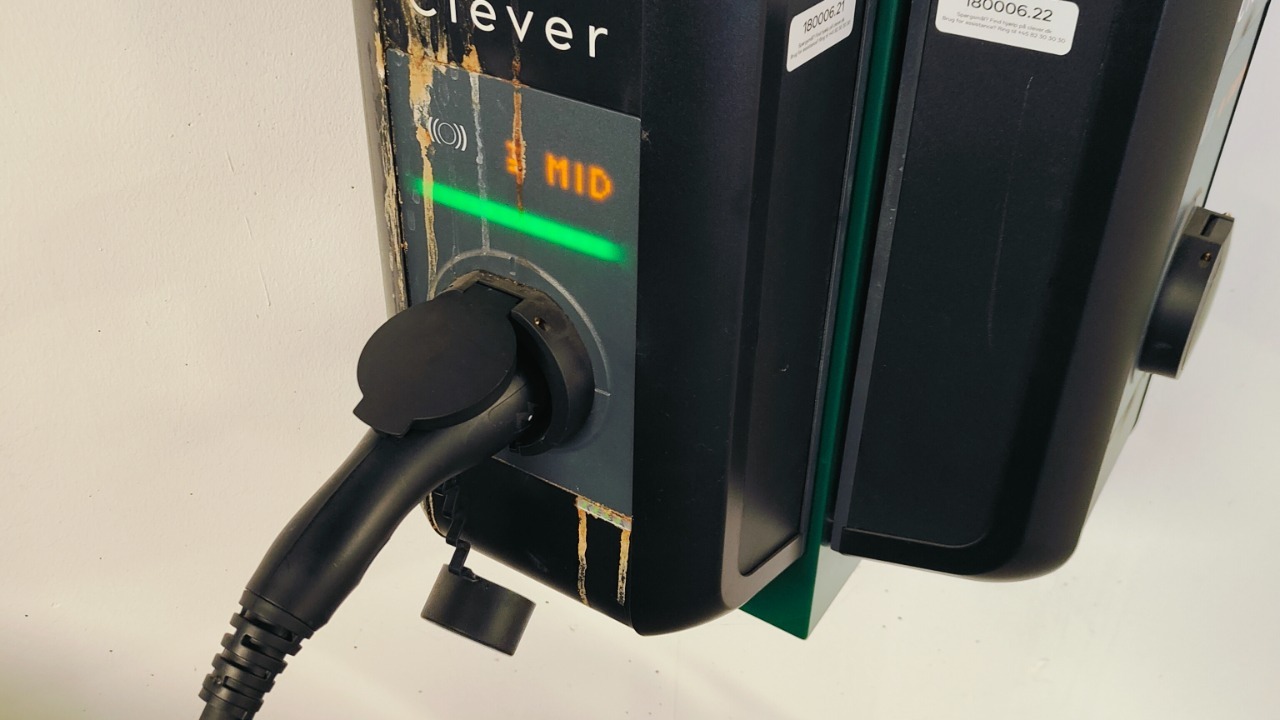
Initially, EV chargers served a simple purpose: to recharge electric vehicles efficiently and safely. The early designs were straightforward, focusing on basic functionalities like delivering power to the vehicle without delving into complex data analytics. As the popularity of electric vehicles surged, so did the demand for more advanced charging solutions. This led to the integration of smart technology, where EV chargers evolved from mere power sources to sophisticated devices capable of communicating with both the vehicle and the user’s home network.
Today, EV chargers are often integrated with smart home technology, allowing for seamless connectivity with home networks and a variety of smart devices. This integration offers numerous benefits, including optimized energy management and enhanced convenience for users. For instance, chargers can now schedule charging sessions during off-peak hours, thus reducing energy costs. The synchronization with smart home systems also enables users to monitor and control the charging process remotely, enhancing the overall user experience.
As the technology advanced, so did the data capabilities of EV chargers. Modern chargers can collect an array of data points, including usage patterns, charging times, and now, home locations. This data is invaluable for companies aiming to improve their services and tailor offerings to individual users. However, it also introduces new considerations regarding data privacy and security, as the collection and potential sharing of such sensitive information could lead to misuse if not properly safeguarded.
Privacy Concerns and Data Security
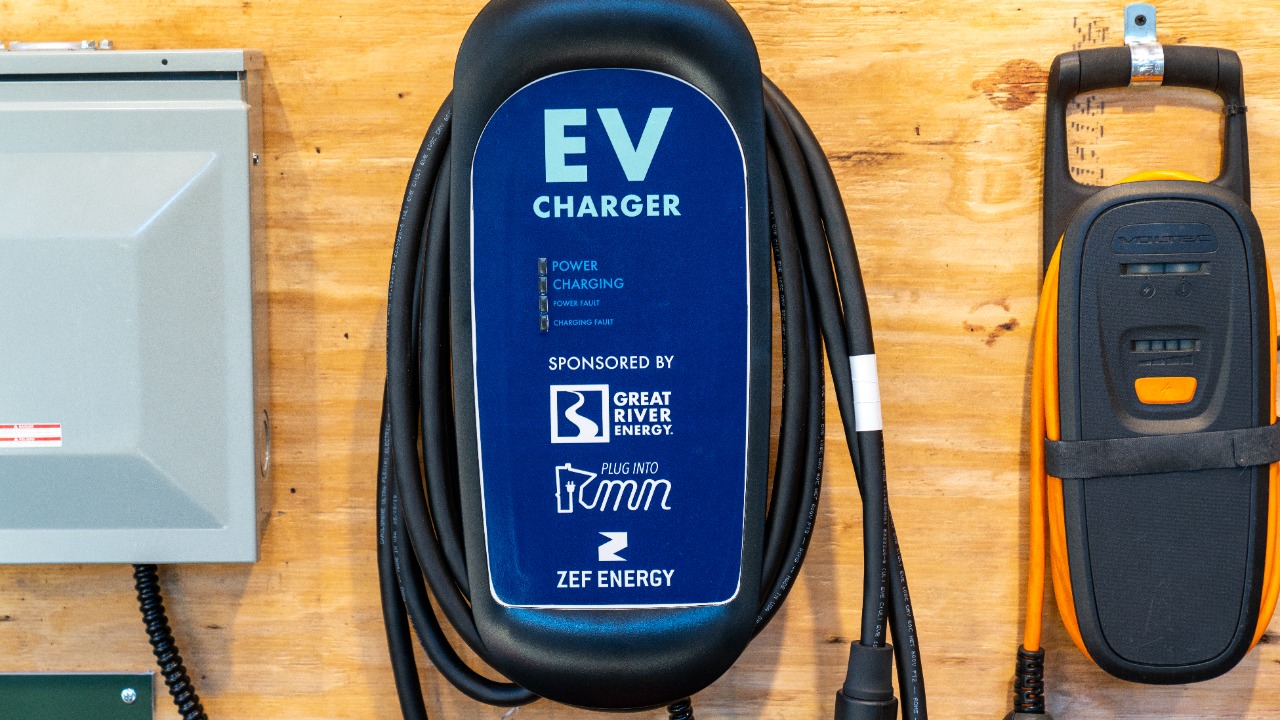
Collecting home location data poses significant privacy risks. The potential for misuse of this data is a primary concern, as it could lead to unauthorized access or tracking of users’ whereabouts. Consumers are justifiably worried about who might have access to their location information and how it could be used beyond the intended purposes. Incidents of data breaches in other sectors underscore the need for robust security measures to protect this sensitive information.
Legal and regulatory frameworks governing data collection by EV chargers are still evolving. Existing laws offer some protection, but there are noticeable gaps that need addressing. As the technology progresses, there is a pressing need for updated policies that specifically address the nuances of location data collection and consumer privacy. This is where consumer advocacy groups play a crucial role, pushing for stricter regulations and holding companies accountable for data protection standards.
In response to these concerns, many EV charger companies are implementing measures to ensure data security. They are adopting advanced encryption technologies and conducting regular security audits to protect user data. Some companies are even setting industry standards by adopting best practices in data protection, which include transparent data usage policies and giving users control over their data-sharing preferences.
Benefits of Location Data for EV Owners

Despite privacy concerns, the collection of location data offers several benefits for EV owners. For one, it enhances the user experience by making charging more efficient and user-friendly. Location data enables chargers to suggest optimal charging times and locations, reducing wait times and ensuring the vehicle is ready when needed. Personalized features, such as reminders and alerts based on the user’s location, further add convenience to the charging process.
Moreover, location data plays a critical role in grid management and energy efficiency. By understanding where and when EVs are being charged, utilities can optimize grid operations, effectively manage energy demand, and support the integration of renewable energy sources. This not only benefits the grid but also contributes to a more sustainable energy ecosystem.
From a financial perspective, sharing location data can lead to potential cost savings and incentives. Many utility companies offer rebates and incentives for smart charging practices, which can be enhanced by precise location data. As such, consumers can benefit financially by participating in programs that reward data sharing, provided that their privacy is adequately protected.
Industry Perspectives and Future Developments
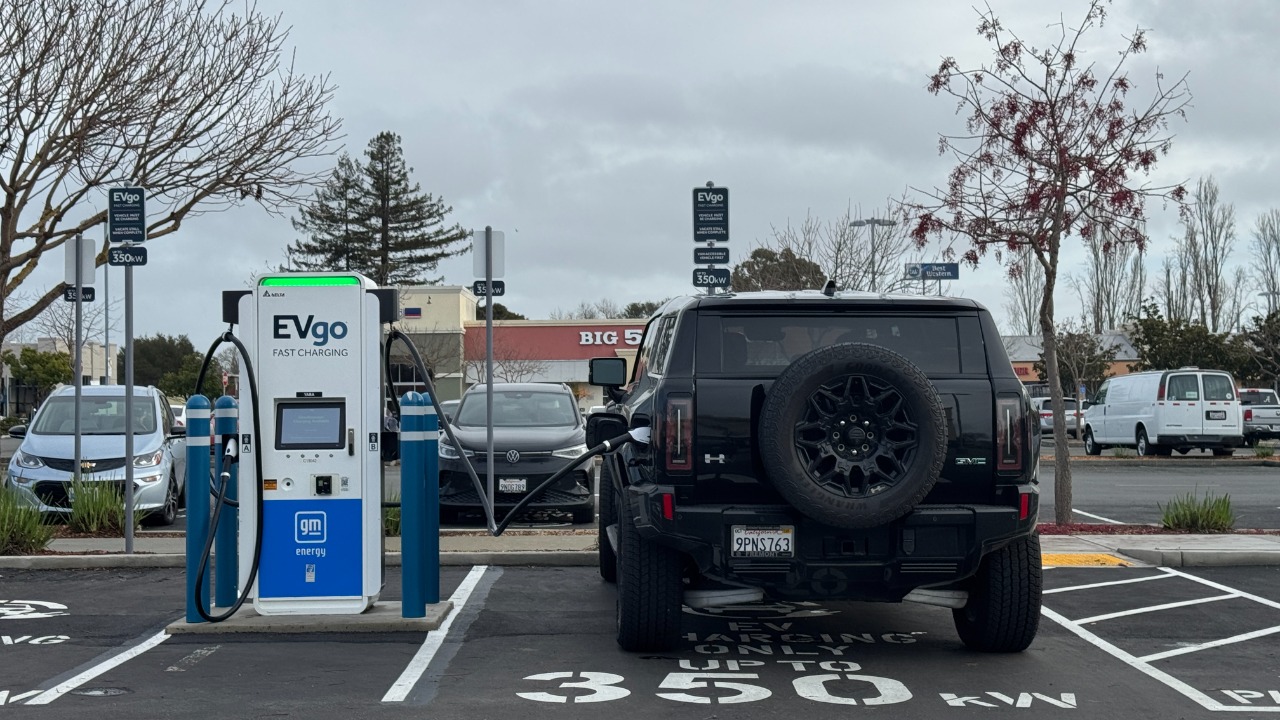
From the perspective of EV charger manufacturers and service providers, data collection is crucial for innovation and service enhancement. Industry leaders recognize the importance of data in driving advancements and improving user experiences. However, they also acknowledge the need to address consumer concerns about privacy. Many companies are actively working to find a balance, ensuring that data is used responsibly and transparently.
Looking ahead, the future of EV charging technology is promising. Upcoming advancements in charging technology and data analytics are set to revolutionize the industry. We can expect more sophisticated applications of location data, potentially enhancing everything from autonomous charging solutions to interoperable charging networks that enable seamless charging across different platforms.
The relationship between consumers and technology is evolving, with increased data collection changing expectations and behaviors. Consumers are becoming more tech-savvy, demanding transparency and control over their data. As the industry continues to innovate, maintaining a balance between technological advancement and consumer privacy will be paramount to ensuring trust and adoption.
Consumer Advocacy and Awareness
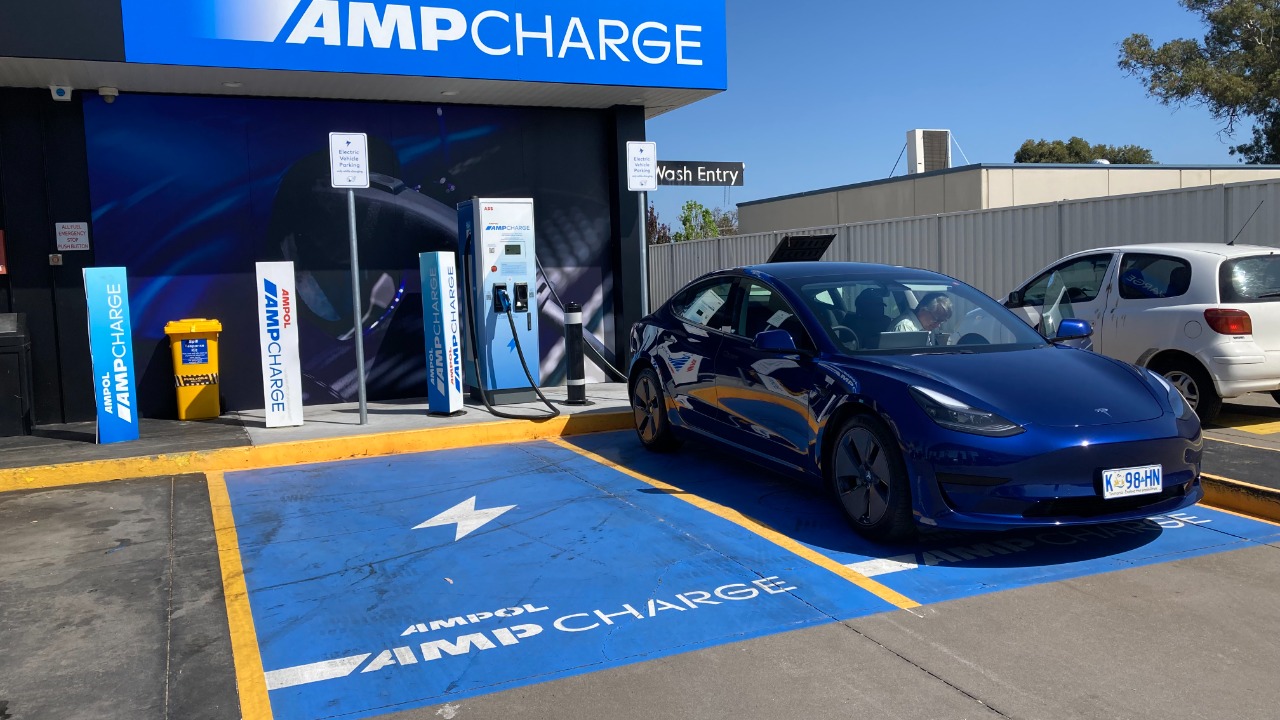
Consumer education plays a vital role in navigating the complexities of data privacy in the EV sector. By informing users about data collection practices, companies can help alleviate privacy concerns and build trust. Various resources and tools are available to consumers to protect their privacy, empowering them to make informed decisions about data sharing.
Consumer advocacy groups are pivotal in shaping data privacy regulations. Their campaigns and initiatives have brought about significant changes, advocating for stricter regulations and greater transparency from companies. Successful efforts in the past have highlighted the power of collective action in securing consumer rights and influencing policy changes.
Empowering consumers to make informed choices is crucial in this data-driven era. Transparency and clear communication from companies about data usage can significantly impact user trust. By providing options for consumers to control their data-sharing preferences, companies can foster a sense of empowerment and responsibility among users, ultimately leading to a more secure and consumer-friendly environment.
