The concept of simulation theory, a proposition that suggests our reality might be a digital or simulated construct, has been gaining traction in both popular culture and scientific discourse. A growing number of scientists are expressing the belief that we could indeed be living in a complex simulation.
Understanding the Simulation Theory
The basic premise of simulation theory is rooted in philosophical thought and has been explored by various thinkers throughout history. The theory suggests that our reality is not a base reality, but rather a simulated or digital construct created by a more advanced civilization or entity. This idea, as explored in The Week, has its roots in philosophical and scientific discourse.
There are several scientific arguments that support the possibility of a simulated reality. As reported by Quantum Zeitgeist, these arguments range from the mathematical to the physical, with some scientists suggesting that certain phenomena in quantum physics could be indicative of a simulated reality.
Furthermore, the simulation theory is not just a simple idea of living in a digital world. It also encompasses the concept of ‘ancestor simulations’. As explained by The Week, an advanced civilization might create a simulation of their ancestors, which could be us, to study their history. This concept adds another layer of complexity to the theory, suggesting that we might not just be living in a simulation, but a historical one at that.
Moreover, the simulation theory also raises questions about the nature of the simulator. If we are indeed living in a simulation, who or what is controlling it? This question opens up a wide range of possibilities, from advanced civilizations to artificial intelligence, further expanding the scope of the simulation theory.
Simulation Theory in Popular Culture
The theme of simulation theory has been popularized through various forms of media, most notably in movies and TV shows. The Matrix, for example, is a film that explores the concept of a simulated reality in a compelling and thought-provoking manner. This and other similar media portrayals, as highlighted by Interesting Engineering, have played a significant role in bringing the theory into the mainstream.
These media portrayals have had a profound influence on public perception and understanding of the theory. They have sparked widespread debate and discussion, prompting viewers to question the nature of their own reality and consider the possibility that they too could be living in a simulation.
Beyond The Matrix, there are numerous other examples of simulation theory in popular culture. The Truman Show, for instance, presents a man living in a fabricated reality, unaware that his life is a television show. Inception explores the idea of layers of reality, with dreams within dreams. These examples, as noted by Interesting Engineering, further illustrate the pervasiveness of the theory in popular culture.
Moreover, the influence of simulation theory extends beyond film and television. It has also found its way into literature, video games, and even music. For example, the video game series ‘The Sims’ allows players to control simulated individuals and societies, reflecting the core concept of the simulation theory. This widespread cultural influence underscores the fascination and intrigue that the theory continues to generate.
The Science Behind the Simulation Theory
The technical feasibility of creating a simulated reality is a topic of ongoing research and debate. According to Syfy Wire, while we currently lack the technological capability to create a simulation of such complexity, future advancements could potentially make it possible.
The implications of a simulated reality on our understanding of physics and the nature of the universe are profound. As suggested by Quantum Zeitgeist, if we are indeed living in a simulation, it could fundamentally alter our understanding of everything from quantum mechanics to the nature of consciousness itself.
From a scientific perspective, the simulation theory is not just a philosophical concept, but a testable hypothesis. As noted by Syfy Wire, scientists are exploring ways to test the theory, such as looking for inconsistencies in the laws of physics that could indicate a simulated reality. This approach underscores the seriousness with which some scientists are taking the theory.
Furthermore, the theory also has implications for our understanding of the universe. As suggested by Quantum Zeitgeist, if the universe is a simulation, it could explain some of the more puzzling aspects of quantum mechanics, such as the phenomenon of quantum entanglement. This suggests that the simulation theory could potentially offer new insights into the fundamental nature of the universe.
Living in a Simulation: Implications and Responses
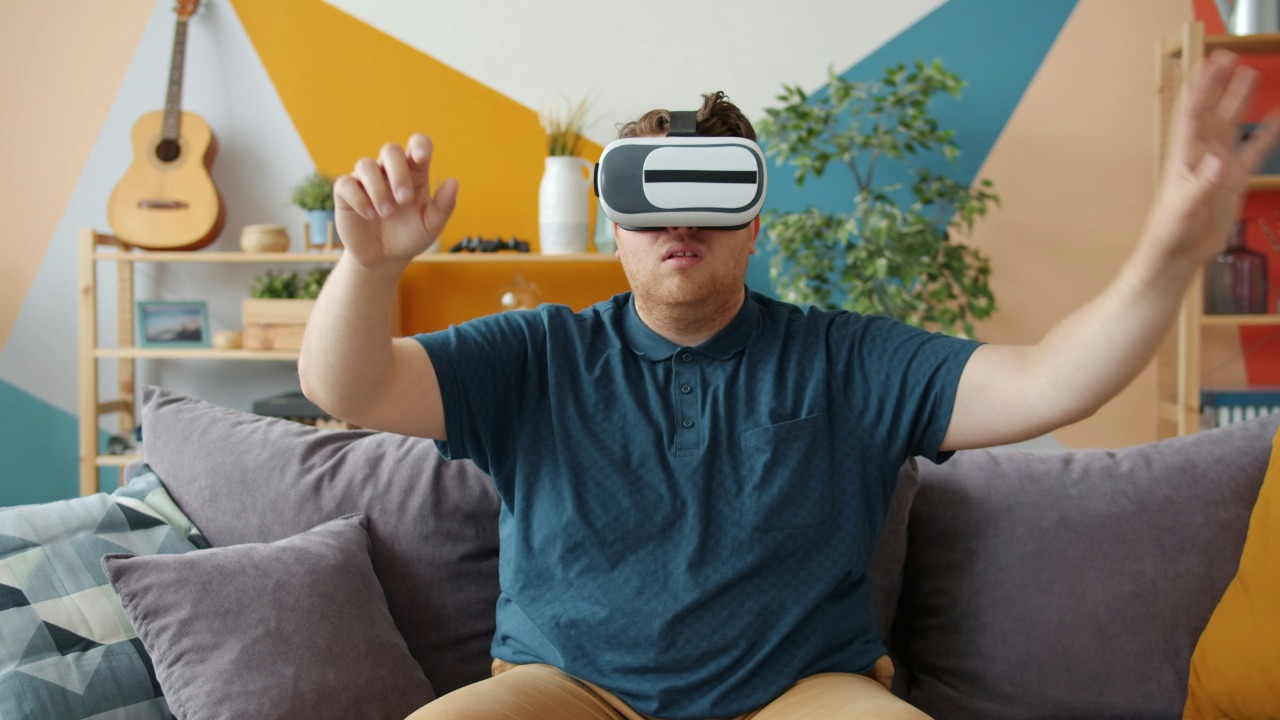
The potential psychological and societal implications of accepting the simulation theory as a possible truth are significant. As discussed in the Michigan Daily, the idea that our reality might not be ‘real’ in the traditional sense can have profound effects on our perception of self, our relationships with others, and our understanding of the world around us.
When faced with the possibility of living in a simulation, individuals might adopt various responses and coping mechanisms. Some might choose to reject the theory outright, while others might embrace it as a new paradigm for understanding reality. Regardless of the response, the simulation theory continues to challenge our conventional understanding of reality and our place within it.
On a societal level, the acceptance of the simulation theory could have far-reaching implications. As noted in the Michigan Daily, it could challenge our notions of free will and personal agency. If our actions and experiences are part of a pre-programmed simulation, to what extent do we truly have control over our lives? This question could lead to a radical rethinking of ethics, law, and social structures.
Moreover, the simulation theory also has implications for religion and spirituality. If we are living in a simulation, does that imply the existence of a creator or designer? And if so, what is the nature of this entity? These questions could lead to new interpretations of religious texts and spiritual beliefs, further illustrating the profound impact that the simulation theory could have on our understanding of reality.
