
A groundbreaking discovery has emerged from the depths of the universe: a colossal cosmic object located in the enigmatic Zone of Avoidance. This region, hidden behind the dense bands of the Milky Way, has long been a mystery to astronomers. The new find promises to shed light on the hidden structures of the universe and revolutionize our understanding of cosmic formations.
Understanding the Zone of Avoidance
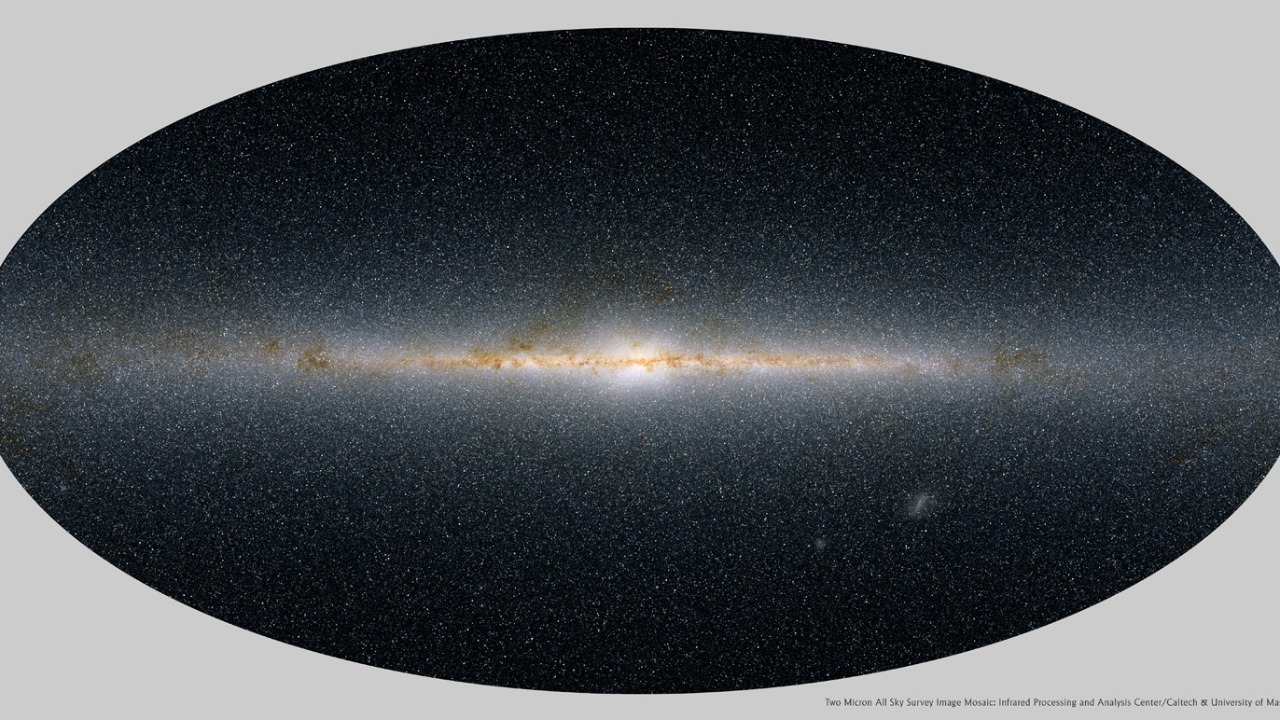
The Zone of Avoidance is a region of the sky that remains largely obscured by the dense star fields and cosmic dust of the Milky Way. Located along the galactic plane, this area poses significant challenges to astronomers attempting to observe what lies beyond. The term “Zone of Avoidance” aptly describes its elusive nature, as traditional optical telescopes struggle to penetrate the thick veil of interstellar matter that blocks the light from objects within and beyond this region.
Historically, astronomers have faced numerous challenges in studying the Zone of Avoidance. The dense concentration of stars and dust has rendered standard observational methods less effective, leading to a significant gap in our understanding of what lies beyond our galaxy. With the advent of modern technology, however, these challenges are gradually being surmounted. Advances in infrared and radio observations have opened new avenues for exploring this mysterious region, allowing scientists to peer through the obscuring layers and uncover hidden cosmic structures.
Recent technological advancements have revolutionized our ability to explore the Zone of Avoidance. Infrared telescopes, such as the Spitzer Space Telescope, and radio arrays like the Square Kilometre Array, have enabled astronomers to detect and study objects that were once invisible to us. These tools have paved the way for exciting discoveries, including the recently identified colossal cosmic object, which promises to reshape our understanding of the universe.
The Discovery of the Colossal Cosmic Object
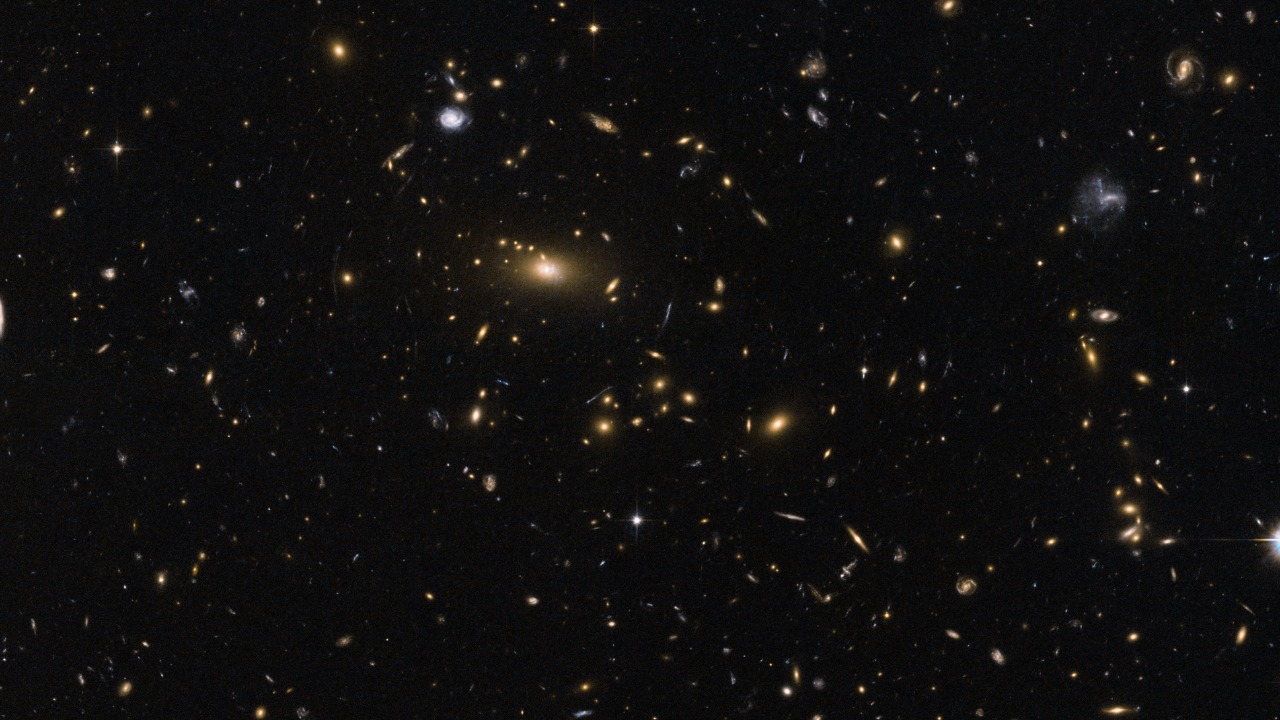
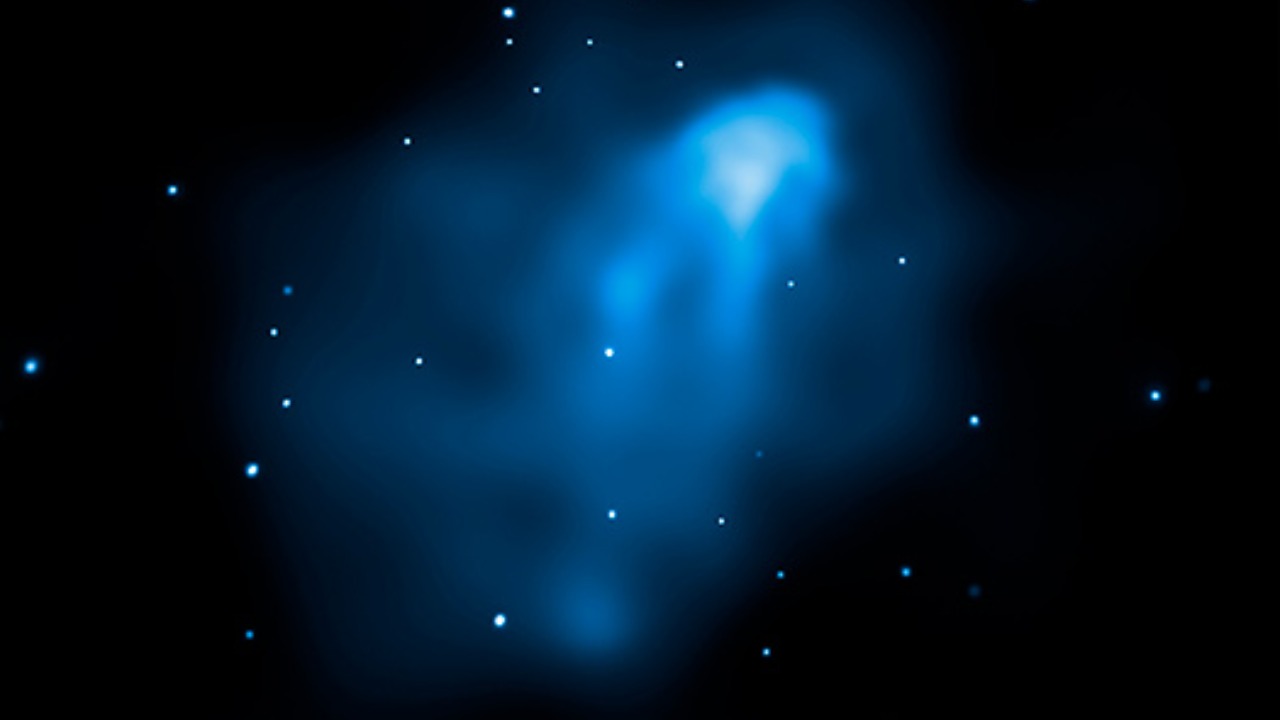
The newly discovered cosmic object is a colossal structure, characterized by its immense size and unique composition. While the exact classification of this object remains under investigation, preliminary data suggests it could be a massive galaxy cluster or an even more exotic formation. Its detection marks a significant milestone in the exploration of the Zone of Avoidance, highlighting the potential for further discoveries in this enigmatic region.
The discovery was made possible through the use of advanced telescopes and sophisticated data analysis techniques. Instruments capable of detecting infrared and radio wavelengths played a crucial role, allowing astronomers to see through the dust and gas that obscure the Zone of Avoidance. By analyzing the signals received, researchers were able to identify the presence of this massive object, a feat unattainable with traditional optical methods.
The discovery of this colossal cosmic object has profound implications for the field of astronomy. It not only enhances our understanding of the universe’s structure but also challenges existing theories about the formation and distribution of cosmic matter. This breakthrough opens up new avenues for research and underscores the importance of continued exploration of hidden regions in the cosmos.
Implications for Cosmic Structures
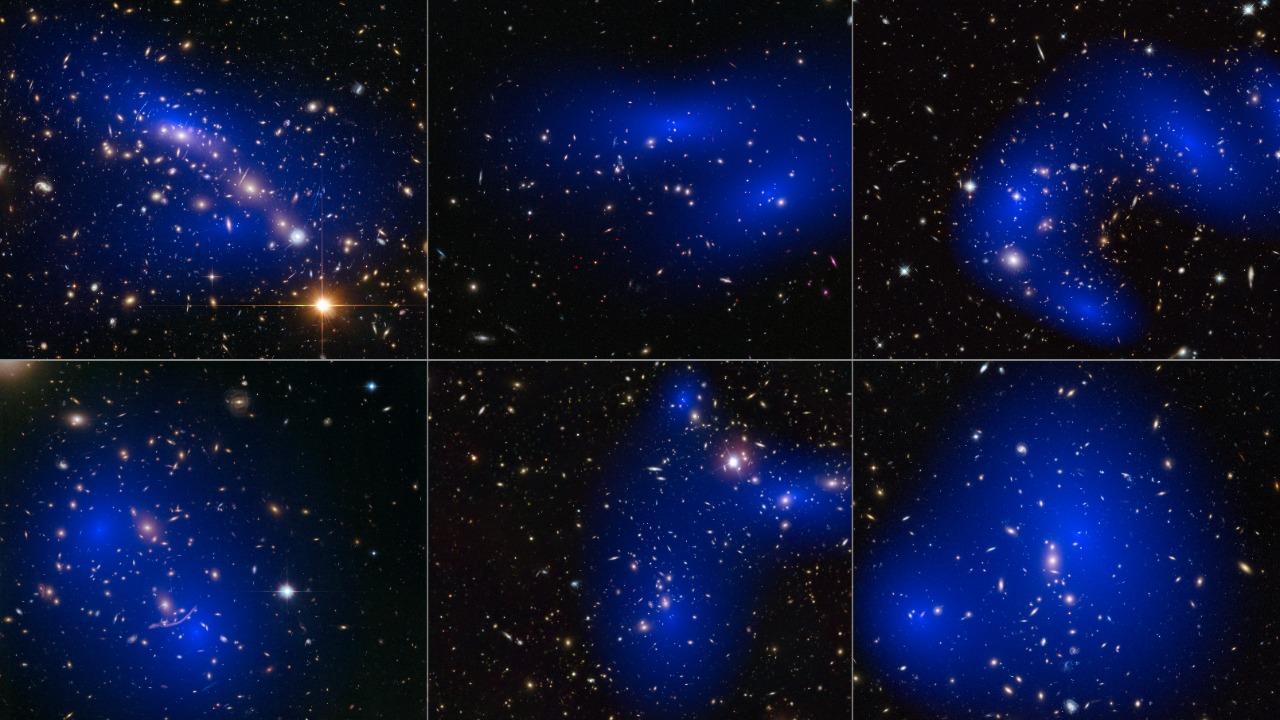
This discovery has the potential to revolutionize our understanding of cosmic structures and the large-scale organization of the universe. Existing theories about the distribution of matter and the formation of galaxies may need to be revisited in light of this finding. The sheer size and composition of the object suggest that there may be more colossal structures lurking within the Zone of Avoidance, waiting to be uncovered.
The discovery also raises the exciting possibility of uncovering more hidden objects not only in the Zone of Avoidance but in other obscured regions of space as well. With continued advancements in observational technology, astronomers are poised to make even more groundbreaking discoveries. These findings could reshape our understanding of the universe and its fundamental components, offering new insights into the nature of dark matter and its role in cosmic evolution.
Understanding the distribution of mass in the universe is crucial for dark matter research. The newly discovered object could provide valuable data on how mass is distributed in obscured regions, offering clues about the elusive nature of dark matter. As researchers delve deeper into the study of this colossal structure, they may uncover connections that enhance our understanding of dark matter’s role in shaping the universe.
The Future of Astronomical Exploration
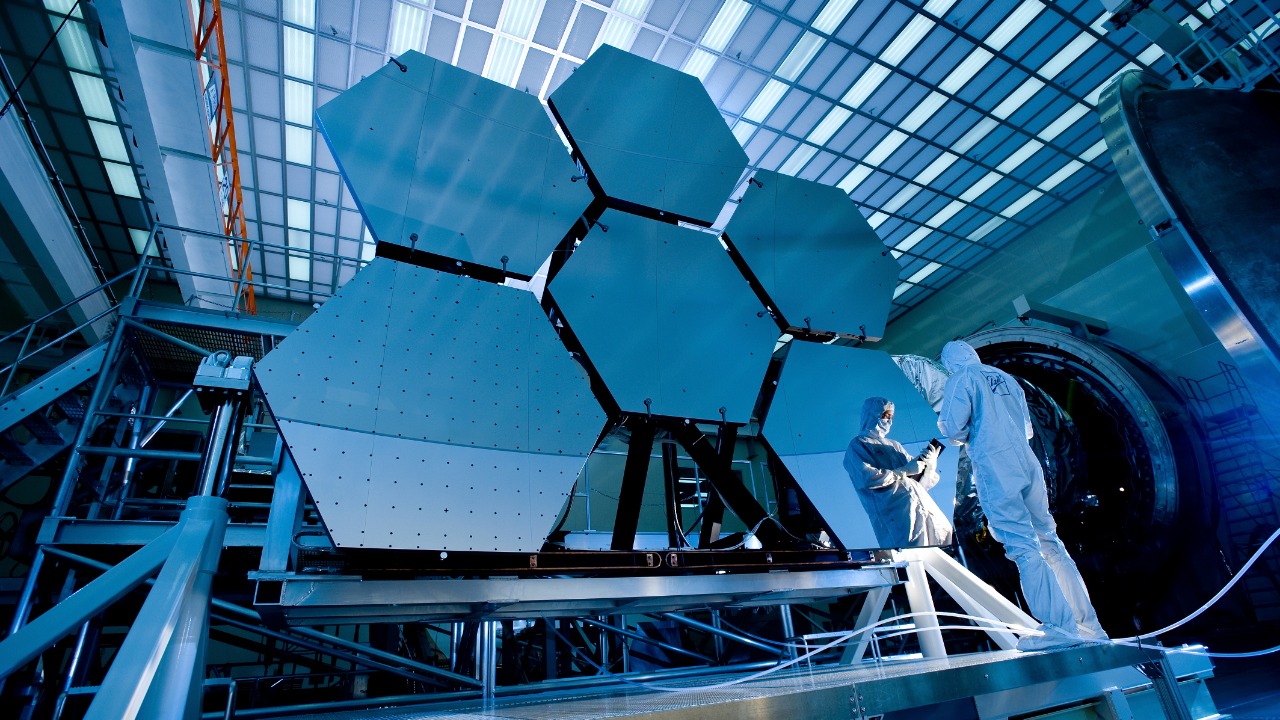
The future of astronomical exploration in the Zone of Avoidance and other obscured cosmic regions looks promising, thanks to ongoing technological innovations. Future space telescopes with enhanced capabilities, such as the James Webb Space Telescope, will provide unprecedented opportunities to explore these hidden areas. These tools will enable astronomers to peer deeper into the cosmos, revealing structures and phenomena that have remained concealed for eons.
International collaboration is essential for advancing our knowledge of the universe. By pooling resources and expertise, global partnerships can drive progress in astronomical research and facilitate the exploration of previously inaccessible regions. Collaborative efforts are crucial for pushing the boundaries of what we know and for inspiring a new generation of astronomers to continue the quest for discovery.
Engaging and educating new generations of astronomers is vital for the continued exploration of hidden cosmic areas. By fostering curiosity and a passion for discovery, educational initiatives can inspire young scientists to pursue careers in astronomy. These efforts will ensure that the exploration of the universe’s most enigmatic regions remains a priority for future generations.
The Broader Impact on Science and Society
Discoveries like the colossal cosmic object in the Zone of Avoidance captivate public interest and inspire a broader appreciation for science and space exploration. By sharing these discoveries with the public, we can foster a sense of wonder and curiosity about the universe, encouraging individuals to engage with and support scientific endeavors.
The discovery of colossal cosmic structures also invites philosophical and existential reflections on humanity’s place in the cosmos. As we uncover more about the universe’s vastness and complexity, we are prompted to consider our role within it. These reflections can enrich our understanding of existence and inspire a deeper connection to the world around us.
Uncovering cosmic objects in the Zone of Avoidance contributes to the tapestry of human knowledge and leaves a lasting legacy for future generations. As we continue to explore the universe’s hidden regions, we will undoubtedly make discoveries that expand our understanding of the cosmos and enhance our appreciation for the wonders of the universe. This continuous journey of exploration and discovery underscores the importance of science in shaping our understanding of the world and our place within it.
