
Engineers have introduced a groundbreaking freight system that promises to revolutionize the logistics industry by potentially making traditional diesel trucks obsolete. Dubbed “almost like a mini-airline,” this innovative system leverages cutting-edge technology to deliver goods more efficiently and sustainably.
The New Freight System: A Paradigm Shift
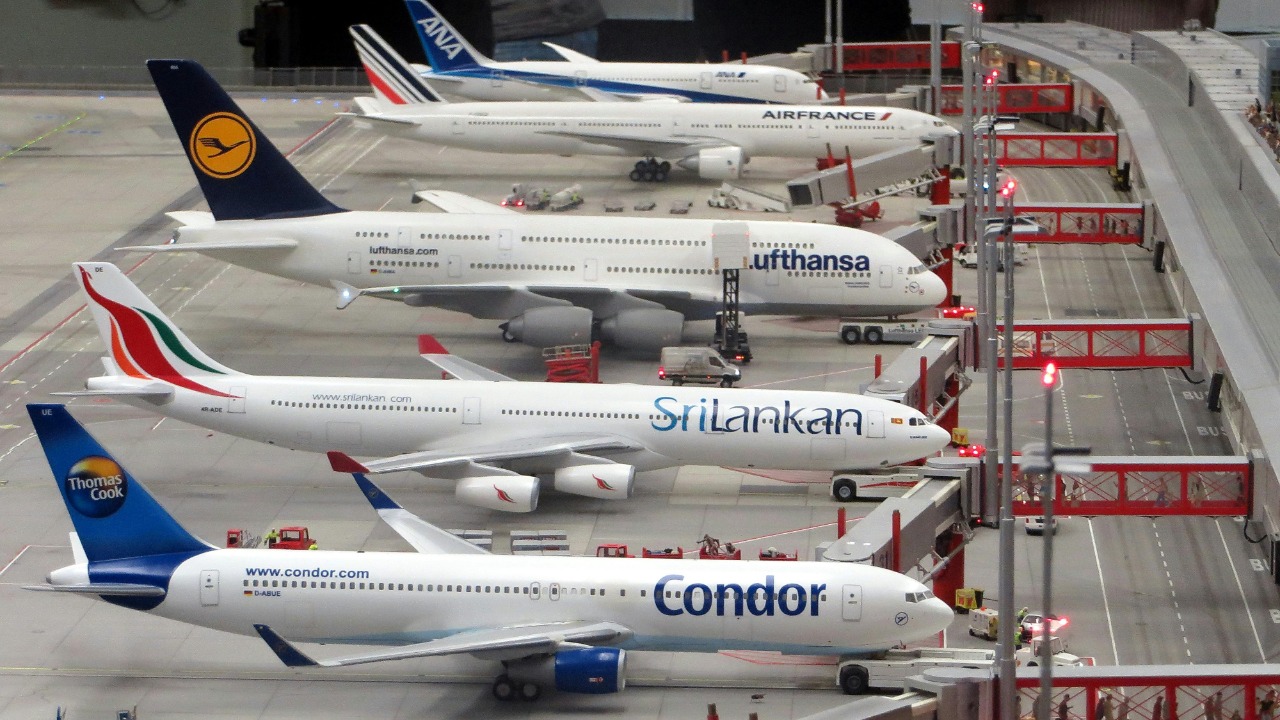
The new freight system, developed by Seaflight Technologies, incorporates an array of advanced technologies that are reminiscent of modern aviation. It utilizes a fleet of autonomous drones that operate similarly to a mini-airline, delivering goods with unprecedented speed and precision. The system’s design includes sophisticated navigation software, energy-efficient propulsion, and a streamlined logistics network that promises to overhaul traditional freight operations.
In stark contrast to conventional diesel trucks, this innovative system offers enhanced efficiency by reducing the reliance on fossil fuels and minimizing carbon footprints. The operational model significantly cuts down on transit times and operational costs, offering a competitive edge over traditional methods. As a result, logistics companies can anticipate a substantial shift in how goods are transported, akin to an airline’s efficiency, but on a smaller, more adaptable scale.
Sustainability and Environmental Benefits

One of the most compelling aspects of the Seaflight Technologies system is its potential to significantly reduce carbon emissions. By shifting away from diesel fuel and embracing electric or alternative energy sources, this system aligns with global environmental goals to combat climate change. It represents a critical step forward in the logistics industry’s pursuit of sustainability.
The system integrates eco-friendly innovations such as solar-powered charging stations and recyclable materials, reinforcing its commitment to the environment. As countries worldwide intensify their efforts to reduce greenhouse gas emissions, this freight system offers a viable solution that supports these initiatives. The technology not only addresses environmental concerns but also serves as a blueprint for future eco-conscious logistics solutions.
Economic and Operational Advantages
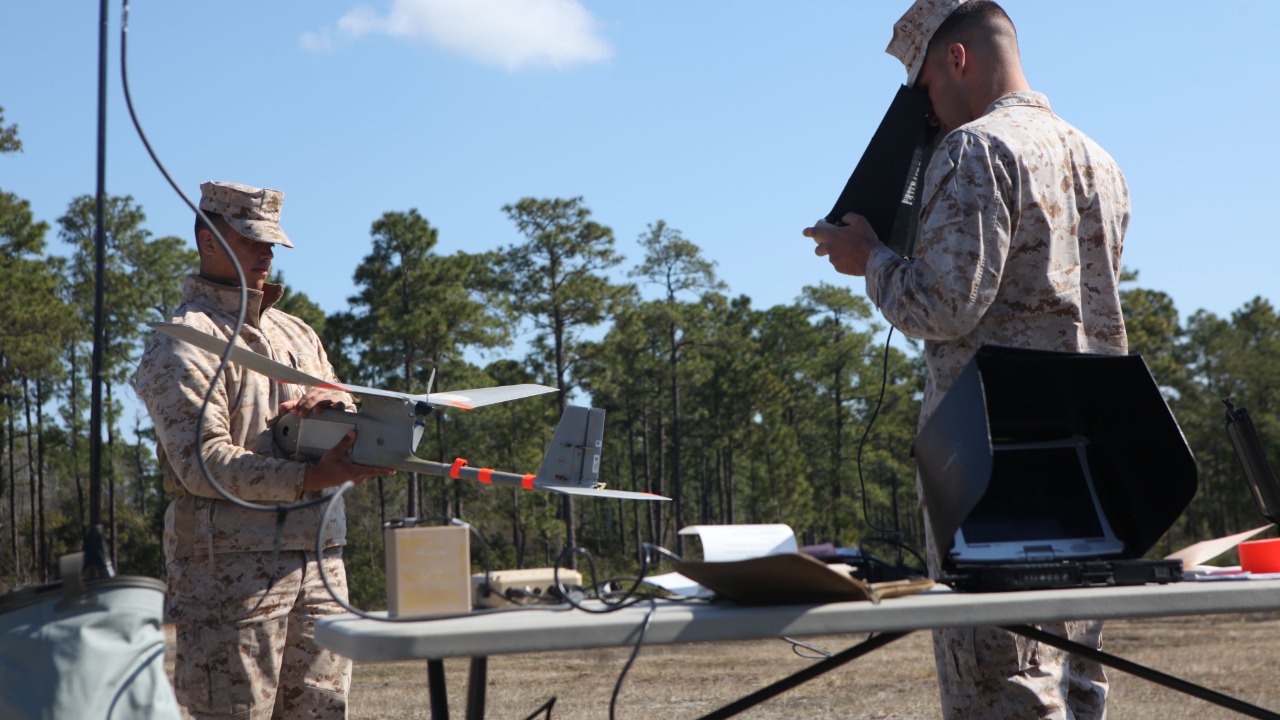
From an economic perspective, the Seaflight Technologies system promises significant cost savings due to reduced fuel consumption and maintenance needs. The streamlined logistics processes allow for faster and more reliable deliveries, enhancing the customer experience and potentially boosting business for companies that adopt this technology.
As the system gains traction, it is poised to create new job opportunities within both the logistics and technology sectors. The expansion of infrastructure and the need for skilled workers to manage drone operations could spur economic growth, providing a boon to areas adopting this innovative freight solution.
Challenges and Future Prospects

Despite its promising potential, the new freight system faces several challenges before it can achieve widespread adoption. Technological integration, infrastructure development, and regulatory compliance are critical hurdles that need addressing. The logistics industry must invest in the necessary infrastructure to support this advanced system, which may require substantial initial investments.
However, the market’s readiness to embrace this technology remains a crucial factor. As companies and governments recognize the benefits of this system, its scalability across different regions and industries will become increasingly apparent. With continued innovation and strategic planning, this freight system has the potential to redefine the global transport network, setting a new standard for efficiency and sustainability in logistics.
