Engineers and material scientists have made a groundbreaking advancement with the development of ultra-light armor that is stronger than steel. This innovative material promises to revolutionize industries, from military applications to consumer electronics, by providing enhanced protection without the added weight.
The Inspiration Behind the Innovation
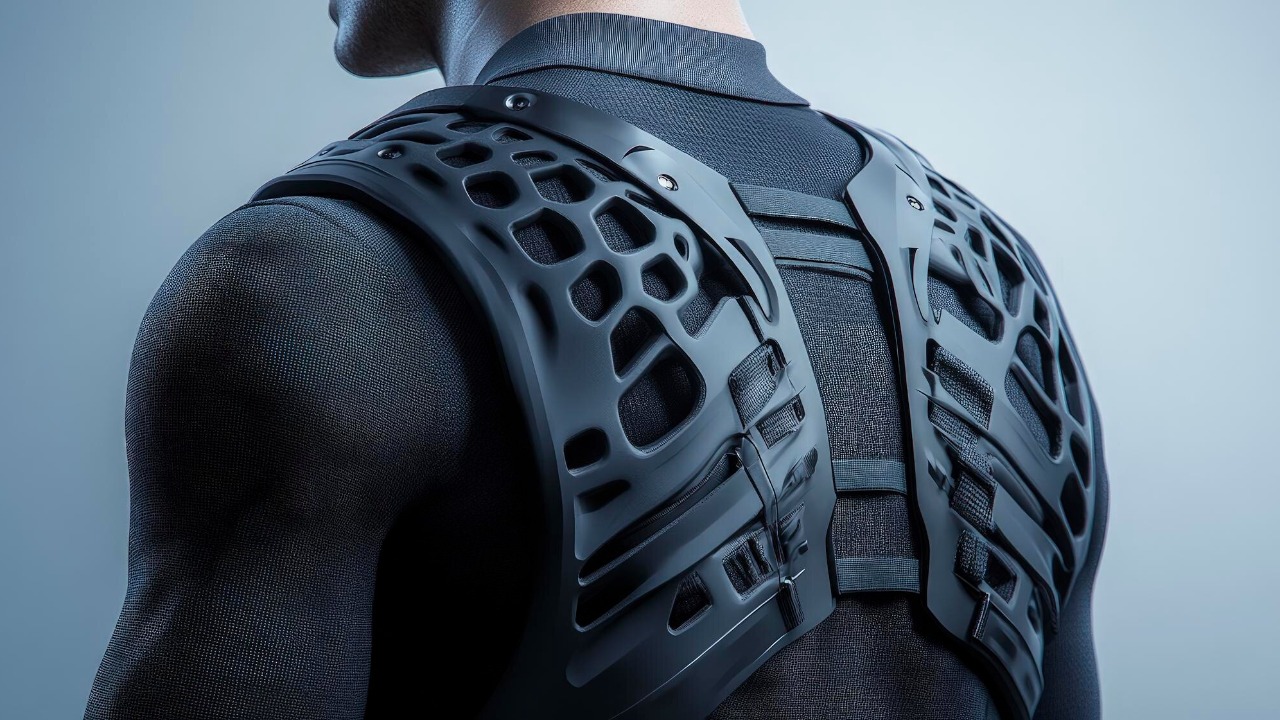
The quest for creating materials that are both lightweight and incredibly strong often draws inspiration from nature. Biomimicry, a design approach that seeks to emulate natural structures, has been pivotal in the development of this new ultra-light armor. By studying the intricate designs of natural materials like spider silk and the exoskeletons of beetles, scientists have uncovered patterns and structures that offer exceptional strength while maintaining minimal weight. These biological materials have evolved over millions of years to optimize for both durability and efficiency, providing a blueprint for modern engineering challenges.
Historically, the pursuit of materials that combine lightness with strength has faced numerous hurdles. Previous attempts often resulted in compromises, where enhancing one property would detrimentally affect another. The development of composite materials, such as carbon fiber reinforced polymers, marked significant progress, but limitations in scalability and cost hindered widespread adoption. The new ultra-light armor addresses these challenges by utilizing advanced materials science and cutting-edge fabrication techniques to achieve a balance previously considered unattainable.
The Science of Ultra-Light Armor
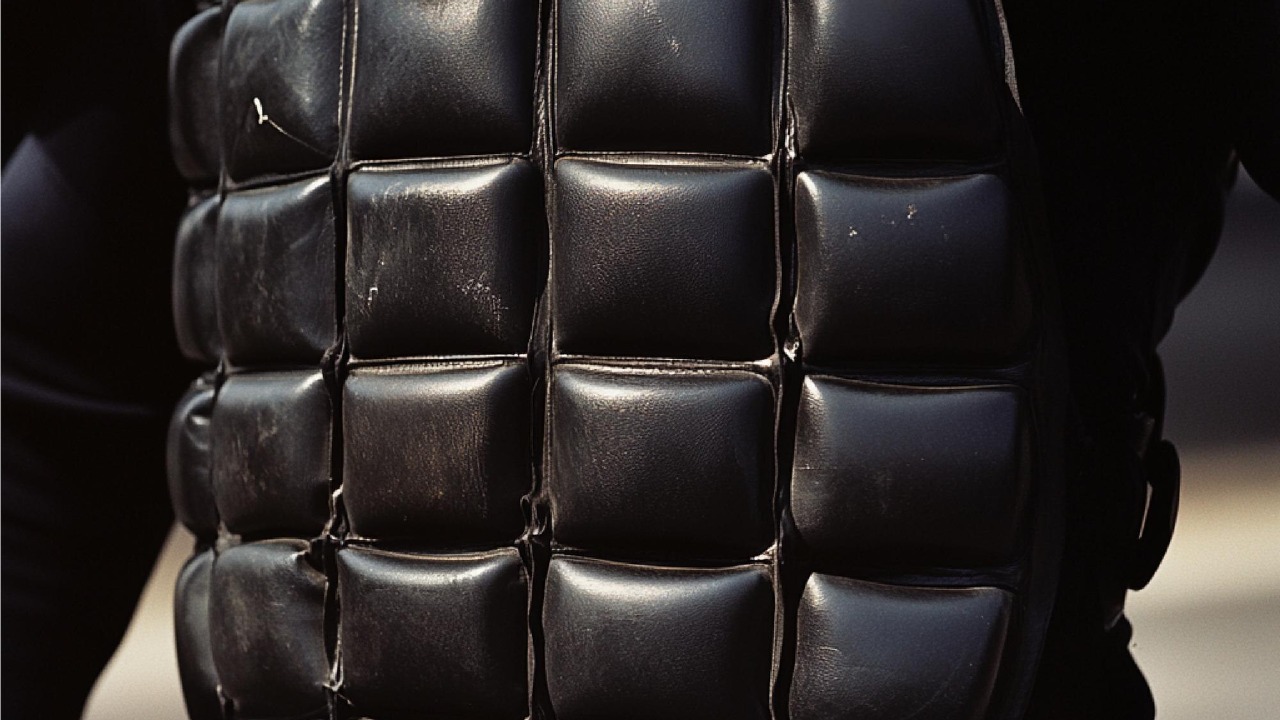
At the heart of this ultra-light armor’s strength lies its unique molecular composition and structure. The material is engineered at the nanoscale, where precise control over atomic arrangements allows for extraordinary mechanical properties. By aligning molecules in a highly ordered fashion, scientists have created a structure that mimics the load-bearing efficiency found in nature. This meticulous arrangement not only provides strength but also enables the material to remain incredibly lightweight.
Fabrication of this revolutionary armor involves state-of-the-art techniques that allow for both precision and scalability. Advanced manufacturing processes, such as 3D printing and molecular self-assembly, enable the creation of complex structures that would be impossible to achieve through traditional manufacturing methods. These techniques also facilitate the mass production of the material, making it viable for large-scale applications. The combination of innovative design and efficient fabrication processes ensures that the ultra-light armor can be produced at a cost and scale competitive with traditional materials.
Applications and Implications

The potential applications of this ultra-light armor are vast and varied, with significant implications for both military and civilian sectors. In the realm of military and defense, the material offers a game-changing advantage. Personal protective gear, such as helmets and body armor, can be made lighter without sacrificing protection, increasing mobility and comfort for soldiers. Additionally, vehicle armor can be significantly reduced in weight, enhancing fuel efficiency and agility without compromising safety.
Beyond military applications, the ultra-light armor holds promise for consumer electronics. Devices like smartphones and laptops can benefit from increased durability and reduced weight, enhancing user experience and extending product lifespan. For instance, the Samsung Galaxy Z Fold7 could incorporate this material to create a device that is both more robust and lighter than its predecessors. The potential to revolutionize product design and performance in the electronics industry is significant, offering consumers products that are both more sustainable and user-friendly.
Comparative Analysis with Traditional Materials
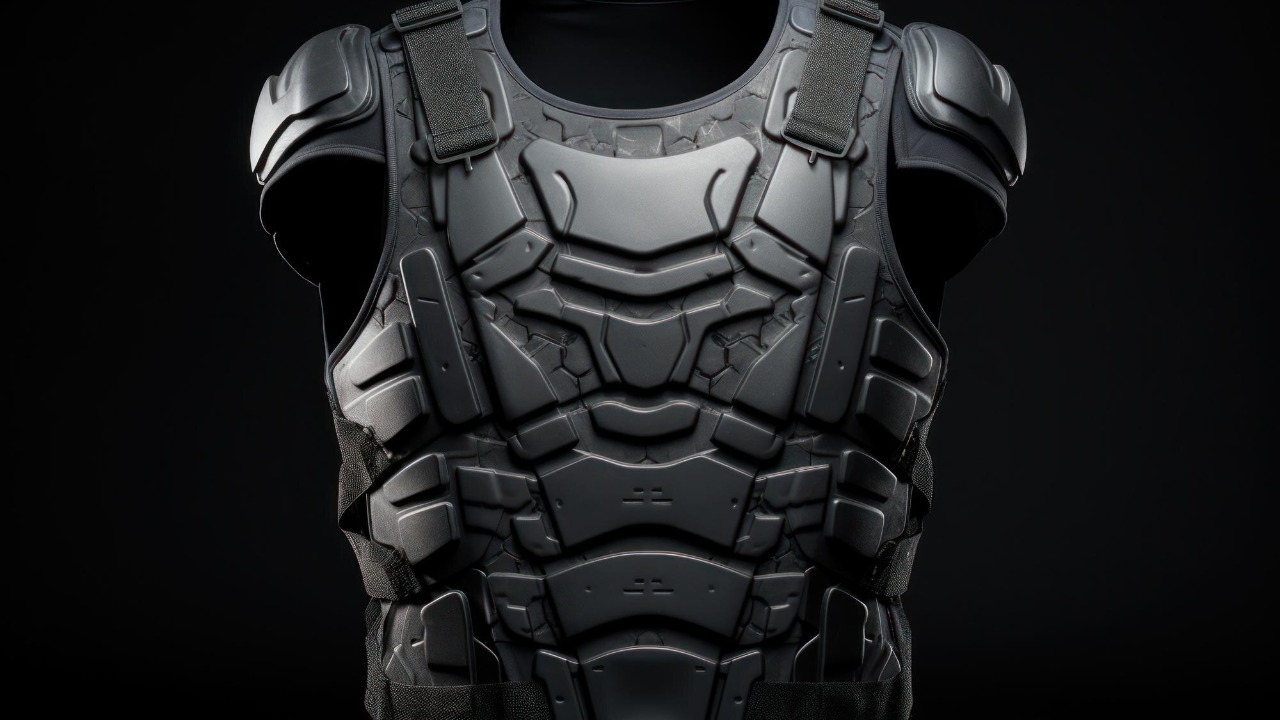
When comparing the new ultra-light armor with traditional materials like steel, the advantages become clear. The material’s strength-to-weight ratio far surpasses that of steel, offering equivalent or superior performance at a fraction of the weight. This characteristic not only enhances the material’s versatility but also opens up new possibilities for design and application across various industries. Furthermore, the reduced weight can lead to cost savings in transportation and logistics, as lighter products require less energy to move.
In terms of durability and longevity, the ultra-light armor demonstrates remarkable resistance to environmental stressors. Unlike steel, which can corrode over time when exposed to moisture and oxygen, this new material maintains its integrity under harsh conditions. This resilience ensures a longer lifespan and reduced maintenance costs, making it an attractive alternative for industries reliant on durable materials. The ability to withstand a wide range of conditions without degrading underscores the material’s potential as a game-changer in fields where reliability is paramount.
Future Prospects and Challenges
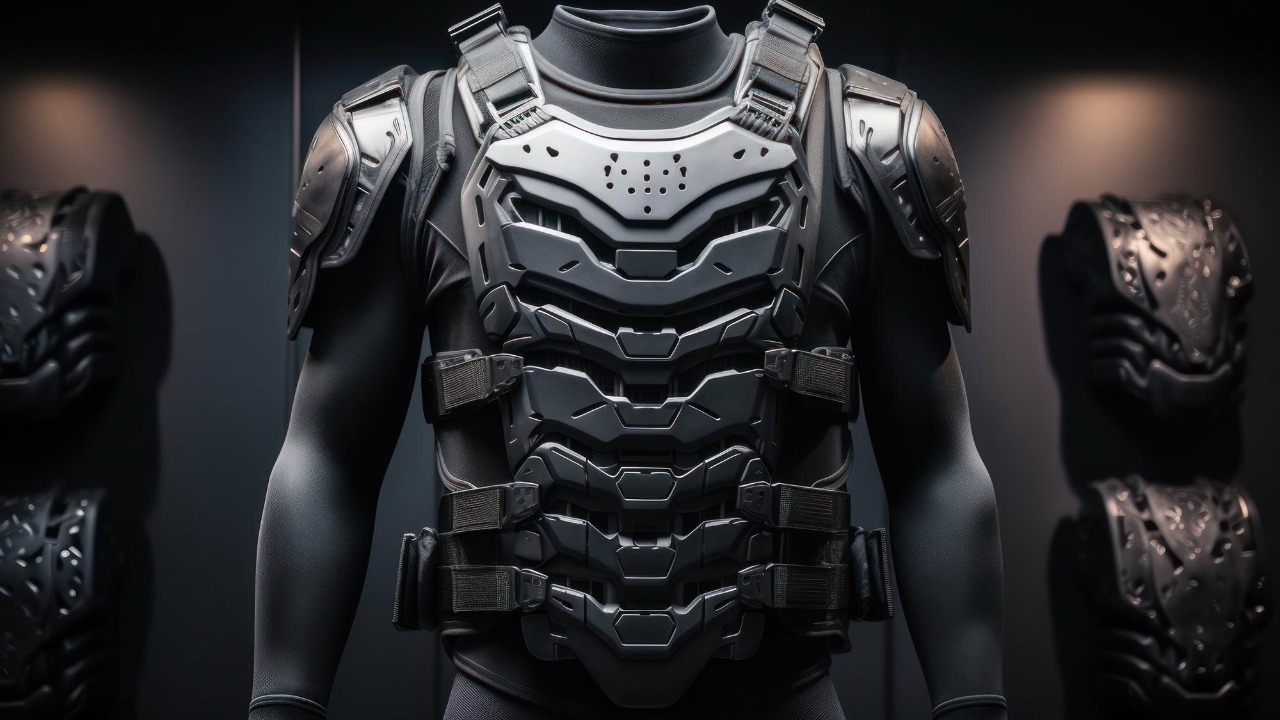
While the promise of ultra-light armor is undeniable, scaling production to meet global demand presents both economic and logistical challenges. The transition from laboratory-scale manufacturing to mass production requires significant investment in infrastructure and technology. Companies must navigate these hurdles to bring the material to market at a competitive price point. Addressing these challenges is crucial to ensuring the material’s widespread adoption and realizing its full potential.
Beyond the technical and economic aspects, ethical and environmental considerations must also be taken into account. The implications of integrating this material into everyday products extend to societal and environmental dimensions. For example, the reduced weight of consumer electronics could lead to decreased carbon emissions during transportation and use. However, the production processes must be carefully managed to minimize environmental impact. Considering these factors is essential for achieving a sustainable balance between innovation and responsibility.
In conclusion, the development of ultra-light armor stronger than steel represents a significant leap forward in materials science. By harnessing the power of biomimicry and advanced manufacturing techniques, engineers have created a material with the potential to transform industries and enhance our everyday lives. As we look to the future, the successful implementation and adoption of this technology will depend on overcoming production challenges and addressing ethical concerns, paving the way for a new era of innovation and sustainability.
